

Have you ever felt that heavy, uncomfortable pressure around your forehead, cheeks, or eyes and wondered what’s causing it? That tight, aching sensation often isn’t just a random headache—it’s closely linked to your sinuses.
Understanding the connection between sinuses and facial pressure can help you find relief faster and avoid unnecessary discomfort. You’ll discover why sinus issues create that pressing feeling in your face, what symptoms to watch for, and simple steps you can take to ease the pressure.
Keep reading to unlock the secrets behind your facial discomfort and regain your comfort today.
Sinus Anatomy And Facial Pressure
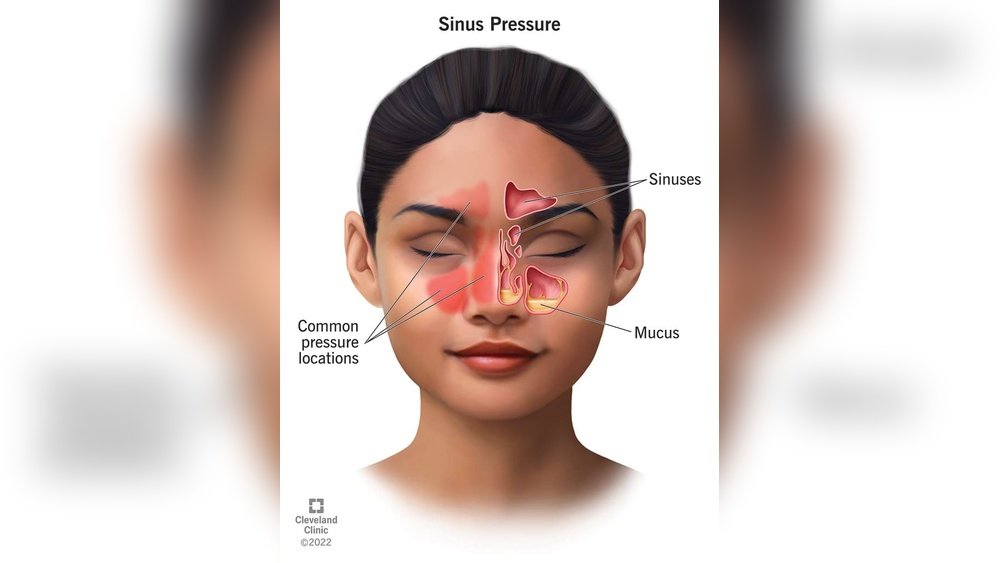
The sinuses are air-filled spaces located within the bones of the face. They connect to the nasal passages, allowing mucus to drain and air to flow. When sinuses become blocked or inflamed, pressure builds up inside these cavities.
This pressure often causes a feeling of fullness or pain in the face. Understanding sinus anatomy helps explain why facial pressure occurs during sinus issues.
What Are Sinuses?
Sinuses are hollow spaces in the forehead, cheeks, and behind the nose. They include the frontal, maxillary, ethmoid, and sphenoid sinuses. Each has a small opening to drain mucus into the nose.
How Sinus Blockage Causes Pressure
If the sinus openings become clogged by mucus or swelling, air cannot escape. This trapped air creates pressure against the sinus walls. The result is discomfort or pain in areas near the sinuses.
Common Areas Of Facial Pressure
Pressure often occurs around the forehead, cheeks, and between the eyes. It may feel like tightness or throbbing. The location of pain depends on which sinus is affected.
Role Of Sinus Inflammation
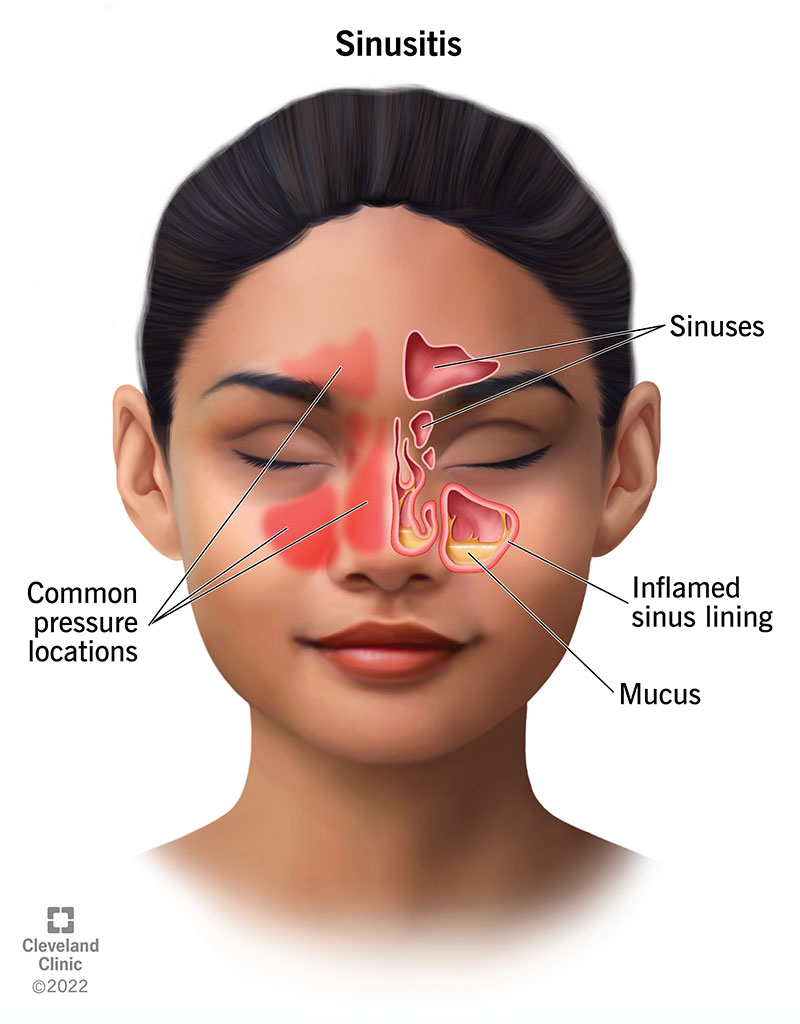
Inflammation from infections or allergies causes swelling of sinus tissues. This narrows drainage pathways and increases pressure. The swelling can also stimulate nearby nerves, causing pain signals.

Credit: www.sinusdoctor.com
Causes Of Sinus-related Facial Pressure
Sinus-related facial pressure happens when the sinuses swell or get blocked. Sinuses are air-filled spaces in the face and head. They help filter the air we breathe and produce mucus. When sinuses get inflamed, mucus builds up and causes pressure.
This pressure feels like a tight or heavy sensation in the face. It can cause pain around the eyes, cheeks, forehead, and nose. Several factors lead to this pressure by affecting sinus health.
Sinus Infections
Sinus infections, also called sinusitis, are a common cause of facial pressure. Infections cause the lining of the sinuses to swell. This swelling blocks normal mucus drainage. The trapped mucus increases pressure inside the sinuses. The pressure causes pain and discomfort in the face.
Allergic Reactions
Allergies can inflame the sinuses. Allergic reactions cause the body to release chemicals that swell sinus tissues. This swelling narrows the sinus openings. Mucus cannot drain properly, leading to pressure buildup. Allergic sinus pressure often comes with sneezing and congestion.
Nasal Polyps
Nasal polyps are soft, noncancerous growths inside the nose or sinuses. They block the nasal passages and sinuses. This blockage stops mucus from draining. As mucus builds up, pressure rises inside the sinuses. Polyps cause chronic facial pressure and congestion.
Deviated Septum
A deviated septum means the wall between the nostrils is crooked. This can narrow one side of the nasal passage. Narrow passages make it harder for mucus to drain. Blocked sinuses build pressure and cause facial pain. Many people have a mild deviated septum without symptoms.
Environmental Irritants
Pollution, smoke, and chemicals can irritate sinus tissues. This irritation causes swelling and mucus production. The swelling closes sinus openings and traps mucus inside. The trapped mucus increases sinus pressure. Avoiding irritants helps reduce facial pressure caused by sinuses.
Symptoms Linked To Sinus Pressure
Sinus pressure often causes discomfort that affects different parts of the face. Understanding the symptoms linked to sinus pressure helps identify the problem early. Sinus issues arise when nasal passages become swollen or blocked. This leads to trapped mucus and increased pressure inside the sinuses. The pressure creates a feeling of tightness or fullness in the face.
Recognizing these symptoms can guide proper care and treatment. Many people mistake sinus pressure for other conditions like tension headaches. Knowing the specific signs helps to relieve discomfort effectively.
Facial Pain And Tenderness
Facial pain is a common symptom of sinus pressure. The pain usually feels like a deep ache or throbbing. It often occurs around the cheeks, forehead, and eyes. Pressing on these areas may increase the discomfort. Tenderness in the face signals inflammation in the sinus cavities. This pain worsens when bending forward or lying down.
Headaches Associated With Sinus Pressure
Sinus pressure often causes headaches in the front of the head. These headaches feel heavy and persistent. The pain may intensify around the eyes and temples. Sinus headaches differ from migraines because they worsen with changes in weather or air pressure. The headache usually improves when sinus congestion decreases.
Nasal Congestion And Discharge
Nasal congestion is a key symptom linked to sinus pressure. Swelling blocks the nasal passages, making breathing difficult. Mucus builds up inside the sinuses and drips down the throat. This post-nasal drip can cause throat irritation and coughing. Nasal discharge may be thick and yellow or green, signaling infection.
Pressure Around The Eyes And Forehead
Pressure often builds around the eyes and forehead. This sensation feels like tightness or fullness. The eyes may feel heavy or swollen. Sinus pressure can cause pain behind and between the eyes. This symptom worsens during sinus infections or allergy flare-ups.
Other Symptoms Linked To Sinus Pressure
Sinus pressure may cause ear pain or a feeling of fullness in the ears. Some people experience tooth pain, especially in the upper jaw. Dizziness and nausea can occur due to pressure on the inner ear. Fatigue and difficulty concentrating are common during sinus flare-ups. Recognizing these symptoms helps address sinus pressure properly.
Home Remedies For Sinus Pressure Relief
Sinus pressure causes discomfort and pain around the face. Many people seek relief without medicine. Home remedies offer simple ways to ease sinus pressure. They help clear sinuses and reduce inflammation naturally. These methods are safe and easy to do at home.
Steam Inhalation For Sinus Relief
Steam helps open blocked nasal passages. Boil water and pour it into a bowl. Place your face over the bowl and cover your head with a towel. Breathe deeply for 10 minutes. This loosens mucus and relieves pressure.
Warm Compress To Reduce Pain
A warm compress soothes facial pain and eases sinus pressure. Use a clean cloth soaked in warm water. Apply it to your forehead or cheeks for 5 to 10 minutes. Repeat several times a day for relief.
Saline Nasal Rinse To Clear Sinuses
Saline rinses wash away mucus and irritants. Use a saline spray or a neti pot with sterile water. Gently flush your nasal passages to reduce congestion. This helps reduce pressure and improves breathing.
Stay Hydrated For Mucus Thinning
Drinking plenty of water thins mucus in the sinuses. Thin mucus drains easily, lowering pressure build-up. Avoid drinks with caffeine or alcohol. They can cause dehydration and worsen symptoms.
Elevate Your Head While Sleeping
Keeping your head raised reduces sinus pressure at night. Use extra pillows to prop up your head. This helps mucus drain and prevents congestion from worsening. You will breathe easier and feel less pressure.
When To Seek Medical Help
Persistent facial pressure or severe pain near your sinuses may signal a need for medical attention. Seek help if symptoms worsen, last more than 10 days, or include fever and vision changes. Early care can prevent complications linked to sinus issues.
Sinus pressure and facial pain often improve with home care. Rest, hydration, and over-the-counter treatments usually ease symptoms. Sometimes, though, the situation needs a doctor’s attention.
Recognizing when to get medical help is important to avoid complications. Persistent or severe symptoms can signal a more serious problem. Timely care helps prevent worsening infection or other issues.
Signs Of Severe Sinus Infection
Seek medical help if facial pressure lasts more than 10 days. Intense pain or swelling around the eyes or forehead needs prompt evaluation. High fever above 101.5°F is a warning sign.
Other signs include redness on the face, vision changes, or a stiff neck. These symptoms require immediate medical attention to rule out serious conditions.
When Over-the-counter Medicines Don’t Work
If decongestants and pain relievers fail to reduce pressure and pain, see a doctor. Persistent nasal blockage or discharge lasting over a week may need prescription treatment. Antibiotics might be necessary for bacterial infections.
Recurring Sinus Problems
Frequent sinus pressure and infections need medical evaluation. Chronic sinusitis can cause ongoing discomfort and damage. A healthcare provider can recommend tests or treatments like nasal sprays or surgery.
Emergency Situations
Call emergency services if you experience sudden vision loss or swelling that spreads rapidly. Severe headache with fever and neck stiffness can indicate meningitis. These emergencies require urgent hospital care.

Credit: www.chcfl.org
Credit: my.clevelandclinic.org
Frequently Asked Questions
Can Sinuses Cause Facial Pressure?
Sinuses can cause facial pressure due to inflammation or infection blocking sinus drainage. This leads to pain and discomfort in the face.
How Do I Get Rid Of Sinus Pressure On My Face?
Use a warm compress on your face to relieve sinus pressure. Stay hydrated and try a saline nasal rinse. Elevate your head while resting. Over-the-counter decongestants and pain relievers can help. Gently massage your sinuses to promote drainage and reduce discomfort.
How To Relieve Sinus Pressure In Face While Pregnant?
Use saline nasal sprays and steam inhalation to clear sinuses safely during pregnancy. Stay hydrated and rest well. Elevate your head while sleeping to reduce pressure. Apply warm compresses to your face for relief. Avoid medications unless approved by your healthcare provider.
Can Sinus Pressure Cause Nausea?
Yes, sinus pressure can cause nausea. Excess mucus irritates the stomach, and pressure may trigger dizziness, leading to nausea.
Can Sinus Infections Cause Facial Pressure And Pain?
Sinus infections often cause swelling, leading to pain and pressure in the face near affected sinuses.
How Does Sinus Pressure Affect Different Areas Of The Face?
Pressure builds up near the forehead, cheeks, nose, and around the eyes depending on which sinuses are blocked.
Conclusion
Sinus issues often cause facial pressure and discomfort. This pressure comes from inflammation and mucus buildup. It can affect your eyes, cheeks, and forehead. Simple steps like staying hydrated and using warm compresses help ease the pain. Understanding this link helps you manage symptoms better.
Remember, persistent or severe pressure needs medical advice. Taking care early can prevent complications. Your sinuses and face are closely connected. Treating sinus problems brings relief to facial pressure quickly.