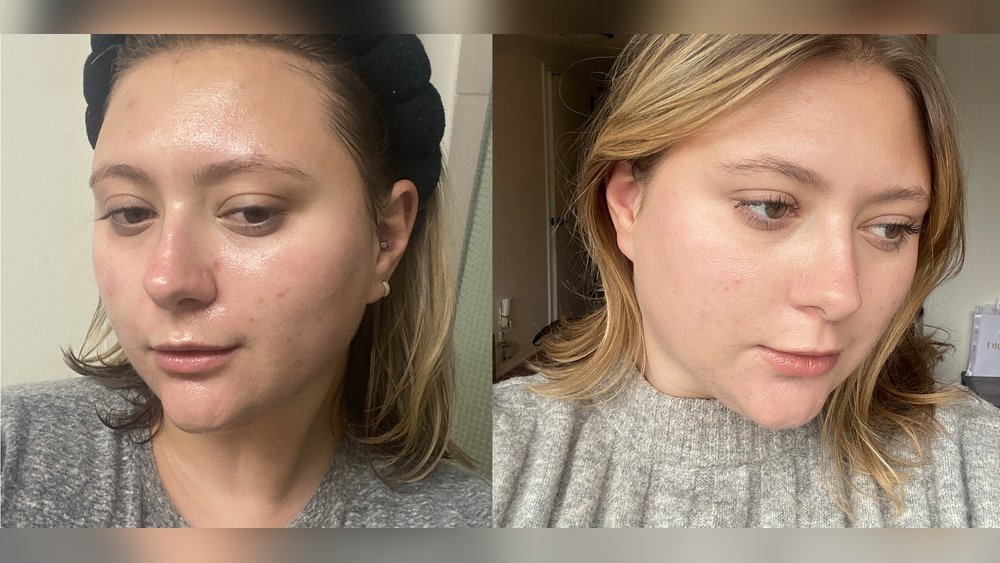
What is Slugging in Skincare: Ultimate Guide to Glowing Skin
If you’ve noticed the buzz about “slugging” in skincare but aren’t quite sure what it means, you’re not alone. This simple yet powerful technique could be the missing piece in your routine to lock in moisture and soothe dry, irritated skin.
But what exactly is slugging, and is it right for your skin type? Keep reading to discover how slugging works, why it’s become a skincare sensation, and whether it could help you achieve softer, healthier skin overnight. Your skin deserves the best, and understanding slugging might just be the game-changer you’ve been looking for.

Credit: www.cosmopolitan.com
Slugging Basics
Slugging is a simple skincare method that helps keep your skin very hydrated. It involves applying a thick layer of ointment on your face as the last step of your nighttime routine. This layer seals in moisture and protects your skin while you sleep.
The process is easy and requires just one special product. It suits people with dry or sensitive skin who want to reduce dryness and irritation. Understanding slugging helps you decide if it fits your skincare needs.
What Slugging Means
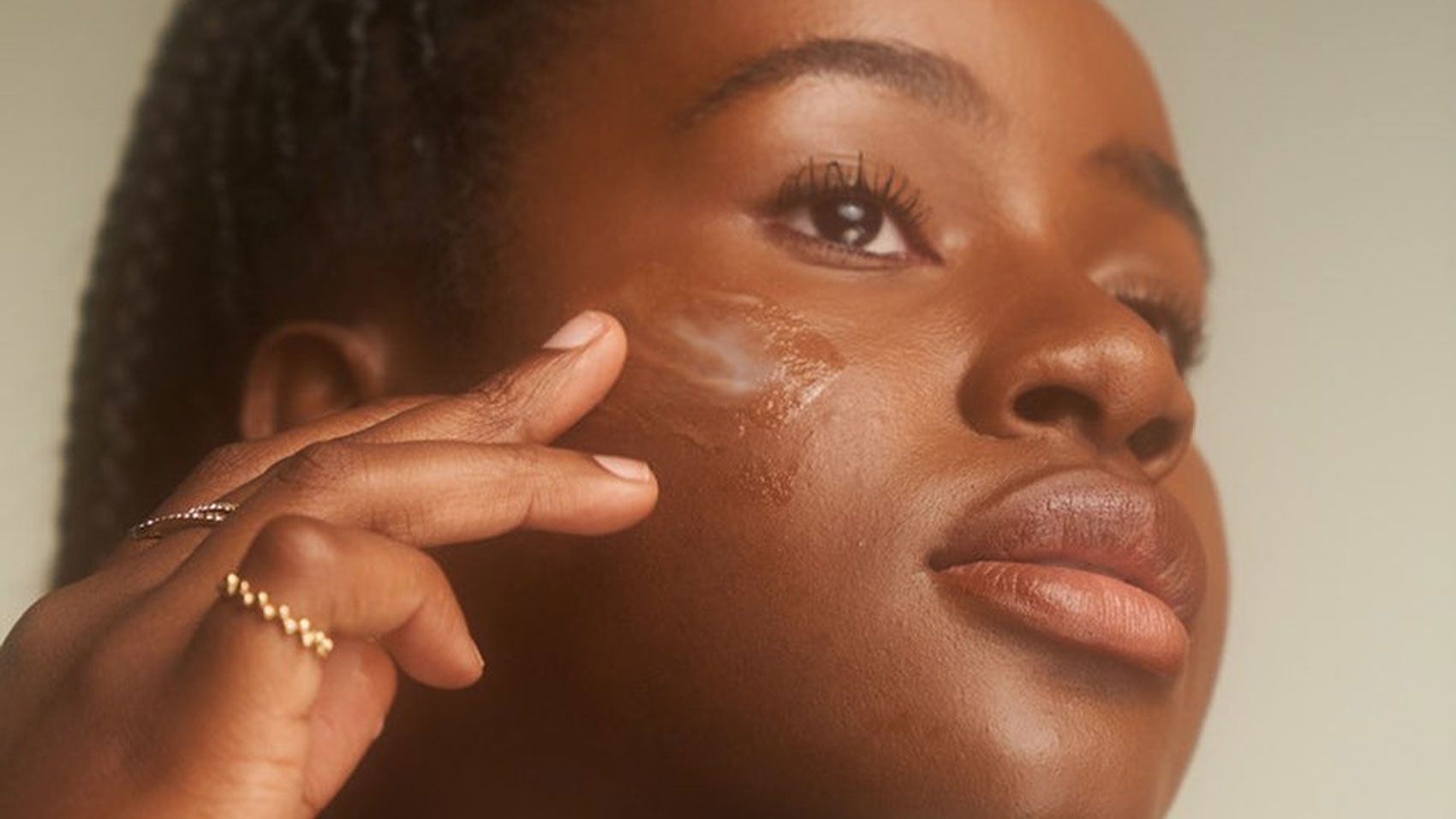
Slugging means covering your face with a thick, sticky layer of petrolatum-based product. This layer acts like a barrier that traps moisture inside the skin. It stops water from escaping, which helps keep your skin soft and smooth.
The name “slugging” comes from the shiny look your skin gets after applying the product. It looks like the slimy trail left by a garden slug. Despite the funny name, slugging is a helpful step for dry skin care.
Origin Of The Trend
Slugging became popular through Korean skincare routines. It gained attention on social media platforms like TikTok and Instagram. Many skincare experts shared its benefits, which helped it spread worldwide.
The practice is based on old healing methods using petrolatum to protect skin wounds. People noticed it also helped with dry, cracked, or irritated skin. This led to the modern trend of slugging in beauty routines.

Credit: www.drrachelho.com
Benefits For Skin
Slugging offers several benefits for the skin. It creates a protective layer that locks in moisture. This simple step can improve your skin’s overall health and appearance. Many people find their skin feels softer and more hydrated after slugging. It also supports the skin’s natural repair process and enhances the effects of other skincare products.
Boosts Hydration
Slugging seals in moisture by forming a thin, protective barrier. This barrier prevents water from evaporating from your skin. As a result, your skin stays hydrated longer. Proper hydration helps the skin look plump and healthy. It also reduces dryness and flakiness.
Repairs Skin Barrier
The occlusive layer created during slugging helps repair the skin barrier. This barrier protects your skin from harmful irritants. It is especially helpful for dry or sensitive skin. Slugging gives the skin time to heal and rebuild itself. A strong skin barrier reduces redness and irritation.
Enhances Product Effectiveness
Slugging locks in the skincare products applied underneath it. This helps serums and moisturizers work better. The products stay on your skin longer and absorb fully. This means you get more benefits from your skincare routine. Your skin feels nourished and well cared for.
Soothes And Protects
Slugging soothes irritated or dry skin by creating a calming layer. It protects skin from environmental damage like wind and pollution. This shield keeps your skin healthier and less prone to damage. It also helps reduce redness and discomfort. Your skin feels softer and more comfortable.
Who Should Try It
Slugging is a simple skincare technique that can greatly benefit certain skin types. It involves applying a thick layer of an occlusive agent, usually petroleum jelly, as the last step of your nighttime routine. This method locks in moisture and helps the skin heal overnight. Not everyone should try slugging, though. Knowing who can benefit and who should avoid it is important for healthy skin.
Ideal Skin Types
Slugging works best for people with dry skin. It helps lock in moisture and prevents water loss. Sensitive skin types also find relief, as slugging soothes irritation. Those with eczema or damaged skin can heal faster with this method. It creates a barrier that protects from harsh weather and pollutants. If your skin feels tight or flaky, slugging can add much-needed hydration.
Skin Types To Avoid
Slugging is not good for oily skin. It can trap oil and cause more breakouts. Acne-prone skin should avoid slugging as it may worsen acne. People with combination skin need caution and should test on a small area first. If you have clogged pores or blackheads, slugging might make these problems worse. Always listen to your skin’s reaction after trying slugging.
How To Slug Correctly
Slugging is a simple way to lock moisture into your skin. Doing it right matters for good results. Follow these steps to make slugging part of your skincare routine. Use the right products. Test them first. This helps your skin stay healthy and hydrated.
Step-by-step Routine
Start with a clean face. Use your usual cleanser to remove dirt and oil. Apply your favorite serums or moisturizers. Let them absorb fully. Then, take a small amount of an occlusive product like petrolatum. Spread it evenly over your face. Focus on dry or rough areas. Avoid the eyes and lips. Leave it on overnight. In the morning, wash your face as usual. Repeat this routine 2-3 times a week or as needed.
Choosing The Right Products
Pick a gentle cleanser that does not dry your skin. Use light serums with ingredients like hyaluronic acid or ceramides. For slugging, choose an occlusive that is safe and non-comedogenic. Petrolatum is a common choice. You can also use natural oils like jojoba or squalane. Avoid heavy or fragranced products that may irritate your skin. Check the label for any harmful ingredients.
Patch Testing
Before slugging fully, test products on a small skin patch. Apply a little occlusive on your wrist or behind your ear. Wait 24 hours to see if redness or irritation occurs. If your skin reacts badly, try a different product. Patch testing helps prevent allergic reactions. It keeps your skin safe and comfortable during slugging.
Common Mistakes
Slugging is a popular skincare trend that involves sealing your skin with a thick layer of occlusive product. It locks in moisture and helps repair the skin barrier. Despite its benefits, many people make common mistakes that reduce its effectiveness or cause skin issues. Avoiding these errors ensures better results and healthier skin.
Overusing Occlusives
Applying too much occlusive can clog pores and cause breakouts. Your skin needs to breathe, so use a thin, even layer. Overdoing it can trap dirt and oil, leading to irritation. Start with a small amount and increase only if your skin feels dry.
Skipping Cleansing
Slugging on dirty skin traps impurities and bacteria under the occlusive layer. Always cleanse your face thoroughly before slugging. Dirt and makeup left on skin can cause acne and inflammation. Clean skin helps occlusives work better and prevents clogged pores.
Ignoring Skin Type Signals
Not all skin types benefit from slugging. Oily or acne-prone skin may worsen with occlusive layers. Pay attention to how your skin reacts. If you notice more breakouts or irritation, reduce or stop slugging. Adjust your routine based on your skin’s needs and signals.
Credit: www.cnn.com
Frequently Asked Questions
Is Slugging Good For Your Skin?
Yes, slugging locks in moisture, repairs the skin barrier, and protects dry or sensitive skin. Avoid if oily or acne-prone.
How To Do Slugging Properly?
Cleanse your face thoroughly. Apply serums and moisturizers as usual. Seal with a thin layer of occlusive ointment like Vaseline. Avoid heavy layers to prevent clogged pores. Patch test first if sensitive. Slugging locks in moisture and boosts skin repair effectively.
What Are The Negatives Of Slugging?
Slugging can clog pores, worsen acne, and trap dirt if skin isn’t clean. It may feel heavy and cause breakouts, especially on oily skin.
What Do Dermatologists Think Of Slugging?
Dermatologists say slugging helps dry, sensitive skin by sealing moisture and repairing the skin barrier. They warn oily, acne-prone skin may worsen due to trapped oil. Use a thin layer of occlusive ointment on clean skin for best results.
Conclusion
Slugging helps keep skin moist and soft by sealing in hydration. It works best for dry or sensitive skin types. Clean skin well before slugging to avoid trapping dirt. Use a thin layer of ointment for best results. Avoid slugging if your skin is oily or acne-prone.
This simple step can protect and soothe your skin overnight. Try it carefully and see how your skin feels. Slugging is a gentle way to support your skin’s health.