

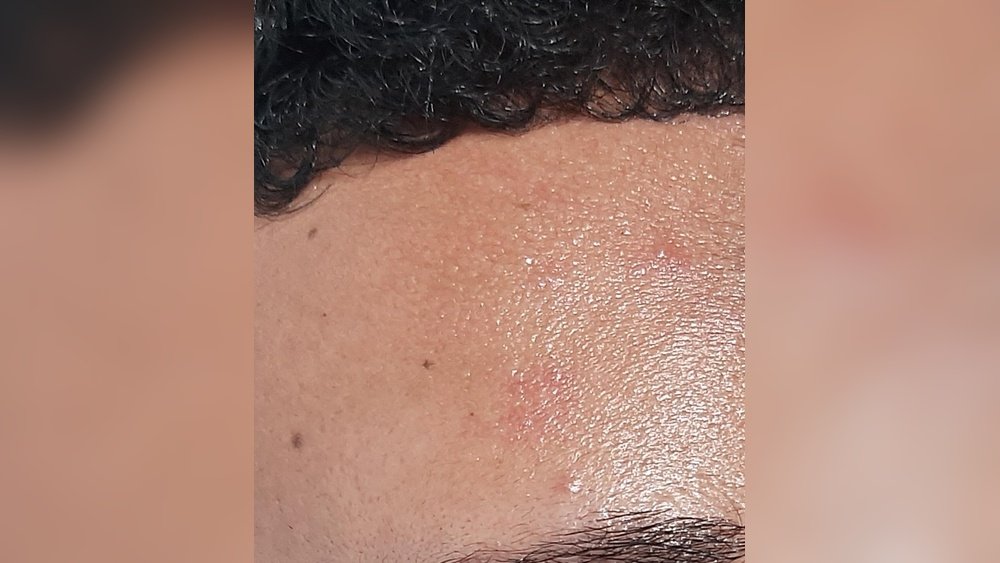
Have you ever touched your face and noticed it feels oddly waxy or sticky? It’s not just in your head—this strange texture can be frustrating and confusing.
You might wonder, “Why does my face feel waxy? ” The answer isn’t always simple. It could be due to too much oil, the products you’re using, or even something more serious like a skin condition. But don’t worry—you’re about to learn exactly what causes that waxy feeling and, most importantly, what you can do about it.
Keep reading to uncover the surprising reasons behind your skin’s texture and how to get back to smooth, comfortable skin you’ll love to touch.

Credit: www.reddit.com
Common Causes Of Waxy Skin
Waxy skin texture can feel strange and uncomfortable. Many factors cause this unusual sensation. Understanding these causes helps you manage and care for your skin better.
Below are common reasons why your face might feel waxy. Each factor affects your skin in a unique way.
Excess Sebum Production
Sebaceous glands make sebum to keep skin soft. Too much sebum creates a greasy, waxy feel. Genetics, hormones, and stress can increase sebum levels. Weather changes also influence oil production. Excess oil blocks pores and changes skin texture.
Over-exfoliation Effects
Exfoliating removes dead skin cells and oils. Doing this too often or harshly strips skin’s natural barrier. This leaves skin shiny and waxy because it is not fully healed. Over-exfoliation causes irritation and rough patches. Skin needs balance to stay healthy.
Impact Of Skincare Products
Some skincare products clog pores or add too much oil. Heavy creams and oily makeup build up on skin. This causes a sticky, waxy layer. Choose gentle, non-comedogenic products instead. Watch for ingredients that might worsen waxy texture.
Skin Conditions Like Scleroderma
Scleroderma is a rare disease that thickens the skin. It causes hard, waxy patches that feel stiff. This condition affects connective tissue under the skin. Localized scleroderma creates yellowish, waxy areas. Medical advice is important for proper treatment.
Hormonal Influences
Hormonal changes affect oil glands and skin texture. Pregnancy, puberty, and stress cause hormone shifts. These shifts increase oil production and skin thickness. Hormones can create a waxy or greasy face feel. Hormonal balance is key to healthy skin.
Hard Water Residue
Hard water contains minerals like calcium and magnesium. These minerals leave a film on skin after washing. This residue makes skin feel sticky or waxy. Using a water softener or filtered water helps. Clean water keeps skin feeling fresh and smooth.

Credit: www.evolvebeauty.com
Role Of Sebum In Skin Texture
Sebum plays a key role in how your skin feels and looks. It is an oily substance made by your skin. Sebum helps to keep skin soft and hydrated. But too much sebum can make your face feel waxy and greasy. Too little sebum can cause dryness and roughness.
The balance of sebum affects your skin texture daily. It protects skin from dryness and outside damage. Sebum also helps to keep the skin smooth by locking in moisture. Understanding sebum is important to manage a waxy skin feeling.
Sebaceous Glands And Oil Balance
Sebum is produced by sebaceous glands in your skin. These glands are connected to hair follicles all over your body. They release oil to the skin surface to keep it moisturized.
When sebaceous glands work too hard, they produce extra oil. This extra oil can build up and make skin feel oily or waxy. If glands produce too little, skin can become dry and flaky. Oil balance is essential for healthy skin texture.
Genetic And Environmental Factors
Your genes influence how much sebum your skin produces. Some people naturally have oilier skin. Others have drier skin due to their genetic makeup.
Environment affects sebum production too. Hot weather can increase oil production. Cold weather can dry out skin and reduce oil. Stress and hormones also change sebum levels. These factors combine to affect your skin’s texture and feel.
Effects Of Over-exfoliating
Over-exfoliating can cause your skin to feel waxy and uncomfortable. Removing too many layers of dead skin disrupts your skin’s natural balance. This leads to changes in texture and appearance. Understanding these effects helps you avoid skin damage and maintain a healthy glow.
Stripping Natural Oils
Excessive exfoliation removes the skin’s natural oils. These oils protect and hydrate your skin. Without them, skin becomes dry and tight. To compensate, your skin produces more oil. This excess oil can create a waxy, shiny surface. Over time, this cycle damages your skin’s barrier.
Exposing Sensitive Skin Layers
Over-exfoliation can strip away the top skin layers. This exposes sensitive, fragile skin underneath. These layers are more prone to irritation and redness. The skin may feel rough or waxy as it tries to heal. It also becomes more vulnerable to environmental damage and bacteria.

Credit: www.reddit.com
How Skincare Products Affect Your Skin
Skincare products play a key role in how your skin feels and looks. Using the wrong products can cause your face to feel waxy. Some ingredients create a barrier that traps oils and sweat. This can make the skin surface feel thick and sticky. Choosing the right products helps keep your skin balanced and healthy.
Products with heavy oils or waxes can block pores. This leads to buildup and a shiny, waxy texture. On the other hand, gentle formulas support your skin’s natural moisture without clogging. Understanding product labels helps you avoid ingredients that cause waxiness.
Non-comedogenic Vs. Pore-clogging
Non-comedogenic products do not block pores. They allow your skin to breathe and stay clear. These products usually have lighter oils or are water-based. Pore-clogging products often contain heavy oils, waxes, or silicones. These ingredients trap dirt and oil inside pores. Over time, this buildup can create a waxy feel on your face.
Look for labels that say “non-comedogenic” or “won’t clog pores.” These help reduce the chance of waxy skin. Avoid products with petrolatum, mineral oil, or lanolin if your skin feels heavy or sticky.
Choosing Gentle Cleansers
Cleansers remove dirt and excess oil from your skin. Harsh cleansers strip away natural oils, causing your skin to overproduce sebum. This can make your face feel waxy and greasy. Gentle cleansers clean without stripping moisture. They keep your skin soft and balanced.
Choose cleansers with mild ingredients like glycerin or ceramides. Avoid those with strong detergents or alcohol. Use lukewarm water to wash your face, not hot water. This helps protect your skin’s natural barrier and prevents waxy buildup.
Lifestyle Changes To Improve Skin Texture
Improving the texture of your skin often starts with simple lifestyle changes. Small adjustments in daily habits can reduce waxy feelings and promote healthier skin. These changes support your skin’s natural balance and help maintain a smooth, fresh appearance.
Focus on what you eat, the water you use, and how you care for your skin. Each area plays a key role in skin texture. Making mindful choices can lead to noticeable improvements over time.
Diet Adjustments
Your diet affects your skin’s oil production and texture. Eating fewer dairy products and red meats may reduce excess oil. Include more fruits, vegetables, and whole grains for better skin health. Foods rich in antioxidants help fight skin inflammation and damage. Avoiding sugary and processed foods can also prevent oily, waxy skin.
Water Filtration Benefits
Hard water contains minerals that leave a residue on your skin. This residue can create a waxy, sticky feeling after washing. Using a water filter or showerhead filter removes these minerals. Filtered water helps keep your skin clean and balanced. This simple change can reduce buildup and improve skin texture.
Skincare Routine Tweaks
Choose gentle, non-comedogenic cleansers that do not clog pores. Avoid harsh scrubs that strip your skin’s natural oils. Use water-based moisturizers to hydrate without heaviness. Limit exfoliation to 1-2 times per week to prevent over-exfoliating. These small tweaks help maintain your skin’s protective barrier and reduce waxy buildup.
When To See A Dermatologist
Knowing when to see a dermatologist is key to managing unusual skin textures. A waxy feeling on your face might signal more than just dry or oily skin. Professional advice helps prevent worsening symptoms and ensures proper treatment. Watch for warning signs that need expert care.
Signs Of Scleroderma
Scleroderma causes thick, hard skin patches that look waxy. These patches may feel tight and limit movement. Skin may appear shiny or yellowish in the affected areas. Other symptoms include swelling, redness, and slow healing wounds. Early diagnosis can help control the disease and protect your skin.
Persistent Waxy Skin Issues
If your face feels waxy for weeks despite good skincare, see a dermatologist. Persistent waxy texture can signal underlying skin problems or allergies. It may result from clogged pores, infections, or reactions to products. A doctor can diagnose the cause and recommend treatment. Avoid self-medicating to prevent further irritation or damage.
Frequently Asked Questions
Why Does My Skin Feel Waxy?
Your skin feels waxy due to excess oil, over-exfoliation, clogged pores, hormonal changes, or hard water residue. Certain conditions like scleroderma also cause waxy skin. Adjust skincare and consult a dermatologist if it persists.
Why Does My Face Skin Look Waxy?
Waxy skin often results from excess oil, over-exfoliation, or using pore-clogging skincare products. Hormonal changes and hard water can also cause this texture. Some skin conditions like scleroderma lead to thick, waxy skin. Adjust skincare and consult a dermatologist if symptoms persist.
What Does Waxy Skin Mean?
Waxy skin means your skin feels thick, shiny, and greasy due to excess oil, over-exfoliation, or certain skin conditions.
Why Does My Face Suddenly Feel Textured?
Your face may feel textured due to excess oil, over-exfoliation, clogged pores, hormonal changes, or hard water residue.
Conclusion
A waxy texture on your face can come from many causes. Excess oil, harsh skincare, or hard water may be behind it. Simple changes in your routine can help improve your skin feel. Use gentle products and avoid too much exfoliation.
Drinking enough water and eating healthy may also support better skin. If the waxy feeling stays or worsens, see a dermatologist for advice. Taking care of your skin with patience leads to healthier, more comfortable skin.