

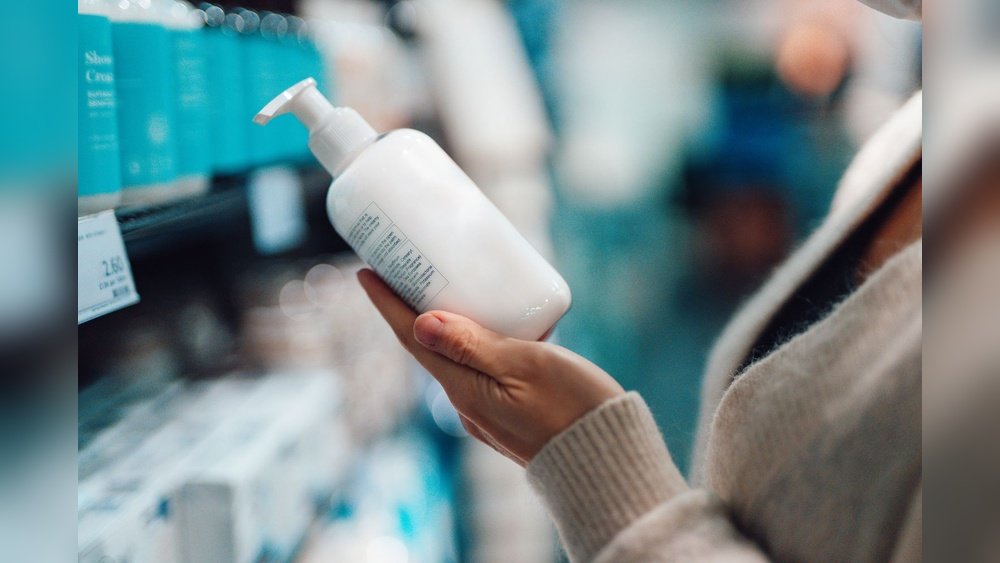
You might have noticed the term “clean label” popping up on your favorite cosmetic products and wondered, what does it really mean? If you care about what goes on your skin and want to make smarter choices, understanding clean label cosmetics is key.
This concept goes beyond just fancy marketing—it’s about simplicity, transparency, and using ingredients you can actually recognize and trust. But how do you know if a product is truly clean? And does clean label mean safer or better for your skin?
Keep reading, because we’re breaking down everything you need to know to decode those labels and feel confident about what you put on your face every day.
Credit: evesa.com
Clean Label Basics
Clean label cosmetics focus on simplicity and transparency. These products use ingredients that are easy to recognize and understand. They avoid complex chemicals and harsh substances. The goal is to create safe, gentle, and natural skincare and beauty options.
Consumers want to know what goes into their products. Clean label cosmetics provide clear information and honest ingredient lists. This builds trust and confidence in the products they choose.
Simple Ingredients
Clean label cosmetics use simple ingredients. These are items you might find in your kitchen or garden. For example, oils from plants, natural butters, and gentle extracts. The ingredient list is short and easy to read. This helps consumers feel safe about what they apply to their skin.
No Artificial Additives
These cosmetics avoid artificial additives. No synthetic colors, fragrances, or preservatives are included. Artificial additives can irritate the skin or cause allergies. Clean label products use fewer chemicals to reduce risks. This makes them better for sensitive skin and overall health.
Natural Alternatives
Natural alternatives replace synthetic ingredients in clean label cosmetics. For example, plant-based oils instead of mineral oils. Natural extracts add fragrance without artificial scents. Natural preservatives help keep the product safe and fresh. These alternatives support eco-friendly and skin-friendly choices.

Credit: organicallybecca.com
Key Features Of Clean Label Cosmetics
Clean label cosmetics are designed to be simple, clear, and trustworthy. They focus on natural ingredients and avoid complex chemical names. This approach helps customers feel confident about what they put on their skin. Below are some key features that define clean label cosmetics.
Short Ingredient Lists
Clean label cosmetics use fewer ingredients. The lists are simple and easy to read. This helps consumers understand exactly what is inside each product. Short ingredient lists reduce the chance of harmful or unnecessary chemicals. They also make the product feel more natural and gentle on the skin.
Transparency And Trust
Brands that offer clean label cosmetics are open about their ingredients. They provide clear information on every component used. This transparency builds trust with customers. People want to know what they apply to their skin and how it was made. Honest labeling removes confusion and supports better choices.
Familiar Components
The ingredients in clean label cosmetics are often familiar and natural. These include oils, plant extracts, and gentle preservatives. Many ingredients are ones you might recognize from your kitchen or garden. Using known components reassures customers about safety and quality. This focus on familiarity makes clean label products more appealing.
Clean Label Vs Organic
Clean label and organic cosmetics both promise purity and safety. Many people confuse these terms. Both aim to reduce harmful ingredients. Yet, they follow different rules and goals. Understanding these differences helps in making smart choices.
Different Standards
Clean label cosmetics focus on simple ingredients. They use natural, recognizable components. No artificial colors, flavors, or preservatives appear in the list. Organic cosmetics follow strict farming and production rules. They require ingredients grown without synthetic pesticides or fertilizers. Clean label has no legal definition. Organic products must meet government or third-party standards.
Health Implications
Clean label products avoid suspicious additives. This lowers the risk of skin irritation. Yet, clean label does not guarantee all ingredients are natural. Organic cosmetics reduce exposure to chemicals from farming. They often contain fewer synthetic substances. Both types aim to be safer but do not promise allergy-free or non-toxic.
Certification Differences
Clean label cosmetics usually have no official certification. The term depends on brand honesty and transparency. Organic cosmetics carry labels from certifying bodies. Examples include USDA Organic or COSMOS Organic. These certifications require audits and strict compliance. Consumers can trust organic labels more easily. Clean label relies on clear ingredient lists and brand reputation.
Challenges In Clean Label Claims
Clean label cosmetics aim to offer products with simple, natural ingredients. Many brands promote these products as safer and healthier. Yet, making clean label claims is not without challenges. These challenges affect brands, regulators, and consumers alike. Understanding these issues helps consumers make better choices.
Lack Of Official Definition
There is no legal or official definition for clean label cosmetics. Each brand can decide what “clean” means to them. This causes confusion and inconsistency across the market. Some products may claim to be clean but contain questionable ingredients. Without clear standards, consumers cannot be sure what they are buying.
Marketing Vs Reality
Brands often use clean label claims to attract customers. Marketing may highlight natural or simple ingredients. Yet, some products still contain synthetic chemicals or allergens. Clean label marketing can exaggerate benefits and hide drawbacks. This gap between marketing and reality makes it hard to trust product claims.
Consumer Misconceptions
Many consumers believe clean label means organic or 100% natural. This is not always true. Clean label focuses on fewer and familiar ingredients, not certification. Some may think clean label products are always safer or better for skin. Misunderstandings can lead to wrong product choices and disappointment.
Top Clean Label Cosmetic Brands
Top clean label cosmetic brands focus on natural, simple, and safe ingredients. These brands meet consumer demand for transparency and trust. Their products avoid harmful chemicals and artificial additives. Many brands highlight their ingredient sources clearly on the label. Choosing the right brand helps ensure skin-friendly, eco-conscious beauty routines.
Certified Organic Options
Certified organic brands use ingredients grown without synthetic pesticides. They follow strict farming and processing rules. Organic certification guarantees ingredient purity and environmental care. Popular certified brands include Dr. Bronner’s, Juice Beauty, and 100% Pure. These brands provide clean, natural beauty with verified organic content.
Popular Transparent Brands
Transparent brands openly share all ingredients and sourcing details. They avoid vague terms and hidden chemicals. Brands like Beautycounter, Herbivore, and RMS Beauty lead in transparency. They educate customers on ingredient benefits and safety. This openness builds trust and supports informed choices.
Third-party Verifications
Third-party verifications add credibility to clean label claims. Organizations like EWG, COSMOS, and USDA verify ingredient safety and sourcing. Verified brands meet rigorous standards and avoid harmful substances. Look for seals from these groups for extra assurance. Verified products offer peace of mind for clean beauty shoppers.

Credit: www.gcimagazine.com
Frequently Asked Questions
What Does “clean Label” Mean?
“Clean label” means a product has simple, natural ingredients without artificial colors, flavors, or preservatives. It promotes transparency but lacks an official definition.
What Is The Cleanest Makeup Brand?
The cleanest makeup brands use natural, non-toxic ingredients without harmful chemicals. Examples include RMS Beauty, Ilia, and Beautycounter. These brands prioritize transparency, sustainability, and safety, offering products free from parabens, sulfates, and synthetic dyes. Choose brands certified by trusted clean beauty organizations for the purest options.
What Does The Clean Label Mean At Sephora?
At Sephora, the clean label means products contain natural, recognizable ingredients without synthetic additives or harmful chemicals.
What Ingredients Are Avoided In Clean Label Products?
Clean label products avoid artificial colors, flavors, preservatives, synthetic additives, and chemically modified ingredients. They use natural, recognizable components instead.
What Does “clean Label Cosmetic” Mean?
Clean label cosmetic means products with simple, natural ingredients and no artificial additives.
Why Are Clean Label Cosmetics Popular Now?
People want safer, clearer ingredients and more trust in what they apply on skin.
How Are Clean Label Cosmetics Different From Organic?
Clean label focuses on simple ingredients, not farming or certification like organic does.
Conclusion
Clean label cosmetics focus on simple, natural ingredients you recognize. They avoid artificial colors, flavors, and preservatives. The goal is to offer transparency and build trust with consumers. Remember, clean label does not guarantee a product is organic or healthier.
Each brand may interpret clean label slightly differently. Choosing these products supports a more honest approach to beauty care. Understanding clean label helps you make informed choices for your skin. It’s about clarity, simplicity, and natural care you can see.