

Have you ever wondered why some formulas last longer, feel smoother, or deliver better results? The secret often lies in a special ingredient called a chelating agent.
If you’re mixing your own skincare, cleaning products, or even working with complex chemical formulas, understanding what a chelating agent does can transform your results. These powerful compounds capture and neutralize metal ions that can spoil your formula’s stability and effectiveness.
Curious to know how they work and why they’re essential in your formulations? Keep reading to unlock the science behind chelating agents and learn how they can take your formula from ordinary to outstanding.
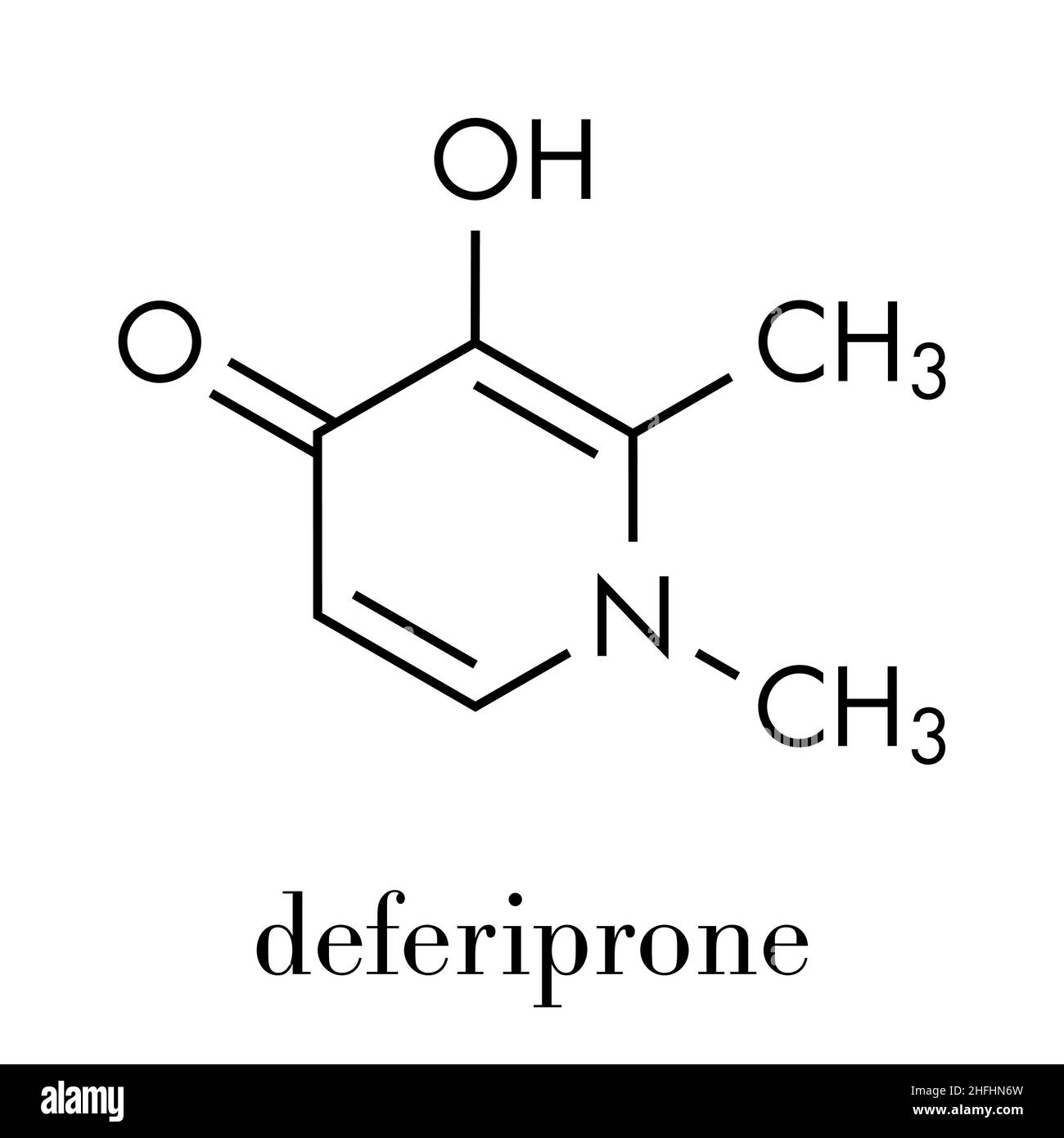
Credit: www.alamy.com
Role In Formulas
Chelating agents play a key role in many formulas. They help control metal ions that can cause problems. These agents improve product quality and performance. Understanding their role helps create better, safer formulas.
Binding Metal Ions
Chelating agents bind tightly to metal ions. They form stable complexes that stop metals from reacting. This action prevents unwanted chemical changes. It keeps the formula pure and effective.
Preventing Contamination
Metal ions can cause contamination in formulas. Chelating agents trap these ions, reducing contamination risks. This helps keep formulas clean and safe. It also prevents discoloration and odor caused by metals.
Enhancing Stability
Chelating agents improve formula stability over time. They stop metal ions from breaking down ingredients. This protection keeps formulas fresh and effective longer. It supports consistent product performance for users.
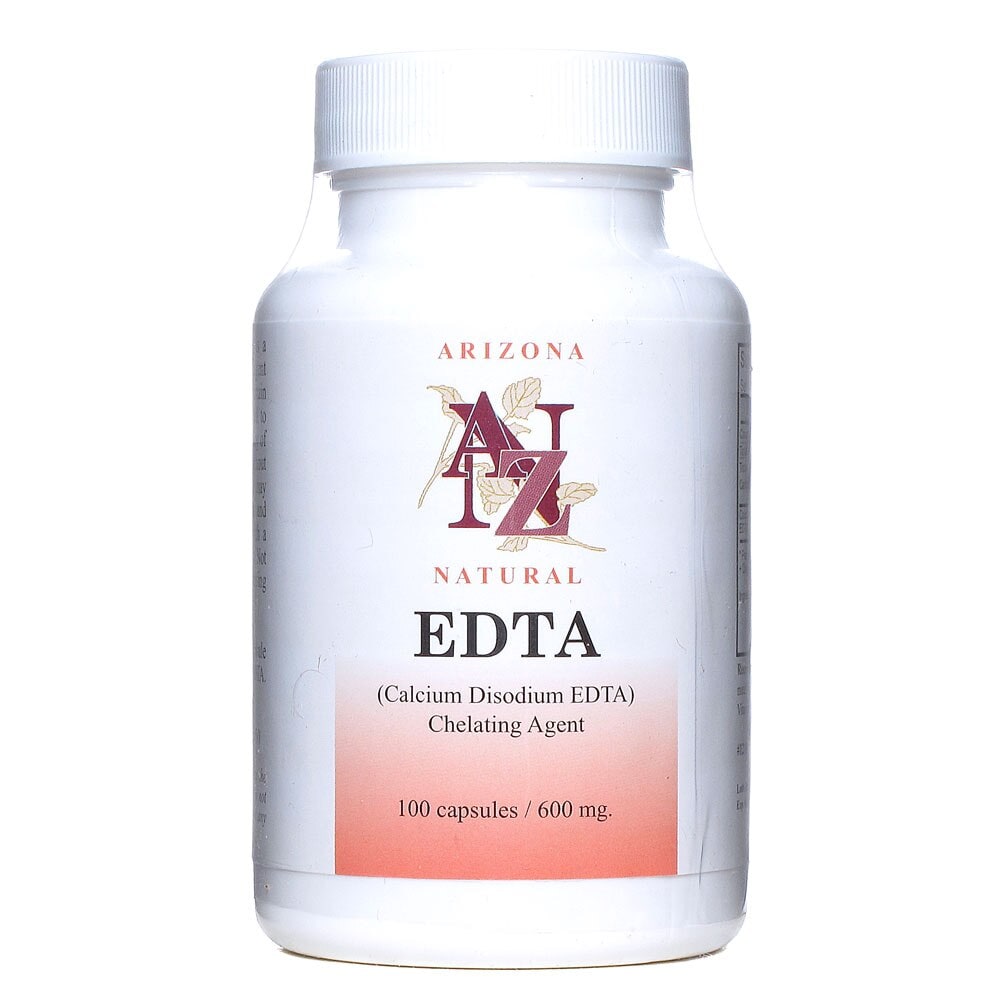
Credit: www.food4less.com
Common Types
Chelating agents play a vital role in many formulas. They bind metal ions to improve product stability. Different types of chelators suit various applications. Understanding common types helps in choosing the right one for your formula.
Edta Variants
EDTA stands for ethylenediaminetetraacetic acid. It is one of the most widely used chelating agents. Variants like disodium EDTA and calcium disodium EDTA exist. These forms differ in solubility and metal-binding strength. EDTA variants effectively bind metals like iron and calcium. They prevent metal-catalyzed spoilage in cosmetics and cleaning products.
Natural Chelators
Natural chelating agents come from plant or microbial sources. Examples include citric acid and phytic acid. These agents are biodegradable and safe for sensitive skin. Natural chelators work well in organic and green formulations. They bind minerals gently while supporting product freshness.
Synthetic Options
Synthetic chelators are man-made chemicals designed for strong metal binding. Examples include gluconates and polyphosphates. These are used where stronger or specific metal control is needed. Synthetic agents offer stability and versatility in formula design. They help prevent discoloration and extend shelf life effectively.
Chemical Properties
Chelating agents have unique chemical properties that define their role in formulas. These properties allow them to bind metal ions effectively. Understanding these properties helps explain how chelating agents work in various applications.
Their behavior depends on their structure, bonding, and interaction with metals. These factors influence their stability and effectiveness in formulas.
Structure And Bonding
Chelating agents contain multiple binding sites called ligands. These ligands are atoms with lone pairs of electrons. Common atoms include nitrogen, oxygen, and sulfur.
The ligands form coordinate covalent bonds with metal ions. This means the ligand donates both electrons for the bond. The structure often forms ring-like shapes around the metal.
Formation Of Chelates
Chelates form when a chelating agent wraps around a metal ion. This creates a stable complex that holds the metal tightly. The process is called chelation.
Multiple bonds form between the metal and the agent. This multi-point attachment is stronger than single bonds. It prevents the metal from reacting freely in the formula.
Interaction With Metals
Chelating agents selectively bind metal ions based on size and charge. They can capture metals like iron, calcium, and magnesium. This stops these metals from causing unwanted reactions.
The interaction improves product stability and effectiveness. It also helps prevent discoloration and degradation in formulas.
Applications In Cosmetics
Chelating agents play a vital role in cosmetic products. They help maintain product quality and performance. These agents work by binding metal ions that may harm the formula. This section explores key applications of chelating agents in cosmetics.
Protecting Ingredients
Metal ions in water and raw materials can damage active ingredients. Chelating agents capture these metals, preventing reactions. This protection keeps ingredients stable and effective. It also stops discoloration and odor caused by metals.
Improving Shelf Life
Exposure to metals can speed up product spoilage. Chelating agents slow down oxidation and degradation processes. This extends the shelf life of creams, lotions, and shampoos. Consumers receive fresh and safe products for longer periods.
Compatibility With Formulas
Formulating cosmetics requires balancing many ingredients. Chelating agents improve ingredient compatibility by neutralizing harmful metals. They ensure that formulas stay smooth and homogenous. This helps maintain texture and performance over time.
Choosing The Right Agent
Choosing the right chelating agent is vital for effective formulas. Each agent works best under specific conditions. Selecting the wrong agent can reduce performance or cause instability. Understanding key factors helps make an informed choice.
Consider the formula’s environment and goals carefully. This ensures the chelating agent meets the formula’s needs and safety standards.
Formula Ph Considerations
The pH level affects chelating agents’ efficiency. Some agents work well in acidic conditions. Others perform better in neutral or alkaline environments. Check the agent’s stability range before choosing. Incorrect pH can cause breakdown or loss of chelation.
Target Metal Ions
Identify which metal ions need binding or removal. Different agents target specific metals like calcium, iron, or magnesium. Match the chelating agent to the metal ions present. This improves formula effectiveness and protects ingredients from metal damage.
Safety And Regulations
Safety is essential in formula design. Some chelating agents have restrictions in certain countries or industries. Review regulatory guidelines for allowed substances and concentrations. Choose agents that are approved and safe for your product type. This avoids legal issues and protects consumers.

Credit: www.researchgate.net
Frequently Asked Questions
What Is The Role Of Chelating Agent In Formulation?
Chelating agents bind metal ions to prevent their adverse effects. They enhance formula stability and protect product quality.
What Exactly Does A Chelating Agent Do?
A chelating agent binds tightly to metal ions, forming stable complexes. It removes or neutralizes unwanted metals to improve stability and safety.
What Is The Most Common Chelating Agent?
The most common chelating agent is EDTA (ethylenediaminetetraacetic acid). It binds and removes metal ions effectively.
What Is The Chemical Formula Of The Chelating Agent?
The common chelating agent EDTA has the chemical formula C10H16N2O8. It binds metal ions tightly.
What Is A Chelating Agent In A Formula?
A chelating agent is a compound that binds metal ions to prevent reactions in formulas.
Why Are Chelating Agents Important In Cosmetics?
They stop metals from causing spoilage or color changes in cosmetic products.
How Do Chelating Agents Work In Formulas?
They capture metal ions, making them inactive and preventing unwanted chemical reactions.
Conclusion
Chelating agents play a key role in many formulas. They bind metal ions tightly to keep products stable. This prevents unwanted reactions and improves shelf life. Common chelators like EDTA are safe and effective. Using them ensures better performance in cosmetics and cleaners.
Understanding their function helps in choosing the right ingredients. Simple but powerful, chelating agents protect your formula’s quality. Always consider them when metals could cause problems. Their use leads to safer, longer-lasting products that work well.