

Are you struggling with dry, rough, or irritated skin? You’re not alone, and the right skincare can make a huge difference.
Emollients are key players in soothing and softening your skin, but what exactly are they? Knowing what emollients are and seeing real examples can help you choose the best products to keep your skin smooth and comfortable every day. You’ll discover simple, effective emollient examples that can transform your skincare routine.
Ready to unlock the secret to healthier skin? Let’s dive in.
Types Of Emollients
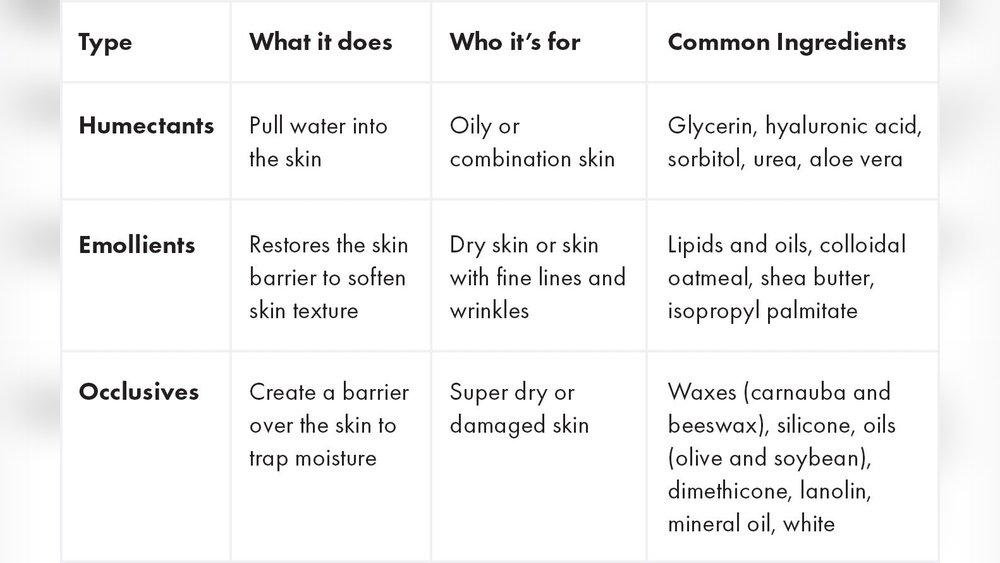
Emollients help keep skin soft, smooth, and hydrated. They come in different types based on how they work on the skin. Understanding these types can help you choose the right product for your skin needs.
Occlusives
Occlusives create a protective barrier on the skin surface. This barrier locks in moisture and stops water loss. They often feel thick and greasy. Common occlusives include petroleum jelly, mineral oil, lanolin, and liquid paraffin. These work well for very dry or cracked skin.
Humectants
Humectants attract water from the air or deeper skin layers. They increase the skin’s moisture content. Glycerin, hyaluronic acid, and urea are popular humectants. These ingredients help keep skin hydrated and plump. They are often found in creams and lotions.
Common Emollient Ingredients
Many emollients combine occlusives and humectants for better results. Examples include cocoa butter, shea butter, dimethicone, and lanolin. Oils like jojoba, almond, and coconut oil also act as emollients. These ingredients soften and smooth the skin while protecting it.

Credit: www.researchgate.net
Benefits For Skin
Emollients offer many benefits for your skin. They help keep skin healthy and comfortable. Using emollients regularly improves skin texture and hydration. They are especially helpful for dry or sensitive skin. Emollients work by softening the skin, reducing itchiness, and protecting against damage.
Softening And Smoothing
Emollients fill the gaps between skin cells. This action makes skin feel softer and smoother. Rough and flaky patches become less visible. Regular use helps maintain a healthy skin surface. Smooth skin looks better and feels more comfortable.
Relieving Dryness And Itching
Dry skin often causes itching and irritation. Emollients add moisture to dry areas. This reduces tightness and the urge to scratch. They calm irritated skin quickly. Using emollients stops dryness from worsening over time.
Protective Barrier Formation
Emollients create a thin layer on the skin’s surface. This layer acts as a shield against water loss. It also blocks harmful substances from entering. The skin stays hydrated longer and heals faster. This barrier helps keep skin strong and healthy.
Top Emollient Products
Emollients play a vital role in keeping the skin soft and smooth. They create a protective layer that locks in moisture. Many products use emollients to treat dry or rough skin. Choosing the right emollient product can improve skin health daily. Here are some top emollient products trusted by many for their effectiveness and gentle care.
Vaseline Original Healing Jelly
Vaseline Original Healing Jelly contains pure petrolatum. It seals moisture in the skin and helps heal chapped lips and dry patches. This product forms a thick, protective barrier on the skin’s surface. It is ideal for very dry or cracked skin. Gentle and affordable, Vaseline is suitable for all skin types.
Cerave Moisturizing Cream
CeraVe Moisturizing Cream combines emollients and ceramides. Ceramides help restore the skin’s natural barrier. It absorbs quickly without a greasy feel. This cream provides lasting hydration for dry and sensitive skin. Recommended by dermatologists, it supports skin repair and softness.
Vanicream Moisturizing Cream
Vanicream Moisturizing Cream is free from common irritants. It contains emollients that soothe and soften sensitive skin. Ideal for eczema or allergies, it avoids dyes, fragrances, and parabens. This cream offers gentle moisture without clogging pores. Perfect for those with delicate or reactive skin.

Credit: www.differencebetween.net
Choosing Emollients For Different Skin Types
Choosing the right emollient depends on your skin type. Different skin needs require different textures and ingredients. Using the correct emollient helps protect the skin and keeps it soft. It also supports healing and prevents dryness or irritation. Below are options for various skin types and conditions.
Dry Skin Solutions
Dry skin needs thick and rich emollients. Look for ointments or creams containing petrolatum or lanolin. These form a protective layer to lock in moisture. Cocoa butter and shea butter also work well. Avoid light lotions as they may not provide enough moisture. Apply emollients right after bathing to seal in water.
Sensitive Skin Options
Sensitive skin needs gentle emollients without fragrances or dyes. Choose products labeled hypoallergenic or for sensitive skin. Ingredients like colloidal oatmeal and glycerin soothe irritation. Avoid lanolin if allergic or prone to reactions. Mineral oil and dimethicone are usually safe choices. Patch test new products before full use.
Emollients During Pregnancy
Pregnant skin can become dry or itchy. Use safe emollients free from harmful chemicals. Look for products without parabens, SLS, or artificial fragrances. Colloidal oat creams and simple moisturizing creams are good options. Always consult a doctor if unsure about a product. Gentle care helps keep skin comfortable through pregnancy.
Emollients Vs Moisturizers
Understanding the difference between emollients and moisturizers helps you care for your skin better. Both improve skin health but serve unique roles. Knowing how they work guides you to pick the best product for your needs.
Differences In Function
Emollients soften and smooth the skin by filling gaps between skin cells. They make the skin feel softer and less rough. Moisturizers add water or moisture to the skin to prevent dryness. Moisturizers often contain emollients but also include humectants and occlusives. Emollients mainly improve texture, while moisturizers focus on hydration.
How They Work Together
Emollients and moisturizers complement each other to keep skin healthy. Emollients create a smooth surface for skin. Moisturizers lock in water to maintain skin hydration. Used together, they protect skin from dryness and irritation. This teamwork helps skin stay soft, smooth, and well-hydrated.
Selecting The Right Product
Choose emollients for rough, flaky, or cracked skin to improve softness. Pick moisturizers if your skin feels dry or tight and needs hydration. Check product labels to see if they contain emollients, humectants, or occlusives. Consider your skin type and condition before deciding. For very dry skin, products combining emollients and moisturizers work best.

Credit: indovacations.net
Frequently Asked Questions
What Are Some Good Emollients?
Good emollients include Vaseline, CeraVe Healing Ointment, Vanicream, lanolin, mineral oil, cocoa butter, and glycerin.
Is Vaseline An Emollient?
Yes, Vaseline is an emollient. It softens and smooths skin by forming a protective barrier that locks in moisture.
Are Emollients Safe During Pregnancy?
Emollients are generally safe during pregnancy. Choose products free from harsh chemicals like parabens, fragrances, and SLS to reduce irritation risk. Consult your healthcare provider for personalized advice.
What Is The Difference Between Moisturizer And Emollient?
Moisturizers add water to the skin, while emollients soften and smooth the skin’s surface. Emollients are often key ingredients in moisturizers.
What Are Common Examples Of Emollients?
Common emollients include petrolatum, lanolin, mineral oil, cocoa butter, and glycerin.
How Do Emollients Help Dry Skin?
Emollients soften and smooth skin by forming a protective layer that locks in moisture.
Are Vaseline And Mineral Oil Good Emollients?
Yes, Vaseline (petrolatum) and mineral oil are effective occlusive emollients.
Conclusion
Emollients help keep skin soft and smooth every day. Common examples include petroleum jelly, lanolin, and cocoa butter. They create a protective layer to lock in moisture. Many creams and ointments use these ingredients. Using emollients can reduce dryness and itching effectively.
Choose the type that suits your skin best. Regular use supports healthy and comfortable skin. Simple, natural emollients often work well for most people. Understanding these examples helps you care for your skin better.