

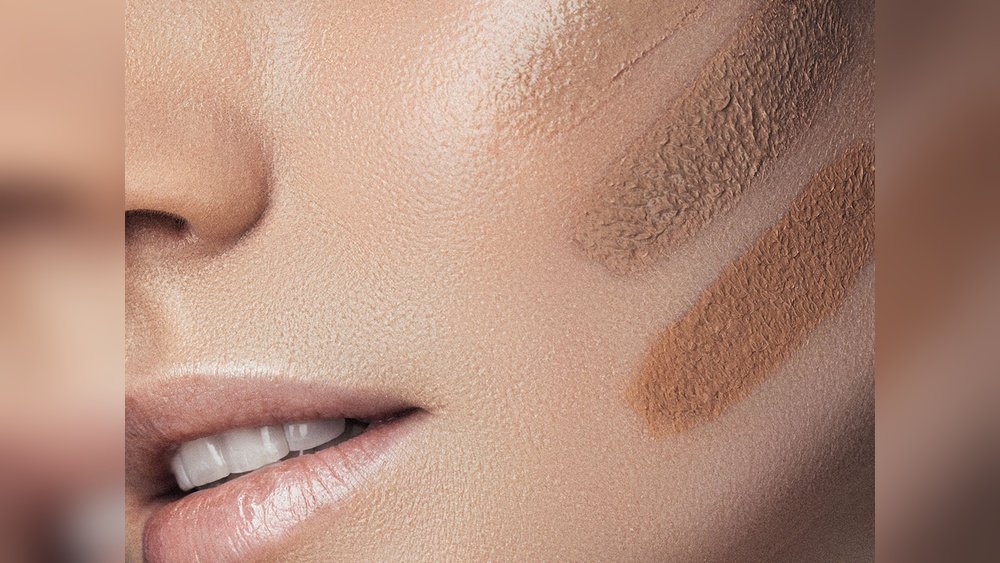
If you struggle with textured skin, you know how tricky it can be to get your makeup to look smooth and flawless. You might feel like your foundation settles into every bump and pore, making your skin imperfections stand out more.
But what if you could turn those challenges into your makeup’s best advantage? With the right tips and techniques, you can create a beautiful, even finish that enhances your natural glow. Keep reading to discover simple, effective makeup tips that will help you master your textured skin and boost your confidence every time you apply your makeup.
Your flawless look starts here!
Prepping Textured Skin
Prepping textured skin is key to achieving a smooth makeup look. Proper preparation helps reduce the appearance of bumps and uneven areas. It creates a flawless canvas for foundation and other products. Clean, hydrated skin absorbs makeup better and lasts longer. Follow simple steps to calm and soften textured skin before makeup application.
Hydrating And Exfoliating
Hydration improves skin elasticity and smoothness. Use a gentle moisturizer suited for your skin type. Apply it evenly and allow it to absorb fully. Exfoliation removes dead skin cells that can cause texture. Choose a mild exfoliant and use it two to three times a week. Avoid harsh scrubs that can irritate and worsen texture. Soft, hydrated skin helps makeup blend seamlessly.
Choosing The Right Primer
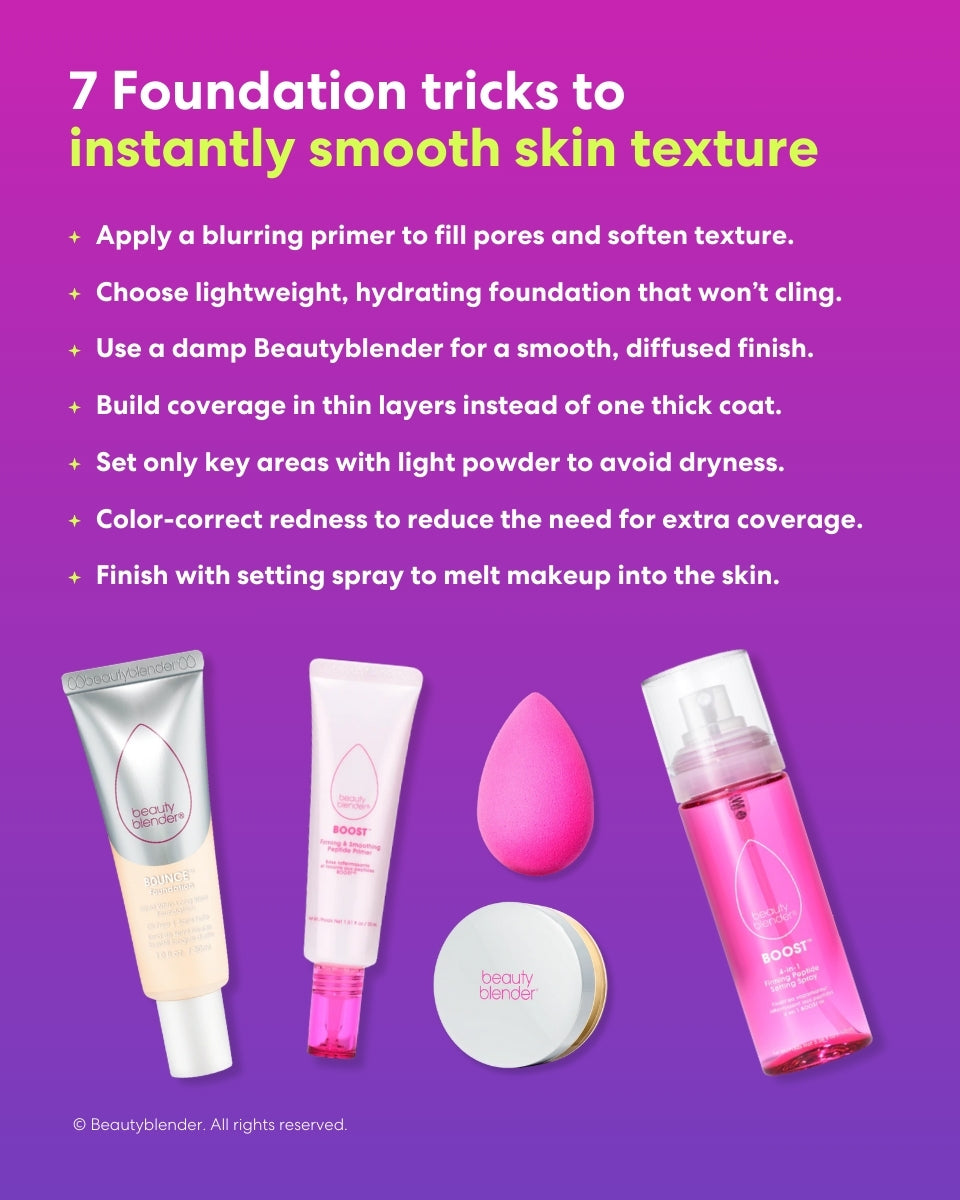
Primers create a smooth base for makeup. Select a primer formulated to fill pores and smooth bumps. Silicone-based primers work well for textured skin. They blur imperfections and provide a soft finish. Apply primer in thin, even layers only where needed. This prevents cakey buildup and keeps skin looking natural. Using the right primer helps makeup stay put and look flawless all day.
Foundation Choices
Choosing the right foundation is key for textured skin. The foundation you pick can highlight or soften skin texture. It affects the finish and how your skin feels all day. Good foundation choices create a smooth look without feeling heavy or cakey. Let’s explore different foundation finishes and formulas that work best for textured skin.
Matte Vs Dewy Finishes
Matte foundations reduce shine and help hide bumps. They give a smooth, flat surface that masks uneven texture. Matte finishes are great for oily or combination skin types. They keep your makeup looking fresh longer by controlling oil.
Dewy foundations add a healthy glow and moisture to the skin. They give a radiant, natural finish that brightens dull areas. Dewy finishes work well on dry or normal skin. They can highlight texture if your skin is very uneven.
For textured skin, choose a finish based on your skin type and desired look. Matte helps blur texture. Dewy adds softness but may need extra care to avoid emphasizing bumps.
Lightweight Formulas
Heavy foundations settle into lines and pores, making texture stand out. Lightweight formulas feel comfortable and breathable on the skin. They blend easily and layer well without caking.
Look for foundations labeled “light coverage” or “buildable.” These let you control how much you apply and avoid a thick mask. Liquid or serum foundations often work best.
Use a damp sponge to apply lightweight foundation. This helps even out the skin without wiping away coverage. Less is more for textured skin to keep a smooth, natural finish.
Application Techniques
Applying makeup on textured skin requires gentle and precise techniques. The right methods help smooth the look and keep the makeup lasting longer. Avoid harsh movements that can highlight texture or cause makeup to settle unevenly.
Focus on techniques that build coverage without disturbing the skin’s natural surface. Using tools correctly makes a big difference in achieving a flawless finish.
Using Sponges For Dabbing
Sponges work well to apply foundation on textured skin. They help press the product into the skin softly. Instead of dragging, gently dab the sponge on your face.
Dabbing spreads makeup evenly and prevents streaks. It also fills in rough patches without emphasizing bumps. Use a damp sponge for a smooth, natural look.
Pat the foundation lightly, building coverage gradually. This method avoids excess product that can settle into texture.
Avoiding Rubbing Or Swiping
Rubbing or swiping makeup on textured skin worsens the appearance. It can pull or lift dry patches and flakes. This makes texture more visible and uneven.
Always apply makeup with soft, tapping motions. Avoid dragging brushes or fingers across the skin. This gentle approach keeps the skin smooth and makeup intact.
Lightly pressing product into the skin helps blend without disturbing texture. This technique supports a natural, airbrushed finish.
Credit: beautyblender.com
Concealing Imperfections
Concealing imperfections on textured skin requires careful technique and the right products. The goal is to even out skin tone without emphasizing bumps or pores. Using gentle, precise methods helps create a smooth, natural look.
Focus on areas that need coverage but avoid heavy layers. This balances hiding flaws and keeping skin looking fresh. The following tips help you conceal spots and blur texture for flawless makeup.
Spot Concealing Tips
Use a small, pointed brush to apply concealer only on the blemish. Dab gently instead of rubbing to avoid disturbing surrounding makeup. Choose a creamy concealer with buildable coverage for best results.
Set the spot with a light dusting of translucent powder to prevent creasing. Avoid thick layers as they draw attention to texture. Blend edges softly to blend the spot into your skin naturally.
Blurring Texture
Start with a silicone-based primer to fill in pores and smooth uneven areas. Apply foundation with a damp sponge using a bouncing motion. This avoids moving product around and keeps texture less visible.
Use a lightweight, matte foundation to reduce shine on textured areas. Avoid heavy powders that can settle into bumps. Finish with a fine mist setting spray to melt makeup into the skin and soften texture.
Setting And Finishing
Setting and finishing are key steps for makeup on textured skin. They lock in your look and help control shine. Proper setting keeps makeup smooth and reduces the appearance of texture. Finishing products add a natural glow and help makeup last longer. Choosing the right products and techniques makes a big difference.
Powder Vs Setting Spray
Powder helps absorb oil and sets makeup in place. Use a finely milled powder to avoid clogging textured areas. Too much powder can make texture look worse. Light layers work best.
Setting spray locks makeup without adding extra texture. It adds a natural finish and prevents makeup from sliding off. Sprays with a hydrating formula help skin stay smooth. Spritz evenly and hold the bottle about 8 inches from your face.
Light Dusting For Longevity
A light dusting of powder extends makeup wear without heaviness. Tap your brush gently to remove excess product. Apply softly on oily areas and where makeup fades fastest.
Over-powdering can highlight bumps and dry patches. Keep the dusting thin for a natural look. This technique helps makeup stay fresh throughout the day.
Credit: www.gcimagazine.com
Additional Tips
These additional tips help enhance makeup on textured skin. They focus on brightening and shaping key areas. These simple steps improve your overall look and boost confidence.
Brightening The T-zone
The T-zone often looks dull or oily on textured skin. Use a lightweight, luminous concealer on this area. Pat gently with a damp sponge for a natural finish. Avoid thick formulas that settle into pores or lines. A soft glow here lifts the face and adds freshness.
Sculpting And Contouring
Contouring adds depth but must be done carefully on textured skin. Use cream contour products for smooth blending. Apply with a light hand and blend well with a sponge. Focus on under cheekbones and jawline to define features. Avoid harsh lines or heavy powders that highlight texture. Finish with a soft, translucent setting powder.

Credit: www.keoji.com.au
Frequently Asked Questions
How To Do Makeup On Textured Skin?
Start with a hydrating, smoothing primer to even skin texture. Apply lightweight, liquid foundation using a damp sponge by dabbing gently. Avoid rubbing to prevent emphasizing texture. Use minimal powder, focusing on blotting only. Finish with a setting spray to lock makeup and maintain a natural, flawless look.
How To Do Flawless Makeup Over Rough Skin?
Start with a hydrating primer to smooth rough skin. Apply lightweight liquid foundation using a damp sponge by dabbing. Spot-conceal imperfections gently. Finish with a setting spray to lock makeup and maintain a flawless look throughout the day.
Which Makeup Is Good For Textured Skin?
Choose a hydrating primer and lightweight liquid foundation for textured skin. Avoid powder foundations; use a damp sponge to apply makeup gently. Opt for dewy or matte finishes based on your skin’s dryness to achieve a smooth, natural look.
What Is The Best Foundation For Textured Skin?
The best foundation for textured skin is a lightweight, hydrating liquid with a blurring effect. Use a smoothing primer and apply with a damp sponge to avoid emphasizing texture. Avoid powder foundations, as they can settle into uneven skin and highlight imperfections.
What Is The Best Primer For Textured Skin?
A smoothing, silicone-based primer helps fill pores and fine lines for a smooth base.
How To Apply Foundation On Textured Skin?
Use a damp makeup sponge and gently dab foundation; avoid rubbing or swiping motions.
Conclusion
Applying makeup on textured skin takes patience and the right steps. Start with clean, well-moisturized skin for a smooth base. Use a primer made to blur and soften texture. Dab foundation gently with a sponge instead of rubbing. Light layers build coverage without caking.
Set makeup lightly with powder to avoid heaviness. Small touches like highlighting and contouring add dimension. Practice these simple tips to enhance your natural beauty. Remember, textured skin needs care and gentle application. You can achieve a fresh, flawless look every day.
Keep trying and find what works best for you.