

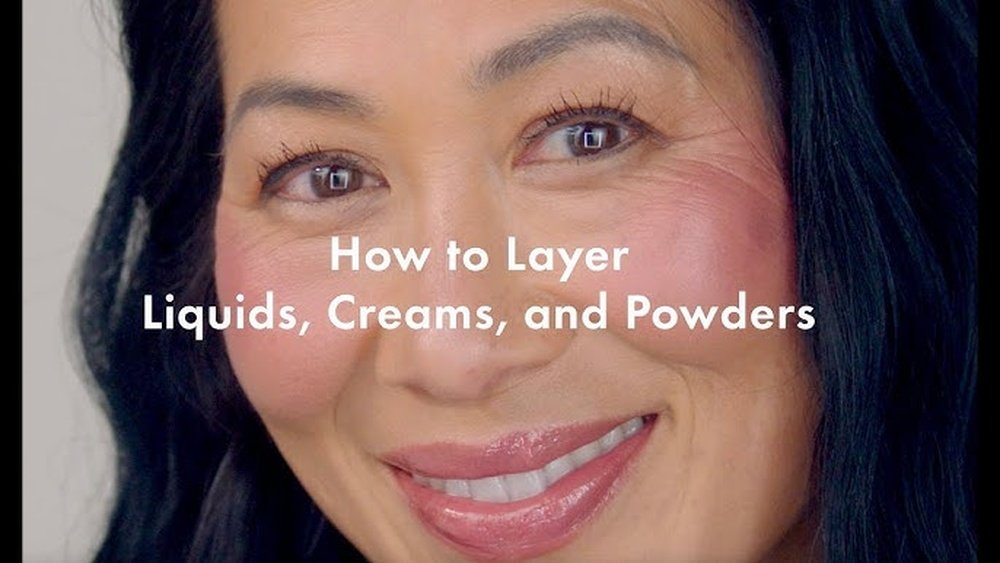
Are you struggling to get your makeup to look flawless all day? The secret might be in how you layer your cream and powder products.
When done right, this technique can give you a smooth, natural finish that lasts without feeling heavy or cakey. But if you don’t know the right steps, your makeup can end up patchy, lifting, or separating. You’ll discover simple, easy-to-follow tips that help you combine creams and powders perfectly.
Whether you want a glowing complexion or a matte finish, mastering this layering trick can transform your makeup routine. Ready to learn how to make your makeup stay fresh and flawless from morning to night? Keep reading!
Cream Before Powder
Applying cream products before powders is a key step for smooth makeup. Creams create a moist base that powders can set without drying out the skin. This order helps makeup last longer and look natural. Skipping this step can cause uneven texture or cakey patches. Follow simple rules to layer cream and powder for a flawless finish.
Order For Flawless Finish
Start with cream products like foundation, blush, or bronzer. These formulas blend easily and add a natural glow. After creams settle, apply powder to lock them in place. Powders help control shine and set the makeup. This order keeps the skin looking fresh and smooth all day. Avoid putting powder first; it can make creams look patchy or crumbly.
Avoiding Patchiness And Lifting
Applying cream before powder reduces patchiness and makeup lifting. Creams add moisture and create a smooth surface. Powder on top sets the cream without disturbing it. Applying powder too soon or too thick can lift the cream layer. This causes uneven spots and flakes. Let each cream product absorb fully before adding powder. This simple habit ensures your makeup stays flawless longer.

Credit: www.youtube.com
Choosing Cream Products
Cream products are a must for a smooth makeup base. They add moisture and create a soft look. Picking the right cream helps your makeup last longer.
Creams work well with powders, but the order matters. Start with cream to avoid cakey textures. This layering keeps skin fresh and glowing all day.
Hydrating Benefits
Cream makeup hydrates your skin deeply. It prevents dryness and tightness. This is great for all skin types, especially dry or mature skin.
Hydrated skin looks healthy and plump. Creams also help other products blend better. They create a smooth surface for powders to sit on.
Blending For Natural Glow
Blend cream products carefully for a natural finish. Use fingers or a damp sponge for best results. This softens edges and avoids harsh lines.
Blending creams first gives your skin a subtle glow. It looks like your skin, not makeup. Layer powder lightly to keep that fresh look.
Using Powder Products
Using powder products is a common step in makeup layering. Powders help set cream products and control shine. They also add a smooth finish to the skin. Applying powder correctly can improve your makeup’s look and wear time.
Setting And Longevity
Powders lock cream products in place. They absorb excess oils and reduce shine. This keeps makeup from sliding off your skin. Powder also helps blush, bronzer, and foundation last longer. It creates a matte or natural finish depending on the powder type.
Use a light hand to avoid a heavy look. Pressing powder gently keeps the cream underneath intact. Setting powders are best for oily skin. Translucent powders work well for all skin tones and types.
Potential Drawbacks On Texture
Powders can sometimes make skin look dry or cakey. Thick layers may highlight fine lines or texture. Powder over cream can cause patchiness if not blended well. Some powders may dull the natural glow of creams.
Choose finely milled powders to minimize texture issues. Apply sparingly and blend softly for a smooth finish. Avoid powder on very dry or flaky skin without proper hydration first.

Credit: www.amazon.com
Techniques For Layering
Layering cream and powder products creates a flawless makeup look. It adds depth and long-lasting wear. Using the right techniques helps products blend smoothly without caking.
Start with creams to hydrate and add color. Powders set the creams and control shine. The key is to balance both types for a natural finish.
Blending Tips
Use clean fingers or a damp sponge to blend cream products. Tap gently instead of rubbing to avoid streaks. Blend edges softly to merge with the skin.
Once creams are set, apply powder lightly with a fluffy brush. Use soft, circular motions for even coverage. Avoid heavy layers to keep the skin looking fresh.
Balancing Cream And Powder
Apply cream products first because they add moisture and glow. Follow with powder to lock the cream and control shine. Too much powder can make skin look dry or cakey.
Use powder only where needed, like the T-zone or under the eyes. This keeps the skin hydrated while reducing oiliness. Balance maintains a smooth, natural look all day.
Adjustments For Mature Skin
Mature skin needs special care when layering cream and powder products. The skin often becomes drier and shows fine lines more clearly. Choosing the right formulas and techniques helps makeup look fresh and smooth. These tips focus on keeping skin hydrated and avoiding unwanted texture.
Hydrating Formulas Priority
Pick cream and powder products that add moisture. Hydrating creams keep skin soft and plump. Use formulas with ingredients like hyaluronic acid or glycerin. These help skin hold water and look healthy. Avoid powders that feel dry or chalky. Apply a light moisturizing cream before makeup. This creates a smooth base for layering.
Avoiding Emphasis On Fine Lines
Fine lines can become more visible with heavy powders. Use powders sparingly and choose ones with a silky finish. Avoid thick, matte powders that settle into wrinkles. Apply cream products gently using a tapping motion. Blend well to prevent cakey areas. Focus powder on areas that need it most, like the T-zone. Keep the skin’s natural glow by layering lightly.

Credit: www.amazon.com
Common Mistakes To Avoid
Layering cream and powder products can enhance your makeup look. Yet, many make simple mistakes that affect the finish. Avoiding these errors ensures your makeup looks smooth and lasts longer. Below are common mistakes to watch out for.
Overusing Powder
Applying too much powder can make your skin look dry and cakey. Powder should set cream products, not cover them completely. Use a light hand and build gradually if needed. Excess powder can also cause your makeup to crack or flake.
Skipping Proper Blending
Blending cream and powder products well is key for a natural look. Harsh lines or patches happen when products are not blended properly. Use soft brushes or sponges to blend edges seamlessly. Take time to blend each layer before applying the next product.
Frequently Asked Questions
How To Layer Cream And Powder Products?
Apply cream products first and blend well. Follow with powder products to set and enhance longevity. Avoid switching back and forth to prevent patchiness and lifting. This method ensures a smooth, long-lasting finish.
Do You Do Cream Or Powder First?
Apply cream products first to create a smooth base. Follow with powder to set and enhance longevity without cakiness.
Can I Put Cream On Top Of Powder?
Yes, you can apply cream over powder to add hydration and a natural glow. Use this technique on dry skin for a fresh finish. Avoid layering cream and powder repeatedly to prevent patchiness or makeup lifting.
Is Cream Or Powder Makeup Better For Mature Skin?
Cream makeup suits mature skin best due to its hydrating, smooth finish. It blends well and reduces fine line visibility. Powder makeup can dry skin and highlight wrinkles, causing a cakey look. Choose cream for a natural, radiant appearance without emphasizing texture.
What Is The Best Order To Layer Cream And Powder Products?
Apply cream products first, then set with powder to avoid cakiness and ensure smooth blending.
Can I Use Powder Before Applying Cream Makeup?
Using powder before cream can cause patchiness and lifting; creams work best under powders.
Conclusion
Layering cream and powder products creates a balanced makeup look. Start with creams for hydration and smoothness. Then apply powders to set and add dimension. Avoid switching back and forth between both types. This keeps makeup fresh and prevents patchiness.
Practice blending well to achieve a natural finish. Simple steps lead to beautiful, long-lasting results. Experiment to find what works best for your skin. Consistency helps improve your technique over time. Enjoy the process of enhancing your look with layers.