

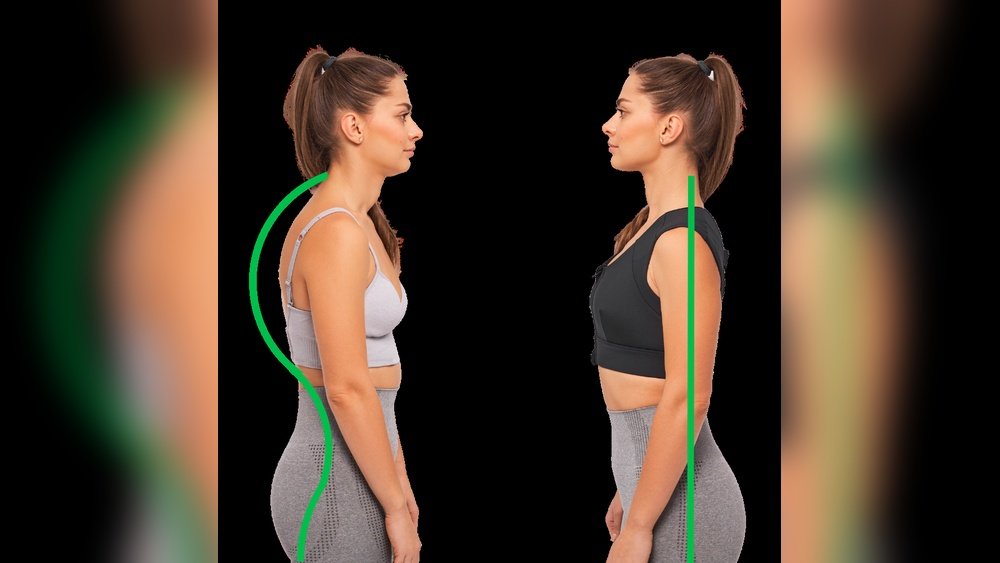
Have you ever noticed how your face looks tired or sagging after hours spent staring down at your phone or computer? What if the way you hold your body every day is silently affecting your facial appearance?
Poor posture doesn’t just cause back pain—it can pull down the skin and muscles on your face, leading to sagging jowls, double chins, and wrinkles. If you want to keep your face looking firm and youthful, understanding how your posture impacts facial sagging is crucial.
Keep reading to discover the surprising connection between your posture and your skin’s health—and simple steps you can take right now to turn back the clock on facial sagging.
How Posture Affects Facial Muscles
Poor posture affects more than just the spine. It has a direct impact on facial muscles. These muscles support the skin and shape the face. When posture is bad, these muscles weaken. The face can start to sag and lose its youthful look.
Facial muscles need proper alignment to stay firm. Slouching or leaning forward changes the way these muscles work. Over time, this leads to muscle strain and loss of tone. The skin then loses support and begins to droop.
How Forward Head Posture Strains Facial Muscles
Forward head posture pulls the neck and chin forward. This position causes tension in the jaw and neck muscles. It also weakens the muscles around the cheeks. The skin may lose its lift, causing jowls and sagging.
Effect Of Rounded Shoulders On Facial Appearance
Rounded shoulders push the chest inward and the head down. This compresses the neck and facial muscles. Reduced blood flow can make the skin look dull. Muscle fatigue adds to the sagging effect on the face.
Muscle Atrophy And Facial Sagging
Muscle atrophy means muscles shrink and lose strength. Poor posture speeds up this process in facial muscles. Less muscle mass means less support for the skin. This contributes to wrinkles and loose skin on the face.
Facial Tension From Poor Posture
Bad posture causes facial muscle tension and discomfort. Tight muscles can create deep lines and creases. Chronic tension affects how facial muscles move. This can worsen sagging and change facial expressions.

Credit: www.cutislaserclinics.com
Neck Strain And Skin Sagging
Poor posture often causes neck strain, which affects skin health. Holding the head forward or downward for long periods pulls on neck muscles. This constant strain weakens skin elasticity over time. Skin loses its firmness and starts sagging.
Neck strain reduces blood flow to the skin. Less blood flow means fewer nutrients reach skin cells. Skin becomes dry, thin, and more prone to wrinkles. These changes add to the sagging appearance around the jawline and neck.
How Neck Strain Leads To Facial Sagging
Neck strain tightens muscles but loosens skin support. The skin stretches unevenly, causing folds and creases. Gravity pulls on this loose skin, creating sagging jowls and double chin. Poor posture accelerates these effects by increasing muscle tension and skin stress.
Muscle Weakness And Skin Laxity
Muscle weakness in the neck weakens skin’s support structure. Weak muscles cannot hold skin tight against the bone. Over time, skin sags and droops. This sagging is more visible around the lower face and neck area.
Impact On Collagen And Elastin
Neck strain damages collagen and elastin fibers in the skin. These fibers keep skin firm and elastic. Damage reduces the skin’s ability to bounce back. The result is loose, saggy skin that ages the face prematurely.
Forward Head Posture And Jawline Changes
Forward head posture affects the jawline and facial appearance significantly. This posture happens when the head leans forward from the neck instead of aligning directly over the shoulders. It creates tension in neck and facial muscles. Over time, this tension can change the shape of your jaw and lower face.
The jawline may lose its sharpness and appear less defined. Skin around the jaw and neck can sag due to constant pulling and muscle strain. Forward head posture also encourages the formation of a double chin. These changes can make the face look older and tired.
How Forward Head Posture Causes Jawline Changes
With the head pushed forward, muscles supporting the jaw stretch out. This weakens them and lowers their tone. The skin loses support and starts to droop. The chin may appear recessed or pulled back, altering the natural jawline curve.
Effects On Facial Muscles And Skin
Facial muscles work harder to balance the head’s new position. This constant effort leads to muscle fatigue and tension. Over time, muscles lose elasticity, causing skin to sag. Wrinkles and folds may also form around the mouth and chin.
Long-term Impact On Facial Structure
Persistent forward head posture can reshape the lower face structure. Bone alignment shifts slightly, affecting jaw position. This can deepen jowls and marionette lines. The overall facial profile changes, making the face look heavier and less youthful.

Credit: www.castellanocosmeticsurgery.com
Facial Tension Linked To Poor Posture
Poor posture affects more than just your back and shoulders. It creates tension in your face muscles. This tension can pull and strain your skin. Over time, it may lead to facial sagging and wrinkles.
Facial tension linked to poor posture happens because muscles stay tight. This tightness reduces blood flow. Less blood flow means fewer nutrients reach your skin. Your skin loses firmness and elasticity. The result is sagging and drooping features.
How Forward Head Posture Causes Facial Muscle Strain
Forward head posture pushes your head ahead of your spine. This position forces facial muscles to work harder. The muscles around your jaw and neck tighten. Constant strain causes muscle fatigue and tension. This tension can pull the skin downward, causing sagging.
Effects Of Rounded Shoulders On Facial Appearance
Rounded shoulders change your upper body alignment. This posture compresses the chest and neck muscles. It also tightens muscles around your face. Tight muscles limit skin movement and reduce flexibility. This leads to early signs of sagging and fine lines.
Facial Tension And Its Role In Aging Skin
Tense facial muscles create deep lines and wrinkles. These lines become more visible over time. Tight muscles pull skin in unnatural directions. This causes uneven skin texture and loss of smoothness. Relaxed muscles help skin stay firm and youthful.
Simple Habits That Increase Facial Tension
Looking down at your phone or computer adds tension. Clenching your jaw or grinding teeth tightens muscles further. Stress and anxiety also make muscles contract. These habits worsen facial sagging and skin aging. Awareness and correction can reduce tension and improve skin health.
Improving Posture To Reduce Sagging
Improving posture plays a key role in reducing facial sagging. Poor posture strains neck and facial muscles. Over time, this strain causes skin to loosen and sag. Correcting your posture can ease muscle tension and support the skin.
Good posture aligns your head, neck, and spine properly. This alignment reduces stress on facial muscles. It also helps maintain skin elasticity and firmness. Small changes in daily habits can make a big difference.
Slouching or leaning forward tightens neck muscles. This tension pulls on the skin and soft tissues. It can cause jowls and double chin to appear sooner. Poor posture limits blood flow to the face. Less blood flow means fewer nutrients reach the skin. This slows down skin repair and collagen production.
Simple Posture Exercises To Support Your Face
Neck stretches help relieve tight muscles. Try gently tilting your head side to side. Shoulder rolls open the chest and reduce slouching. Chin tucks strengthen deep neck muscles. These exercises improve muscle tone and skin support. Doing them daily can slow down sagging.
Daily Habits To Maintain Good Posture
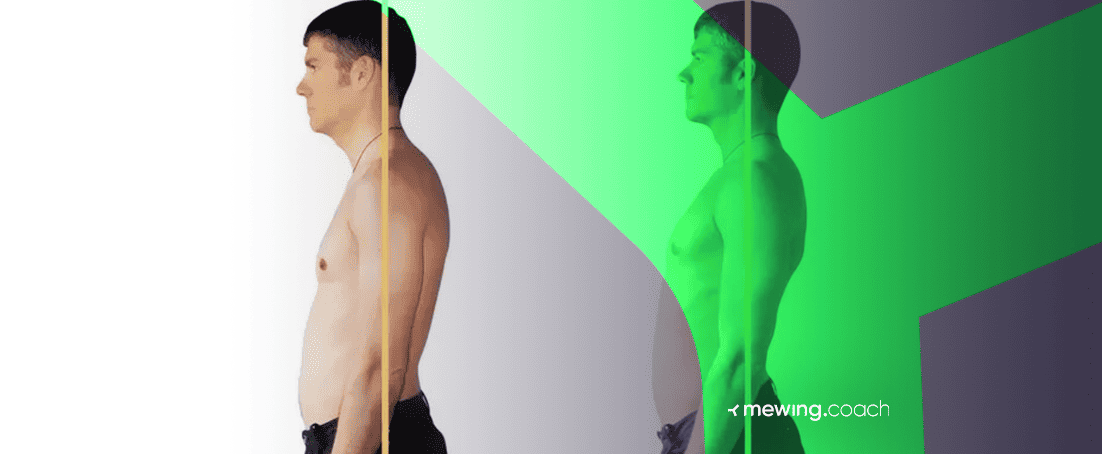
Keep your screen at eye level to avoid looking down. Sit with your back straight and shoulders relaxed. Take breaks to stand and stretch during long sitting periods. Use ergonomic chairs and desks to support posture. These habits protect your face from sagging effects.
Credit: mewing.coach
Frequently Asked Questions
Does Bad Posture Cause Facial Sagging?
Bad posture strains neck muscles and skin, increasing facial sagging risks like jowls and double chin over time.
Can Bad Posture Change Your Face?
Poor posture strains facial muscles and skin, causing sagging, wrinkles, and a drooping jawline over time. Correcting posture helps reduce these effects.
Is Facial Sagging Reversible?
Facial sagging cannot be fully reversed but can improve with skincare, facial exercises, and professional treatments. Maintaining good posture helps prevent worsening.
Can Poor Posture Cause Facial Tension?
Poor posture strains facial, jaw, and neck muscles, causing tension and discomfort. It can lead to chronic facial pain over time.
Does Poor Posture Cause Facial Sagging?
Poor posture strains neck muscles and skin, which can lead to sagging over time.
How Does Forward Head Posture Affect Facial Skin?
Forward head posture pulls skin down, causing wrinkles, sagging, and loss of firmness.
Conclusion
Poor posture affects more than just your spine and muscles. It can also cause facial sagging and wrinkles over time. Holding your head forward strains neck muscles and skin. This tension pulls the face down, leading to jowls and loose skin.
Correcting posture helps reduce these effects and supports a firmer appearance. Simple changes, like sitting straight and taking breaks, protect your face’s youthful look. Remember, good posture benefits both your health and your skin. Small habits make a big difference in preventing facial sagging.