How to Spot Fragrance in Ingredient List: Expert Tips Revealed
Have you ever picked up a skincare or hair product and wondered what’s really inside? If you’re trying to avoid fragrances because of allergies, sensitive skin, or just personal preference, knowing how to spot “fragrance” in the ingredient list is key.
But here’s the tricky part: “fragrance” isn’t just one ingredient. It’s a secret mix of many chemicals, often hidden behind that single word. This means you could be putting unknown substances on your skin without realizing it. You’ll learn simple, practical tips to identify fragrance in ingredient lists and understand why it matters for your health and skin.
Keep reading—your skin will thank you!

Credit: www.amazon.com
Identifying Fragrance Terms
Identifying fragrance terms in ingredient lists helps you understand what you are applying on your skin. Fragrance ingredients often hide under different names. Some are obvious, while others can be tricky to spot. Knowing these terms protects you from unwanted chemicals and allergens. It also helps you make informed choices about your products.
Common Labels Like Fragrance And Parfum
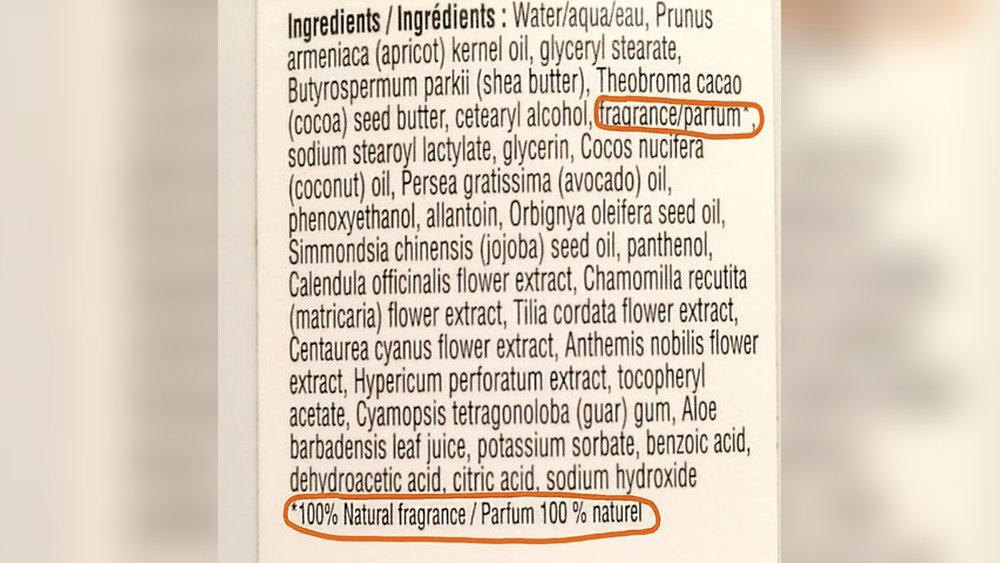
The most common words used in ingredient lists are “Fragrance” and “Parfum.” These terms cover many different scents mixed together. They do not show the exact chemicals inside. “Fragrance” is the English word, and “Parfum” is its French equivalent. Both mean the product contains scent ingredients. These labels often hide dozens of chemical components. They may come from natural or synthetic sources. Companies use these terms to keep their formulas secret.
Hidden Synonyms In Ingredient Lists
Fragrance can appear under many other names. Some of these are less obvious. Words like “Aroma,” “Flavor,” or “Essential Oil Blend” may signal fragrance. Other terms include “Scent,” “Perfume,” or “Fragrance Blend.” Sometimes, ingredients like “Limonene,” “Linalool,” or “Citral” indicate fragrance components. These are natural chemicals used in scents. They can cause allergies or irritation in sensitive people. Reading all ingredient names carefully can help you detect hidden fragrances.
Why Fragrance Ingredients Vary
Fragrance ingredients in products can vary widely. This variation occurs because fragrances come from different sources and formulas. Understanding why these ingredients differ helps you spot fragrance in ingredient lists. It also explains why products with the same scent may list different components.
Natural Vs Synthetic Components
Fragrances include both natural and synthetic parts. Natural components come from plants, flowers, fruits, and spices. These ingredients often provide familiar, earthy smells. Synthetic components are made in labs to mimic natural scents or create new ones. They can be more stable and last longer in products. Some synthetic ingredients are also used to reduce costs or avoid allergens found in natural extracts. The mix of natural and synthetic parts affects the fragrance’s scent and safety.
Proprietary Blends And Trade Secrets
Fragrance formulas are often protected as trade secrets. Companies create unique blends called proprietary formulas. These blends contain many chemicals combined in specific ways. Manufacturers do not have to list each chemical on the ingredient label. Instead, they use the general term “fragrance” or “parfum.” This protects their formula from being copied by competitors. It also means the exact ingredients remain unknown to consumers. This lack of detail can make it hard to identify potential allergens or irritants in the fragrance.
Health Implications Of Fragrance
Fragrances in personal care products may seem harmless but can affect health in many ways. These scent mixtures often contain chemicals that cause reactions. Some people face mild irritation, while others experience stronger allergic responses. Understanding these health risks helps you make safer choices.
Allergens And Irritants To Watch For
Fragrance blends often hide common allergens. Ingredients like limonene, linalool, and geraniol can trigger skin redness and itching. Synthetic musks and phthalates may irritate sensitive skin. Even natural components can cause allergic reactions in some users. Spotting these in ingredient lists can prevent discomfort and rashes.
Potential Long-term Effects
Repeated exposure to fragrance chemicals may lead to long-term health issues. Some compounds can disrupt hormones and affect the body’s balance. Certain synthetic fragrances link to respiratory problems and headaches. The full impact remains unclear due to limited ingredient disclosure. Choosing fragrance-free products reduces these risks over time.
Tips For Reading Ingredient Lists
Reading ingredient lists helps identify fragrance in products. It reveals hidden components that affect your skin and health. Understanding labels lets you choose products with or without fragrance.
Ingredient lists can be long and complex. Learning to spot fragrance requires careful attention and some tools. Use these tips to make ingredient reading easier and more effective.
Spotting Fragrance In Complex Formulas
Fragrance often appears as “fragrance” or “parfum” on labels. Sometimes it hides under other names like “aroma” or “perfume.” Complex products may list many ingredients, making it hard to find fragrance.
Look for terms like “essential oils” or “natural scent” too. These can also add fragrance, natural or synthetic. Ingredients are usually listed by amount, so fragrance may appear near the end.
Remember, companies keep exact fragrance formulas secret. The label won’t show every chemical. Focus on key words and common fragrance indicators.
Using Resources And Databases
Use online tools to check ingredients and their effects. Websites like EWG’s Skin Deep or INCIDecoder explain ingredient safety and function. Enter product ingredients to see if fragrance components are present.
Mobile apps also scan barcodes and provide ingredient details instantly. These tools help avoid allergens and irritants linked to fragrance.
Keep a list of common fragrance names for quick reference. Learning these terms makes reading ingredient lists easier and safer.
Choosing Fragrance-free Products
Choosing fragrance-free products can improve your skin’s health and overall well-being. Many people do not realize how common fragrances are in personal care items. These scents often hide behind vague words like “fragrance” or “parfum” in ingredient lists. Opting for fragrance-free options helps avoid unwanted skin reactions and irritation. It also reduces exposure to unknown chemicals that may cause harm over time.
Benefits Of Avoiding Fragrance
Fragrance-free products lower the risk of allergic reactions. They are gentler on sensitive and dry skin types. Avoiding fragrances means fewer skin irritations and redness. It also helps people with asthma or respiratory issues breathe easier. Using fragrance-free items supports healthier skin barrier function. These products often contain fewer unnecessary chemicals. This leads to a simpler, safer skincare routine.
How To Find Transparent Brands
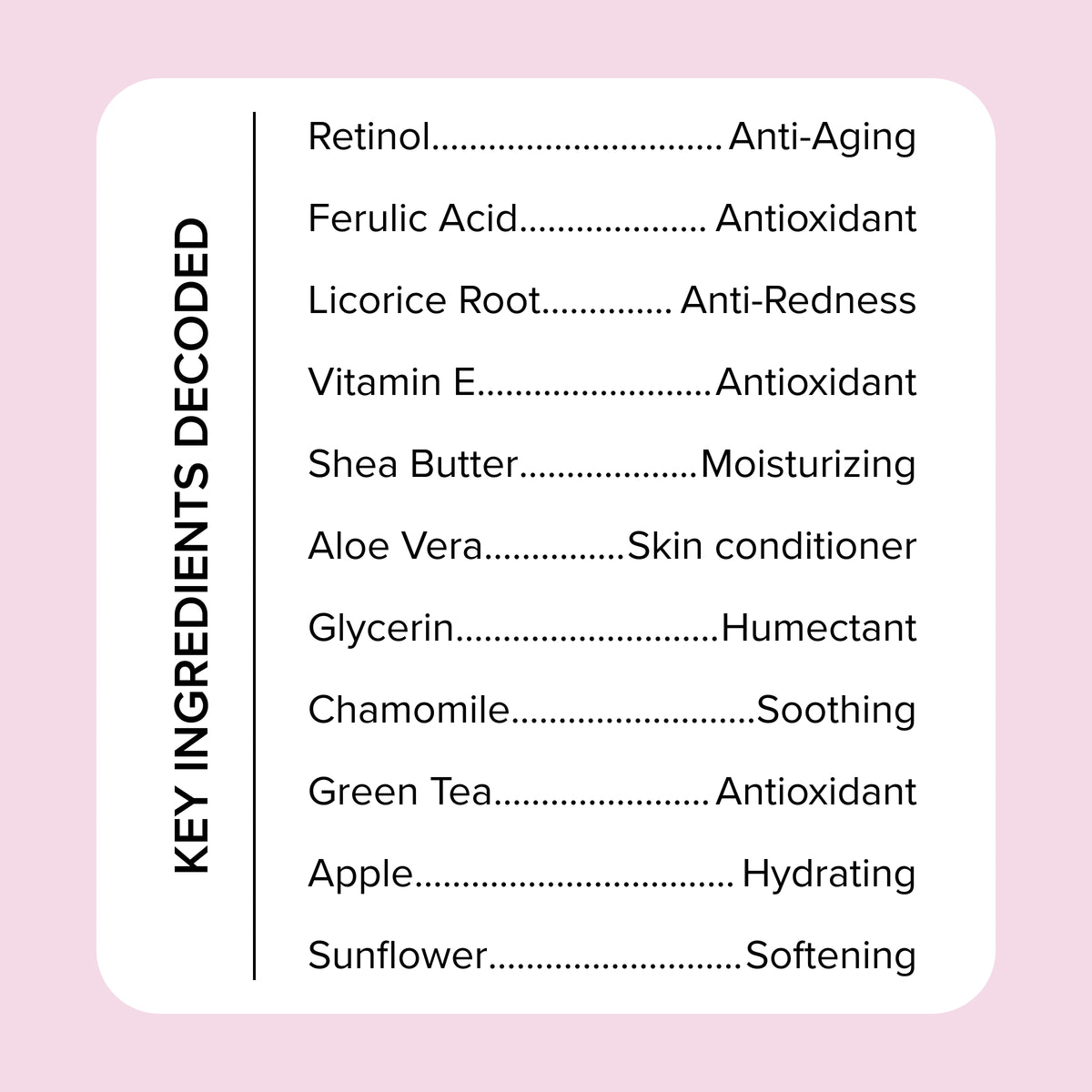
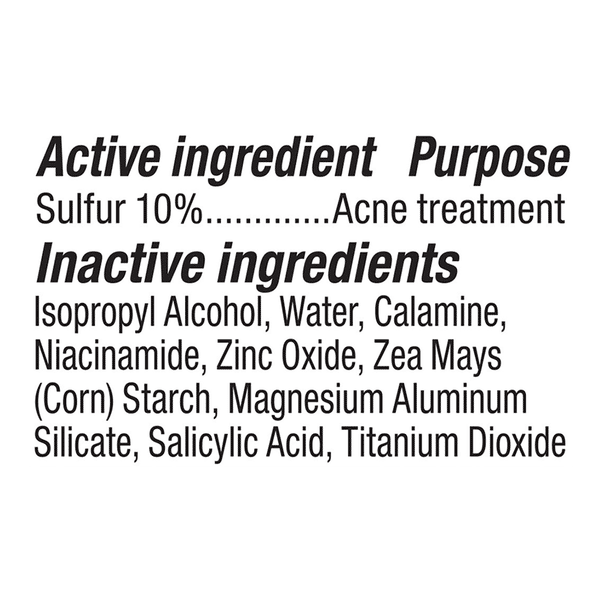
Look for brands that list all ingredients clearly and honestly. Transparent companies avoid hiding fragrance under vague terms. They often label their products as “fragrance-free” or “unscented.” Check the ingredient list for any mention of “fragrance,” “parfum,” or “essential oils.” Some brands provide detailed information about each ingredient. Customer reviews and third-party certifications can help spot trustworthy brands. Choose products made with natural, non-irritating ingredients for best results.
Credit: medix55.com
Credit: www.hy-vee.com
Frequently Asked Questions
How To Tell If A Product Has Fragrance?
Check the ingredient list for “fragrance” or “parfum. ” You can also smell the product for a distinct scent.
What Is Fragrance On The Ingredient List?
“Fragrance” on an ingredient list refers to a blend of natural and synthetic chemicals that create a product’s scent. Manufacturers do not disclose exact ingredients due to trade secrets. Fragrance adds no skin benefits and may cause allergies or irritation in sensitive individuals.
How Does The Fda Define Fragrance?
The FDA defines fragrance as a blend of chemicals creating a product’s scent. It includes natural and synthetic ingredients. Manufacturers do not disclose specific components due to trade secret protections. Fragrance ingredients serve only to provide smell and may cause allergies or irritation.
How To Identify Fragrances?
Identify fragrances by checking ingredient lists for “fragrance” or “parfum. ” These terms indicate a blend of scent chemicals, often undisclosed, from natural or synthetic sources. Smelling the product directly also helps detect fragrance presence.
Conclusion
Spotting fragrance in ingredient lists helps you make safer choices. The word “fragrance” covers many hidden chemicals. These can cause allergies or skin irritation. Reading labels carefully protects your health and comfort. Knowing this simple fact makes shopping less confusing.
Trust your instincts, and check every product you buy. Clear knowledge leads to better skin care decisions. Stay aware, stay safe, and enjoy healthier skin every day.