

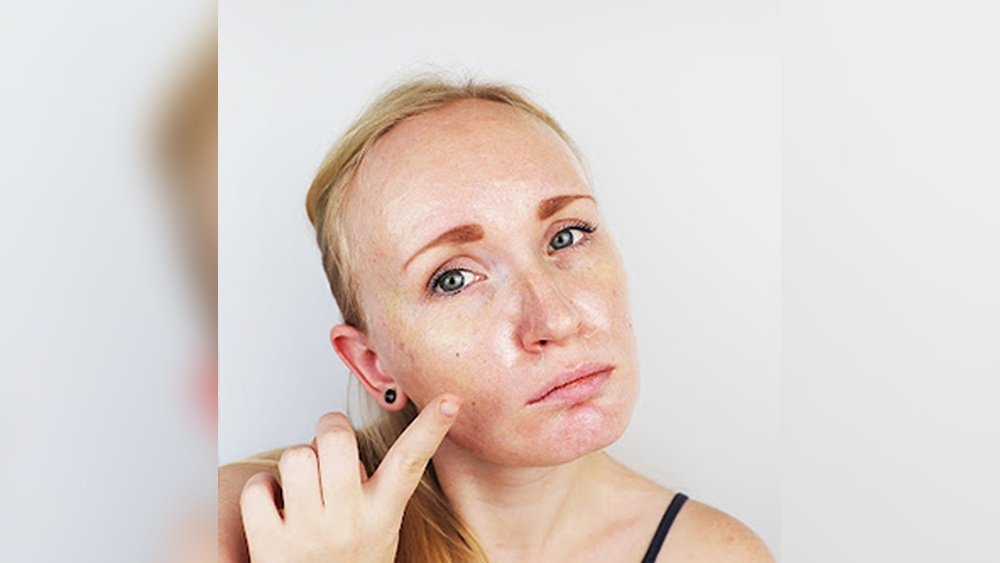
Do you often finish your skincare routine only to find your face feeling greasy and uncomfortable? That sticky, oily sensation can be frustrating, especially when you expect your skin to feel fresh and balanced.
But don’t worry—you’re not alone, and this common problem has simple solutions. Understanding why your skin feels greasy after applying products is the first step to fixing it. You’ll discover easy tips and tricks to adjust your routine, choose the right products, and regain that clean, matte feeling you want.
Keep reading to learn how to say goodbye to that unwanted greasy feeling for good!
Causes Of Greasy Skin After Skincare
Greasy skin after applying skincare products can feel frustrating and uncomfortable. Understanding the causes helps in managing this oily sensation effectively. Several factors contribute to that unwanted shine and slick feeling after your routine.
Some products may be too heavy for your skin type. Over-cleansing and disrupting the natural skin barrier also play a role. Incorrect product use and certain ingredients can worsen oiliness. Knowing these causes can guide you to better choices and healthier skin.
Product Type And Formulation
Heavy moisturizers, serums, or cleansers often contain oils or thick creams. These can sit on the skin surface instead of absorbing fully. This leaves a greasy layer that feels uncomfortable. Using products designed for dry skin on oily skin also increases oiliness.
Over-cleansing
Washing your face too often strips away natural oils. Harsh cleansers damage the skin’s protective barrier. As a result, skin produces more oil to protect itself. This leads to a cycle of excess oil and shine.
Incorrect Product Order
Applying skincare products in the wrong order affects absorption. Heavier products should go on last. If lighter products are applied after heavy ones, they may not absorb well. This causes a greasy feel on the skin’s surface.
Inactive Ingredients
Some cleansers or creams contain alcohols, parabens, or artificial colors. These ingredients can irritate the skin and cause excess oil production. Avoiding products with these ingredients helps reduce oily skin after skincare.
Skin Barrier Disruption
Using too many products or harsh formulas can harm the skin barrier. This damage triggers the skin to produce more oil. Keeping your skincare gentle and balanced protects the skin and controls grease.

Credit: www.youtube.com
Choosing Lightweight Products
Choosing lightweight products plays a key role in fixing the greasy feeling after skincare. Heavy creams and oils can sit on the skin’s surface. This leaves a shiny, sticky layer that feels uncomfortable. Lightweight products absorb faster and help skin feel fresh.
Lightweight skincare is often water-based or gel-like. These products provide moisture without clogging pores. They balance the skin and reduce excess oil. Switching to lightweight formulas supports healthier skin.
Understanding Lightweight Formulations
Lightweight products usually have less oil and thicker ingredients. Many use water, aloe, or glycerin as bases. These ingredients hydrate skin without heaviness. Gel moisturizers, serums, and lotions often fit this category.
Look for terms like “oil-free,” “non-comedogenic,” or “water-based” on labels. These indicate a product will not add extra grease. Lightweight does not mean less effective. Many contain powerful active ingredients for skin health.
Choosing The Right Ingredients
Niacinamide helps control oil and reduce shine. Hyaluronic acid offers deep hydration without heaviness. Retinoids improve texture and keep pores clear. These ingredients work well in lightweight formulas.
Avoid heavy oils like coconut or mineral oil if prone to greasiness. Instead, use lighter oils such as squalane or jojoba oil. They moisturize without clogging pores or feeling greasy.
Applying Lightweight Products Correctly
Apply products in order from thinnest to thickest texture. Start with toner or essence, then serum, and finish with moisturizer. This method helps skin absorb each layer fully.
Use only the amount needed. Overusing even lightweight products can cause buildup. A pea-sized amount for moisturizers and serums is usually enough. Pat products gently into skin instead of rubbing.
Effective Cleansing Tips
Effective cleansing is key to fixing the greasy feeling after skincare. It helps remove excess oil, dirt, and product buildup. Clean skin feels fresh and balanced, not oily or heavy.
Use the right cleansing method and products to keep your skin clear. Follow simple steps for a clean and comfortable face.
Choose A Gentle Cleanser
Pick a cleanser made for oily or combination skin. Avoid harsh soaps that strip natural oils. A gentle cleanser cleans deeply without drying out skin.
Wash Twice A Day
Clean your face in the morning and before bed. This removes sweat, oil, and dirt. Twice daily cleansing keeps pores clear and reduces shine.
Use Lukewarm Water
Wash with lukewarm water, not hot. Hot water irritates skin and increases oil production. Lukewarm water cleans well and soothes the skin.
Pat Dry, Don’t Rub
Gently pat your face dry with a soft towel. Rubbing can irritate skin and cause more oil. Patting helps keep skin calm and balanced.
Apply Products On Damp Skin
Apply moisturizers and serums to damp skin. It helps products absorb better without sitting on top. This reduces greasy residue.

Credit: australian-bodycare.com
Incorporating Oil-control Ingredients
Incorporating oil-control ingredients into your skincare routine helps reduce excess shine. These ingredients target oil production and balance your skin’s natural moisture. Choosing the right components can improve skin texture and leave a fresh, matte finish. Below are key ingredients that work well to control oil and prevent that greasy feeling after skincare.
Niacinamide For Oil Regulation
Niacinamide is a form of vitamin B3 that helps reduce oil production. It controls sebum secretion, keeping skin less oily throughout the day. This ingredient also strengthens the skin barrier, preventing moisture loss and irritation. Niacinamide suits all skin types and absorbs quickly without leaving residue.
Salicylic Acid To Clear Pores
Salicylic acid is a beta hydroxy acid that exfoliates inside pores. It clears clogged pores and reduces excess oil buildup. This acid helps prevent acne caused by oily skin. Using it regularly can improve skin clarity and reduce greasy shine.
Clay Extracts To Absorb Excess Oil
Clays like kaolin and bentonite absorb excess oil on the skin’s surface. They help mattify the skin and reduce shine after applying skincare products. Clay masks or cleansers provide a deep cleansing effect, removing impurities and oil gently.
Zinc For Sebum Control
Zinc regulates sebum production and soothes inflammation. It helps reduce oiliness while calming irritated skin. Zinc is often found in serums and moisturizers designed for oily skin types. It supports a balanced, less greasy complexion.
Proper Product Application Order
Proper product application order plays a key role in reducing greasy skin after your routine. Applying skincare products in the right sequence helps each layer absorb fully. This prevents buildup and excess oil on the skin’s surface.
Starting with lightweight products and moving to heavier ones ensures better absorption. This simple step can transform how your skin feels after skincare. Follow these tips to get the most from your products and avoid that greasy feeling.
Apply Cleansers And Toners First
Begin with a gentle cleanser to remove dirt and oil. Follow with a toner to balance your skin’s pH. Toners prep the skin, helping serums and moisturizers absorb better. Skip skipping these steps to avoid trapped oil and residue.
Use Serums And Treatments Next
Apply serums and treatments after toners. These products contain active ingredients that target skin concerns. They usually have a thin texture that absorbs quickly. Applying them too late can block their effectiveness and cause heaviness.
Finish With Moisturizers And Sunscreens
Moisturizers lock in hydration and protect the skin barrier. Choose a lightweight, oil-free moisturizer to avoid extra shine. Sunscreen goes on last to shield skin from UV damage. Applying these last prevents interference with the other products.

Credit: www.amazon.com
Frequently Asked Questions
Why Does My Skin Feel Oily After Skincare?
Your skin feels oily after skincare if products are too heavy or wrong for your skin type. Over-cleansing can also cause excess oil. Use lightweight, oil-free products and apply them from lightest to heaviest for better absorption. Include oil-controlling ingredients like niacinamide to reduce greasiness.
What Is The 4 2 4 Rule In Skincare?
The 4 2 4 rule in skincare means applying products in four steps: cleanser, toner, serum, and moisturizer. Apply each layer with a 2-minute gap for better absorption, then wait 4 minutes before applying the next product. This improves effectiveness and skin hydration.
How Do I Stop My Face From Feeling Greasy?
Use lightweight, oil-free, non-comedogenic products suited for your skin type. Cleanse gently twice daily. Apply products from lightest to heaviest. Include oil-controlling ingredients like niacinamide. Avoid over-washing to protect your skin barrier and reduce excess oil production.
Is It Normal For My Face To Feel Sticky After Skincare?
Yes, a sticky face after skincare can happen if products are too heavy or not absorbed well. Use lightweight, oil-free products and apply them from lightest to heaviest for better absorption and less stickiness.
Conclusion
Greasy skin after skincare can be frustrating but fixable. Choose light, oil-free products that suit your skin type. Avoid heavy creams and harsh cleansers. Cleanse gently and do not overwash your face. Apply products in the right order, from lightest to heaviest.
Give your skin time to adjust to new routines. Consistency helps balance oil and improves skin feel. Keep a simple routine and listen to your skin’s needs. You can enjoy a fresh, non-greasy face every day. Small changes make a big difference.