

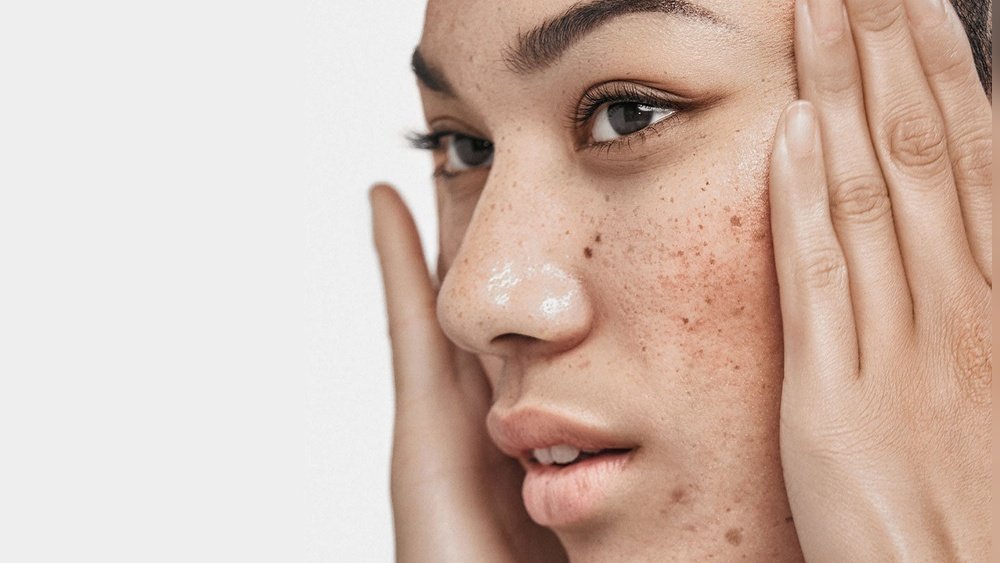
Have you ever looked in the mirror and wondered why your skin suddenly seems dull, puffy, or covered in breakouts? Your face often tells the story of what’s happening inside your body—and stress plays a bigger role than you might think.
When stress hits, it doesn’t just affect your mood; it can leave visible marks on your facial skin, from fine lines and wrinkles to redness and puffiness. Understanding how stress shows up on your face can help you take control and protect your skin’s health.
Keep reading to discover the surprising ways stress reveals itself on your skin—and what you can do to keep your complexion calm and glowing.

Credit: www.health.harvard.edu
Skin Changes From Stress
Stress affects the skin in many visible ways. It triggers hormonal changes that directly impact the skin’s health. These changes often cause noticeable shifts in texture, tone, and appearance. Understanding these effects can help manage skin problems linked to stress.
Acne And Breakouts
Stress increases oil production in the skin. Excess oil clogs pores, causing pimples and blackheads. Hormones like cortisol raise inflammation, making acne worse. Breakouts often appear on the face, neck, and back. Stress-related acne may be stubborn and painful.
Dryness And Dullness
Stress weakens the skin’s barrier function. This reduces its ability to retain moisture. As a result, skin becomes dry and flaky. Dullness follows as the skin loses its natural glow. The complexion may look tired and uneven.
Rashes And Inflammation
Stress can trigger or worsen skin inflammation. Conditions like eczema and rosacea may flare up. Red, itchy rashes or hives can develop suddenly. Blood vessels may dilate, causing facial redness. Inflammation also slows healing and increases sensitivity.
Wrinkles And Elasticity Loss
Stress affects the skin deeply, especially causing wrinkles and loss of elasticity. These changes make the skin look older and tired. Stress triggers chemical reactions that weaken the skin’s structure. This section explains how stress breaks down key proteins and forms wrinkles.
Collagen And Elastin Breakdown
Collagen and elastin are proteins that keep skin firm and stretchy. Stress releases hormones that damage these proteins. Without enough collagen, skin loses strength and begins to sag. Elastin breakdown causes the skin to lose its bounce. Over time, this leads to visible wrinkles and loose skin.
Fine Lines Formation
Stress speeds up the formation of fine lines on the face. These lines appear around the eyes, mouth, and forehead. Stress reduces skin moisture, making lines more obvious. The skin becomes less smooth and more fragile. Fine lines are often the first sign of stress aging the skin.
Effects Of Repeated Facial Expressions
Stress causes frequent facial expressions like frowning or squinting. These repeated movements create permanent creases in the skin. Over time, the skin folds deepen into wrinkles. The constant muscle tension also reduces skin elasticity. This makes stress wrinkles harder to prevent and treat.
Puffy Eyes And Facial Swelling
Puffy eyes and facial swelling often reveal how stress affects your skin. These signs show up as puffiness around the eyes and a fuller, swollen face. Stress triggers changes that cause fluid retention and inflammation. This makes your face look tired and inflamed.
Inflammation Effects
Stress causes the body to release chemicals that lead to inflammation. This inflammation can make blood vessels leak fluid into nearby tissues. The skin around your eyes is thin and sensitive, so puffiness appears quickly. Facial swelling happens as fluid builds up, especially in the cheeks and under the eyes. Inflammation can also worsen skin conditions like eczema and rosacea, adding to the swollen look.
Cortisol Face Appearance
Cortisol, the stress hormone, affects your face in noticeable ways. High cortisol levels cause your body to hold onto water and salt. This retention creates a rounder, puffier face known as “cortisol face.” The cheeks and under-eye areas become swollen and appear heavier. Over time, cortisol breaks down collagen, reducing skin firmness and making puffiness worse. Stress also tightens facial muscles, adding to a tired, tense expression.
Facial Muscle Tension
Facial muscle tension is a clear sign of stress affecting your skin and overall appearance. Stress causes muscles in the face to tighten and contract, leading to discomfort and visible changes. These muscle contractions often happen without notice but can create long-lasting effects on your skin health.
Muscle tension restricts blood flow and oxygen to the skin. This reduces skin vitality and can cause dullness and uneven texture. Over time, repeated tension may deepen lines and wrinkles, making the face look older and tired.
Tight Jaw And Chewing Habits
A tight jaw is a common stress response. Many people clench their teeth or grind them unknowingly, especially during sleep. This constant tension strains the jaw muscles and causes soreness or pain.
Stress also leads to nervous chewing habits. Chewing on lips, the inside of the mouth, or even pens can become frequent. These habits irritate the skin and may cause small wounds or dryness around the mouth area.
Both tight jaws and chewing habits increase muscle tension. They create pressure that shows on your face as tightness or discomfort. This tension also affects how relaxed and smooth your skin looks.
Facial Numbness And Tingling
Stress can cause numbness or tingling sensations in the face. This happens because tight muscles compress blood vessels and nerves. Reduced blood flow leads to these unusual sensations.
Facial numbness may feel like pins and needles or a slight burning. It can happen in the cheeks, forehead, or around the mouth. These feelings signal that muscle tension is affecting the skin’s health and nerve function.
Managing stress helps ease muscle tension and improves blood flow. This reduces numbness and helps the skin regain a healthy glow and comfort.
Reducing Stress Impact On Skin
Stress affects your skin in many ways. Reducing its impact helps maintain a healthy complexion and slows skin aging. Simple habits and care can ease stress effects and improve your skin’s look. Focusing on stress management, good skincare, and support can bring visible benefits.
Stress Management Techniques
Practice deep breathing exercises daily to calm your mind. Try meditation or yoga to lower stress hormones. Regular physical activity releases tension and boosts mood. Prioritize sleep to help your skin repair overnight. Avoid overworking and take short breaks during the day.
Skincare And Hydration Tips
Use gentle cleansers to avoid irritating stressed skin. Moisturize regularly to strengthen your skin barrier. Drink plenty of water to keep your skin hydrated and glowing. Apply sunscreen to protect against UV damage that stress worsens. Avoid harsh products that dry out or inflame your skin.
Seeking Support
Talk to friends or family about your stress. Professional help like therapy can teach coping skills. Join groups or classes to connect with others. Sharing your feelings reduces emotional burden and improves well-being. Support helps manage stress and protects your skin health.

Credit: www.etrevous.com

Credit: www.health.harvard.edu
Frequently Asked Questions
How Does Stress Affect Facial Skin?
Stress triggers hormone release that increases oil production, causing acne and clogged pores. It breaks down collagen, leading to wrinkles and dull skin. Inflammation causes puffiness, redness, and swelling. Stress tightens jaw muscles and may cause facial numbness. Overall, stress damages skin health and appearance.
What Does Stress Look Like In Your Face?
Stress shows on your face as fine lines, wrinkles, acne, dryness, puffiness, dark circles, redness, and tight jaw muscles.
What Are The Symptoms Of Stress In The Face?
Stress symptoms in the face include acne, dryness, rashes, puffiness, dark circles, premature wrinkles, flushing, tight jaw muscles, and facial numbness.
How Does Stressed Skin Look Like?
Stressed skin often shows acne, dryness, dullness, premature wrinkles, redness, and inflammation. Puffy eyes and tight jaw muscles also appear.
How Does Stress Affect Facial Skin Appearance?
Stress triggers hormone changes that increase oil, cause dryness, redness, and lead to breakouts or dullness.
What Are Common Facial Skin Symptoms Of Stress?
Stress can cause acne, wrinkles, puffiness, redness, dry patches, and dark circles under the eyes.
Conclusion
Stress can show clearly on your facial skin in many ways. It causes acne, dryness, and wrinkles by affecting skin health. Puffy eyes and redness often signal underlying stress and inflammation. Tight jaw muscles and facial tension reveal emotional strain physically.
Taking care of your skin and managing stress helps reduce these signs. Simple habits like good sleep, hydration, and relaxation make a big difference. Remember, your face reflects how you feel inside. Treat your skin kindly and lower stress for a healthier, calmer appearance.