

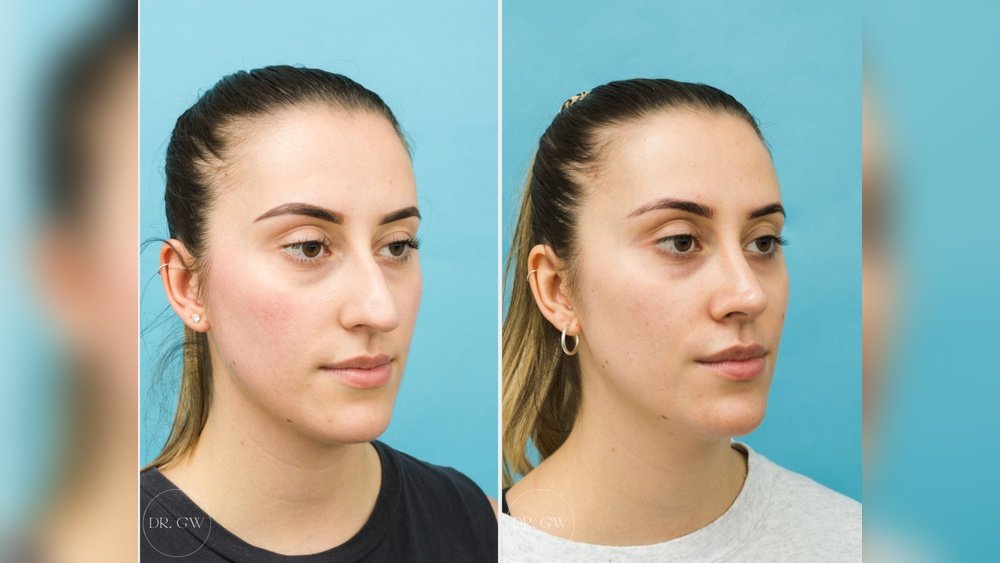
Have you ever noticed how your face looks tired or puffy after a bad night’s sleep? What you might not realize is that the different stages of sleep play a huge role in how blood flows through your facial tissues.
When you sleep well, your body works hard to improve circulation, helping your skin look fresh and healthy. But when sleep is disrupted, it can cause poor blood flow, leading to dark circles, puffiness, and even dull skin. Understanding how each sleep stage affects your facial circulation can empower you to improve not just your rest, but also your appearance and overall skin health.
Keep reading to discover the fascinating connection between your sleep cycles and your face’s vitality—and learn simple steps you can take tonight to wake up looking your best.
Sleep Stages And Circulation
Sleep stages have a direct impact on facial circulation. Each stage affects blood flow and vessel function differently. Understanding these effects helps explain why sleep quality matters for skin health and facial appearance.
Non-rem Sleep Effects
Non-REM sleep includes light and deep sleep phases. During deep non-REM sleep, heart rate and blood pressure drop. This reduction allows blood vessels to relax and expand. Relaxed vessels improve blood flow to the skin, including the face.
This stage supports vascular repair and lowers inflammation. Better blood flow means more oxygen and nutrients reach facial tissues. The skin can then regenerate and maintain a healthy glow. Poor non-REM sleep reduces these benefits, leading to dull skin and slower healing.
Rem Sleep And Blood Flow
REM sleep is the stage of vivid dreaming and brain activity. Blood flow to the brain increases significantly during REM. This increase helps clear waste from brain cells but also affects overall circulation.
Facial blood vessels may constrict slightly during REM sleep. This constriction can reduce blood flow to the face temporarily. Still, REM sleep plays a key role in balancing the body’s vascular system. It prepares the blood vessels for the active waking hours ahead.

Credit: www.amazon.com
Facial Signs Of Sleep Deprivation
Sleep deprivation affects more than just your energy. It shows up clearly on your face. Lack of restful sleep changes how blood flows through facial tissues. These changes cause visible signs that signal tiredness and poor health. Recognizing these signs helps understand the impact of sleep loss on facial circulation.
Visible Fatigue Indicators
Fatigue appears quickly on your face after poor sleep. Skin may look dull and lifeless. Blood circulation slows down, reducing the natural glow. Puffiness around the eyes is common. This swelling happens as fluid builds up due to poor lymphatic drainage. Muscles in the face may feel weak, causing droopy eyelids and corners of the mouth. These signs make you appear older and more exhausted.
Skin And Eye Changes
Sleep deprivation causes dark circles under the eyes. Thin skin in this area shows blood vessels more clearly. Poor circulation worsens the discoloration. Eyes become red and irritated from dryness and lack of oxygen. Wrinkles and fine lines deepen as skin loses the chance to repair overnight. The face looks stressed and unhealthy. These changes reflect how crucial good sleep is for facial health.
Impact Of Poor Sleep On Vessels
Poor sleep affects the health of blood vessels throughout the body, including those in the face. When sleep is insufficient or of low quality, the vessels lose their ability to relax and repair. This can lead to lasting damage and poor circulation, which shows up in the skin’s appearance. The face may look tired, pale, or swollen due to reduced blood flow and oxygen supply. Understanding how sleep impacts vessel health helps explain why good sleep is vital for a glowing complexion and overall vascular health.
High Blood Pressure Risks
Sleep helps regulate blood pressure by allowing vessels to relax. Without enough rest, blood pressure stays high for longer periods. This constant pressure strains vessel walls. Over time, it makes vessels less flexible and more prone to damage. High blood pressure also raises the risk of heart problems and stroke. Poor sleep keeps the body in a stressed state, preventing vessels from recovering overnight.
Inflammation And Vessel Damage
Sleep deprivation triggers inflammation in blood vessels. Inflammation harms the inner lining of vessels called the endothelium. This damage reduces the vessels’ ability to widen and carry blood efficiently. Inflammation also speeds up the buildup of plaque inside arteries. This leads to vessel narrowing and blockages. Without enough sleep, the body produces more stress hormones that worsen inflammation. This cycle harms facial circulation and overall vascular health.

Credit: www.healthline.com
Role Of Nitric Oxide In Circulation
Nitric oxide plays a crucial role in facial circulation. It is a gas produced naturally by the body. Nitric oxide helps relax and widen blood vessels. This process improves blood flow to the skin and face. During sleep, the production of nitric oxide supports healthy circulation. Proper circulation delivers oxygen and nutrients that keep the skin vibrant and youthful.
Vasodilation And Blood Flow
Nitric oxide causes vasodilation, which means expanding blood vessels. This expansion lowers blood pressure and increases blood flow. During deep sleep stages, nitric oxide levels rise. This rise allows more blood to reach the facial tissues. Improved blood flow helps remove waste and toxins from the skin. It also supports skin cell repair and regeneration. Good vasodilation keeps the face looking fresh and healthy.
Effects Of Sleep Loss
Sleep loss reduces the body’s ability to produce nitric oxide. Lower nitric oxide levels cause blood vessels to narrow. Narrowed vessels restrict blood flow to the face. This restriction can lead to dull, tired-looking skin. Poor circulation also slows down skin repair. It may cause puffiness, dark circles, and uneven skin tone. Chronic sleep loss raises the risk of long-term vascular problems. These issues affect facial appearance and overall skin health.
Improving Circulation Through Sleep
Improving circulation through sleep plays a vital role in maintaining healthy skin and a radiant face. During quality sleep, your body repairs blood vessels and enhances blood flow to facial tissues. This process nourishes the skin with oxygen and nutrients, helping to reduce puffiness and signs of aging. Poor sleep disrupts this cycle, causing dullness and tired-looking skin.
Simple changes in how you sleep can boost facial circulation and overall skin health. Focus on creating habits that support deep, restful sleep. These habits will help your body repair and refresh your skin each night.
Sleep Positions For Better Flow
Choosing the right sleep position improves blood circulation to the face. Sleeping on your back helps avoid pressure on the face. It allows blood to flow freely without restriction. Side sleeping can cause fluid buildup and puffiness on the lower side of the face. Avoid sleeping face down, which can compress blood vessels and skin. A gentle incline with a pillow can also support circulation by reducing swelling.
Sleep Hygiene Tips
Good sleep hygiene supports healthy circulation and skin repair. Keep a consistent bedtime to regulate your body’s internal clock. Make your sleep environment cool, dark, and quiet to promote deeper sleep stages. Limit screen time before bed to avoid disrupting melatonin production. Avoid heavy meals, caffeine, and alcohol close to bedtime. Practice relaxation techniques to reduce stress and improve sleep quality. These habits help your body enter restorative sleep phases, enhancing blood flow and skin health.
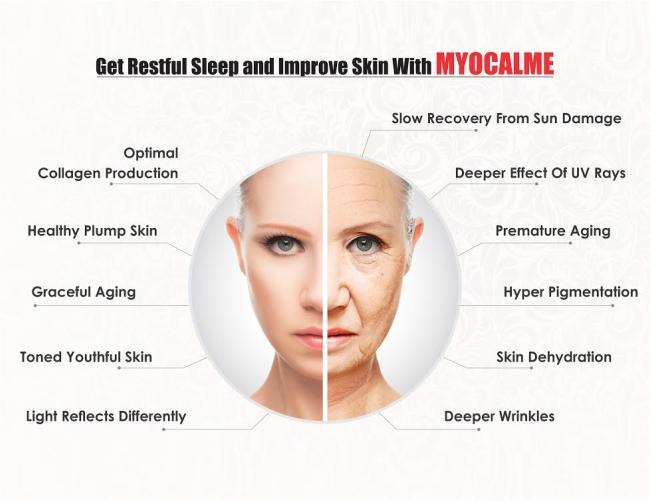
Credit: www.7ewellness.com
Frequently Asked Questions
What Are The Signs Of Sleep Deprivation In The Face?
Signs of sleep deprivation in the face include dark circles, swollen or red eyes, droopy eyelids, and more wrinkles. The mouth corners may droop, and the face often appears sad and fatigued.
Does Sleep Affect Circulation?
Yes, sleep directly impacts circulation by lowering heart rate and blood pressure during deep sleep. Poor sleep raises inflammation and narrows blood vessels. Quality sleep supports vascular repair and improves blood flow, while sleep deprivation increases cardiovascular risks and harms circulation.
How Does Sleep Affect Your Face?
Sleep boosts facial circulation, reducing puffiness and dark circles. It supports skin repair, prevents wrinkles, and keeps your face youthful and radiant. Poor sleep causes redness, swelling, droopy features, and dullness, making you appear tired and aged. Prioritize restful sleep for a healthy, glowing face.
Does The Way You Sleep Affect Facial Structure?
Yes, sleep positions can subtly influence facial structure over time by affecting skin pressure and muscle tone. Consistently sleeping on one side may cause asymmetry or wrinkles. Good sleep supports facial circulation, helping maintain a youthful appearance and healthy skin.
How Do Different Sleep Stages Impact Facial Blood Flow?
Deep sleep lowers heart rate and blood pressure, improving facial blood flow and skin health.
Why Is Rem Sleep Important For Facial Circulation?
REM sleep increases blood flow to the brain and face, aiding tissue repair and oxygen delivery.
Conclusion
Sleep stages play a key role in facial blood flow. Deep sleep lowers heart rate and blood pressure. This helps blood vessels relax and repair. Good circulation gives your skin a healthy glow. Poor sleep causes inflammation and narrows arteries.
This can make your face look tired and dull. Regular, quality sleep supports better facial circulation. It also helps prevent signs of aging and fatigue. Prioritize restful sleep for a fresh, vibrant appearance. Your face reflects the care you give your body.