

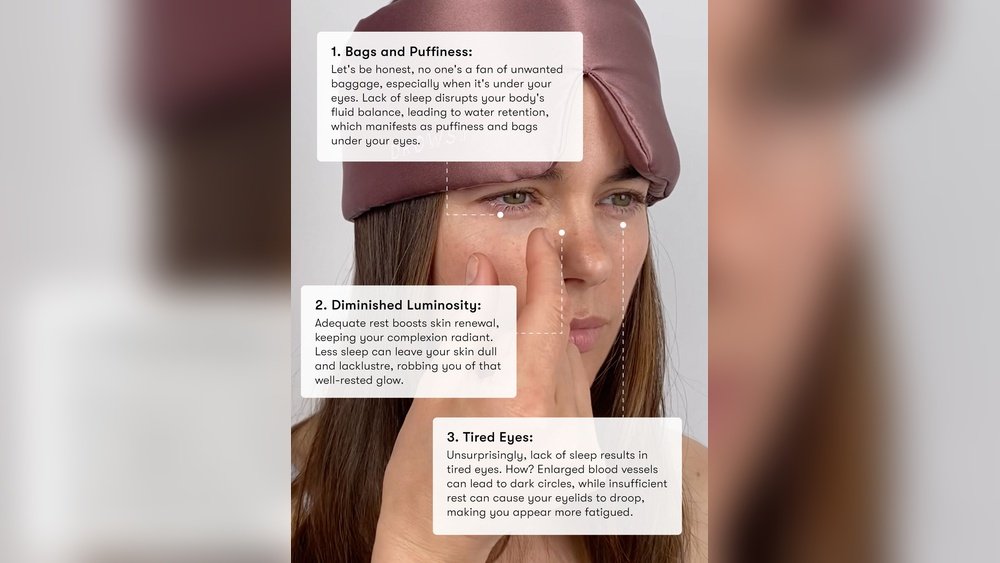
Have you ever noticed how your skin looks dull and tired after a restless night? That’s not just in your mind—sleep deprivation actually takes a serious toll on your skin’s health and appearance.
When you don’t get enough sleep, your body struggles to deliver the nutrients and oxygen your skin needs to stay vibrant and glowing. Instead, you end up with a lackluster complexion, dark circles, and even premature signs of aging. If you want to understand exactly why missing sleep makes your skin lose its sparkle and how you can fix it, keep reading.
Your skin deserves more than just a quick fix—it needs real care, starting with good sleep.
Effects Of Sleep Loss On Skin Tone
Sleep loss impacts the skin’s natural color and brightness. Without enough rest, the skin looks tired and dull. This happens because sleep helps the body renew skin cells and improve blood flow. Reduced blood flow means less oxygen and nutrients reach the skin, causing a pale and uneven tone.
Stress from sleep deprivation also raises cortisol levels. High cortisol causes inflammation and breaks down collagen. Collagen keeps skin firm and smooth. Less collagen means skin can look saggy and dull.
Reduced Blood Circulation And Its Impact
During deep sleep, blood flow to the skin increases. This delivers oxygen and vital nutrients. When sleep is short, this process slows down. The skin loses its healthy glow and appears pale or grayish.
Impaired Skin Cell Repair
Sleep allows skin cells to repair and renew. Without enough sleep, this repair slows down. Dead skin cells build up, making skin look rough and dull. The skin loses its smooth texture and freshness.
Increased Cortisol And Skin Inflammation
Sleep deprivation raises cortisol, the stress hormone. High cortisol causes skin inflammation and redness. This can lead to uneven skin tone and worsen skin problems like acne.
Decreased Collagen Production
Collagen is a protein that keeps skin firm and elastic. Sleep loss reduces collagen production. Skin becomes less firm and shows fine lines. This adds to the dull and tired look.
Role Of Blood Flow And Nutrients
Blood flow and nutrients play a key role in keeping skin healthy and glowing. During sleep, blood circulation improves, delivering oxygen and essential nutrients to skin cells. This process supports cell repair and regeneration, which keeps the skin vibrant.
Sleep deprivation reduces blood flow to the skin. When circulation slows, skin cells do not get enough oxygen or nutrients. As a result, skin can look dull, dry, and tired. Lack of nutrients also weakens the skin’s natural barrier, making it more prone to damage.
How Blood Flow Nourishes Skin
Blood carries oxygen and vital nutrients like vitamins and minerals. These nutrients help skin cells repair and grow. Good blood flow clears away waste products from the skin. This keeps the skin healthy and fresh.
Impact Of Poor Circulation On Skin
Sleep loss limits blood flow to the skin’s surface. Skin cells receive fewer nutrients and oxygen. This slows down skin repair and renewal. The skin looks pale and lifeless without proper circulation.
Nutrient Deficiency And Skin Dullness
Without enough sleep, the body struggles to deliver nutrients. Vitamins like A, C, and E, which protect skin, become scarce. This leads to dry, flaky, and uneven skin tone. The skin loses its natural glow and appears tired.
Impact Of Stress Hormones On Skin
Stress hormones have a strong effect on the skin’s health and appearance. Sleep deprivation raises the levels of these hormones, especially cortisol. Cortisol is known as the “stress hormone.” It plays a key role in how sleep loss leads to dull skin.
Higher cortisol levels cause inflammation in the skin. This inflammation can break down collagen, the protein that keeps skin firm and smooth. Without enough collagen, skin looks tired and dull. The skin may also become dry and rough.
Besides inflammation, cortisol affects oil production. It causes the skin to produce more oil, which can clog pores. This increases the chance of acne and other skin problems. The skin’s natural repair process slows down, making it harder to heal from damage.
How Cortisol Triggers Skin Inflammation
Cortisol activates inflammatory chemicals in the skin. These chemicals cause redness and swelling. Over time, this inflammation damages skin cells and tissues. The skin loses its healthy glow and looks lifeless.
Collagen Breakdown And Skin Aging
Collagen gives skin strength and elasticity. High cortisol levels reduce collagen production. The skin becomes less firm and may develop fine lines. This makes the face look older and duller.
Increased Oil Production And Acne Risk
Cortisol boosts oil glands, causing extra oil on the skin. This oil can block pores and cause breakouts. Acne and clogged pores add to the dull, uneven skin tone.
Slowed Skin Repair And Cell Renewal
Good sleep helps skin repair itself. Lack of sleep and high cortisol slow down this process. Dead skin cells stay longer, making skin look rough and tired. New cells don’t come as fast, reducing radiance.

Credit: drtheva.com.au
Visible Signs Of Sleep Deprivation
Sleep deprivation shows itself clearly on your skin. Without enough rest, your skin loses its natural glow. Tired skin looks dull, dry, and lifeless. These visible signs affect your overall appearance and confidence.
Understanding these signs helps in identifying sleep deprivation early. Spotting them allows you to take steps to improve your sleep and skin health.
Dark Circles And Puffiness
Not sleeping enough causes fluid to build up under your eyes. This leads to puffiness and dark circles. The skin here is thin and shows tiredness quickly. Lack of sleep also slows blood flow, making these areas look worse.
Dull And Uneven Skin Tone
Sleep helps the body send oxygen and nutrients to the skin. Without it, blood flow slows down. This results in a dull, uneven complexion. Your skin looks tired and lacks brightness.
Fine Lines And Wrinkles
Sleep is when the skin repairs itself. Without enough rest, repair slows. This causes early signs of aging like fine lines and wrinkles. Over time, these marks become more visible.
Dryness And Flakiness
Sleep deprivation affects your skin’s moisture balance. It can become dry and flaky. This dryness makes your skin feel rough and uncomfortable. It also makes dullness more noticeable.
Reversing Skin Damage From Poor Sleep
Reversing skin damage from poor sleep is possible with consistent care. Sleep deprivation reduces the skin’s ability to repair itself. It also slows down cell renewal, causing dullness and uneven tone.
Improving your skin after bad sleep involves simple changes in habits and skincare. These steps help restore the skin’s natural glow and health over time.
Creating A Restful Sleep Environment
Good sleep starts with a calm and quiet bedroom. Keep the room dark and cool for better rest. Avoid screens and bright lights before bedtime. Establish a regular sleep schedule to improve sleep quality.
Hydrating And Nourishing Your Skin
Drink plenty of water to keep skin hydrated. Use gentle moisturizers to lock in moisture. Look for products with antioxidants to fight damage. Apply skincare products consistently, especially before sleep.
Using Products That Boost Skin Repair
Choose creams with ingredients like retinol and vitamin C. These support collagen production and skin renewal. Avoid harsh products that can irritate tired skin. Always patch test new products to prevent reactions.
Protecting Skin From Daily Stressors
Wear sunscreen daily to shield skin from UV damage. Avoid smoking and limit alcohol, which dry out skin. Manage stress through relaxation techniques or light exercise. Healthy habits support skin recovery and prevent further damage.
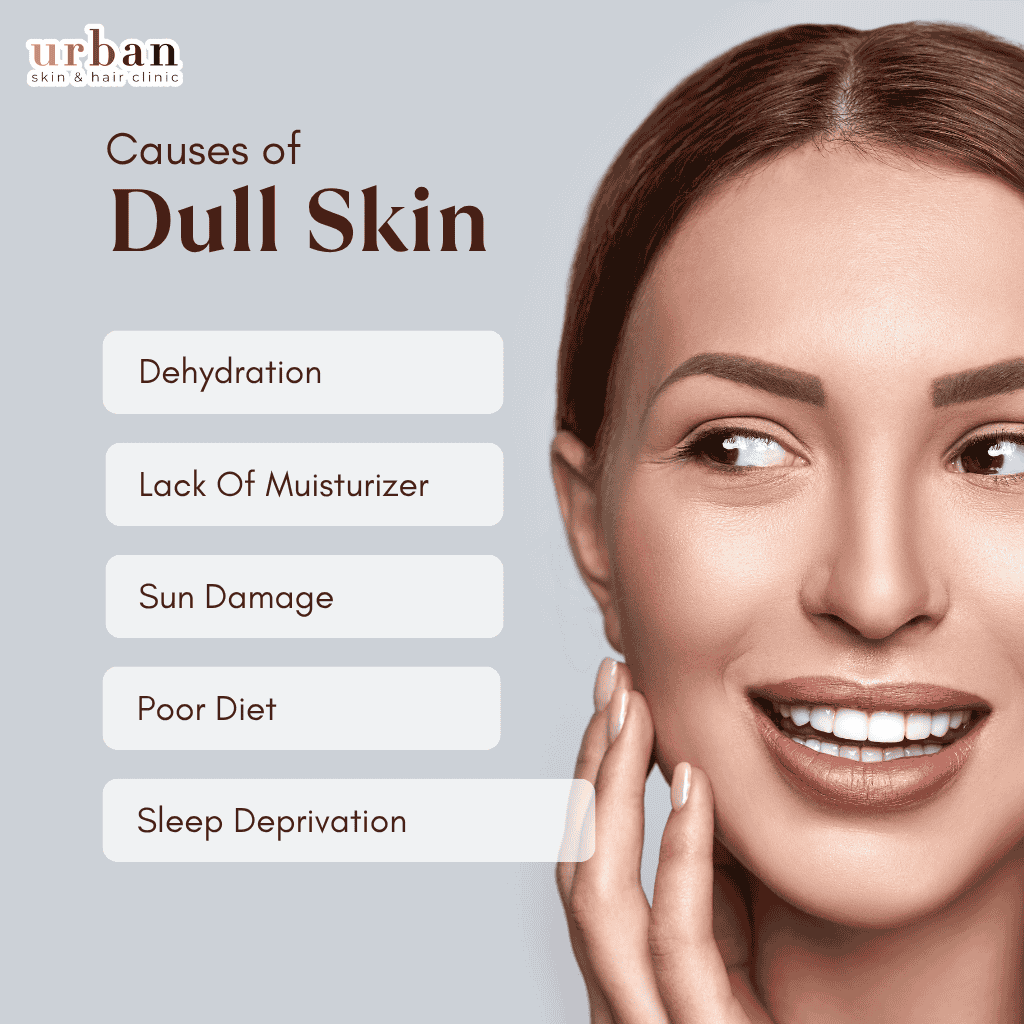
Credit: urbanskinhairclinic.com

Credit: cnalifestyle.channelnewsasia.com
Frequently Asked Questions
Does Lack Of Sleep Cause Dull Skin?
Yes, lack of sleep reduces blood flow and slows skin cell renewal, causing dull, uneven, and tired-looking skin.
Can Skin Damage From Lack Of Sleep Be Reversed?
Yes, skin damage from lack of sleep can improve. Healthy sleep, proper skincare, and hydration help restore skin’s natural glow and texture.
Why Does My Skin Get Bad When I Don’t Sleep?
Lack of sleep raises cortisol, causing skin inflammation and breakouts. It reduces blood flow, leading to dull, tired-looking skin. Sleep also slows healing and lowers collagen, worsening skin texture and appearance.
Can Lack Of Sleep Make You Look Uglier?
Lack of sleep causes dark circles, puffiness, dull skin, and sagging. These signs make you appear less attractive and tired.
Does Lack Of Sleep Cause Dull Skin?
Lack of sleep reduces blood flow and oxygen to skin, making it look dull and tired.
How Does Sleep Deprivation Affect Skin Healing?
Sleep loss slows skin cell repair, causing slower healing and increased skin damage.
Conclusion
Sleep deprivation harms your skin’s health and appearance. It lowers blood flow and slows skin repair. This leads to dullness, dark circles, and uneven tone. Stress from poor sleep raises harmful hormones, causing inflammation and damage. Restoring good sleep habits helps your skin heal and glow again.
Simple changes in sleep can improve your skin’s look and feel. Prioritize rest to keep your skin vibrant and healthy every day.