

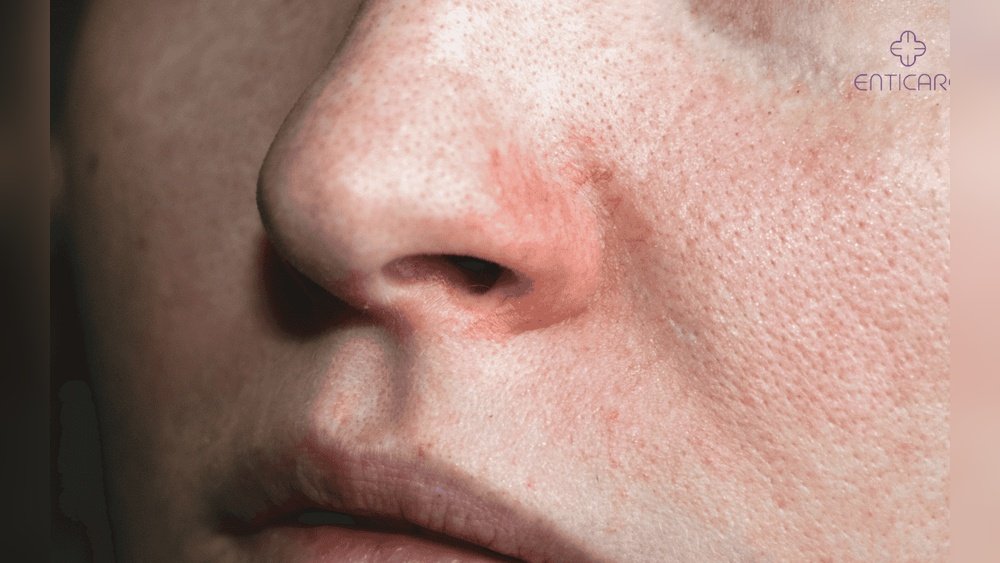
Do you notice your skin acting up every time allergy season hits? If you’ve been dealing with redness, itchiness, or unexpected bumps on your face, you’re not alone.
Seasonal allergies don’t just affect your nose and eyes—they can also take a toll on your facial skin, leaving it irritated and uncomfortable. Understanding how these allergies trigger skin reactions is the first step to protecting your complexion. Keep reading to discover why your skin reacts this way and what you can do to soothe and shield your face during allergy season.
Credit: gulfcoastfacialplastics.com
Allergy Triggers On Facial Skin
Seasonal allergies often affect the face because the skin is sensitive and exposed. Various triggers can cause redness, itching, and swelling. Understanding these triggers helps reduce skin irritation during allergy seasons.
Pollen And Environmental Factors
Pollen is one of the most common allergy triggers on facial skin. It can cause redness and swelling, especially around the eyes and nose. Dust, mold, and pollution also irritate the skin. These factors increase skin sensitivity and dryness.
Cosmetics And Skincare Products
Some cosmetics contain ingredients that worsen allergic reactions. Fragrances, preservatives, and dyes can cause itching and rashes. Using gentle, hypoallergenic products helps protect the skin. Always test new products on a small skin area first.
Food-related Allergens
Food allergies may show on the face as hives or swelling. Common offenders include nuts, dairy, and shellfish. Eating these foods can trigger skin redness and bumps. Avoiding known food allergens prevents flare-ups on facial skin.
Metals And Jewelry
Metals in jewelry, like nickel, often cause contact allergies. Skin under earrings or necklaces may become red and itchy. This reaction is called contact dermatitis. Choosing hypoallergenic metals reduces the risk of skin irritation.
Credit: www.entofga.com
Common Facial Symptoms
Seasonal allergies often affect more than just breathing and sneezing. The face, being highly sensitive, shows many common symptoms. These signs can cause discomfort and affect appearance. Recognizing these symptoms helps in managing and soothing the skin effectively.
Redness And Flushing
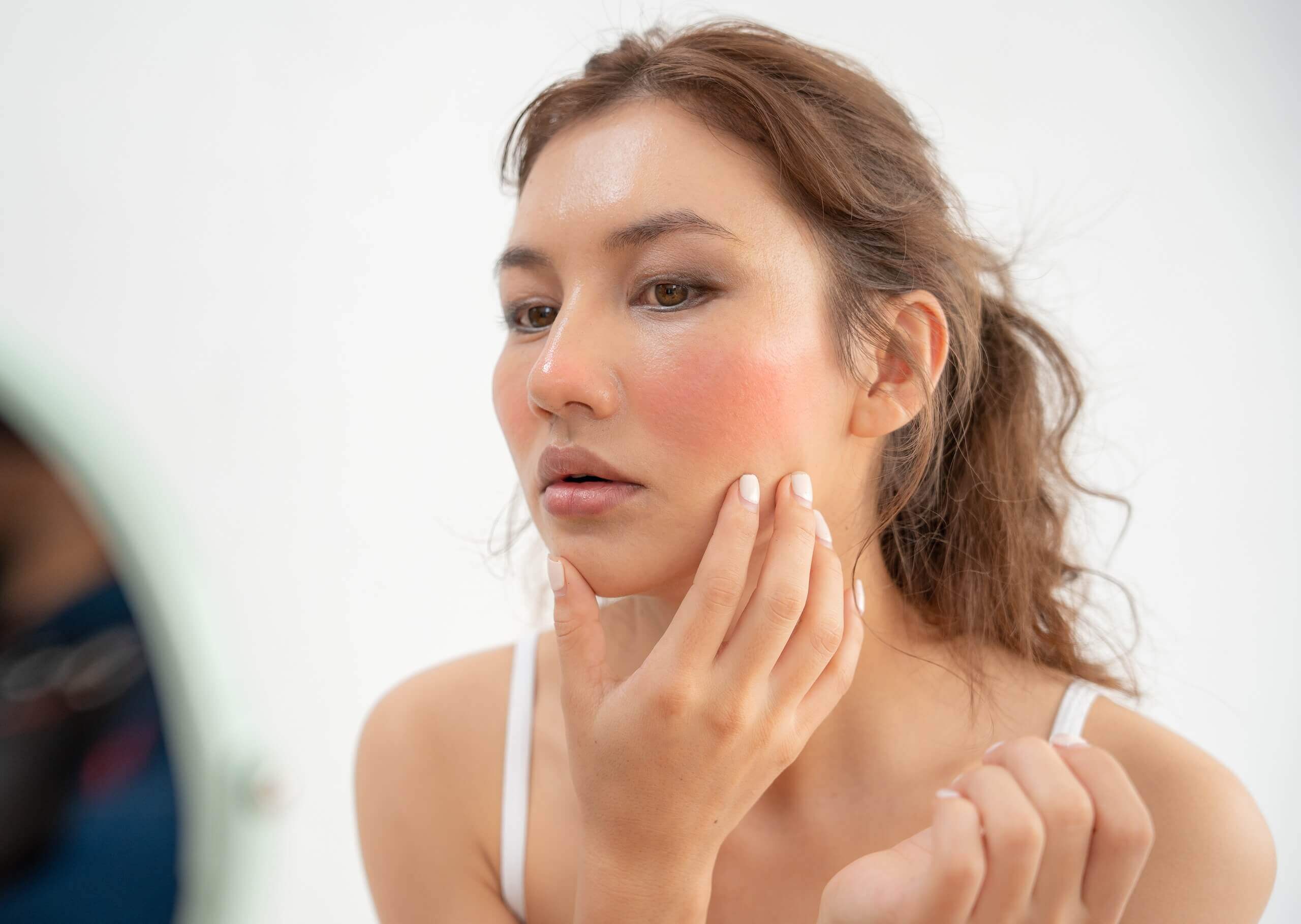
Allergens trigger the release of histamines in the skin. This causes blood vessels to widen, leading to redness and flushing. The cheeks, nose, and forehead often show a sudden, patchy red color. This reaction may feel warm or slightly tender to the touch. Redness can last from a few minutes to several hours.
Itchy Hives And Welts
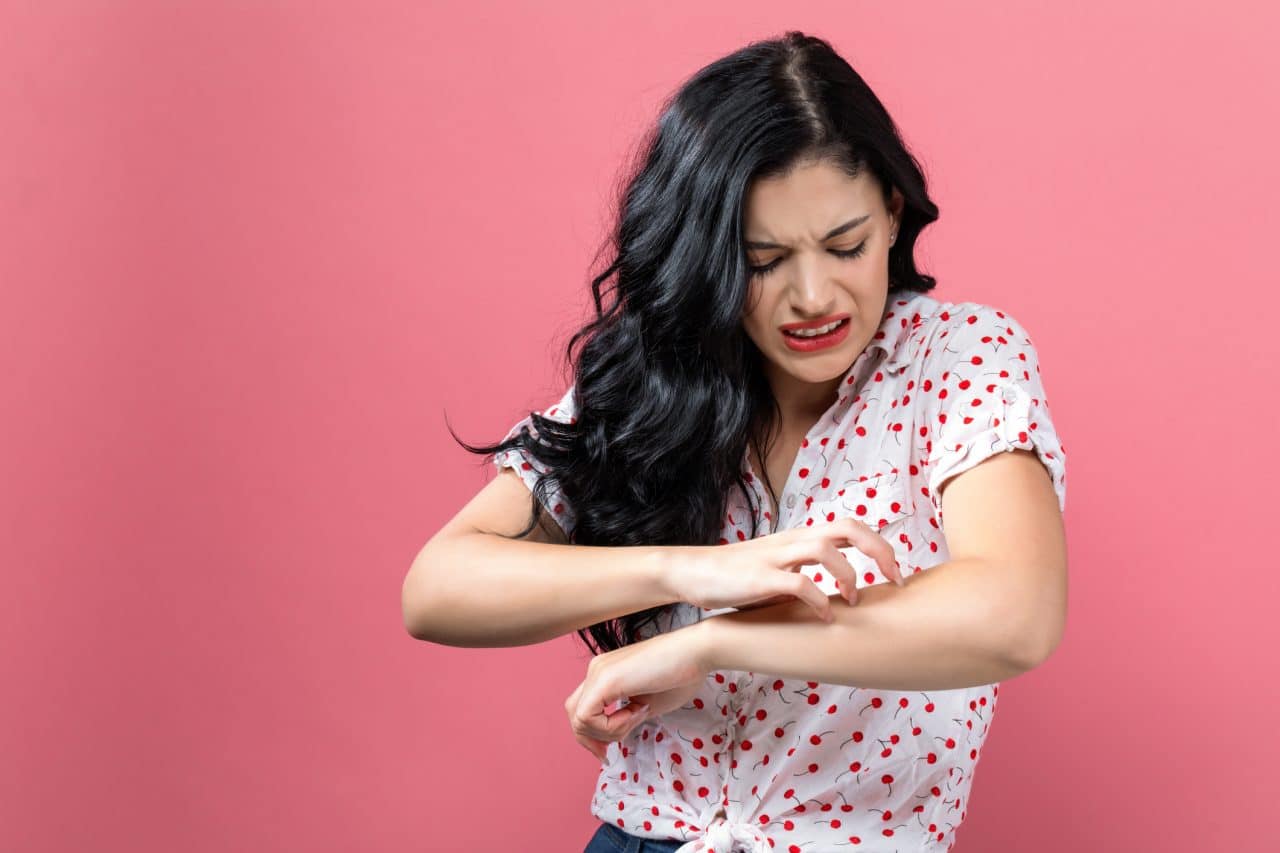
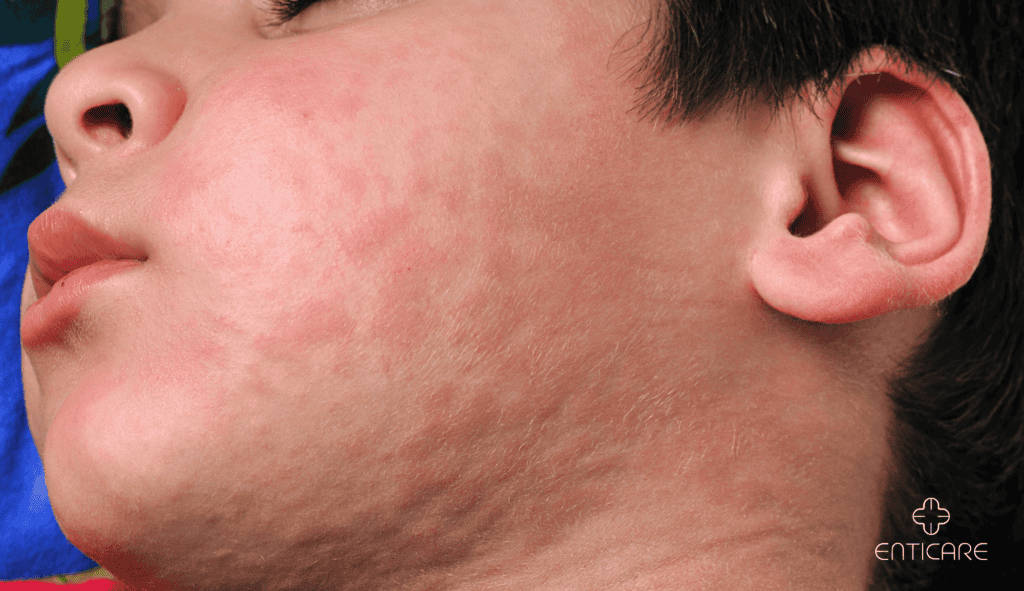
Hives are raised, red bumps that itch intensely. They can appear suddenly and spread quickly across the face. These welts vary in size and shape, sometimes merging into larger patches. Scratching only worsens the irritation and can cause the skin to break. Hives signal an active allergic response on the skin.
Swelling Around Eyes And Lips
Swelling is common in sensitive facial areas like eyes and lips. The skin may look puffy or bloated, making the eyes appear smaller. This swelling results from fluid buildup under the skin. It can cause discomfort and sometimes affect vision if near the eyes. Swelling usually follows exposure to pollen or other airborne allergens.
Dry And Scaly Patches
Allergies can cause the skin to lose moisture rapidly. This leads to dry, flaky, and scaly patches on the face. These areas often feel rough and tight, especially around the nose and mouth. Dry patches can crack and become painful if left untreated. Moisturizing and avoiding irritants help reduce these symptoms.
How Histamines Affect Skin
Histamines play a key role in how seasonal allergies affect the skin. When your body detects allergens, it releases histamines. These chemicals trigger various skin reactions. Understanding how histamines work helps explain the skin issues during allergy season.
Inflammation Mechanism
Histamines cause blood vessels to expand and become more porous. This leads to redness and swelling in the skin. The immune system’s response results in inflammation. The face, especially around the nose and eyes, is highly sensitive. Inflammation makes the skin feel hot and irritated.
Impact On Skin Barrier
Histamines weaken the skin’s natural barrier. This barrier protects against moisture loss and external irritants. When damaged, the skin becomes dry and flaky. Allergic reactions worsen this condition. A weak barrier also increases the chance of infections and prolonged irritation.
Eye Irritation And Watering
Histamines affect the eyes by causing itching and redness. The eyes may water excessively to flush out allergens. This watering can irritate the delicate skin around the eyes. Rubbing the eyes worsens the irritation and may lead to dark circles or puffiness.
Distinguishing Allergies From Other Conditions
Understanding the difference between seasonal allergy symptoms and other skin conditions is important. Allergies can mimic common skin problems, making it hard to know the cause. Proper identification helps in choosing the right treatment. Recognizing key signs separates allergies from acne, contact dermatitis, or other issues.
Differences From Acne
Acne often shows as blackheads, whiteheads, or pimples. These appear mainly on the face, chest, and back. Allergic reactions usually cause redness, swelling, and itching instead. Acne lesions are often filled with pus. Allergy symptoms rarely have pus but include hives or raised bumps. Acne develops slowly, while allergy symptoms appear quickly after exposure.
Identifying Contact Dermatitis
Contact dermatitis results from skin touching irritants or allergens. It causes red, itchy patches or blisters. Allergic reactions to pollen or foods usually affect wider skin areas. Contact dermatitis appears where the skin met the allergen or irritant. It may cause dry, cracked skin or oozing sores. Allergy symptoms often include swelling around the eyes or lips, which contact dermatitis rarely causes.
When It’s More Than A Rash
Some allergic skin reactions can become serious. Look for swelling of the face, lips, or throat. Difficulty breathing or swallowing needs emergency care. Persistent redness and itching may mean a chronic allergy or another condition. Skin infections can develop if scratching is severe. Timely medical advice prevents complications and ensures proper care.
Treatment And Prevention Tips
Seasonal allergies can cause uncomfortable skin issues on the face. Treating and preventing these problems helps keep your skin calm and healthy. Simple steps can reduce redness, swelling, and itchiness. Careful attention to skin and environment is key for relief.
Using Antihistamines
Antihistamines block the chemicals that cause allergy symptoms. They reduce itching, redness, and swelling on the skin. Taking antihistamines early in allergy season can prevent flare-ups. Choose non-drowsy types for daytime use. Always follow the dosage instructions on the package.
Avoiding Known Allergens
Identify what triggers your seasonal allergies. Common allergens include pollen, dust, and mold. Stay indoors when pollen counts are high. Keep windows closed and use air purifiers. Wear sunglasses outdoors to protect eyes and skin. Washing your face after being outside removes allergens.
Skincare Routine Adjustments
Switch to gentle, fragrance-free cleansers during allergy season. Avoid harsh scrubs that irritate sensitive skin. Apply a soothing moisturizer to calm redness and dryness. Use sunscreen daily to protect inflamed skin from sun damage. Avoid makeup that can clog pores and worsen irritation.
When To Seek Medical Help
Seek a doctor if symptoms worsen or do not improve. Severe swelling, pain, or blistering needs medical attention. A healthcare provider can prescribe stronger treatments or allergy shots. Emergency help is necessary for breathing problems or severe facial swelling. Early treatment prevents complications and speeds healing.
Credit: enticare.com
Frequently Asked Questions
Can Seasonal Allergies Affect Your Face?
Seasonal allergies can cause facial redness, swelling, itching, and watery eyes. Histamine release triggers inflammation, especially around the nose and eyes. Avoid allergens and use antihistamines to reduce symptoms. Persistent or severe reactions require medical attention.
What Do Allergies Look Like On Your Face?
Allergies on the face cause redness, swelling, itchy hives, tiny bumps, dry patches, and watery eyes. Swelling often affects lips and eyelids.
How To Treat Seasonal Skin Allergies?
Treat seasonal skin allergies by avoiding allergens like pollen and harsh cosmetics. Apply antihistamine creams and moisturize often. Use cold compresses to reduce itching and redness. Take oral antihistamines if needed. Consult a dermatologist if symptoms persist or worsen.
How Do You Treat Skin Allergies On Your Face?
Treat skin allergies on your face by gently cleansing, applying hypoallergenic moisturizer, and using antihistamines. Avoid known allergens and consult a doctor if symptoms persist or worsen.
What Skin Problems Do Seasonal Allergies Cause On The Face?
Seasonal allergies cause redness, swelling, itching, and dry patches on facial skin.
Why Does My Face Get Red And Puffy During Allergy Season?
Allergens trigger histamine release, causing inflammation and puffiness on the face.
Conclusion
Seasonal allergies often cause redness, swelling, and itchy skin on the face. These symptoms can make daily life uncomfortable and affect your confidence. Knowing the signs helps you take quick action to soothe your skin. Simple steps like avoiding allergens and using gentle skincare products can reduce irritation.
Always watch for severe symptoms and seek medical help if needed. Taking care of your skin during allergy season keeps it healthy and comfortable. Remember, managing allergies well protects your facial skin from lasting damage.