

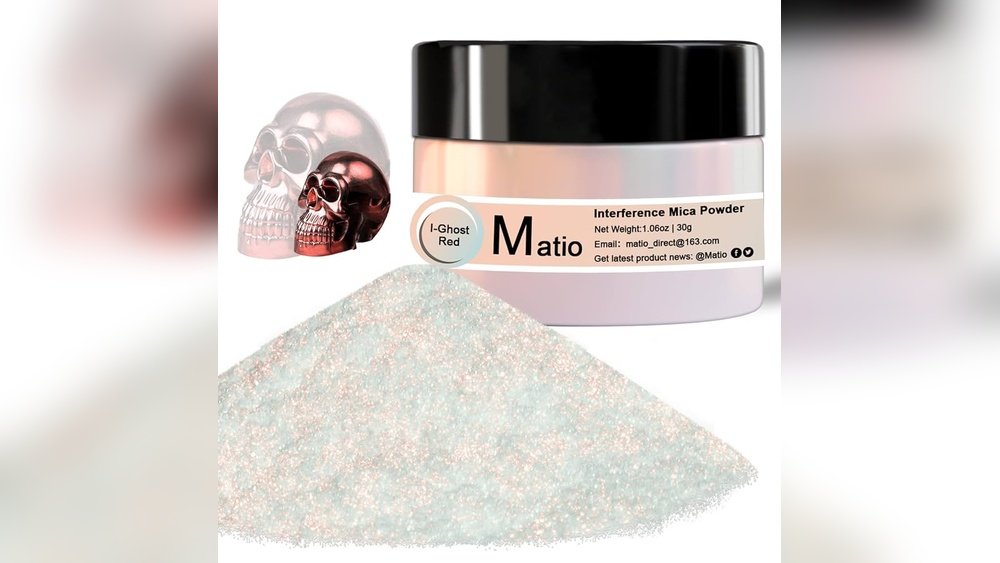
Have you ever wondered why some makeup, crafts, or art pieces catch your eye with a beautiful, soft glow? That magical shimmer often comes from a natural mineral called mica.
But how does mica create that captivating sparkle that looks so smooth and luminous? Understanding how mica interacts with light can change the way you see shimmer in everything from cosmetics to DIY projects. You’ll discover the secret behind mica’s unique glow and learn why it’s different from ordinary glitter.
Ready to uncover the science and beauty of mica’s shimmer? Let’s dive in!
Mica’s Natural Origin
Mica creates shimmer by reflecting and bending light on its thin, flat surfaces. These natural mineral flakes catch light, producing a soft, glowing shine. The size and shape of mica particles affect how brightly they shimmer.
Mica is a mineral found deep in the earth’s crust. It forms in layers and sheets over millions of years. This natural formation gives mica its unique, shiny appearance.
People mine mica from rocks in many parts of the world. After mining, mica is cleaned and crushed into small flakes or powder. These tiny pieces reflect light beautifully, creating a soft shimmer.
Where Mica Comes From
Mica forms in igneous and metamorphic rocks. These rocks experience heat and pressure underground. This process creates thin, flat sheets of mica. The sheets can be separated easily, making mica easy to collect.
Why Mica Shimmers
Mica’s shimmer comes from its layered structure. Each thin layer reflects and bends light. Light passes through some layers and bounces off others. This interaction causes a glowing, sparkling effect.
Natural Colors Of Mica
Mica appears in many natural colors. It can be clear, silver, gold, or even pink. These colors come from minerals mixed in during formation. The natural hues add depth to the shimmer mica creates.

Credit: www.amazon.com
Light Interaction And Shimmer
Mica’s shimmer comes from how it plays with light. Its tiny flakes reflect and bend light in unique ways. This creates a glowing, sparkling effect that catches the eye. The shimmer changes depending on the angle and light source.
Understanding mica’s light interaction helps explain its beautiful shine. The mineral’s shape and size impact how light moves through it. This makes mica a popular choice for cosmetics and crafts that need a natural glow.
Reflection: Bouncing Light Off Mica Surfaces
Mica flakes have smooth surfaces that reflect light clearly. This reflection causes the bright, shiny spots you see. The more uniform the flakes, the stronger the shine appears.
Refraction: Bending Light Inside Mica Particles
Light bends when it passes through mica flakes. This refraction splits light into different directions. The bending effect adds depth to the shimmer, making it look rich and layered.
Transmission: Letting Light Pass Through Mica
Some light passes through mica flakes, not just reflecting off them. This transmission adds a soft glow beneath the surface. It helps create a pearly, luminous effect that changes with movement.
Particle Size And Shape Impact
Small, flat mica flakes create a smooth shimmer. Larger or uneven flakes scatter light more, producing sparkle. The shape and size decide if the shimmer looks subtle or bold.
Orientation: How Mica Aligns Affects Shimmer
The way mica flakes lie on a surface changes the shimmer effect. Aligned flakes reflect light uniformly, creating a steady shine. Randomly placed flakes create a sparkling, twinkling effect.
Particle Size And Shape Effects
Mica’s shimmer comes from tiny, flat particles that reflect and bend light. The size and shape of these particles create a soft, glowing effect. Their layered structure helps mica catch light from different angles, producing its unique sparkle.
Particle Size Effects
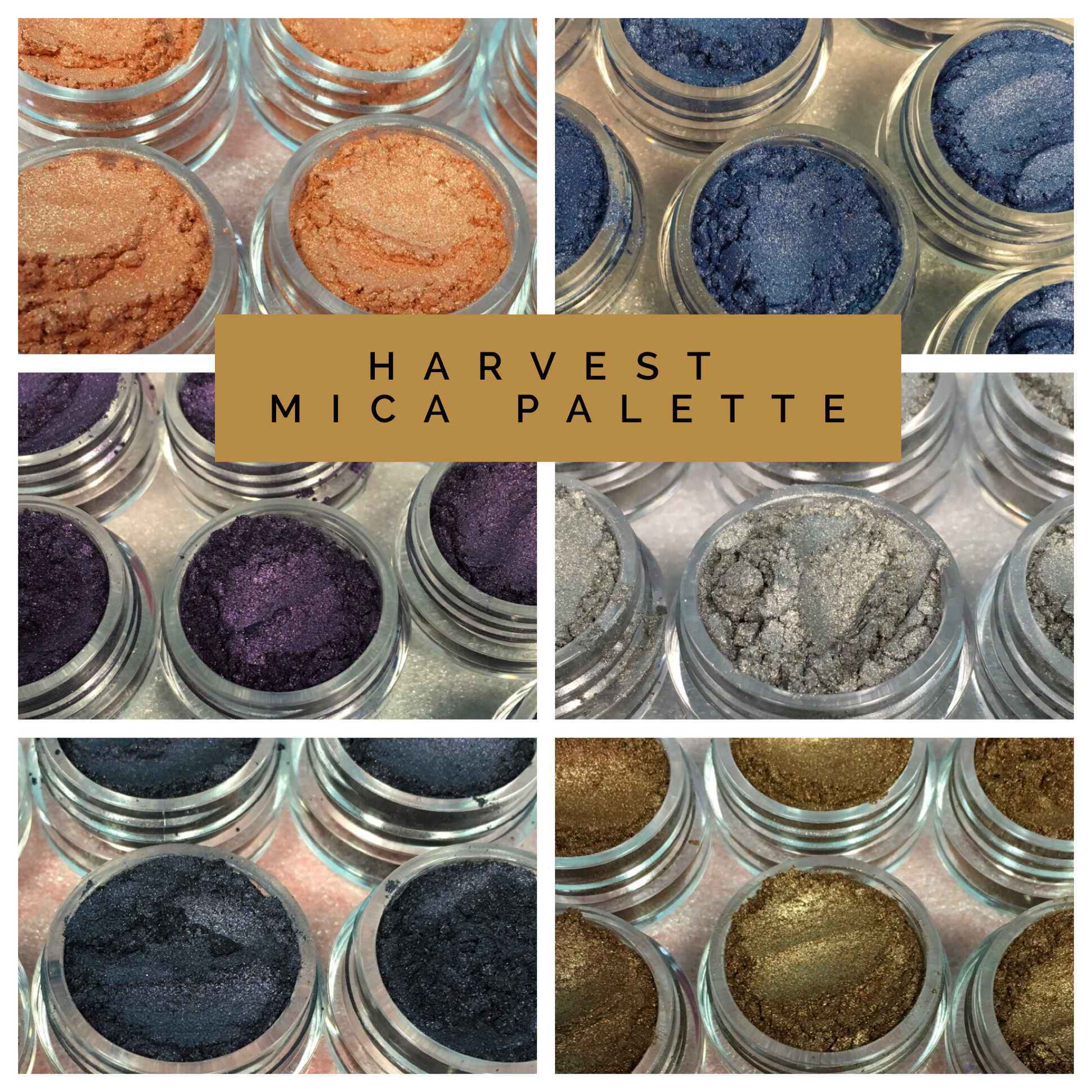
Mica particles come in different sizes. Large particles reflect more light. This creates a bold shimmer effect. Smaller particles scatter light softly. They produce a subtle, pearly glow. The size also affects how mica feels on the skin. Fine particles feel smooth and silky. Coarser particles may feel gritty or rough. Choosing the right size depends on the look and texture desired.
Particle Shape Effects
Mica particles have flat, plate-like shapes. These shapes help reflect light evenly. Flat plates create a mirror-like shine. Irregular shapes scatter light in many directions. This gives a sparkling shimmer. The shape also influences how mica layers. Flat particles stack smoothly for a glossy finish. Uneven shapes add texture and depth. Shape control allows artists to create various shimmer styles.
Credit: createalong.com
Mica Vs Glitter Sparkle
Choosing between mica and glitter sparkle affects the final shimmer look. Both add shine but differ in texture and light reflection. Understanding these differences helps pick the right shimmer for your project or product.
Mica: Natural Mineral With Soft Glow
Mica is a natural mineral found in the earth. It breaks into tiny, irregular flakes. These flakes reflect light gently, creating a soft shimmer. Mica’s texture feels smooth and silky on the skin. It produces a natural, pearl-like shine that many love.
Glitter: Bright And Bold Sparkle
Glitter is made from plastic, metal, or glass. It has small, uniform pieces cut by machines. Glitter reflects light sharply, giving a bright, intense sparkle. The texture feels grainy or sandy. Glitter creates a flashy, eye-catching effect.
Texture And Feel Differences
Mica powders are fine and powdery. They blend smoothly into products like makeup or paint. Glitter pieces are larger and rougher. They can feel scratchy on the skin or surfaces. This affects how comfortable and suitable each option is.
Light Reflection And Shine
Mica reflects and refracts light softly. It gives a glowing, glowing shimmer. Glitter reflects light directly for a twinkling effect. This bright sparkle stands out more but is less subtle. The choice depends on the desired shimmer style.
Creative Uses Of Mica Shimmer
Mica shimmer adds a unique glow to many creative projects. Its natural sparkle makes items look bright and eye-catching. Artists and crafters use mica in many ways. It can turn simple materials into stunning works of art. Below are some popular creative uses of mica shimmer.
Each use highlights mica’s ability to reflect light and add depth. These examples show how mica brings beauty to everyday items.
Makeup And Body Art
Mica shimmer is popular in makeup products. It creates a soft glow on skin. Lipsticks, eyeshadows, and highlighters often contain mica. Body artists use mica powders to add sparkle to face paint and temporary tattoos. The shimmer catches light for a radiant look without harsh shine.
Crafts And Diy Projects
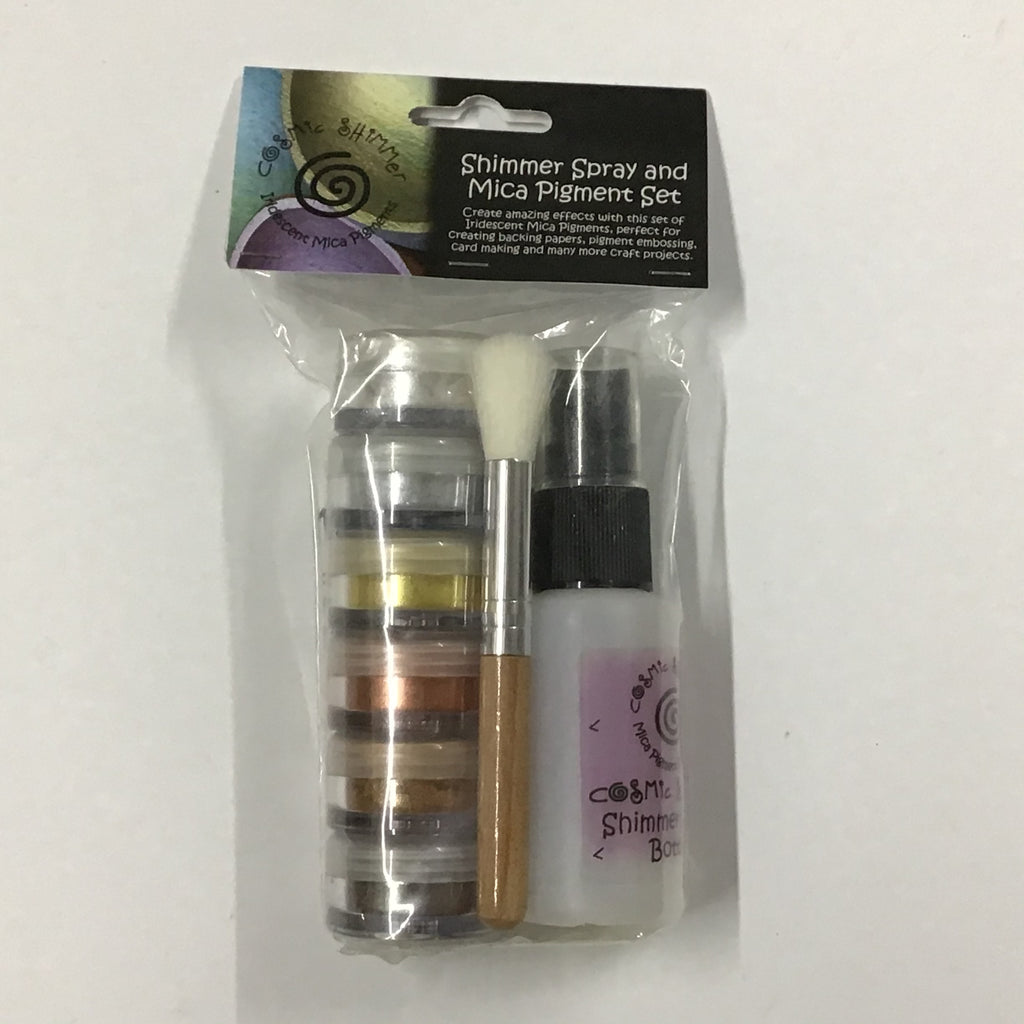
Crafters mix mica powder into paints and resins. It adds shimmer to handmade cards, decorations, and jewelry. Mica can also color candles and soaps. Small amounts create a pearl-like shine that changes with light angle. This effect makes crafts look more professional and elegant.
Home Décor Enhancements
Mica shimmer brightens home décor items. People add it to wall paints or finishes. It can highlight textures and patterns subtly. Mica is also used in pottery and ceramics. The shimmer makes surfaces gleam under soft lighting. This adds warmth and style to a room.
Fashion And Textiles
Textile designers use mica to give fabric a soft shine. The powder can be mixed into fabric paints or sprays. It adds shimmer to clothing and accessories. This technique creates a delicate sparkle without stiffness. Mica’s natural feel suits many fashion styles.
Credit: rossartandcraft.com
Frequently Asked Questions
Why Does Mica Shimmer?
Mica shimmers because its thin, flat mineral flakes reflect and refract light. Their layered structure creates a sparkling effect.
How To Make Body Shimmer With Mica Powder?
Mix mica powder with a carrier oil or lotion. Apply evenly on skin for a smooth, glowing shimmer. Blend well for best results.
Is Mica Powder Always Sparkly?
Mica powder usually sparkles due to its natural mineral flakes. Some varieties offer a soft shimmer, not always bright sparkle.
What Is The Difference Between Glitter And Mica?
Mica is a natural mineral with irregular flakes, giving a soft, silky shimmer. Glitter is machine-cut plastic or metal, producing bright, uniform sparkle.
What Makes Mica Powder Create A Shimmering Effect?
Mica reflects and refracts light because of its tiny, flat mineral flakes, causing a natural shimmer.
How Does Mica Particle Size Affect Shimmer Quality?
Smaller particles create a softer glow, while larger flakes produce a more intense sparkle.
Why Is Mica Shimmer Different From Glitter Sparkle?
Mica gives a smooth, natural shine, while glitter has a bright, rough sparkle.
Conclusion
Mica creates shimmer by reflecting and bending light on its surface. Its tiny, flat flakes catch light from many angles. This gives a soft, glowing shine that feels smooth and natural. The shimmer changes as the mica moves or light shifts.
Many artists and makers use mica for this unique effect. Understanding mica’s role helps you appreciate its beauty more. Its natural glow stands out without harsh sparkle. This simple mineral adds a gentle shimmer to many products. Mica’s light play makes shimmer both subtle and eye-catching.