


Have you noticed your forehead feeling rough or irritated after applying sunscreen? It’s frustrating when a product meant to protect your skin ends up causing discomfort instead.
If your forehead texture changes or becomes flaky soon after sunscreen use, you’re not alone—and it’s important to understand why this happens. You’ll discover the common reasons behind forehead roughness after sunscreen use, how to identify if your skin is reacting, and simple steps you can take to soothe and prevent this issue.
Keep reading to find out how to keep your skin smooth and protected without the unwanted side effects.
Reasons For Forehead Roughness
Forehead roughness after using sunscreen is a common concern. Various factors can cause this uncomfortable skin reaction. Understanding these reasons helps you choose the right product and care for your skin better.
Skin reacts differently to sunscreen ingredients. Some reactions cause dryness and rough texture on the forehead. Identifying the cause is the first step to clear and smooth skin.
Irritant Contact Dermatitis
Irritant contact dermatitis happens when the skin reacts to harsh chemicals. Sunscreens often contain preservatives and fragrances that irritate sensitive skin. This irritation leads to redness, dryness, and rough patches on the forehead. It usually appears soon after applying sunscreen. The skin barrier weakens, causing discomfort and roughness.
Allergic Reactions
Allergic reactions occur when the immune system overreacts to certain sunscreen ingredients. This reaction causes inflammation, itching, and rough skin texture. Common allergens include chemical filters like oxybenzone and avobenzone. Allergic contact dermatitis may develop hours or days after exposure. The forehead, being more exposed, often shows these symptoms first.
Ingredient Sensitivities
Some people have sensitivities to specific ingredients in sunscreen. These sensitivities do not involve the immune system but still cause skin problems. Ingredients like alcohol, preservatives, and certain emulsifiers can dry out the skin. Dry skin feels rough and flaky, especially on the forehead. Choosing sunscreens with gentle, hypoallergenic formulas can reduce this risk.
Common Sunscreen Ingredients Causing Issues
Sunscreens protect skin from harmful UV rays. Yet, some ingredients can cause roughness or irritation. Understanding these components helps identify the cause. This way, you can choose sunscreens that suit your skin better.
Chemical Filters
Chemical filters absorb UV rays to protect skin. Common ones include oxybenzone, avobenzone, and octocrylene. These ingredients may cause irritation or allergic reactions in sensitive skin. They can disrupt the skin barrier, leading to dryness and roughness. People with sensitive skin should test sunscreens with chemical filters carefully.
Fragrances And Preservatives
Fragrances add scent to sunscreens but often cause irritation. Preservatives like parabens and methylisothiazolinone keep products fresh. These substances can trigger allergic contact dermatitis. The reaction may cause redness, itching, and rough skin texture. Choosing fragrance-free and preservative-free sunscreens reduces the risk of these issues.
Physical Blockers
Physical blockers, such as zinc oxide and titanium dioxide, sit on the skin’s surface. They reflect UV rays without absorbing them. Some formulas with physical blockers can feel heavy or chalky. This may clog pores and cause rough patches. Opt for micronized or non-nano particles for smoother application and less irritation.
Symptoms To Watch For
Noticing forehead roughness after using sunscreen can be frustrating. Recognizing early symptoms helps manage discomfort and avoid worsening skin issues. Watch carefully for signs that suggest your skin is reacting to the sunscreen.
Redness And Itching
Redness often appears as the first sign of irritation. The forehead might feel warm or look flushed. Itching usually follows, causing a strong urge to scratch. This sensation can make the skin feel sensitive and uncomfortable.
Peeling And Flaking
Peeling skin signals dryness and damage to the outer layer. Small flakes or scales may come off easily. This can leave the forehead looking dull and uneven. Peeling often indicates the skin barrier is compromised and needs extra care.
Bumps And Dryness
Small bumps may form on the forehead, making it feel rough. These bumps can be red or skin-colored and may cause mild irritation. Dryness usually accompanies these bumps, causing tightness and discomfort on the skin.

Credit: rescuemd.com
Immediate Relief Tips
Forehead roughness after using sunscreen can cause discomfort and irritation. Immediate relief is essential to calm the skin and prevent further damage. Follow these simple steps to soothe your forehead quickly and safely.
Discontinue Problematic Sunscreen
Stop using the sunscreen that caused the roughness right away. Continuing use may worsen irritation and delay healing. Switch to a sunscreen with fewer chemicals or one labeled for sensitive skin. Always test a small area before applying fully.
Apply Cool Compresses
Place a cool, damp cloth on your forehead for 10 to 15 minutes. This reduces redness and calms inflammation. Repeat several times a day to keep the skin comfortable and hydrated. Avoid hot water or harsh scrubbing during this time.
Use Gentle Moisturizers
Choose a fragrance-free, gentle moisturizer to restore moisture. Apply it lightly to avoid clogging pores. Look for products with soothing ingredients like aloe vera or ceramides. Moisturizing helps repair the skin’s barrier and reduce roughness quickly.
Preventing Future Reactions
Preventing future reactions to sunscreen is key to maintaining healthy, smooth skin. Understanding the causes of forehead roughness helps you choose safer products. Taking simple steps can reduce the risk of irritation or allergic reactions. Here are effective ways to protect your skin and avoid discomfort after sunscreen use.
Patch Testing New Products
Patch testing helps identify if a product causes irritation before full use. Apply a small amount of sunscreen on your inner arm. Wait 24 to 48 hours to check for redness or itching. If no reaction occurs, the product is likely safe for your face. This simple test prevents widespread skin issues and saves discomfort.
Choosing Sensitive Skin Formulas
Look for sunscreens labeled for sensitive skin. These products usually avoid harsh chemicals and fragrances. Mineral sunscreens with zinc oxide or titanium dioxide often cause fewer reactions. Avoid products with alcohol, parabens, or strong fragrances. Using gentle formulas reduces the chance of forehead roughness and keeps skin calm.
Sun Protection Alternatives
Consider other ways to protect your skin from the sun. Wearing wide-brim hats or seeking shade lowers sun exposure. Lightweight, breathable clothing can cover your forehead and face. Use sunglasses to protect the delicate eye area. Combining these methods with sunscreen helps prevent sun damage and skin irritation.

Credit: www.sonreiskin.com
When To Seek Medical Help
Forehead roughness after using sunscreen can be uncomfortable and concerning. Most skin reactions improve with simple care and stopping the product. Some signs show you need expert medical advice. Knowing when to seek help protects your skin and health. Watch for symptoms that last longer or worsen over time.
Persistent Symptoms
If roughness stays on your forehead for more than two weeks, see a doctor. Ongoing dryness, redness, or irritation means your skin needs special attention. Do not keep using the sunscreen causing the problem. Persistent symptoms can lead to more serious skin damage without proper care.
Severe Skin Reactions
Severe reactions include swelling, intense itching, or painful blisters. If your forehead skin cracks, bleeds, or develops open sores, get medical help fast. A fever or feeling unwell with skin symptoms also requires a doctor’s visit. These signs show your body is reacting strongly and may need prescription treatment.
Professional Treatment Options
Doctors can offer treatments like medicated creams or oral medicines to reduce inflammation. Allergy tests help find the exact cause of your skin reaction. Sometimes, changing your skincare routine or using special products is necessary. Professional care speeds healing and prevents long-term skin problems.
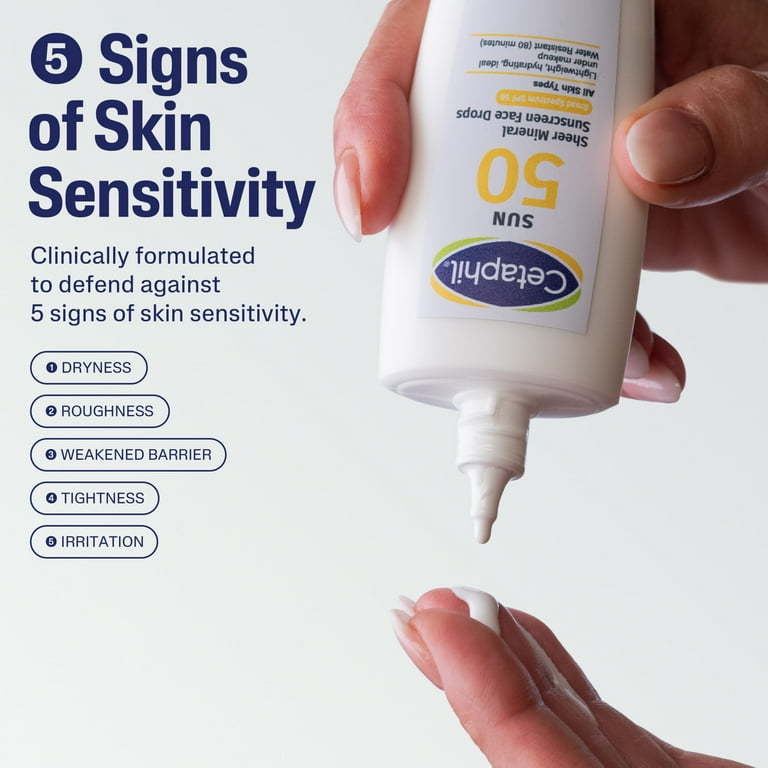
Credit: www.walmart.com
Frequently Asked Questions
Why Is My Skin Getting Rough After Using Sunscreen?
Your skin may get rough due to irritation or allergic reaction to sunscreen ingredients. Dryness or improper removal can worsen texture. Choose hypoallergenic sunscreens and moisturize skin regularly to prevent roughness.
How Long Can A Reaction To Sunscreen Last?
A reaction to sunscreen can last from a few days to several weeks. Duration depends on sensitivity and severity. Avoiding triggers and proper care helps speed healing. Seek medical advice if symptoms worsen or persist.
What Is The 3 Finger Rule For Sunscreen?
The 3 finger rule suggests applying sunscreen along three finger widths to cover the face adequately. This ensures enough product for effective sun protection.
Why Does My Face Become Oily After Applying Sunscreen?
Your skin produces extra oil after sunscreen because some formulas clog pores or contain moisturizing agents. This increases shine and oiliness.
Conclusion
Forehead roughness after sunscreen use can be frustrating. Often, it happens because of skin sensitivity or allergic reactions. Choosing the right sunscreen matters a lot. Look for gentle, fragrance-free formulas made for sensitive skin. Stop using any product that irritates your skin.
Keep your forehead clean and moisturized to help healing. Avoid scratching to prevent infections and worsening roughness. If the problem lasts or worsens, see a healthcare professional. Proper care and the right sunscreen will protect your skin without discomfort. Taking these steps keeps your forehead smooth and healthy.