

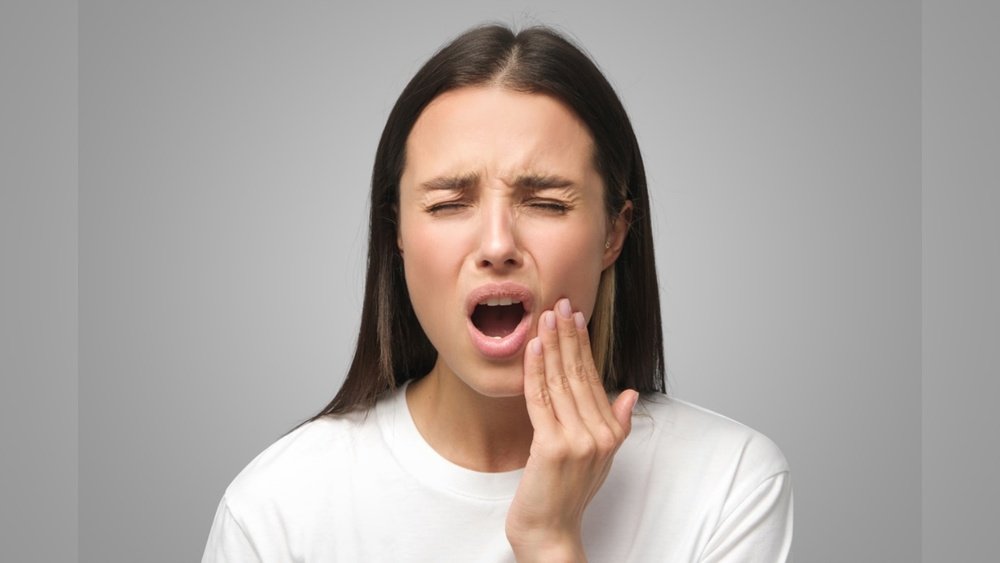
Have you noticed your face looking puffier as the day goes on, especially by evening? Facial swelling that worsens in the evening can be frustrating and uncomfortable, leaving you wondering why this happens and what you can do about it.
You might think it’s just tiredness or a rough day, but there’s often more behind that stubborn puffiness. Whether it’s due to your sleeping habits, what you eat, or even hidden health issues, understanding the causes is the first step to finding relief.
Keep reading to discover why your face swells as the day progresses and how simple changes can help you feel more confident and comfortable by nightfall.
Credit: www.smilearizonadentistry.com
Evening Facial Swelling Causes
Facial swelling that worsens in the evening can be frustrating and uncomfortable. Understanding the main causes helps you manage and reduce this issue. Several factors contribute to the buildup of fluid and puffiness as the day goes on.
Fluid Buildup From Lying Flat
Lying flat during sleep causes fluid to collect in your face. Gravity no longer pulls fluid down, so it pools around your eyes and cheeks. This swelling often becomes more noticeable by evening. Poor sleep positions, like lying on your stomach, can worsen one-sided puffiness. Elevating your head while sleeping helps reduce fluid buildup.
Diet And Lifestyle Factors
Eating salty foods causes your body to hold extra water. Processed snacks and fast food often contain high sodium levels. Drinking alcohol also leads to dehydration, triggering water retention. Lack of physical activity reduces circulation, making swelling worse. Drinking enough water and moving regularly can lower puffiness.
Allergies And Environmental Triggers
Allergens such as dust, pollen, or pet dander can cause facial swelling. Exposure to these irritants over the day increases puffiness by evening. Allergic reactions cause inflammation and fluid buildup in facial tissues. Using air filters and cleaning your home often helps reduce exposure. Allergy medications may also relieve symptoms.
Hormonal Influences
Hormonal changes affect fluid balance in your body. Women may notice facial swelling during their menstrual cycle or pregnancy. Hormones like estrogen can cause the body to retain more water. Stress and lack of sleep can worsen hormonal imbalances. Managing stress and maintaining a regular sleep schedule helps control swelling.
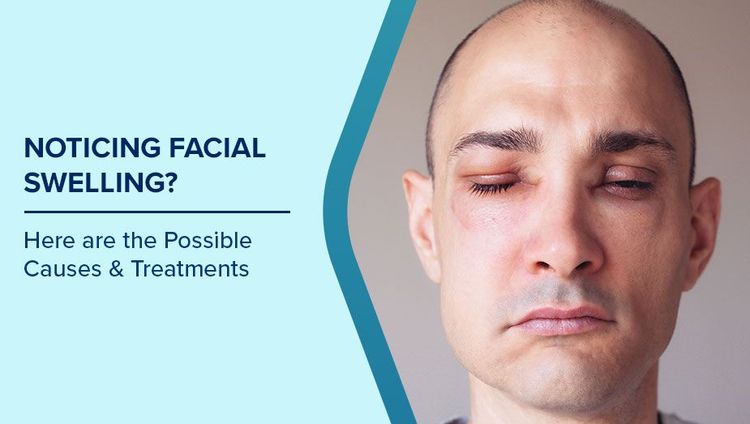
Credit: www.maxhealthcare.in
Less Common Triggers
Facial swelling that worsens in the evening may not always have obvious causes. Sometimes, less common triggers play a significant role. These triggers often go unnoticed but can impact how your face feels by day’s end. Understanding these factors helps manage and reduce swelling effectively.
Poor Sleep Quality
Poor sleep quality can cause your body to hold onto fluids. Lack of restful sleep affects how your body processes fluids and toxins. This can lead to increased puffiness, especially in the face. Sleep problems may also increase stress, which worsens swelling.
Circulation Issues
Problems with blood flow can cause fluid buildup in the face. Conditions like venous insufficiency slow down circulation and trap fluids. This leads to swelling that worsens during the day. Improving circulation can reduce evening puffiness.
Underlying Medical Conditions
Certain health issues may cause chronic facial swelling. Thyroid disorders such as hypothyroidism affect fluid balance in the body. These conditions often cause persistent puffiness that gets worse over time. Consulting a doctor can help identify and treat these causes.
Infections Affecting The Face
Infections like sinusitis or a tooth abscess cause localized swelling. These infections trigger inflammation and fluid accumulation in facial tissues. Symptoms usually worsen throughout the day and can cause discomfort. Treating infections promptly helps reduce swelling.
How Sleeping Positions Affect Swelling
Sleeping positions play a key role in facial swelling that worsens by evening. The way you lie down affects how fluids move in your body. Certain positions can cause fluids to pool in your face. Understanding these effects helps reduce puffiness and discomfort.
Impact Of Lying Flat
Lying flat causes fluids to spread evenly in the body. This can lead to fluid collecting in the face. Gravity no longer helps move fluids away from the face. Puffiness and swelling often increase by the end of the day. Many people find their cheeks and eyelids look swollen after lying flat for hours.
Flat positions slow down fluid drainage from the face. This results in a heavier, puffier feeling. People who lie flat often wake up with a swollen face. This swelling usually worsens as the day goes on.
Side And Stomach Sleeping Effects
Sleeping on your side or stomach causes uneven pressure on the face. This pressure can block fluid flow on the side that touches the pillow. The side of the face pressed down may swell more. This leads to one-sided puffiness and discomfort.
Side sleeping may also cause skin creases and irritation. Stomach sleeping can increase pressure on the jaw and cheeks. Both positions can worsen facial swelling by evening. Switching sleeping positions or using a supportive pillow may help reduce this effect.
Diet And Hydration Tips
Managing facial swelling that worsens in the evening often starts with simple changes in diet and hydration. What you eat and drink can affect how much fluid your body holds. Adjusting these habits helps reduce puffiness and improves overall comfort.
Small changes in daily habits make a big difference. Focus on reducing salt, limiting alcohol, and drinking enough water. These steps support your body’s natural balance and prevent excess fluid buildup in your face.
Reducing Sodium Intake
Sodium causes your body to keep water. Eating too much salt leads to swelling in the face. Avoid processed foods, canned soups, and salty snacks. Choose fresh fruits, vegetables, and whole grains instead. Read food labels to check sodium levels. Cooking at home helps control salt in meals.
Limiting Alcohol Consumption
Alcohol can make your face swell by dehydrating your body. Dehydration causes your body to hold extra water. Drinking less alcohol reduces puffiness and improves skin health. If you drink, choose water between alcoholic drinks. This helps keep your body hydrated and flushes out excess fluids.
Importance Of Staying Hydrated
Water keeps your body balanced and flushes out toxins. Drinking enough water prevents your body from storing excess fluid. Aim to drink at least 8 cups of water daily. Carry a water bottle to remind yourself to drink often. Proper hydration supports healthy skin and reduces evening swelling.
Allergy Management For Facial Puffiness
Managing allergies plays a key role in reducing facial puffiness that worsens in the evening. Allergic reactions often cause swelling by triggering fluid buildup under the skin. Controlling exposure to allergens can help minimize this facial swelling. Simple steps at home create a cleaner environment that reduces allergy triggers. This approach supports clearer skin and less puffiness over time.
Cleaning Bedding And Environment
Regularly wash bedding in hot water to kill dust mites and allergens. Use allergen-proof covers on pillows and mattresses. Vacuum floors and carpets often with a vacuum that has a HEPA filter. Dust surfaces using a damp cloth to avoid spreading allergens in the air. Keep pets out of the bedroom to reduce pet dander exposure. These cleaning habits reduce allergen buildup that causes facial swelling.
Using Humidifiers And Air Filters
Dry air can worsen allergy symptoms and facial puffiness. Use a humidifier to keep indoor air moist, especially in dry seasons. Air filters with HEPA technology remove pollen, dust, and pet dander from the air. Place air purifiers in bedrooms and living spaces for the best results. Clean humidifiers and filters regularly to prevent mold and bacteria growth. Proper air quality control helps decrease allergy-related facial swelling.

Credit: melbournearmclinic.com.au
Quick Relief Techniques
Facial swelling that worsens in the evening can be uncomfortable and frustrating. Quick relief techniques help ease the puffiness and improve your comfort. These simple steps focus on reducing fluid buildup and promoting better circulation. Try these easy methods at home for faster results.
Elevating The Head During Sleep
Raising your head while sleeping helps prevent fluid from pooling in your face. Use an extra pillow or a wedge to keep your head higher than your body. This position supports better drainage of fluids and reduces swelling. Avoid lying flat, as it can worsen puffiness by allowing fluids to collect.
Home Remedies To Reduce Swelling
Cold compresses work well to soothe swollen areas. Apply a clean cloth soaked in cold water or use chilled cucumber slices on your face for 10 to 15 minutes. Drinking plenty of water flushes out excess salt and reduces fluid retention. Limit salty foods and alcohol to prevent swelling from worsening. Gentle facial massage can also stimulate circulation and help move trapped fluids away.
When To See A Doctor
Seek medical advice if swelling lasts more than a few days or worsens despite home care. Sudden, painful, or uneven swelling may signal an infection or other health issue. Consult a doctor if you notice fever, difficulty breathing, or vision changes along with facial swelling. Early diagnosis ensures proper treatment and avoids complications.
Frequently Asked Questions
Why Does My Face Swell In The Evening?
Your face swells in the evening due to fluid buildup from lying flat, high sodium intake, allergies, dehydration, or hormonal changes.
Is There A Virus That Causes Facial Swelling?
Yes, viruses like mumps can cause facial swelling by infecting salivary glands. Other viral infections may also lead to swelling due to inflammation or secondary bacterial infections. Seek medical advice if swelling is severe or persistent.
Which Deficiency Causes A Puffy Face?
Iodine deficiency and hypothyroidism commonly cause a puffy face due to fluid retention and swelling.
Can Dehydration Cause Facial Swelling?
Dehydration can cause facial swelling by triggering the body to retain water. Drinking enough water helps reduce puffiness.
Conclusion
Facial swelling that worsens in the evening can signal different issues. Simple changes like adjusting your sleep position or reducing salt help a lot. Staying hydrated and limiting alcohol also reduce puffiness. Allergies and medical conditions may cause swelling too.
Persistent or severe swelling needs medical attention. Early care improves comfort and prevents problems. Keep track of symptoms and act promptly for best results.