

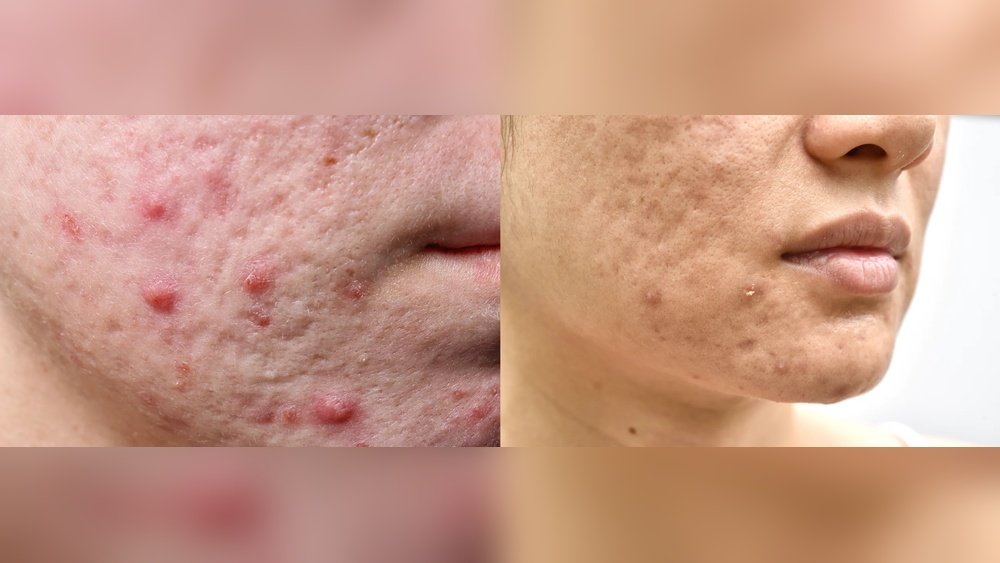
Are you struggling with facial scars left behind by painful acne cysts? You’re not alone, and the good news is that there are effective ways to improve your skin’s appearance.
Acne cyst scars can feel stubborn and frustrating, but understanding your treatment options is the first step toward smoother, clearer skin. Whether you’re looking for professional treatments like laser resurfacing and chemical peels or safe at-home care with powerful ingredients, this guide will help you discover the best approaches tailored to your needs.
Keep reading to learn how you can regain confidence and take control of your skin’s healing journey.
Laser Resurfacing Benefits
Laser resurfacing offers a powerful option for treating facial scars caused by acne cysts. This method uses focused light energy to remove damaged skin layers. It promotes new skin growth that appears smoother and more even. The treatment targets deep scars and improves overall skin texture.
Many patients see visible results after a few sessions. The skin feels tighter and fresher. Laser resurfacing also helps reduce redness and discoloration from scars. It is a precise method, working well on different skin types.
Improves Skin Texture And Tone
The laser removes the top damaged skin layers gently. This action reveals fresh, healthy skin beneath. It smooths out rough patches and uneven surfaces. The skin tone becomes more uniform and radiant. Many users notice a softer, clearer complexion.
Stimulates Collagen Production
The treatment triggers the skin’s natural healing process. This causes the body to produce collagen, a key protein for skin strength. Increased collagen helps fill in depressed scars. It also improves skin elasticity and firmness. Over time, scars become less visible and skin looks younger.
Reduces Scar Redness And Discoloration
Acne scars often show redness or dark spots. Laser resurfacing targets these areas specifically. It breaks down excess pigment and promotes even skin color. The result is a more balanced complexion free of blotchy marks. Many patients feel more confident in their appearance.
Minimal Downtime And Precision
This treatment is controlled and precise. The laser targets only the affected skin parts. Surrounding healthy skin remains safe and untouched. Recovery time is usually short, allowing a quick return to daily activities. Patients appreciate the convenience and effectiveness of laser resurfacing.
Chemical Peels And Dermabrasion
Chemical peels and dermabrasion are popular treatments for facial scars caused by acne cysts. Both methods work by removing the damaged outer skin layers. This helps the skin heal with a smoother surface and less visible scars. Many people choose these treatments to improve their skin texture and tone.
Chemical peels use special acids to peel away the top skin layer. Dermabrasion, on the other hand, uses a mechanical tool to gently scrape off the outer skin. Each treatment has its own benefits and suits different scar types.
Chemical Peels Explained
Chemical peels involve applying a controlled acid solution to the skin. The acid breaks down the damaged skin cells on the surface. After a few days, the outer skin peels off naturally. New, fresh skin replaces it, often with fewer scars.
Different strengths of peels treat various scar depths. Superficial peels work well for mild scars. Medium to deep peels target more severe scarring. A dermatologist can recommend the right peel type.
How Dermabrasion Works
Dermabrasion uses a rotating device to carefully remove the top skin layers. The process helps smooth out uneven skin caused by acne scars. It also promotes new collagen growth under the skin.
This treatment usually requires local anesthesia to reduce discomfort. Healing takes a few weeks as the skin regenerates. Results show a noticeable improvement in scar texture and skin tone.
Choosing Between Chemical Peels And Dermabrasion
The choice depends on scar type, skin sensitivity, and healing ability. Chemical peels are less invasive with shorter recovery times. Dermabrasion offers deeper resurfacing but needs more healing time.
Consulting a skin expert helps pick the best option. Both treatments may need multiple sessions for optimal results. Patience and proper aftercare play key roles in success.
Fillers For Depressed Scars
Fillers offer a popular treatment option for depressed scars caused by acne cysts. These scars appear as small indentations or pits on the skin’s surface. Fillers help raise these areas to match the surrounding skin, creating a smoother look. The procedure is quick and minimally invasive, making it suitable for many patients.
Fillers can provide immediate improvement. They often use substances like hyaluronic acid, which naturally exists in the body. This makes the treatment safe with minimal risk of allergic reactions. Results vary but typically last from several months to over a year. Repeat sessions may be necessary to maintain the effect.
How Fillers Work For Depressed Scars
Fillers add volume under the skin to lift the depressed area. The injection fills the scar, reducing its depth and visibility. This balances the skin’s surface for a more even texture. The process also stimulates collagen production, which can improve skin quality over time.
Types Of Fillers Used
Common fillers include hyaluronic acid, poly-L-lactic acid, and calcium hydroxylapatite. Each type varies in duration and firmness. Hyaluronic acid fillers are popular for their smooth consistency and safety. Poly-L-lactic acid encourages collagen growth and offers longer-lasting results. A dermatologist can recommend the best option based on scar type and skin condition.
What To Expect During Treatment
The procedure usually takes 15 to 30 minutes. A local anesthetic may be applied to reduce discomfort. The filler is injected directly into the scar using a fine needle. Some swelling or redness may occur but usually fades within a few days. Most patients return to normal activities shortly after treatment.
Benefits And Limitations
Fillers provide immediate and visible improvement. They are less invasive than surgery and require minimal recovery time. However, fillers do not remove scars completely. Their effect is temporary and requires maintenance treatments. Deep or extensive scars may need combined therapies for best results.
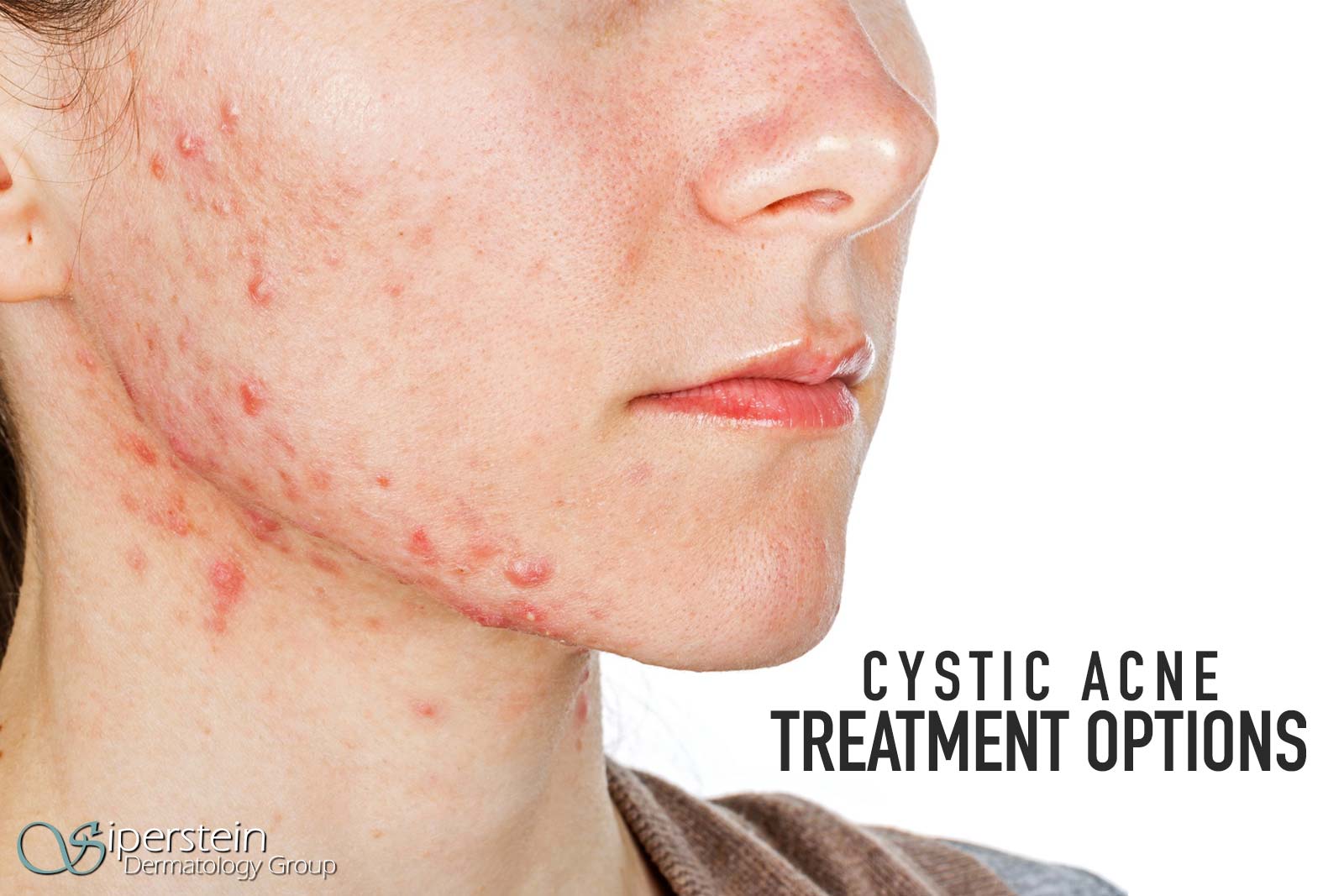
Credit: www.sipderm.com
Surgical Options For Deep Scars
Deep scars from acne cysts often require surgical treatment for effective improvement. These scars form when the skin tissue is damaged beneath the surface. Surgical options target these scars by releasing the fibrous bands that pull the skin down or by removing damaged tissue. Surgery can help smooth the skin and restore a more even texture. Patients should expect a recovery period and follow their doctor’s care instructions carefully.
Subcision
Subcision is a common surgical method for treating deep acne scars. The doctor inserts a small needle under the scar to break the fibers pulling the skin down. This releases the tension, allowing the skin to rise and appear smoother. Subcision often stimulates new collagen growth for better healing. Multiple sessions may be needed for optimal results.
Punch Excision
Punch excision removes individual deep scars by cutting them out. The doctor uses a small, round blade to excise the scar tissue. Then, the wound is closed with stitches or a skin graft. This method works well for small, deep scars that do not improve with other treatments. Healing time varies depending on the size of the excision.
Skin Grafting
Skin grafting replaces scarred skin with healthy skin from another body area. This technique suits large or deep scars that cannot be treated by simpler methods. The grafted skin helps fill the scar and improve the skin’s appearance. After surgery, the graft site and donor site need special care to heal properly.
Laser-assisted Surgery
Laser-assisted surgery combines surgical techniques with laser treatment. The laser removes damaged tissue while the surgeon reshapes the scarred area. This method reduces bleeding and swelling compared to traditional surgery. It also promotes faster healing and collagen production. Laser-assisted surgery can be tailored to different scar types.
Topical Treatments At Home
Topical treatments at home offer a simple way to improve facial scars from acne cysts. These treatments are easy to use and can help fade scars over time. Consistent care is key for visible results. Many products work by promoting skin healing and boosting collagen.
Choosing the right topical treatment depends on your skin type and scar severity. Some ingredients gently exfoliate, while others stimulate skin renewal. Using sunscreen daily protects healing skin from further damage. Patience and regular use increase chances of success.
Retinoids For Scar Healing
Retinoids come from vitamin A and help renew skin cells. They boost collagen, making skin smoother and firmer. Retinoids also reduce dark spots caused by scars. Start with a low concentration to avoid irritation. Use them at night and apply sunscreen during the day.
Vitamin C Serums
Vitamin C is a powerful antioxidant that brightens skin tone. It fades discoloration and lightens dark scars. Vitamin C also supports collagen production for firmer skin. Apply a vitamin C serum in the morning before sunscreen. Choose stable formulas for best results.
Exfoliating Acids (ahas And Bhas)
Alpha-hydroxy acids (AHAs) and beta-hydroxy acids (BHAs) gently remove dead skin cells. AHAs like glycolic acid improve skin texture and tone. BHAs like salicylic acid help clear pores and reduce inflammation. Use exfoliating acids carefully to avoid dryness. Follow instructions and use sunscreen daily.
Daily Sunscreen Use
Sunscreen protects healing skin from harmful UV rays. UV rays can darken scars and slow healing. Use a broad-spectrum sunscreen with at least SPF 30 every day. Reapply sunscreen every two hours when outdoors. Sunscreen helps maintain treatment results and prevents new damage.
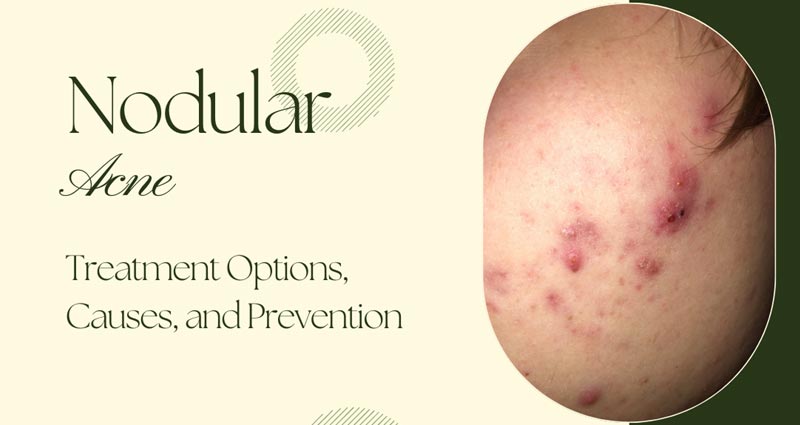
Credit: www.kolorshealthcare.com
Key Tips For Effective Healing
Healing facial scars from acne cysts takes care and patience. Proper healing helps improve skin texture and appearance. Following key tips can speed up recovery and reduce scar visibility. These steps support your skin’s natural repair process.
Keep The Wound Clean And Moisturized
Clean skin prevents infection and helps wounds heal faster. Use gentle cleansers and avoid harsh scrubs. Apply a thin layer of moisturizer to keep the skin soft. Moisturized skin heals better and reduces scar formation.
Avoid Picking Or Squeezing Scars
Touching scars can cause more damage and worsen their look. Picking increases the chance of infection and delays healing. Let your skin heal naturally without interference. Hands off is the best rule for scar care.
Protect Your Skin From The Sun
Sun exposure darkens scars and slows healing. Use broad-spectrum sunscreen with SPF 30 or higher. Reapply sunscreen every two hours outdoors. Wearing hats and seeking shade also protect healing skin.
Use Recommended Topical Treatments
Topical retinoids boost skin cell turnover and collagen. Vitamin C lightens dark spots and supports healing. Products with alpha- or beta-hydroxy acids exfoliate dead skin gently. Follow your dermatologist’s advice for the best products.
Be Patient And Consistent
Scar healing takes time and regular care. Results improve gradually with daily treatment. Avoid rushing or changing products too often. Consistency is key to achieving smoother, clearer skin.
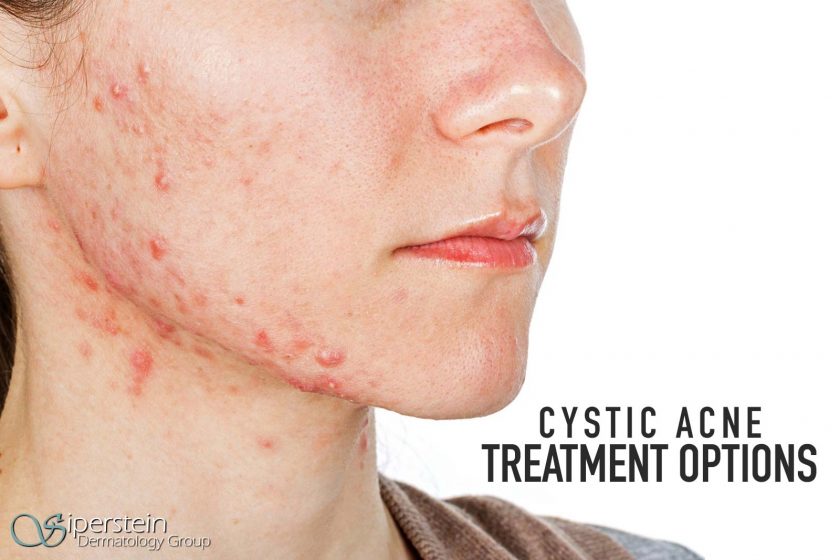
Credit: www.sipderm.com
Frequently Asked Questions
How To Get Rid Of Cystic Acne Scars?
Treat cystic acne scars with laser resurfacing, chemical peels, dermabrasion, fillers, or surgery. Use topical retinoids, vitamin C, AHAs, BHAs, and sunscreen daily. Consult a dermatologist for a tailored treatment plan and expect multiple sessions for best results.
What Is The Hardest Type Of Acne Scar To Treat?
The hardest acne scars to treat are ice pick scars. They are deep, narrow, and penetrate the skin’s surface. These scars often require multiple professional treatments like laser resurfacing or subcision for improvement. Patience and expert care are essential for effective results.
How Long Does It Take To Get Rid Of Cystic Acne Scars?
Cystic acne scars take several months to improve with consistent treatment. Multiple professional sessions and daily skincare speed healing. Patience and dermatologist guidance ensure the best results.
Can You Get Rid Of Acne Scarring On Your Face?
Acne scars can improve with treatments like laser resurfacing, chemical peels, dermabrasion, fillers, or surgery. Use retinoids, vitamin C, and sunscreen at home. Consult a dermatologist for a personalized plan. Patience and multiple sessions ensure better results.
Conclusion
Treating facial scars from acne cysts takes time and care. Choose treatments that suit your skin type and scar severity. Combine professional treatments with good at-home skin care. Protect your skin daily by wearing sunscreen. Stay patient as results usually need several sessions.
Always seek advice from a dermatologist for the best plan. With consistent effort, you can improve your skin’s texture and appearance. Remember, healing is a gradual process worth the wait.