


Have you noticed your skin peeling after using your favorite skincare products and wondered if it’s normal? You’re not alone.
Many people experience facial peeling, especially when using products with powerful ingredients like retinol or acids. This peeling can feel alarming, but it often signals your skin renewing itself or reacting to product layers. Understanding why this happens and what’s normal can help you care for your skin better and avoid irritation or damage.
Keep reading to discover the reasons behind facial peeling after product use, when it’s normal, and simple steps you can take to keep your skin healthy and glowing.
Causes Of Facial Peeling
Facial peeling after using skincare products is common and usually normal. It happens because the skin renews itself by shedding old, dead cells. Several factors cause this peeling, especially related to the products used and how the skin reacts to them.
Understanding these causes helps you manage peeling better and avoid skin problems. The main reasons include active ingredients, product layering issues, irritation, allergies, and skin type.
Over-exfoliation & Active Ingredients
Ingredients like retinoids, salicylic acid, glycolic acid, and lactic acid speed up cell turnover. This process removes dead skin cells but can cause dryness and peeling. Using these ingredients too often or mixing several exfoliants increases irritation. Over-exfoliation damages the skin barrier and leads to more peeling.
Skincare Pilling
Pilling happens when products form small balls or flakes on the skin’s surface. Water-based and oil-based products can separate if layered too quickly. Applying too much product or not waiting for absorption causes this issue. Silicones in skincare or makeup also raise the chance of pilling.
Allergic Reactions & Irritation
Fragrances, dyes, preservatives, and alcohol often irritate sensitive skin. This irritation causes redness, dryness, and peeling. Allergic reactions to certain ingredients may also cause skin peeling and rashes. Watch for these signs to avoid worsening your skin condition.
Other Factors
Dry or sensitive skin peels more easily, especially in cold or dry weather. Underlying skin conditions may also increase peeling after product use. Proper hydration and gentle care reduce the risk of excessive peeling.
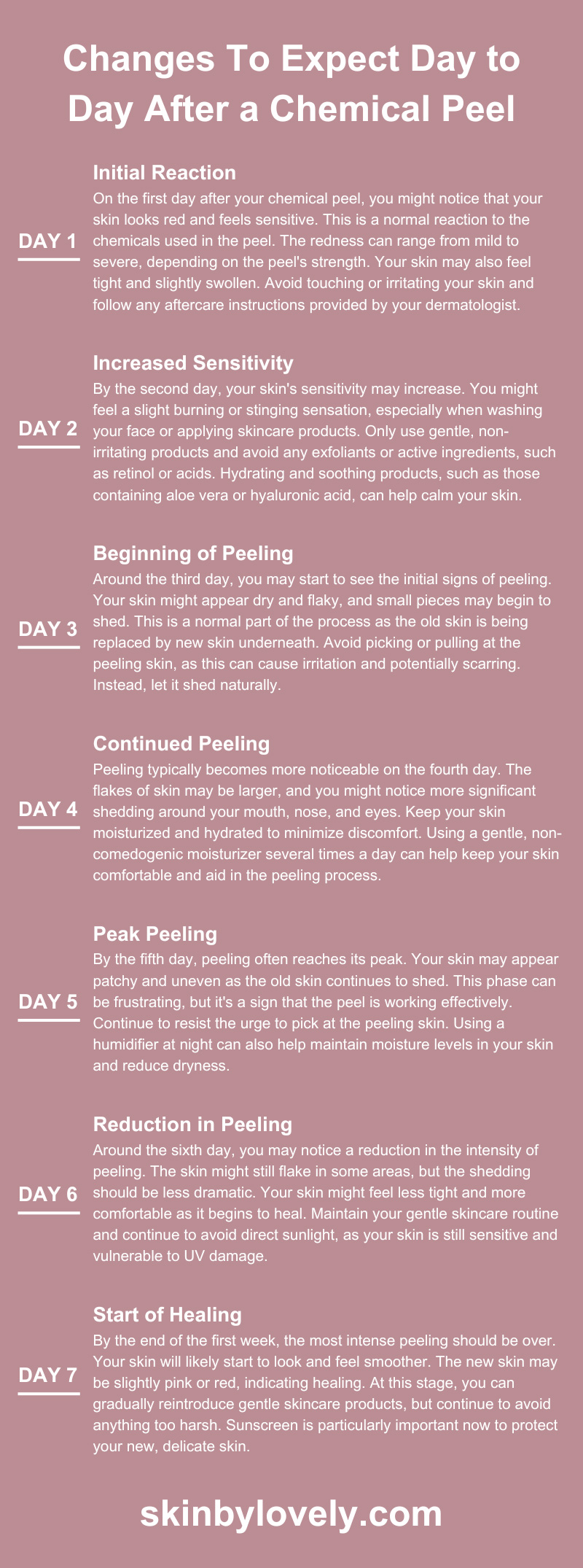
Credit: www.skinbylovely.com
Active Ingredients And Overuse
Active ingredients in skincare products play a key role in skin peeling. These ingredients help remove dead skin cells and promote new cell growth. Using them correctly benefits your skin. Overuse or mixing products incorrectly can cause excessive peeling and irritation. Understanding how active ingredients work and the risks of overuse helps maintain healthy skin.
Active Ingredients That Cause Peeling
Retinoids, salicylic acid, glycolic acid, and lactic acid speed up skin cell turnover. They remove dead skin and reveal fresh skin underneath. This process may cause dryness and peeling. Using these ingredients too often can damage the skin barrier. Peeling is a sign your skin needs a break.
Risks Of Overusing Active Ingredients
Applying strong exfoliants daily can irritate your skin. Combining several exfoliating products increases the risk of peeling and redness. Overuse weakens skin’s natural protection. It can lead to sensitivity and discomfort. Listen to your skin and reduce use if it feels tight or sore.
How Product Layers Affect Peeling
Using water-based and oil-based products together can cause pilling. Pilling looks like small flakes or balls on the skin. Applying too much product or layering too fast causes buildup. Silicones in some products increase the chance of pilling. Allow each layer to absorb fully before adding the next.
Allergic Reactions And Skin Irritation
Fragrances, dyes, and preservatives may irritate sensitive skin. Alcohol and harsh ingredients dry out the skin and cause peeling. Allergic reactions can also cause redness, itching, and flakes. Stop using products that cause irritation. Choose gentle, fragrance-free options for sensitive skin.
Skincare Pilling Explained
Skincare pilling happens when tiny flakes or balls of product form on your skin. This often looks like small pieces peeling off after applying skincare. Pilling can make your skin feel rough or look flaky. It usually happens because of how products interact or how they are applied.
Understanding why pilling occurs helps you avoid it. It improves how your skincare works and how your skin feels. This guide explains the main reasons behind skincare pilling and how to reduce it.
What Causes Skincare Pilling?
Pilling happens when products do not absorb well into the skin. This can be due to layering different formulas too quickly. Water-based and oil-based products may not mix well. They can separate and form small balls on the skin surface.
Using too much product also causes pilling. Thick layers do not absorb completely. The top layer rubs off when you touch your face. This creates visible flakes or balls.
How Ingredients Affect Pilling
Some ingredients increase the chance of pilling. Silicones are common in many products and can cause buildup. Exfoliating acids like glycolic acid speed up skin cell turnover. This can leave dead skin cells on the surface, making pilling more visible.
Mixing many active ingredients may irritate skin and cause peeling. This also adds to the pilling effect. Choose products with compatible ingredients to reduce this risk.
Tips To Prevent Skincare Pilling
Apply products slowly and give time to absorb. Use less product to avoid thick layers. Wait a few minutes before layering another item. Avoid mixing too many heavy formulas.
Opt for products that suit your skin type. Test new products one at a time. This helps identify which cause pilling. Keep your skin hydrated to reduce dryness and flaking.

Credit: www.amazon.com
Irritation And Allergic Reactions
Facial peeling after using skincare products can sometimes signal irritation or allergic reactions. These reactions happen when your skin responds negatively to certain ingredients. The skin may become red, dry, itchy, or start peeling as a defense mechanism. Recognizing the difference between normal peeling and irritation is important for healthy skin care.
Irritants In Skincare Products
Certain ingredients often cause skin irritation. Fragrances and dyes are common culprits. Preservatives and alcohol can also dry out the skin. These irritants weaken your skin’s barrier. The result is redness, dryness, and peeling. Avoiding harsh ingredients helps reduce irritation risks.
Signs Of Allergic Reactions
Allergic reactions can look like peeling skin but include other symptoms. You may see rashes, swelling, or itching. These signs show your immune system is reacting to a product. Allergies require stopping the product immediately. Using gentle, hypoallergenic skincare lowers allergy chances.
Preventing And Managing Reactions
Patch testing new products is a simple way to prevent reactions. Apply a small amount on your wrist or behind your ear. Wait 24 hours to check for redness or itching. Use products with fewer active ingredients if your skin is sensitive. If irritation occurs, reduce product use or switch to milder options.
Other Contributing Factors
Facial peeling after using skincare products can result from several other factors beyond the product itself. These factors affect how your skin reacts and recovers. Understanding these can help manage or reduce peeling effectively.
Environmental Conditions
Cold, dry weather can strip moisture from the skin. This leads to dryness and peeling. Wind exposure also damages the skin barrier. Sun exposure without protection worsens peeling by causing sunburn and irritation.
Skin Type And Sensitivity
People with dry or sensitive skin peel more easily. Their skin barrier is weaker and less able to hold moisture. Some skin types react strongly to even mild products. This causes redness and peeling after product use.
Incorrect Skincare Routine
Using too many active ingredients together can irritate skin. Applying products too often or in the wrong order adds stress. Skipping moisturizing steps leaves skin vulnerable to dryness and peeling.
Health And Lifestyle Factors
Dehydration reduces skin moisture, increasing peeling risk. Poor diet lacking vitamins harms skin health. Stress and lack of sleep lower skin’s ability to repair itself. These factors worsen peeling after product use.
:max_bytes(150000):strip_icc()/the-best-chemical-peels-tout-4003df313398403abe51a250e31caf16.jpg)
Credit: www.byrdie.com
Managing Peeling And Prevention
Managing peeling after using skincare products requires gentle care and smart habits. Peeling happens as your skin renews itself or reacts to certain ingredients. Proper steps can ease discomfort and support healing. Prevention helps reduce peeling and keeps skin smooth.
Hydrate And Moisturize Regularly
Keep your skin moist to reduce peeling and dryness. Use a gentle, fragrance-free moisturizer twice daily. Drink plenty of water to hydrate skin from within. Moisturized skin heals faster and feels less tight or itchy.
Avoid Harsh Products And Over-exfoliation
Stop using strong acids or retinoids if peeling worsens. Limit exfoliation to one or two times a week. Avoid combining multiple active ingredients at once. Give your skin time to adjust to new products slowly.
Use Sunscreen Daily
Sun exposure worsens peeling and skin damage. Apply a broad-spectrum sunscreen with at least SPF 30 every day. Reapply sunscreen after sweating or swimming. Protecting skin from UV rays helps prevent irritation and peeling.
Apply Products Correctly
Allow each product to absorb fully before adding the next. Use thin layers to avoid product buildup and pilling. Avoid rubbing skin harshly during application. Gentle, careful use reduces irritation and peeling risk.
Consult A Dermatologist When Needed
Seek professional advice if peeling is severe or lasts long. A dermatologist can check for allergies or skin conditions. They can recommend treatments to soothe and repair your skin. Early care prevents worsening and discomfort.
Frequently Asked Questions
Why Is My Skin Peeling After Using Skincare Products?
Skin peels due to active ingredients like retinol or acids increasing cell turnover. Overuse, product layering errors, or irritation can cause peeling. Fragrances or allergies may also trigger skin shedding. Dry skin or conditions like eczema worsen peeling. Reduce actives, layer products carefully, and consult a dermatologist if needed.
Is My Skincare Pilling Or Is It Dead Skin?
Skincare pilling forms small product flakes from layering or formula clashes. Dead skin peeling results from active ingredients boosting cell turnover or irritation. Pilling feels flaky on skin’s surface, while peeling involves shedding skin layers. Allow products to absorb fully and avoid mixing incompatible formulas to prevent pilling.
Is It Good If My Face Skin Is Peeling?
Peeling skin can indicate increased cell turnover or irritation from active ingredients like retinol. It may also result from product layering errors or allergies. Mild peeling is normal, but persistent peeling requires gentler skincare and possibly a dermatologist’s advice to avoid damage.
What Is The Difference Between Peeling And Pilling?
Peeling is skin shedding dead cells, often from irritation or exfoliation. Pilling occurs when skincare products form small flakes or balls on the skin’s surface due to layering or formula clashes.
Conclusion
Facial peeling after using skincare products can be normal. It often happens due to active ingredients that speed up skin renewal. Sometimes, using too many products or the wrong combinations causes peeling or pilling. Pay attention to your skin’s reaction and adjust your routine.
Use gentle cleansers and moisturizers to help your skin heal. Give each product time to absorb before applying the next. If peeling continues or worsens, consider consulting a dermatologist. Taking care of your skin with patience and care leads to healthier, glowing skin.