

Have you ever noticed unusual sensitivity on your face or wondered if your skin tone could be linked to nerve issues? Your facial nerves play a crucial role not only in movement but also in how your skin feels and even looks.
Changes in facial nerve sensitivity can affect your comfort, appearance, and overall skin health. Understanding the connection between your facial nerve sensitivity and skin tone is key to recognizing early warning signs and seeking the right care. Keep reading to discover how these two aspects are connected and what you can do to protect your facial health.
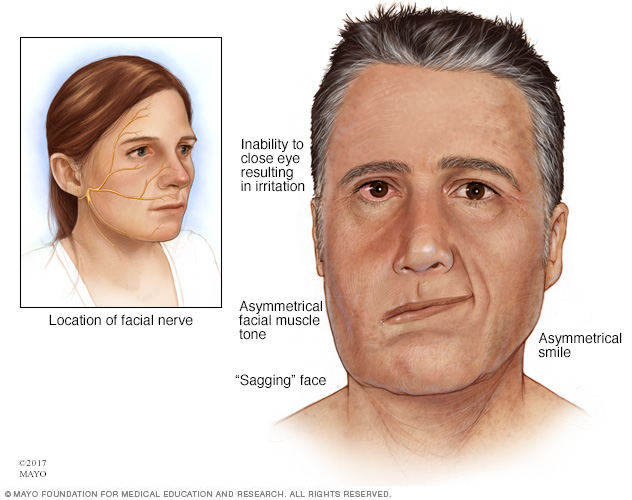
Credit: www.uofmhealthsparrow.org
Facial Nerve Functions
The facial nerve plays a key role in how we sense and express. It controls muscles that create facial expressions. It also carries sensory information from the face to the brain. Understanding its functions helps explain changes in skin tone and sensitivity.
The nerve’s health affects how the skin feels and moves. Damage or irritation can cause pain or numbness. It may also alter skin color due to changes in blood flow and nerve signals.
Role In Sensory Perception
The facial nerve detects sensations such as touch and temperature. It sends these signals to the brain for interpretation. This helps the brain know what the face feels.
Skin sensitivity depends on how well the nerve functions. If the nerve is damaged, sensations may become weak or painful. This may cause unusual feelings like tingling or burning.
Control Of Facial Muscles
The facial nerve controls muscles responsible for expressions. Smiling, frowning, and blinking all rely on this nerve. Muscle movement affects skin tone by changing blood flow and tension.
When muscles contract, skin stretches and moves. This keeps the skin healthy and elastic. Problems with nerve control can cause muscle weakness or paralysis. This changes the face’s appearance and skin condition.
Skin Tone Variations
Skin tone varies widely among individuals and affects facial nerve sensitivity. Understanding these variations helps explain differences in skin response and nerve function. Skin tone is the natural color of a person’s skin, influenced by many factors.
These variations are important in medical and cosmetic fields. They impact how skin reacts to stimuli and treatments. Exploring the causes of skin tone differences provides insight into facial nerve sensitivity.
Factors Influencing Skin Color
Skin color depends on the amount and type of melanin pigment. Melanin protects skin from ultraviolet radiation. Higher melanin levels result in darker skin tones. Lower melanin causes lighter skin shades.
Blood flow under the skin also affects color. Increased blood flow makes skin look redder or pinker. Skin thickness and texture can change how color is seen. All these factors combine to create unique skin tones.
Genetic And Environmental Effects
Genes inherited from parents largely determine skin tone. Specific genes control melanin production and distribution. These genes vary across ethnic groups and regions.
Environmental factors change skin tone over time. Sun exposure increases melanin, causing tanning or darkening. Climate and altitude can influence skin’s adaptation to sunlight. Diet and health also affect skin color and texture.
Understanding these effects helps explain skin sensitivity. Skin tone and nerve sensitivity interact through complex biological processes. This knowledge supports better care and treatment for diverse skin types.
Nerve Sensitivity And Skin Response
The facial nerve plays a key role in how the skin on your face feels and reacts. It controls muscle movements and sends sensory information to the brain. Changes in nerve sensitivity can cause the skin to respond differently than usual.
Skin tone may also be affected by nerve issues. The nerve helps regulate blood flow and sweating, which influence skin color and texture. When nerve function changes, skin may become pale, red, or blotchy.
How Nerve Damage Affects Skin Sensation
Damage to the facial nerve can alter how the skin senses touch and temperature. Some areas might feel numb or lose sensation entirely. Other areas may become overly sensitive, reacting to even light contact.
The nerve damage can disrupt signals between the skin and brain. This causes mixed sensations, such as tingling, burning, or pins and needles. These feelings may come and go or stay constant.
Pain And Sensitivity Changes
Facial nerve damage can cause pain that feels sharp or shooting. This pain may worsen with facial movements like chewing or talking. At times, even a gentle breeze can trigger discomfort.
Sensitivity changes also affect how the skin reacts to temperature. The skin might feel cold or hot without any real cause. This can make daily activities uncomfortable or difficult to manage.

Credit: www.nature.com
Common Facial Nerve Disorders
Facial nerve disorders affect the nerves controlling muscles and sensation in the face. These conditions can cause pain, weakness, or changes in skin sensitivity. Understanding common facial nerve disorders helps in recognizing symptoms early and seeking treatment. Nerve damage may also affect skin tone and sensitivity on the face.
Below are two common facial nerve disorders that impact facial nerve sensitivity and skin tone.
Trigeminal Neuralgia
Trigeminal neuralgia causes sudden, severe facial pain. It affects the trigeminal nerve, which controls sensation in the face. The pain feels like sharp, electric shocks on one side. It may start with mild tingling or burning, then worsen.
The pain triggers include touching the face, chewing, or speaking. Blood vessels pressing on the nerve often cause this condition. This pressure wears away nerve insulation, making the nerve highly sensitive.
Skin tone changes can occur due to nerve irritation or inflammation. Some people notice redness or flushing in affected areas. Managing pain and protecting sensitive skin is essential.
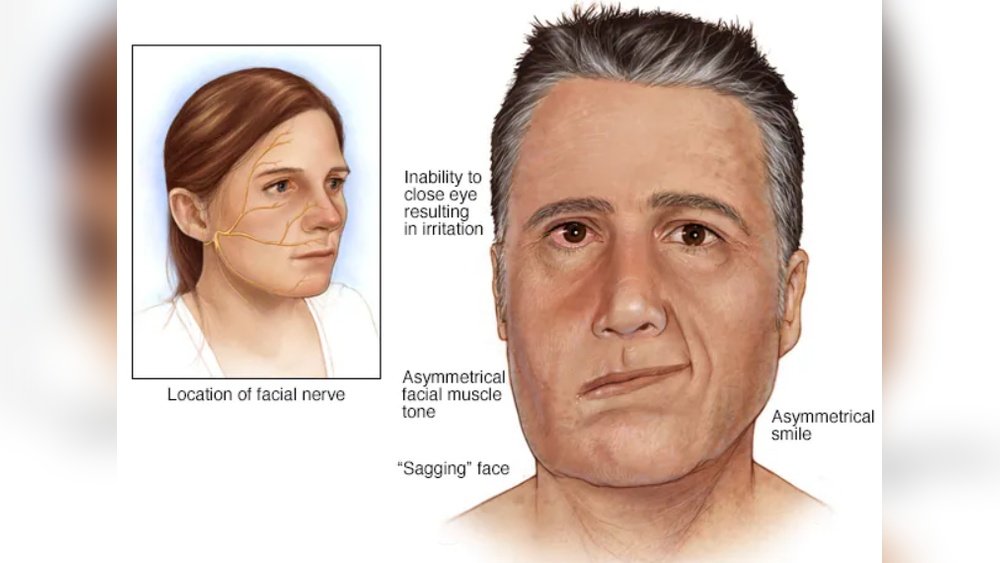
Facial Paralysis And Trauma
Facial paralysis results from nerve damage or injury to the facial nerve. It causes weakness or loss of muscle control on one side of the face. Trauma, infections, or inflammation often lead to paralysis.
This condition may change skin tone by reducing blood flow to affected areas. The skin can become pale, dry, or more sensitive. Paralysis also affects blinking, causing dryness and irritation.
Early treatment helps restore nerve function and improve skin health. Protecting the face from injury and dryness is important during recovery.
Treatment And Management
Treating facial nerve sensitivity and managing skin tone requires a careful approach. Addressing nerve issues and skin health together helps improve comfort and appearance. Early intervention reduces complications and supports better results.
Different treatment options target nerve function and skin condition. Choosing the right method depends on symptoms and severity. Consistent care and follow-up are essential for lasting improvements.
Medical Interventions
Doctors may prescribe medications to ease nerve pain and inflammation. Anti-inflammatory drugs reduce swelling around the facial nerve. Pain relievers help manage discomfort during daily activities.
In some cases, nerve blocks or injections can provide relief. These treatments calm nerve signals and reduce sensitivity. Surgery may be needed if nerve compression causes severe symptoms.
Medical care also focuses on preventing further nerve damage. Regular monitoring ensures timely adjustments to treatment plans. Protecting the affected area from injury supports healing.
Therapies For Sensitivity And Skin Health
Physical therapy can improve nerve function and muscle strength. Gentle exercises stimulate the facial nerve and reduce stiffness. Therapists teach techniques to protect sensitive skin.
Skincare routines tailored for sensitive skin tone help soothe irritation. Using mild cleansers and moisturizers supports skin barrier repair. Sun protection prevents discoloration and damage from UV rays.
Stress-reduction methods like relaxation exercises help lower nerve sensitivity. Maintaining a healthy diet and hydration supports skin regeneration. Combining therapies offers the best chance for recovery.

Credit: www.nature.com
Frequently Asked Questions
Can Nerve Damage Change Skin Color?
Nerve damage can cause skin color changes due to disrupted blood flow and autonomic nerve function. This may lead to redness, paleness, or bluish tones.
Can Nerve Damage Make Your Skin Sensitive?
Nerve damage can increase skin sensitivity to touch and temperature. It may cause pain from light contact and heightened discomfort, often worsening at night.
Why Are My Facial Nerves So Sensitive?
Facial nerves become sensitive due to nerve compression, injury, infections, or inflammation. This causes pain, tingling, or heightened skin sensitivity.
What Are The Early Warning Signs Of Trigeminal Neuralgia?
Early signs of trigeminal neuralgia include sudden, sharp facial pain triggered by touching, chewing, speaking, or brushing teeth. Pain episodes last seconds to minutes and may cause facial spasms.
What Causes Facial Nerve Sensitivity And Skin Tone Changes?
Facial nerve sensitivity and skin tone changes can result from nerve damage or inflammation.
Can Nerve Damage Affect Skin Color On The Face?
Yes, nerve damage may cause skin color changes due to blood flow and nerve function issues.
Conclusion
Facial nerve sensitivity can affect skin tone and overall facial health. Changes in nerve function may cause skin color shifts or unusual sensations. Understanding these signs helps in early detection and care. Protect your facial nerves by avoiding harsh treatments or injuries.
Consult a healthcare professional for any sudden or persistent facial changes. Taking care of your nerves supports healthier skin and comfort. Stay aware and proactive for better facial nerve and skin health.