

Have you noticed your skin feeling tight, flaky, or uncomfortable after spending time in an air-conditioned room? If so, you’re not alone.
Air conditioners do a great job of cooling the air, but they also strip away the moisture your skin desperately needs. This can leave your face dry, dull, and irritated—making it harder for you to feel confident in your own skin.
But don’t worry, understanding why this happens and learning simple ways to protect your skin can make a huge difference. Keep reading to discover effective tips and tricks that will help you beat facial dryness caused by air conditioning and keep your skin glowing, no matter how cold the room gets.
How Air Conditioning Dries Skin
Air conditioning cools indoor air by removing heat and moisture. This process lowers humidity levels inside homes and offices. Lower humidity means less moisture in the air.
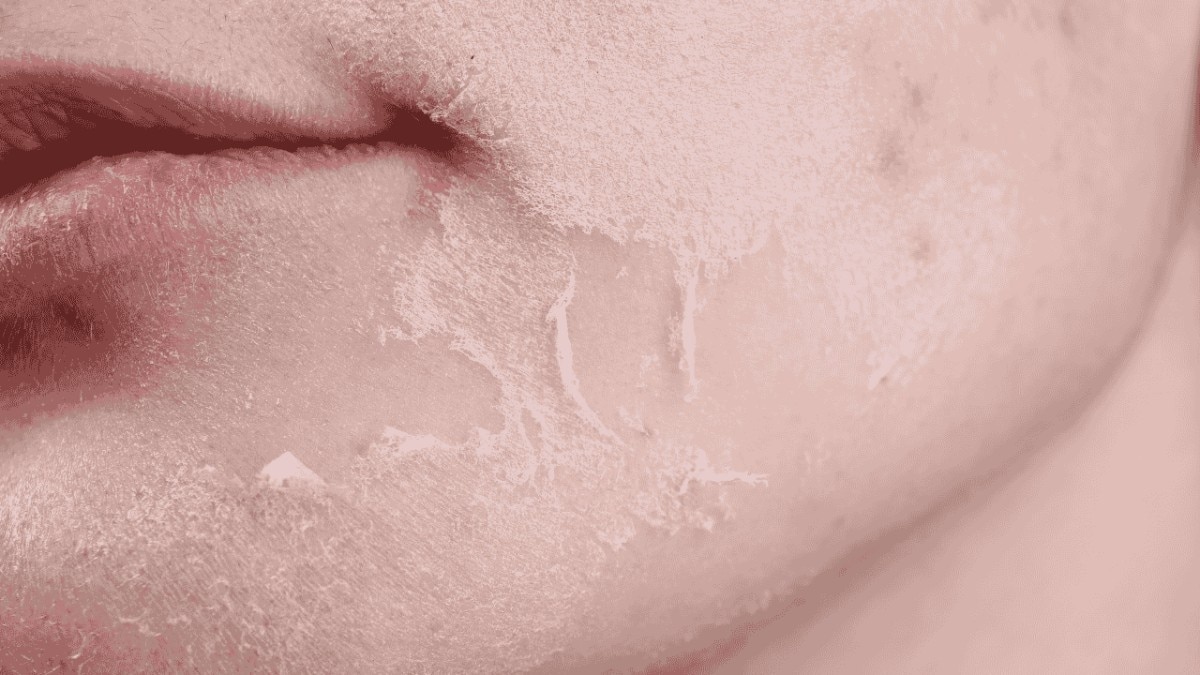
When dry air surrounds your face, it pulls water from your skin. This causes your skin to lose hydration quickly. The outer layer of skin, called the epidermis, becomes dry and flaky.
Continuous exposure to air conditioning can weaken your skin’s natural barrier. This barrier normally keeps moisture locked inside. Without it, skin can feel tight, rough, and irritated.
Reduced Humidity And Skin Moisture Loss
Air conditioners reduce indoor humidity to make rooms feel cooler. Low humidity dries the skin by drawing out its water content. This moisture loss causes skin to become dry and cracked.
The skin tries to protect itself by producing more oil. But this extra oil can lead to clogged pores and breakouts. Dry skin and oily skin can both result from air conditioning use.
Impact On Skin’s Natural Oils
Skin produces natural oils to keep itself soft and hydrated. Air conditioning causes these oils to evaporate faster. Without enough oil, skin loses its smooth texture.
Dry skin can become itchy, sensitive, and prone to redness. This makes it harder for skin to heal and stay healthy. The lack of oils also speeds up skin aging signs.
Increased Water Evaporation From Skin Surface
The dry air from air conditioning speeds up water evaporation from the skin surface. This process is called transepidermal water loss (TEWL). High TEWL leaves skin dehydrated and dull.
Dehydrated skin lacks plumpness and elasticity. It may show fine lines and wrinkles more clearly. Protecting skin from TEWL is vital to maintain a youthful look.
Room Tips To Boost Humidity
Dry air from air conditioners often causes facial dryness and discomfort. Boosting room humidity helps keep your skin hydrated and fresh. Simple changes in your room environment can make a big difference in skin moisture. Here are effective tips to increase humidity in your space.
Using A Humidifier
A humidifier adds moisture directly to the air. It helps balance the dryness caused by air conditioning. Place it in your bedroom or living room for best results. Choose a model with adjustable settings to control humidity levels. Regularly clean the humidifier to avoid mold and bacteria. This device can greatly reduce skin dryness and irritation.
Alternatives To Humidifiers
If you do not have a humidifier, try other ways to raise humidity. Keep bowls of water near air vents or windows. The water slowly evaporates and adds moisture to the air. Houseplants also release moisture and improve air quality. Grouping several plants can increase humidity naturally. Hanging damp towels in the room works as a simple humidifier substitute.
Managing Ac Settings
Adjust your air conditioner’s settings to reduce dryness. Set the temperature slightly higher to avoid overcooling the room. Use the fan mode instead of full AC to circulate air without drying it out. Some AC units have built-in humidifier functions—use them if available. Regular maintenance of your AC improves air quality and prevents excessive dryness.
Skincare Habits For Hydration
Air conditioners often dry out the skin by removing moisture from the air. This can lead to facial dryness and irritation. Developing good skincare habits helps keep your skin hydrated and healthy. Consistent hydration routines protect your skin against dryness caused by air conditioning.
Moisturizers That Lock Moisture
Choose moisturizers with ingredients like hyaluronic acid and glycerin. These attract and hold water in your skin. Thicker creams or ointments work best to seal in moisture. Apply moisturizer right after washing your face to trap hydration. Reapply during the day if your skin feels tight or dry.
Gentle Cleansing
Use mild, soap-free cleansers that do not strip natural oils. Avoid hot water, which can worsen dryness. Cleanse your face twice daily with lukewarm water. Pat your skin dry gently with a soft towel. Keeping your skin barrier intact helps retain moisture better.
Nighttime Hydrating Masks
Apply hydrating masks before bed to nourish your skin deeply. Look for masks with soothing ingredients like aloe vera or ceramides. Leave the mask on overnight for long-lasting hydration. This step repairs dryness caused by air conditioning during the day. Wake up with softer, more supple skin.
Credit: prod.bebeautiful.in
Hydrating From Inside
Air conditioners cool the air but often reduce moisture levels. This dryness can affect your skin, leaving it tight and flaky. Hydrating from inside helps keep your skin soft and healthy despite the dry air.
Drinking enough water and eating the right foods provide essential hydration. These habits support your skin’s natural moisture and repair.
Water Intake Goals
Set a daily water intake goal to stay hydrated. Aim for at least eight glasses or two liters a day. Drinking water regularly helps replace moisture lost through air conditioning. Sip water throughout the day instead of drinking large amounts at once. This keeps your body and skin consistently hydrated.
Moisture-rich Foods
Eat foods high in water content to boost hydration. Fruits like watermelon, cucumber, and oranges provide natural moisture. Vegetables such as celery and lettuce also help keep your skin hydrated. These foods supply vitamins and antioxidants that improve skin health. Include them in your meals and snacks for better moisture balance.
Protecting Sensitive Areas
Air conditioners can dry out the skin, especially in sensitive facial areas. These spots need extra care to stay hydrated and healthy. Protecting these zones prevents irritation and discomfort caused by dry air. Simple habits can keep your skin soft and comfortable despite the dryness.
Lip Care Essentials
Lips are the most exposed and delicate part of the face. They lack oil glands and dry out quickly in air-conditioned spaces. Use a thick, moisturizing lip balm often. Choose one with natural oils or shea butter for better hydration. Avoid licking your lips, which can worsen dryness. Reapply balm after eating or drinking to keep lips protected all day.
Delicate Skin Zones
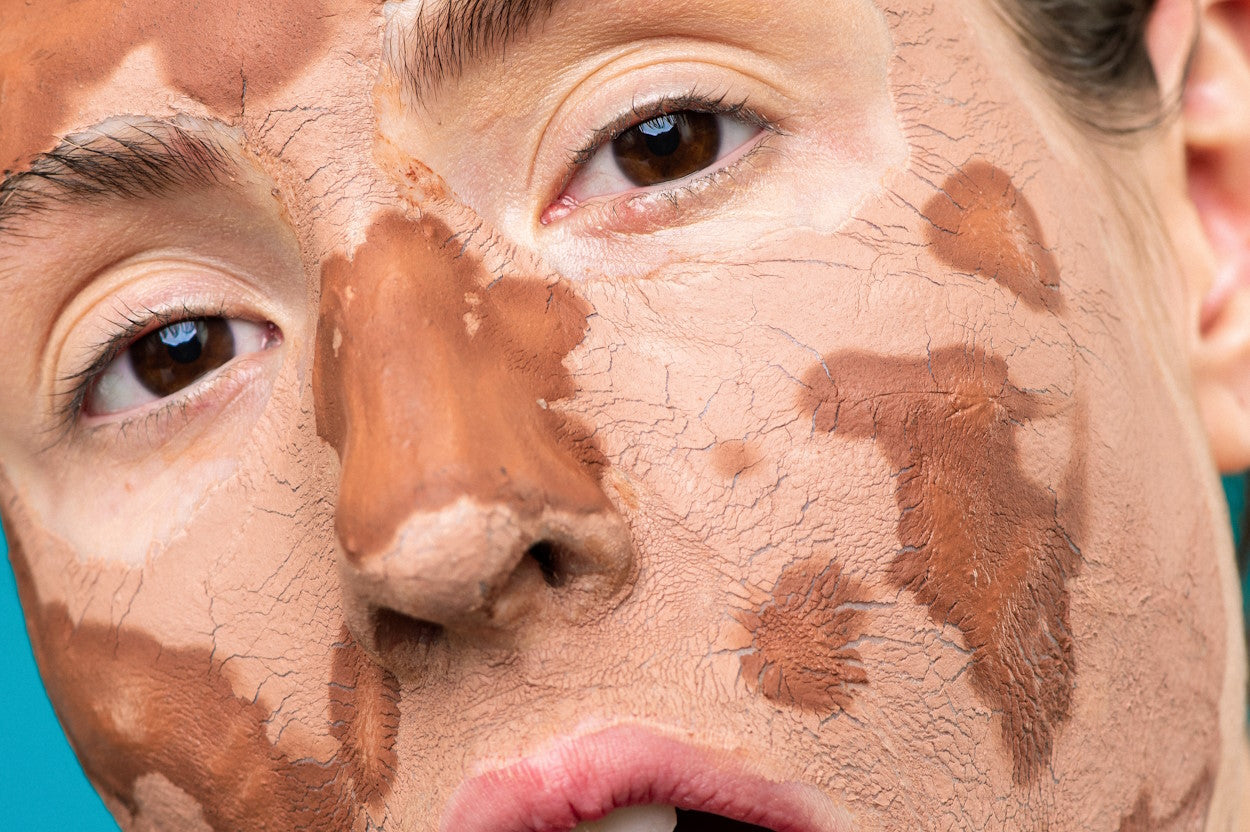
The skin around the eyes and nose is thinner and more prone to dryness. Use a gentle, fragrance-free moisturizer on these areas. Pat the cream lightly instead of rubbing. A hydrating serum with hyaluronic acid can add extra moisture. Avoid harsh cleansers that strip natural oils. Protect these zones daily to reduce flaking and tightness caused by air conditioning.
Credit: molekule.com
Lifestyle Practices To Support Skin
Supporting your skin through simple lifestyle habits can reduce facial dryness caused by air conditioning. Making small changes helps keep skin hydrated and healthy. These practices protect your skin barrier and improve comfort throughout the day.
Taking Breaks From Ac
Step outside or into fresh air regularly. This prevents your skin from staying in a dry environment too long. Even short breaks help skin regain moisture naturally. Avoid sitting close to AC vents where air flows strongest. Use a fan instead to keep cool without drying out your face.
Prioritizing Rest
Sleep supports skin repair and hydration. Aim for 7 to 8 hours of quality rest each night. Use breathable bedding and keep your bedroom cool but not too dry. Drinking water before bed helps maintain skin moisture overnight. Good rest allows your skin to rebuild its natural barrier against dryness.

Credit: nguyenbachemical.com
Frequently Asked Questions
How To Treat Dry Skin From Air Conditioning?
Treat dry skin from air conditioning by applying rich moisturizers with hyaluronic acid. Use a humidifier to add moisture to the air. Avoid direct AC airflow on your skin. Drink plenty of water and use gentle cleansers to protect your skin’s natural oils.
Does Ac Make Your Face Dry?
Yes, air conditioning reduces humidity, which can dry out your facial skin. Use moisturizers and hydrate well to prevent dryness.
How To Avoid Dry Skin In An Air-conditioned Room At Night?
Use a humidifier to add moisture to the air. Apply a rich moisturizer before bed. Avoid direct AC airflow on skin. Drink plenty of water and eat water-rich foods. Use gentle cleansers and consider hydrating overnight masks.
How To Stop Dryness From Air Conditioner?
Use a humidifier to add moisture and avoid direct AC airflow on your skin. Apply rich moisturizer with hyaluronic acid daily. Drink plenty of water and eat moisture-rich foods. Use gentle cleansers and consider hydrating overnight masks to prevent dryness from air conditioning.
Conclusion
Air conditioners often dry out facial skin by removing moisture. Protect your skin by using a good moisturizer daily. Avoid letting the AC blow directly on your face. Drinking plenty of water also helps keep skin hydrated. Using a humidifier can add moisture back into the air.
Simple changes can reduce dryness and keep your skin healthy. Stay consistent with your skincare to fight air conditioner dryness. Healthy skin feels soft, smooth, and comfortable again.