

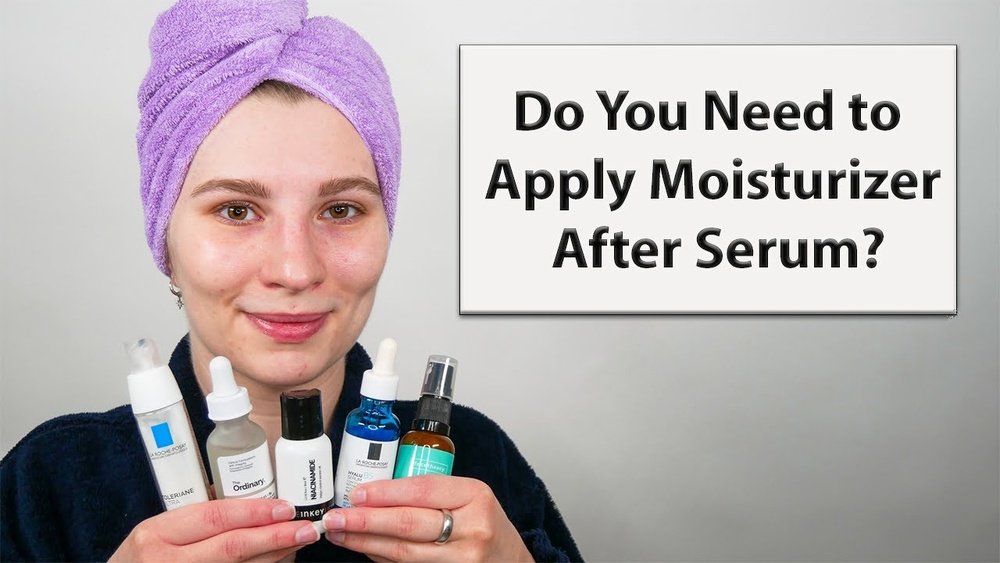
Are you wondering if you really need to apply a moisturizer after using a hydrating serum? It’s a common question because both products promise to keep your skin hydrated, but do they serve the same purpose?
Understanding how they work together can make a big difference in your skincare routine and the health of your skin. Whether you have oily, dry, or sensitive skin, knowing when to use just a serum or when to add a moisturizer can help you get the best results without wasting time or products.
Keep reading to discover why layering your skincare right matters and how to make your skin glow with the perfect combo.

Credit: www.beautifulwithbrains.com
When To Use Only Hydrating Serum
Knowing when to use only a hydrating serum helps simplify your skincare routine. Hydrating serums deliver moisture deep into the skin quickly. Sometimes, your skin does not need the extra layer of moisturizer. This can depend on your skin type and the environment around you. Using just a serum can keep your skin refreshed without feeling heavy.
Skin Types That Benefit
Oily and combination skin types often benefit from using only a hydrating serum. These skin types produce enough natural oils and need light hydration. Serums absorb quickly without leaving a greasy finish. People with normal skin can also use just a serum, especially during warmer months. Serums help maintain balance without clogging pores or causing breakouts.
Climate Considerations
Living in a humid climate means the air holds more moisture. This extra moisture supports skin hydration naturally. In such climates, a hydrating serum alone can keep skin comfortable. It prevents overloading the skin with too many products. In dry or cold climates, skin loses moisture faster. Here, a moisturizer is needed to lock in hydration and protect skin.
Reasons To Add Moisturizer After Serum
Adding a moisturizer after applying a hydrating serum enhances your skincare routine. Serums deliver active ingredients deep into the skin. Moisturizers then lock in these ingredients and add an extra layer of hydration. This combination keeps your skin healthy and balanced. Understanding why moisturizer is important after serum helps you choose the right products.
Dry And Sensitive Skin Needs
Dry skin lacks natural oils and moisture. Serums hydrate but may not prevent water loss. Moisturizers form a protective barrier on the skin. This barrier stops dryness and irritation. Sensitive skin reacts easily to weather and products. Moisturizers soothe and calm sensitive skin. They reduce redness and discomfort. Using moisturizer after serum supports dry, sensitive skin better.
Climate And Aging Factors
Climate affects how much moisture your skin needs. Dry or cold weather pulls moisture from the skin. Moisturizers help keep the skin soft and hydrated. Aging skin loses moisture and elasticity over time. Serums can boost hydration but do not lock it in. Moisturizers slow down moisture loss and protect skin cells. This helps reduce wrinkles and dryness. Moisturizer after serum supports skin health in tough climates and as you age.
How Serums And Moisturizers Complement Each Other
Serums and moisturizers work together to keep skin healthy and hydrated. Serums deliver powerful ingredients deep into the skin. Moisturizers lock in these ingredients and add a protective layer.
Using both ensures your skin gets the benefits of hydration and protection. Serums target specific skin concerns like dryness or dullness. Moisturizers stop moisture from escaping, keeping skin soft and smooth.
How Serums Deliver Targeted Nutrients
Serums have small molecules that penetrate deep into the skin. They carry active ingredients like hyaluronic acid and vitamins. These ingredients work fast to improve skin texture and hydration.
Serums are lightweight and absorb quickly. They do not replace moisturizers but prepare the skin for better moisture absorption.
The Role Of Moisturizers In Skin Protection
Moisturizers create a barrier on the skin surface. This barrier locks in moisture and serum ingredients. It also protects skin from environmental damage like pollution and dryness.
Moisturizers help prevent water loss. This keeps skin hydrated for longer periods and reduces irritation.
Why Combining Both Maximizes Skincare Benefits
Serums hydrate and treat deep layers of skin. Moisturizers seal this hydration and protect the skin surface. Together, they improve skin health better than using one alone.
This combination suits all skin types but is especially important for dry or sensitive skin. It ensures lasting hydration and a smooth, glowing complexion.

Credit: www.youtube.com
Step-by-step Skincare Routine
Building an effective skincare routine involves understanding the role of each product. A step-by-step routine ensures your skin gets proper care and maximum benefits. This section explains how to layer your products correctly, especially focusing on hydrating serums and moisturizers.
Cleansing And Serum Application
Start by cleansing your face with a gentle cleanser. This removes dirt, oil, and impurities. Pat your skin dry with a clean towel. Next, apply your hydrating serum. Serums have small molecules that penetrate deeply. They deliver hydration and active ingredients right where your skin needs them.
Apply a few drops of serum on your fingertips. Gently press the serum onto your skin. Avoid rubbing or pulling. Let the serum absorb fully before moving to the next step. This usually takes about one to two minutes.
Moisturizer For Locking Hydration
After the serum absorbs, apply a moisturizer. Moisturizers create a barrier on your skin. This barrier locks in the hydration from the serum. It also protects your skin from environmental damage. Using moisturizer after serum helps prevent moisture loss throughout the day.
Choose a moisturizer suitable for your skin type. For dry skin, pick a richer cream. For oily skin, a lightweight lotion works better. Apply the moisturizer evenly over your face and neck. Use gentle upward strokes to avoid tugging the skin.
Choosing Products For Your Skin Type
Choosing the right skincare products depends on your skin type. Different skin types need different care. Picking a serum and moisturizer that suit your skin ensures better results. Understanding your skin’s needs helps avoid irritation and dryness. It also maximizes hydration and protects your skin throughout the day.
Serum Selection Tips
Pick a serum based on your skin’s condition. For oily skin, choose lightweight, oil-free serums. They hydrate without making your skin greasy. Normal skin can use most hydrating serums comfortably. Dry skin benefits from serums with humectants like hyaluronic acid. Sensitive skin needs gentle, fragrance-free serums to avoid irritation. Look for serums with soothing ingredients such as aloe or chamomile. Always test a small area before applying fully. This step helps prevent allergic reactions.
Moisturizer Options
Moisturizers create a barrier that locks in hydration. Oily skin types should use gel-based or water-based moisturizers. These feel light and absorb quickly. Dry skin requires cream-based moisturizers with rich emollients. These provide deep hydration and comfort. Sensitive skin benefits from hypoallergenic, fragrance-free formulas. These reduce the chance of redness or irritation. For normal skin, a balanced moisturizer works well daily. Choose products labeled non-comedogenic to avoid clogged pores.

Credit: www.elizabethmott.com
Frequently Asked Questions
Can I Use Hydrating Serum Instead Of Moisturizer?
You can use a hydrating serum alone if you have oily skin or live in a humid climate. Dry or sensitive skin needs a moisturizer to lock in hydration and protect the skin barrier. Serums hydrate deeply, while moisturizers seal moisture and prevent water loss.
Can I Skip Moisturizer If I Use Hyaluronic Acid?
Skipping moisturizer after using hyaluronic acid is not recommended for dry or sensitive skin. Moisturizers lock in hydration and protect skin. Oily skin in humid climates may skip it, but most benefit from both for optimal hydration and skin barrier support.
Is Hydrating Serum Before Or After Moisturizer?
Apply hydrating serum before moisturizer. Serum delivers active ingredients deep, while moisturizer seals hydration and protects skin.
What To Use After Hydrating Serum?
Apply a moisturizer after your hydrating serum to seal in moisture and enhance skin protection and hydration.
Conclusion
A hydrating serum provides essential moisture to your skin. A moisturizer seals that hydration and protects your skin barrier. Together, they keep your skin soft and healthy. Those with dry or sensitive skin benefit most from both products. In humid climates or oily skin, a serum alone may suffice.
Always consider your skin type and environment when choosing. This simple step can improve your skincare results daily.