

When it comes to choosing the perfect finish for your walls or furniture, the terms “matte” and “satin” often come up—but do you really know what sets them apart? If you want your space to look just right, understanding the difference between matte and satin finishes can make all the difference.
Are you aiming for a sleek, soft glow or a smooth, shine-free look? Your choice affects not only the style but also how easy it is to clean and how well the surface holds up over time. Keep reading, and you’ll discover which finish fits your needs perfectly and how to get the most out of your next project.
Credit: www.peakoak.co.uk
Sheen And Appearance
Matte finish has little to no shine, creating a soft, flat look that hides surface flaws well. Satin finish shows a gentle glow with a slight sheen, offering better durability and easier cleaning for busy spaces. Both change how light reflects and affect room ambiance differently.
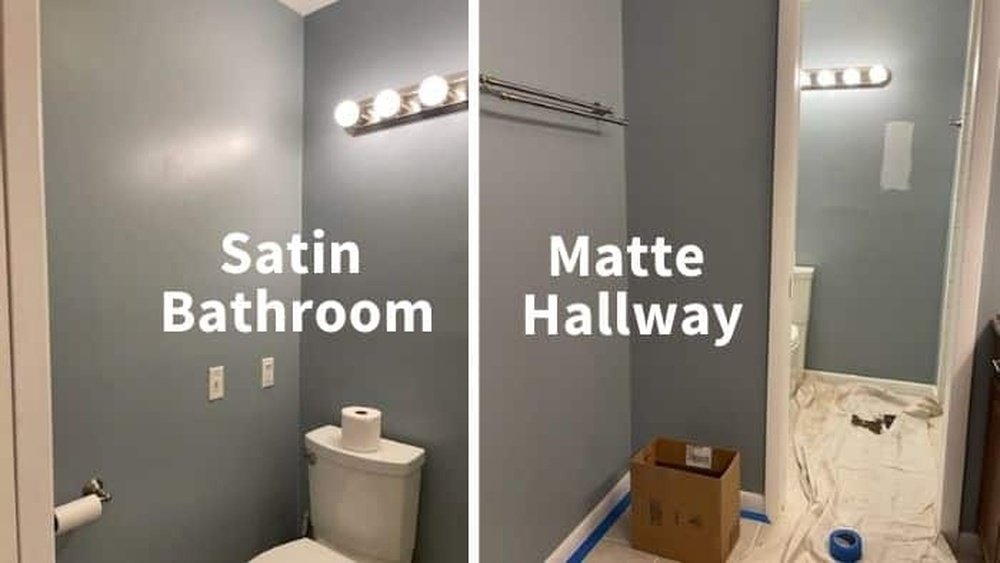
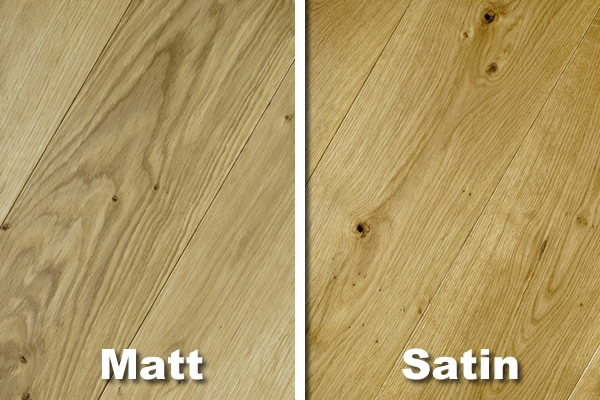
The primary difference between matte and satin finishes lies in their sheen and appearance. Sheen refers to how much light the surface reflects. This affects how shiny or dull the finish looks.
A matte finish has little to no shine. It creates a smooth, flat surface that absorbs light. This gives walls a soft, muted look. Colors appear deeper and more solid without any glare. Matte finishes hide wall imperfections well because they do not reflect light.
In contrast, a satin finish has a gentle, pearl-like glow. It reflects some light, but not too much. This gives surfaces a smooth and slightly shiny look. Satin finishes make colors look brighter and more vibrant. They add a subtle depth to the walls that is not too glossy or dull.
Matte Finish Appearance
Matte finishes are perfect for a calm and cozy feel. They offer a modern and elegant look without shine. The surface feels soft and natural to the touch. Matte paint works well in rooms where you want to avoid reflections, like bedrooms or living rooms.
Satin Finish Appearance
Satin finishes balance shine and softness. They add a slight shimmer that brightens spaces. Satin paint suits areas with more light and activity. It looks clean and polished without being flashy. This finish is popular for kitchens, bathrooms, and hallways.
Durability And Maintenance
Durability and maintenance play a key role in choosing between matte and satin finishes. These finishes react differently to wear and cleaning. Understanding their strengths helps you pick the right option for your space.
Durability Of Matte Finish
Matte finish offers a smooth, non-reflective surface. It hides imperfections well but is less durable than satin. Matte paint is prone to scratches and scuffs. It can absorb stains more easily. It is not ideal for high-traffic or damp areas.
Durability Of Satin Finish
Satin finish has a soft glow and is more durable. It resists moisture, stains, and scrubbing better than matte. Satin paint stands up well in kitchens, bathrooms, and hallways. It holds up against frequent cleaning without fading or damage.
Maintenance Of Matte Finish
Cleaning matte surfaces requires care. Harsh scrubbing can dull the finish or cause damage. Use gentle cleaners and soft cloths for spot cleaning. Matte surfaces may need more frequent touch-ups to look fresh.
Maintenance Of Satin Finish
Satin surfaces are easier to maintain than matte. They tolerate regular cleaning with mild detergents. Satin finish recovers well from light scrubbing and wiping. This finish reduces the need for frequent repainting.
Best Uses And Applications
Choosing the right finish depends on the area and purpose. Matte and satin finishes offer different benefits for various spaces. Knowing where to use each helps achieve the desired look and durability.
Best Uses For Matte Finish
Matte finish works well on walls with imperfections. It hides dents, cracks, and uneven surfaces better. Ideal for low-traffic rooms like bedrooms and living rooms. Matte gives a soft, elegant look without shine. It suits vintage and rustic decor styles. Avoid using matte in kitchens or bathrooms. These areas need more moisture resistance and easier cleaning.
Best Uses For Satin Finish
Satin finish has a slight sheen and smooth feel. It handles moisture and dirt better than matte. Perfect for kitchens, bathrooms, and laundry rooms. Also great for hallways and children’s playrooms. Satin is durable and cleans easily with a damp cloth. It adds subtle glow to walls, making spaces feel brighter. Satin finish is also popular for trim and doors.
Applications In Different Rooms
Use matte in calm, cozy spaces where less shine is desired. Bedrooms, dining rooms, and offices benefit from its muted look. Satin suits active, high-use areas needing extra protection. Kitchens, bathrooms, and entryways gain from satin’s durability. For ceilings, matte is preferred to avoid reflections. Satin works well on woodwork and cabinetry for a soft shine.
Cleaning And Care Tips
Cleaning and caring for matte and satin finishes requires different approaches. Each finish reacts uniquely to cleaning methods and products. Knowing the right techniques helps preserve their look and durability. This section offers easy tips to maintain both finishes effectively.
Cleaning Matte Finish
Matte finishes are delicate and prone to marks. Use a soft cloth or sponge with mild soap and water. Avoid harsh scrubbing or abrasive cleaners. These can damage the surface and dull the finish. Pat the surface gently to remove dirt. Dry with a clean, soft cloth to prevent streaks.
Cleaning Satin Finish
Satin finishes are more durable and moisture-resistant. Use a soft cloth with mild detergent for cleaning. Light scrubbing is safe to remove stains or grime. Avoid strong chemicals or bleach. Rinse with clean water and dry with a soft towel to keep the soft glow.
General Care Tips For Both Finishes
Keep surfaces dust-free by regular dusting with a microfiber cloth. Avoid using rough brushes or scrubbing pads. Test cleaning products on a small, hidden area first. Fix spills quickly to prevent stains. Maintain good ventilation to reduce moisture buildup and protect the finishes.
Common Misconceptions
Many think matte and satin finishes look the same, but satin has a soft shine while matte is flat. Some believe matte is easier to clean, yet satin resists stains better. These small details make a big difference in choosing the right finish.
Common Misconceptions About Matte And Satin Finishes
Many people confuse matte and satin finishes, thinking they are the same. This causes wrong choices in painting and decorating. Understanding the real differences helps pick the right finish for any space.
Matte finish is often seen as dull or cheap. This is not true. It gives a soft, elegant look without shine. Satin finish is thought to be too shiny. Actually, it has a gentle glow, not a bright shine.
Matte Finish Means Low Quality
Some believe matte paint is low quality or old-fashioned. Matte just has little to no shine. It hides wall flaws better than satin. It is popular in modern and stylish homes.
Satin Finish Is Always Glossy
People think satin looks like glossy paint. Satin has a soft, pearl-like glow. It reflects light mildly and feels smooth. It is not bright or overly shiny.
Matte Finish Is Hard To Clean
Many say matte finishes are impossible to clean. While they need gentle care, modern matte paints are more washable. They resist stains if cleaned carefully.
Satin Finish Is Only For Bathrooms
Some believe satin should be used only in bathrooms or kitchens. Satin works well in many rooms. It is durable and moisture-resistant, but also looks good in living rooms and bedrooms.
Credit: ondemandpainters.com

Credit: www.improovy.com
Frequently Asked Questions
Is Satin Or Matte Finish Better?
Satin finish offers a soft shine, resists moisture, and cleans easily, ideal for busy areas. Matte finish provides a non-reflective, smooth look that hides imperfections, best for low-traffic spaces. Choose based on durability needs and desired appearance.
What Finish Do Professional Painters Use?
Professional painters commonly use eggshell or satin finishes. Eggshell offers low sheen and durability. Satin provides a soft shine and resists moisture and stains, ideal for high-traffic areas. Both finishes balance aesthetics and practicality, making them popular choices for interior walls.
What Are The Disadvantages Of Matte Finish?
Matte finish shows scratches and stains easily due to its non-reflective surface. It resists cleaning and wears faster than glossy finishes.
What Does Matte Finish Look Like?
A matte finish has a smooth, non-reflective surface with soft, muted colors. It looks elegant without any shine or glare.
What Is The Main Difference Between Matte And Satin Finish?
Matte has no shine and looks flat, while satin has a soft, slight shine.
Which Finish Is Easier To Clean, Matte Or Satin?
Satin finish is easier to clean and resists stains better than matte.
Where Is Satin Finish Commonly Used In Homes?
Satin is often used in kitchens, bathrooms, and hallways due to its durability.
Conclusion
Choosing between matte and satin finishes depends on your needs and style. Matte offers a smooth, non-shiny look that hides wall imperfections well. Satin provides a gentle shine and resists moisture and stains better. Use matte in low-traffic, cozy spaces for a calm feel.
Pick satin in busy rooms like kitchens or bathrooms for easy cleaning. Both finishes bring unique charm and function to your space. Understanding their differences helps you make the right choice for your home. Simple and clear—now you know what sets matte and satin apart.