

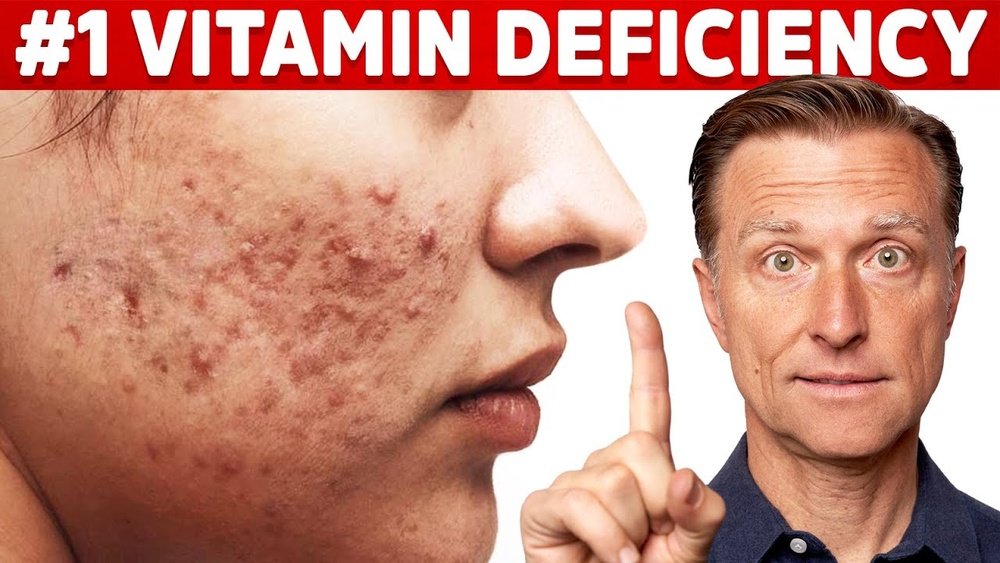
Are you struggling with stubborn acne that just won’t go away? You might be surprised to learn that something as simple as a vitamin D deficiency could be playing a hidden role in your skin problems.
Vitamin D isn’t just important for your bones—it also affects how your skin behaves. Could low levels of this vital nutrient be causing more inflammation, excess oil, or weakened defenses on your skin? If you’ve tried countless products and treatments without success, understanding the connection between vitamin D and acne could be the missing piece you need.
Keep reading to discover how vitamin D deficiency might be fueling your breakouts and what you can do to take control of your skin’s health.
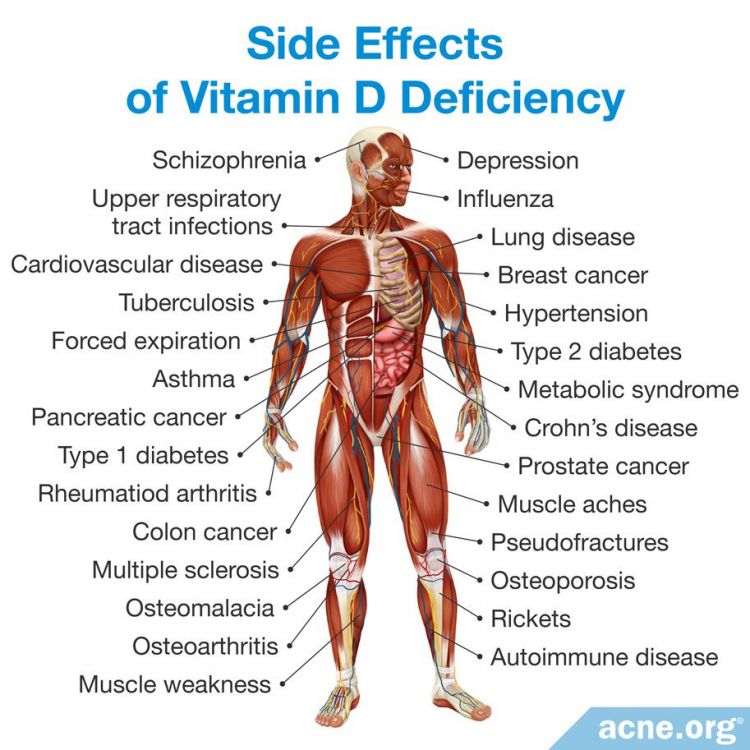
Credit: www.acne.org
Vitamin D’s Role In Skin Health
Vitamin D is essential for healthy skin function. It supports skin cell growth and repair. It also helps reduce inflammation, which is important for clear skin.
This vitamin influences how skin cells work. It helps maintain the skin’s barrier, protecting against harmful bacteria. This barrier keeps skin hydrated and less prone to irritation.
Vitamin D And Inflammation Control
Vitamin D helps control inflammation in the skin. Inflammation often causes redness and swelling in acne. Without enough vitamin D, inflammation can worsen, making acne more severe.
Regulation Of Sebum Production
Vitamin D plays a role in managing sebum, the oily substance on skin. Too much sebum can clog pores and cause acne. Adequate vitamin D helps balance sebum levels to keep skin clearer.
Boosting Skin Immunity
Vitamin D supports the skin’s immune system. A strong immune system fights bacteria that cause acne. Low vitamin D weakens this defense, allowing acne-causing bacteria to grow.
How Deficiency Triggers Acne
Vitamin D deficiency can trigger acne through multiple pathways. This essential nutrient helps keep the skin balanced and healthy. Without enough vitamin D, the body struggles to control factors that cause acne. Understanding how deficiency impacts skin helps explain its role in acne development.
Inflammation And Acne
Vitamin D regulates inflammation in the skin and body. Low levels increase inflammation, which worsens acne. Inflamed skin becomes red, swollen, and prone to pimples. Deficiency makes it harder to calm this inflammation, leading to more acne flare-ups.
Sebum Production Control
Vitamin D helps control sebum, the oily substance on skin. Without enough vitamin D, sebum production rises. Excess sebum clogs pores and traps bacteria. This creates the perfect environment for acne to form and spread.
Immune System Impact
Vitamin D supports the immune system to fight skin bacteria. A weak immune system cannot control acne-causing bacteria well. Deficiency lowers immune defenses, allowing bacteria to multiply. This increases the chance of infection and acne breakouts.
Research Linking Vitamin D And Acne
Research linking vitamin D and acne explores how low vitamin D levels affect skin health. Scientists study whether a lack of vitamin D can worsen acne symptoms. This research helps understand if vitamin D plays a role in acne development and treatment.
Vitamin D influences inflammation, immune response, and oil production in the skin. These factors are important in acne formation. Researchers examine vitamin D levels in people with acne and test if supplements improve their skin condition.
Studies On Vitamin D Levels In Acne Patients
Several studies find that people with acne often have lower vitamin D levels than those without acne. One study showed severe acne patients had much lower vitamin D than mild acne cases. Another research found vitamin D deficiency linked to higher inflammation in acne.
These studies suggest vitamin D deficiency may worsen acne by increasing skin inflammation and immune problems. Researchers measure vitamin D in the blood to see if low levels connect to acne severity. The results support a strong link between vitamin D and acne symptoms.
Effects Of Supplementation
Research shows vitamin D supplements can help reduce acne severity in people with low vitamin D. Some studies report improvements in skin redness and fewer pimples after taking vitamin D. Supplementation may help balance the immune system and reduce inflammation.
Not all studies show the same results, but many patients notice clearer skin after vitamin D treatment. Doctors sometimes recommend vitamin D supplements for acne patients with confirmed deficiency. Careful dosing is important to avoid side effects from too much vitamin D.

Credit: www.dermatologytimes.com
Balancing Vitamin D For Clearer Skin
Vitamin D plays a vital role in skin health. Maintaining the right balance helps reduce acne symptoms. Low vitamin D can increase inflammation and oil production. Proper levels support the immune system to fight acne-causing bacteria.
Finding the right dose is important. Too little vitamin D can worsen acne. Too much can also cause skin problems. Safe supplementation guides help you get the benefits without risks.
Safe Supplementation Guidelines
Consult a healthcare provider before starting supplements. Blood tests can check your vitamin D level. Most adults need about 600 to 800 IU daily. Some may require higher doses under medical advice.
Take vitamin D with a meal containing fat. This increases absorption in the body. Avoid taking more than 4,000 IU daily without supervision. Excessive intake can lead to harmful side effects.
Risks Of Excess Vitamin D
Too much vitamin D can cause toxicity. Symptoms include nausea, weakness, and kidney problems. High vitamin D may increase calcium levels in the blood. This can lead to tissue damage and worsen skin issues.
Excess vitamin D can also trigger acne flare-ups. Balance is key to avoid these risks. Follow guidelines and monitor your skin’s response carefully.
When To Seek Medical Advice
Knowing when to seek medical advice is important if acne persists or worsens. Vitamin D deficiency may play a role, but professional guidance ensures proper care. Doctors can diagnose vitamin D levels and suggest the right treatment.
Ignoring severe acne or vitamin D deficiency can lead to long-term skin issues. Early medical advice helps prevent scarring and other complications. It also ensures safe use of supplements or medications.
Signs That Require Medical Attention
Acne that is painful, swollen, or spreading rapidly needs a doctor’s evaluation. If acne does not improve with over-the-counter treatments, seek help. Sudden skin changes or unusual symptoms also warrant medical advice.
Testing For Vitamin D Levels
Doctors can perform a simple blood test to check vitamin D status. This test helps determine if deficiency contributes to acne. Knowing your vitamin D levels guides safe supplementation and treatment plans.
Understanding Treatment Options
Medical professionals can recommend the best acne treatments based on your condition. They may suggest vitamin D supplements if levels are low. Prescription creams, antibiotics, or other therapies might be needed for severe cases.
Risks Of Self-treatment
Taking vitamin D supplements without medical advice can cause side effects. Excess vitamin D can worsen acne or harm health. Avoid high doses and consult a healthcare provider before starting supplements.

Credit: www.researchgate.net
Frequently Asked Questions
Can Vitamin D Deficiency Cause Acne?
Vitamin D deficiency can increase inflammation and sebum, leading to acne development and severity.
How Does Vitamin D Affect Acne Inflammation?
Vitamin D helps reduce inflammation, which is a main factor in acne formation.
Can Low Vitamin D Increase Oil Production On Skin?
Yes, low vitamin D can cause excess sebum, clogging pores and causing acne.
Does Vitamin D Boost The Immune System Against Acne?
Vitamin D supports the immune system to fight acne-causing bacteria effectively.
Can Taking Vitamin D Supplements Improve Acne?
Vitamin D supplements may reduce acne symptoms if you have a deficiency.
Is Too Much Vitamin D Bad For Acne?
Excessive vitamin D can worsen acne, so proper dosage is important.
Conclusion
Vitamin D deficiency may play a role in acne development. It can increase inflammation and oil production in the skin. Low vitamin D levels might weaken the immune system, allowing acne bacteria to grow. Studies show people with acne often have lower vitamin D.
Adding vitamin D could help reduce acne symptoms for some. Balance is key; too much vitamin D might cause problems. Speak with a healthcare provider before starting supplements. Clear skin depends on many factors, but vitamin D is worth considering.