What Is the Purpose of Makeup Foundation? What It Does and Does Not Do
Foundation is often the first makeup product people buy and the one they find hardest to get right. Shades, finishes, coverage levels, and formulas can feel endless, and the wrong choice can look heavy, patchy, or obviously different from your neck. It helps to step back and ask what foundation is actually for.
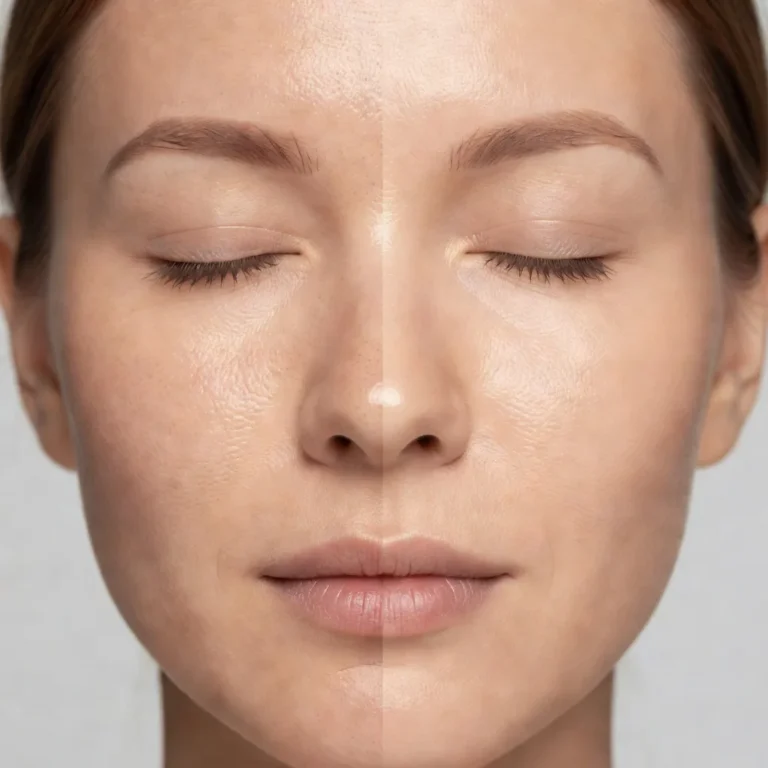
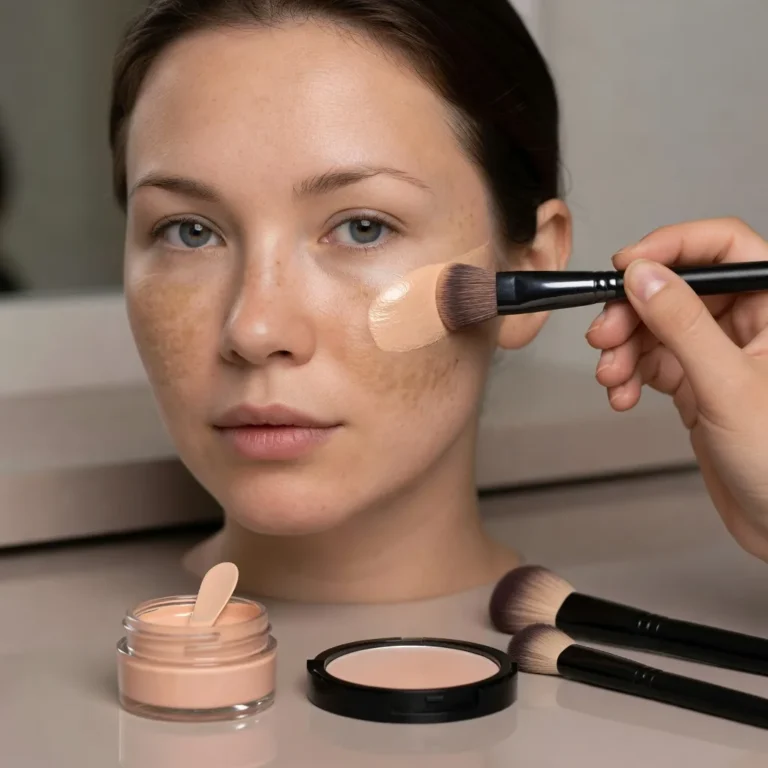
The main purpose of foundation is to even out skin tone and create a smooth, consistent base for the rest of your makeup. It softens redness, blotchiness, and minor discoloration, so blush, bronzer, and other products look more even and blend more easily.
Foundation is not a cure for skin problems, and it does not need to cover everything. Many people get better results using a light layer only where needed and spot-concealing the rest. Heavy, all-over coverage is more likely to look cakey, settle into lines, and clog pores. Choosing a formula that suits your skin type also makes a bigger difference than most people expect.
Some foundations add extras, such as sunscreen, hydration, or oil control, but they are still primarily makeup. If a foundation includes SPF, most people apply far too little to reach the protection on the label, so a separate sunscreen underneath is still the safest choice.
This guide explains what foundation does, the different types and finishes, how undertones work, a step-by-step way to choose one, how to apply it and make it last, and what it simply cannot do.
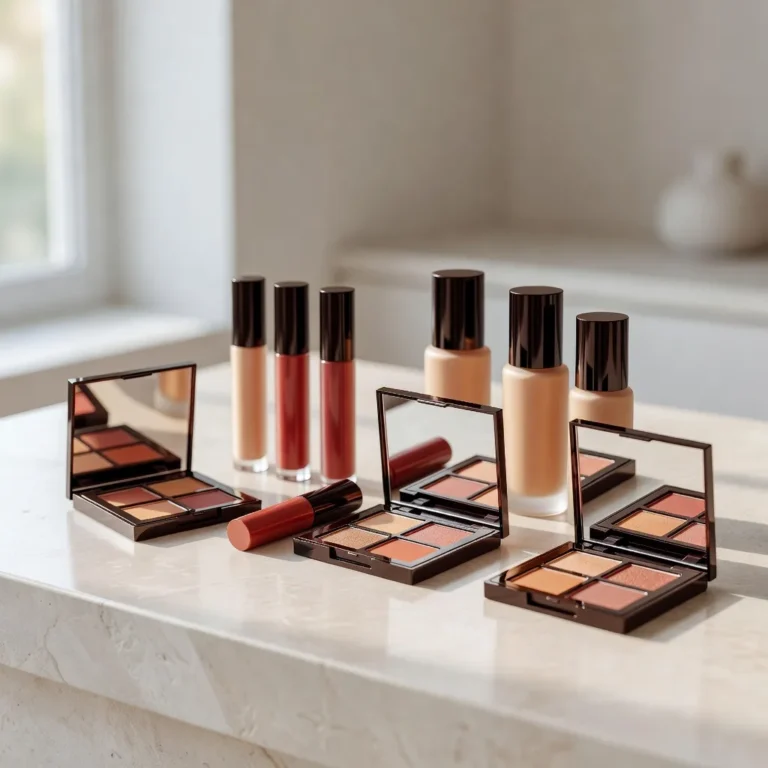
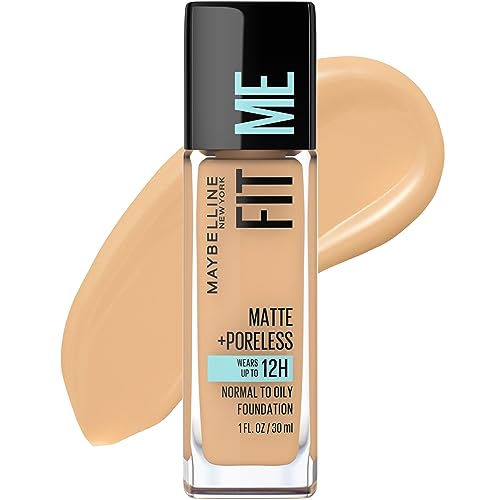
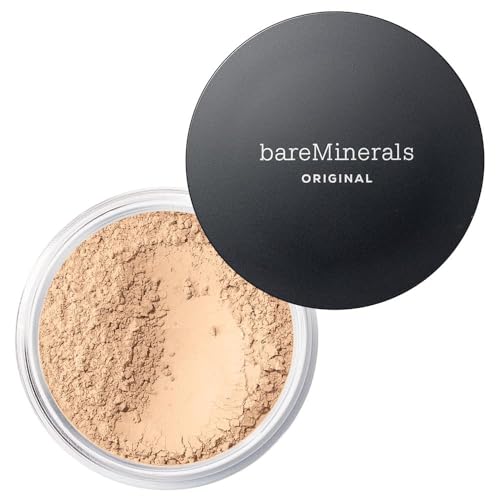
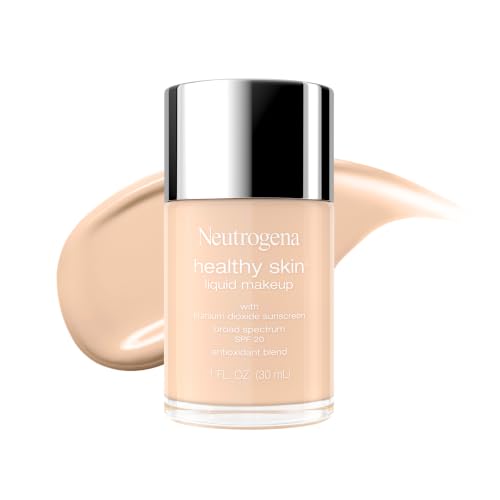
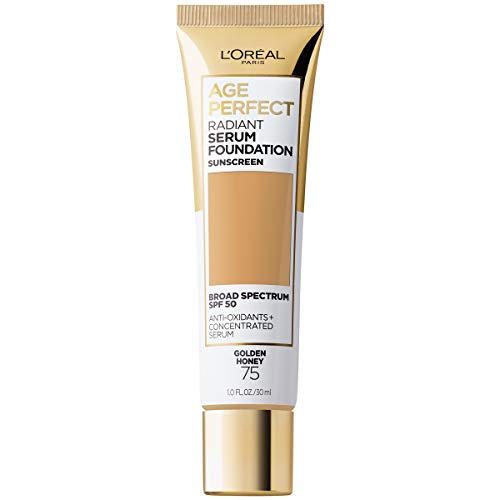
Recommended Foundations for Different Skin Types

In Brief
- Foundation evens skin tone and creates a smooth base for the rest of your makeup.
- You do not need full coverage; a light layer plus targeted concealer often looks more natural.
- Coverage ranges from sheer to full, and finishes range from matte to dewy.
- Choose formula by skin type and shade by testing along the jawline in daylight.
- Foundation with SPF rarely provides the full labeled protection because most people apply too little.
- Foundation cannot treat acne, redness, or pigmentation; it only covers them temporarily.
- Remove foundation every night to reduce the risk of clogged pores.
Contents
- What Foundation Does
- Types of Foundation
- Understanding Undertones
- How to Choose a Foundation
- How to Apply Foundation
- Choosing Foundation for Specific Concerns
- Foundation and Sunscreen
- Do You Need Foundation at All?
- Caring for Your Foundation and Tools
- What Foundation Cannot Do
- When to See a Dermatologist
- Common Questions
- Final Word
What Foundation Does
Foundation is a tinted product applied to the face to create a more uniform color and texture. It does several jobs at once:
- Evens out tone: it softens redness around the nose and cheeks, blotchiness, and mild discoloration.
- Creates a base: blush, bronzer, and highlighter blend more smoothly and look more even on top of foundation.
- Blurs texture slightly: some formulas soften the look of pores and fine texture.
- Controls shine or adds glow: matte formulas reduce shine on oily skin, while dewy formulas add radiance to dry or dull skin.
- Adds extras: some include SPF, hydrating ingredients, or oil-absorbing powders.
It is worth thinking of foundation as a tool you can adjust, not a mask. Many people use it on part of the face only, such as the center where redness is common, and leave the outer edges bare.
Types of Foundation
| Type | Coverage | Finish | Best for |
|---|---|---|---|
| Liquid | Sheer to full | Matte to dewy | Most skin types |
| Cream or stick | Medium to full | Satin to dewy | Dry or normal skin |
| Powder (pressed or mineral) | Sheer to medium | Matte | Oily or combination skin |
| Tinted moisturizer or skin tint | Sheer | Natural or dewy | Minimal coverage, dry or normal skin |
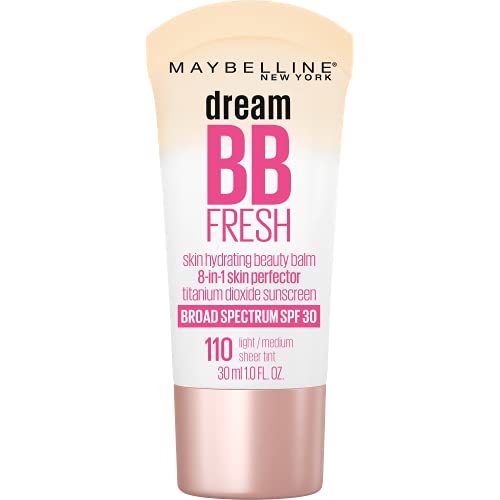
| BB or CC cream | Sheer to light | Natural | Light coverage with extras such as SPF |
| Serum foundation | Light to medium | Natural or radiant | Dry or mature skin |
Coverage describes how much the foundation hides, and finish describes how it looks on the skin. A light-coverage, dewy foundation looks very different from a full-coverage, matte one, even in the same shade.
Understanding Undertones
Shade is not just about light or dark. Undertone, the subtle color beneath the surface of your skin, is often the reason a foundation looks slightly off even when the depth seems right.
- Warm undertones lean golden, yellow, or peachy. Veins on the wrist often look greener, and gold jewelry may seem more flattering.
- Cool undertones lean pink, red, or bluish. Veins often look bluer, and silver jewelry may seem more flattering.
- Neutral undertones sit in between, and many shades can work.
- Olive undertones have a greenish or gray cast that many standard shades miss.
If a foundation looks orange, pink, or gray on your skin, try the same depth with a different undertone before going lighter or darker. Many brands label shades with W, C, N, or O to make this easier.
How to Choose a Foundation
This process helps you find a foundation that suits your skin and your goals.
Decide how much coverage you want
If your skin is mostly even, choose sheer or light coverage. If you want to cover more redness or discoloration, choose medium.
Match the formula to your skin type
Oily skin often suits oil-free liquid or powder. Dry skin suits hydrating liquids, creams, or serum foundations. Sensitive skin may do best with simple, fragrance-free formulas.
Pick a finish
Matte reduces shine, satin looks natural, and dewy adds glow. Many people prefer satin for everyday wear.
Test shades on the jawline
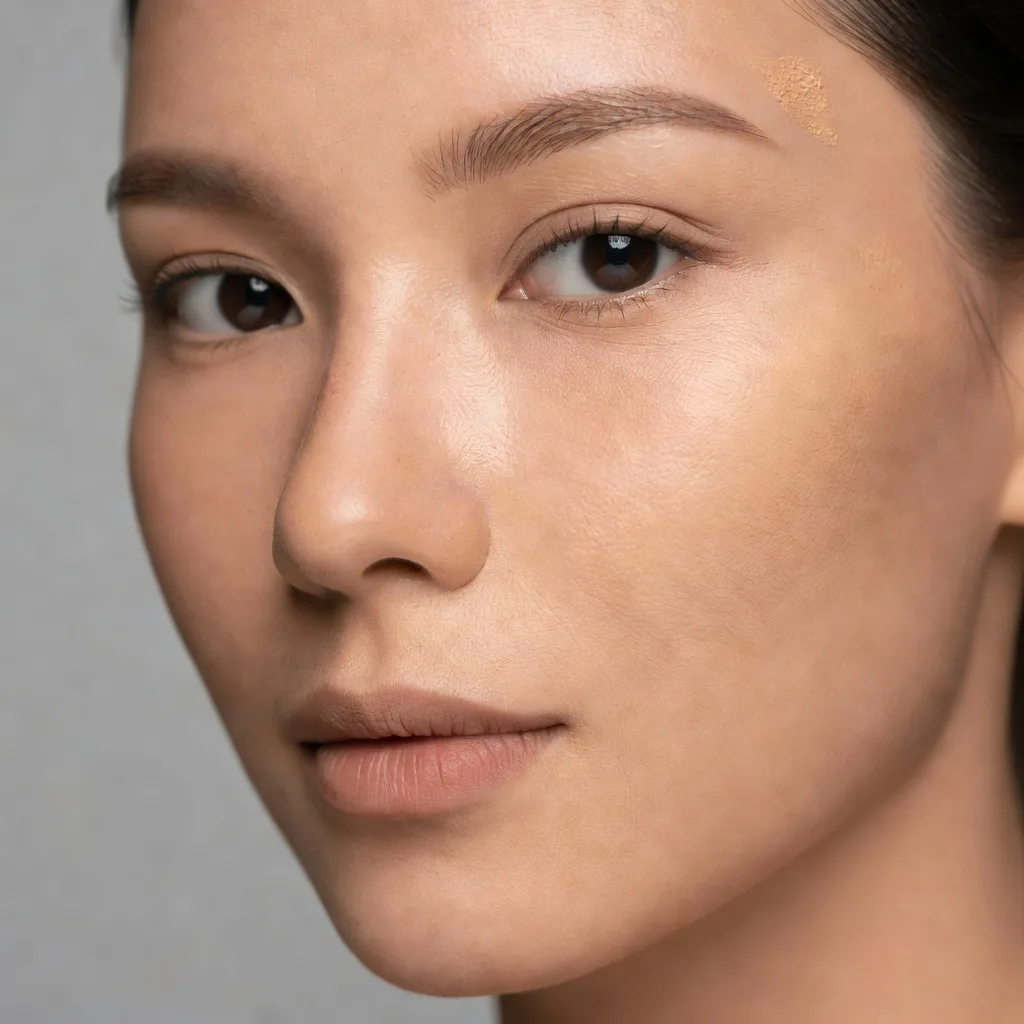
Apply two or three shades along the jaw and check in daylight. The right one disappears into both face and neck.
Wear it for a few hours
Check how it looks after a few hours, and watch for breakouts or irritation over the next couple of weeks.
Ask for samples when possible. How a foundation looks and feels after four hours tells you more than how it looks in the store.
How to Apply Foundation
Good application often matters more than the foundation itself.
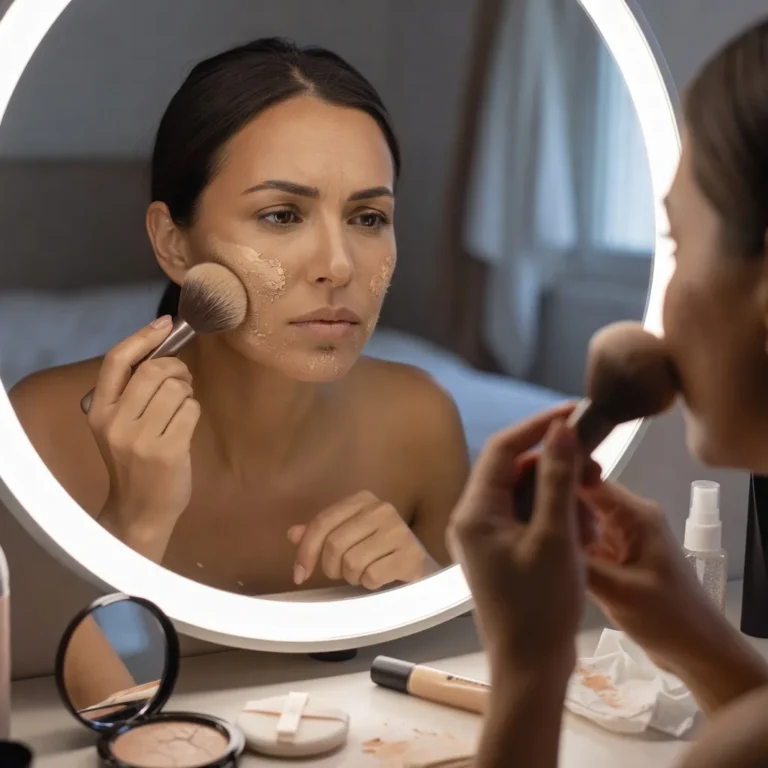
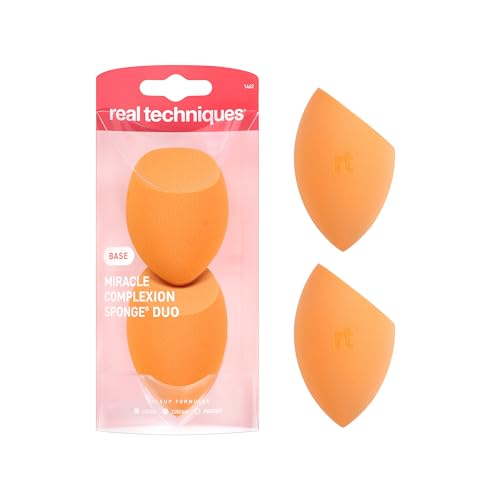
Start with moisturized skin and sunscreen that has settled for a few minutes. Apply a small amount of foundation to the center of the face and blend outward with fingers, a brush, or a damp sponge. Build more only where you need it.
Blend past the jawline so there is no visible edge. Our guide on putting makeup on your neck explains how to avoid a line. Use concealer on specific spots, under the eyes, and around the nose rather than adding more foundation all over.
Do
- Use a small amount and build in thin layers.
- Blend outward from the center of the face.
- Use concealer for spots instead of more foundation.
- Let skincare settle before applying.
- Remove foundation every night.
Don’t
- Apply a thick layer all over.
- Choose a shade by testing on your hand.
- Apply over wet sunscreen or moisturizer.
- Use a dirty sponge or brush.
- Sleep in foundation.
To help foundation last, blot oil during the day instead of adding more powder, and press a damp sponge over any patchy areas before touching up. A light setting spray can also help makeup look less powdery and stay put longer.
Choosing Foundation for Specific Concerns
Different skin concerns call for slightly different approaches.
- Redness or rosacea: a green-tinted primer or corrector under a light foundation can neutralize redness without heavy coverage. Avoid formulas that sting.
- Acne-prone skin: choose non-comedogenic, oil-free foundations and spot-conceal blemishes with a small brush.
- Dark spots and melasma: a medium-coverage foundation plus targeted concealer works better than piling on layers. Daily sunscreen matters most for improvement.
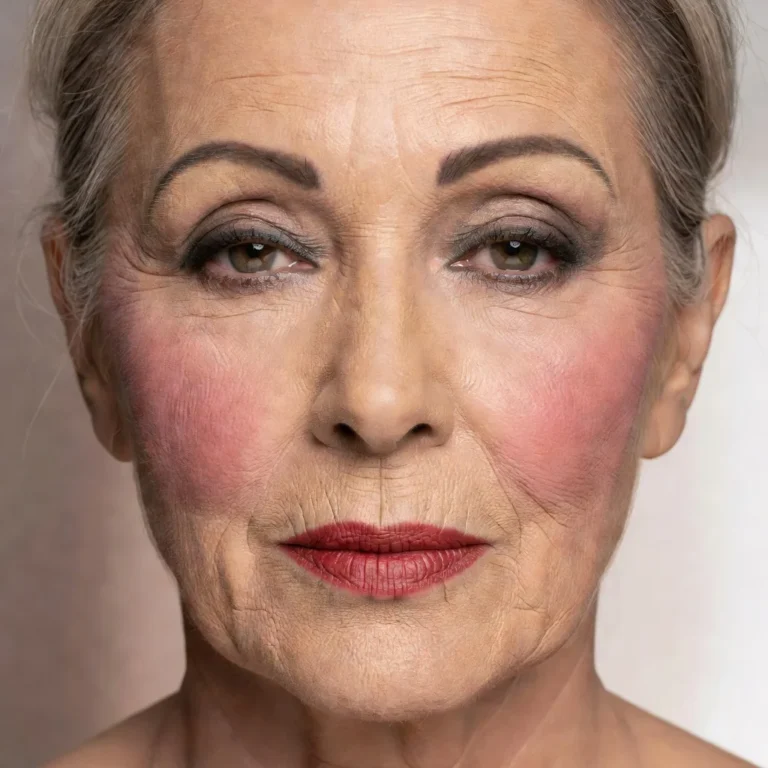
- Mature skin: lighter, hydrating formulas are less likely to settle into lines than heavy matte ones.
- Very oily skin: a mattifying primer on the T-zone and an oil-free foundation help makeup last.
Foundation and Sunscreen
Many foundations include SPF, which can add some protection. But SPF values are tested using a generous amount of product, about 2 milligrams per square centimeter of skin, which is far more foundation than most people apply.
That means a foundation labeled SPF 30 usually provides less protection in real life. For reliable daily protection, apply a broad-spectrum sunscreen with SPF 30 or higher first, let it settle, and then apply foundation on top.
Tinted mineral sunscreens with iron oxides can be a good middle ground, providing light coverage along with protection against both UV and visible light, which can worsen dark spots and melasma.
Do You Need Foundation at All?
Foundation is optional. If your skin tone is fairly even, you may prefer a skin tint, a little concealer, or nothing at all. Many people find that skipping foundation on most days and saving it for special occasions is easier on their skin and their schedule.
If you want a lighter routine, our guide on how to wear the least amount of makeup shows how to look polished with just a few products.
You can also mix approaches. Some people use a sheer skin tint most days and a medium-coverage foundation for events, or mix a drop of foundation into their moisturizer to create a custom light layer. There is no single right way.
Caring for Your Foundation and Tools
Foundation does not last forever. Most liquid foundations are best used within about a year of opening, and the small open-jar symbol on the packaging, such as 12M, shows the recommended time. If a foundation separates, changes smell, or looks different, replace it.
Pump bottles and tubes are more hygienic than open jars or bottles you pour onto your fingers, since they limit contact with air and bacteria. Store foundation away from heat and direct sunlight, which can change its color and texture.
Wash brushes about once a week and sponges after each use, and let them dry fully. Clean tools apply foundation more evenly and reduce the chance of breakouts.
What Foundation Cannot Do
Foundation changes how skin looks for a few hours. It does not change the skin itself.
| Belief | Reality |
|---|---|
| Foundation hides all texture | It can blur slightly, but heavy layers make texture more visible |
| Full coverage looks more polished | Lighter coverage often looks more natural and lasts better |
| Foundation with SPF is enough sun protection | Most people apply too little to get the labeled SPF |
| Foundation treats acne or redness | It covers them temporarily; treatment is separate |
| One shade works all year | Many people need a different shade in summer and winter |
If foundation often looks heavy or patchy, see our guide on fixing cakey makeup.
When to See a Dermatologist
If you rely on heavy foundation to cover a skin concern, it may be worth getting that concern checked. See a dermatologist if you notice:
- Persistent redness, flushing, or visible vessels.
- Acne that is painful or leaves marks or scars.
- Dark patches that spread or darken, such as melasma.
- Breakouts or rashes after starting a new foundation.
- A spot or mole that is changing.
- Scaly or rough patches that do not heal.
Stop using a foundation that causes burning, swelling, or a spreading rash, and seek care if symptoms are severe.
Medical disclaimer: This article is for general information and is not a substitute for professional medical advice. See a healthcare provider about persistent skin concerns.
Common Questions
What is the purpose of foundation?
To even out skin tone and create a smooth base for the rest of your makeup.
Do I need foundation?
No. It is optional. Many people use a skin tint, concealer, or nothing at all.
What is the difference between foundation and concealer?
Foundation evens out overall tone; concealer covers specific spots, dark circles, or blemishes.
What foundation is best for oily skin?
Oil-free liquid or powder foundations with a matte or satin finish often work well.
What foundation is best for dry skin?
Hydrating liquid, cream, or serum foundations with a dewy or satin finish.
Does foundation with SPF protect my skin?
Some, but most people apply too little. Use a separate sunscreen underneath.
How do I choose the right foundation shade?
Test on your jawline and check in daylight; the right shade disappears into both face and neck.
Can foundation cause acne?
Some formulas can clog pores. Choose non-comedogenic products and remove foundation nightly.
Should I use primer before foundation?
It is optional. Primer can help on very oily or textured skin, but many people do not need it.
How much foundation should I use?
Start with a pea-sized amount for the whole face and build only where needed.
Final Word
Foundation’s main purpose is to even out skin tone and create a smooth base for the rest of your makeup. It comes in many types, coverage levels, and finishes, and the right choice depends on your skin type, how much coverage you want, and the look you prefer.
Choose a formula that suits your skin, match the shade along your jawline in daylight, apply thin layers, and use concealer for specific spots. Wear a separate sunscreen underneath, remove foundation every night, and see a dermatologist if you find yourself relying on heavy coverage to hide a skin concern.