What Is the Average Price for a Facial?
What is the average price for a facial, and how much of that number actually depends on which specific treatment you’re booking?
Most people in the US pay between $110 and $175 for a standard facial, though the full market range spans roughly $55 to $350 or more once you account for specialty treatments, provider credential tier, and location. No government agency or trade association publishes a rigorous “average facial price” dataset, so every figure circulating online, including this one, comes from commercial cost-aggregator sites and industry blogs rather than an authoritative statistical source.
The biggest price drivers are consistent across sources — location, esthetician credential tier, product grade, session length, and venue type all compound to explain why the same general treatment can cost two or three times more at one provider than another.
This guide breaks down pricing clearly by facial type, what actually drives the price spread, and how to compare quotes fairly across different providers so you’re not surprised by the final bill at checkout.
Recommended Budget-Friendly Products for Between Professional Facials
Key Facts
- Most people in the US pay between $110 and $175 for a standard facial, though the full range across treatment tiers spans roughly $55 to $350 or more.
- There’s no single authoritative “average facial price” figure — no government or trade-association dataset tracks this rigorously. Every number circulating online, including the ones in this article, comes from commercial cost-aggregator sites or industry blogs with a marketing incentive.
- Facial pricing shouldn’t be confused with surgical procedures like facial fat grafting, which cost thousands of dollars and belong to an entirely different medical category, not the spa-facial market this article covers.
Jump To
- What “Average Facial Price” Actually Means
- The Overall Price Range
- Price by Facial Type
- What Actually Drives the Price
- How to Estimate What You’ll Pay
- Is a Men’s Facial Priced Differently?
- How This Compares to Other Facial Types on This Site
- Why These Numbers Are Directional, Not Precise
- A Practical Budgeting Tip
- Spending Wisely
- When Paying More Is Actually Worth It
- When Price Shouldn’t Be the Deciding Factor
- Frequently Asked Questions
- The Bottom Line
What “Average Facial Price” Actually Means
“Average facial price” is a useful shorthand, but it flattens a market that actually spans a huge range of treatment types, provider credentials, and locations. A basic 30-minute facial at a neighborhood studio and a 90-minute anti-aging treatment at a luxury resort spa are both “facials” in casual conversation, but their prices have almost nothing in common. Any single average number is really an approximation across very different services.
It’s also worth separating “average” from “typical” here. A statistical average across every facial type sold in the US would be pulled upward by expensive specialty treatments and downward by basic walk-in services, landing on a number that very few individual people actually pay. The $110 to $175 range cited below reflects what most consumers report paying, which is a more useful figure for planning a budget than a pure mathematical average would be.
The Overall Price Range
Based on current US market data, facials range from roughly $55 to $350, with most people paying between $110 and $175 for a standard treatment. That wide spread reflects the number of distinct facial categories — basic, deep-cleansing, acne-focused, anti-aging, and specialty treatments like HydraFacial or chemical peels — each with its own typical range.
If you’re budgeting for a first facial and don’t yet know which category fits your skin, the $110 to $175 range is a reasonable planning number for a standard treatment at a typical provider. Specialty treatments and premium venues can push well past that, but they’re an upgrade from the baseline rather than what most people should expect to pay for an entry-level appointment.
Price by Facial Type
| Facial Type | Typical Price Range |
|---|---|
| Basic facial | $55 – $110 |
| Deep-cleansing facial | $85 – $165 |
| Acne facial | $80 – $165 |
| Anti-aging facial | $110 – $275 |
| HydraFacial | $175 – $350 |
| Chemical peel | $150 – $350 |
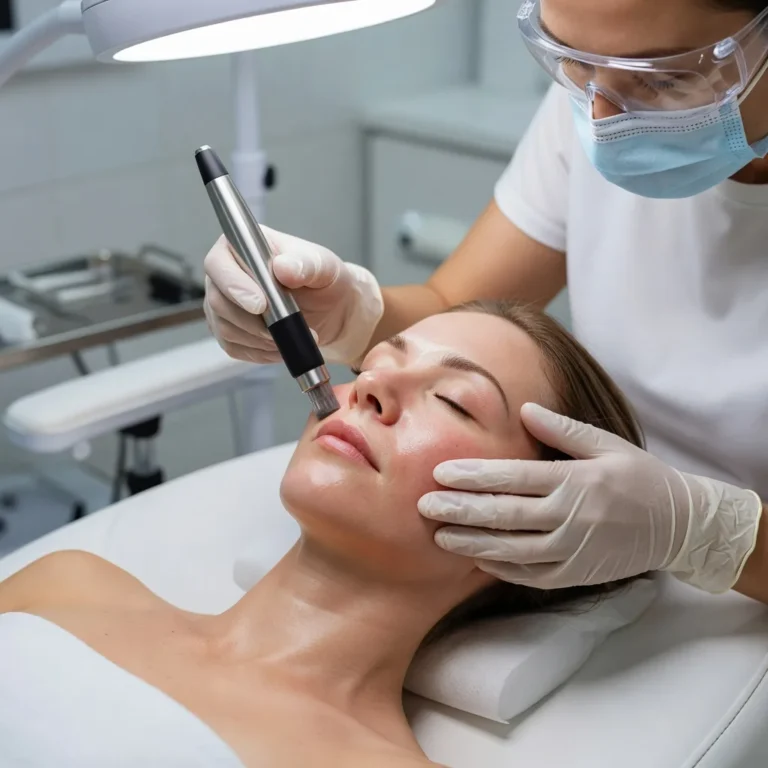
| Microdermabrasion | $110 – $325 |
What Actually Drives the Price
Across cost-data sources, the same handful of factors consistently explain the spread within each category. Location matters most broadly — a major metro area typically runs 30 to 60% higher than a smaller city. Esthetician credential tier adds another layer, with master or specialist-level providers charging 20 to 50% more than entry-level staff. Product grade can add $25 to $120 for medical-grade formulations, session-length add-ons run $50 to $175, and venue type swings prices dramatically, from $55 to $130 at an independent studio up to $225 to $650 at a luxury resort spa for a comparable treatment tier.
These factors compound rather than operate independently, which is why the extremes of the overall price range can look so far apart. A basic facial in a smaller city at an independent studio with an entry-level esthetician sits at the low end of every factor simultaneously, while an anti-aging treatment in a major metro at a luxury resort spa with a master esthetician and medical-grade products stacks the high end of each factor on top of the others.
How to Estimate What You’ll Pay
Start with the treatment category
Identify whether you’re looking at a basic, deep-cleansing, acne, anti-aging, or specialty facial, since that alone sets your baseline range.
Adjust for your location
Expect to land toward the higher end of a range in a major metro area, and toward the lower end elsewhere.
Factor in provider tier
A master esthetician or specialist typically costs more than a general esthetician for the same treatment category.
Check the venue type
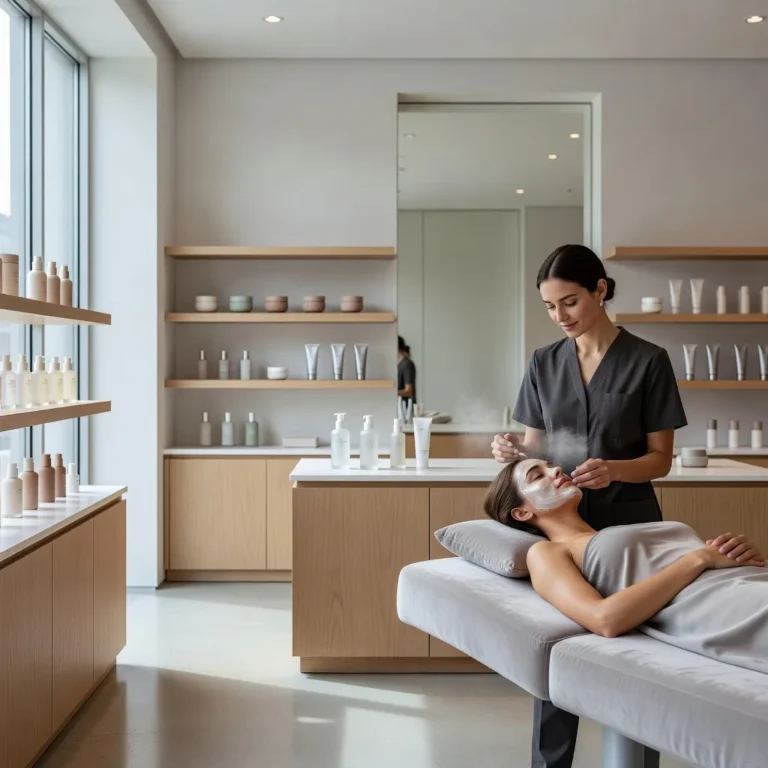
An independent studio and a resort or hotel spa can charge very different prices for what’s functionally the same service.
Ask about add-ons before booking
Confirm whether extended time, premium products, or extra steps are included in the quoted price or billed separately.
Is a Men’s Facial Priced Differently?
Not meaningfully. Men’s-facial-specific pricing data shows a basic or classic men’s facial running $35 to $100, with custom treatments at $115 to $170, and an overall range of roughly $35 to $300 — broadly consistent with general facial pricing. This undercuts any marketing claim that men’s facials carry a meaningful price premium or discount purely based on being marketed to men.
Where men’s-specific menus do sometimes differ is in add-on services bundled into the price, such as extended attention to shaving-related skin issues, rather than the base facial price itself. If you see a meaningful price gap between a “men’s facial” and a general facial at the same provider, it’s worth asking what’s actually included in each before assuming the gap reflects anything about skin type.
How This Compares to Other Facial Types on This Site
| Facial Type | Typical Price Range |
|---|---|
| Average/standard facial | $55 – $350 |
| Extraction facial | $60 – $150 |
| European facial | $35 – $250 |
| Facial fat grafting | $2,085 – $7,413 |
The extraction and European facial ranges sit close to the overall average, which makes sense since both are variations on the standard spa-facial category rather than a fundamentally different service tier. Facial fat grafting is the outlier for a structural reason, not a market one.
Why These Numbers Are Directional, Not Precise
A Practical Budgeting Tip
Spending Wisely
Do
- Compare prices within the same facial category and venue type, not across categories
- Ask what’s included in a quoted price before booking
- Expect to pay more in a major metro area or at a resort spa for the same treatment tier
Don’t
- Assume a men’s facial is priced meaningfully differently from a general facial
- Compare spa-facial pricing to surgical procedures like fat grafting
- Treat any single “average” figure as a precise, authoritative statistic
When Paying More Is Actually Worth It
A higher price sometimes reflects genuinely more experienced providers, medical-grade products, or a longer, more thorough treatment — all of which can be worth it depending on your skin goals. But a higher price at a luxury venue doesn’t automatically mean a better outcome; venue ambiance and provider skill are two different things, and it’s reasonable to ask about a provider’s specific training rather than assuming price alone signals quality.
A useful test: ask what specifically the higher price is paying for. If the answer is a longer appointment, a more experienced provider, or genuinely different products, that’s a concrete reason to pay more if it matches your goals. If the answer mostly amounts to the venue’s setting and amenities, that’s a legitimate reason people pay more too — just a different one, worth being honest with yourself about before booking.
When Price Shouldn’t Be the Deciding Factor
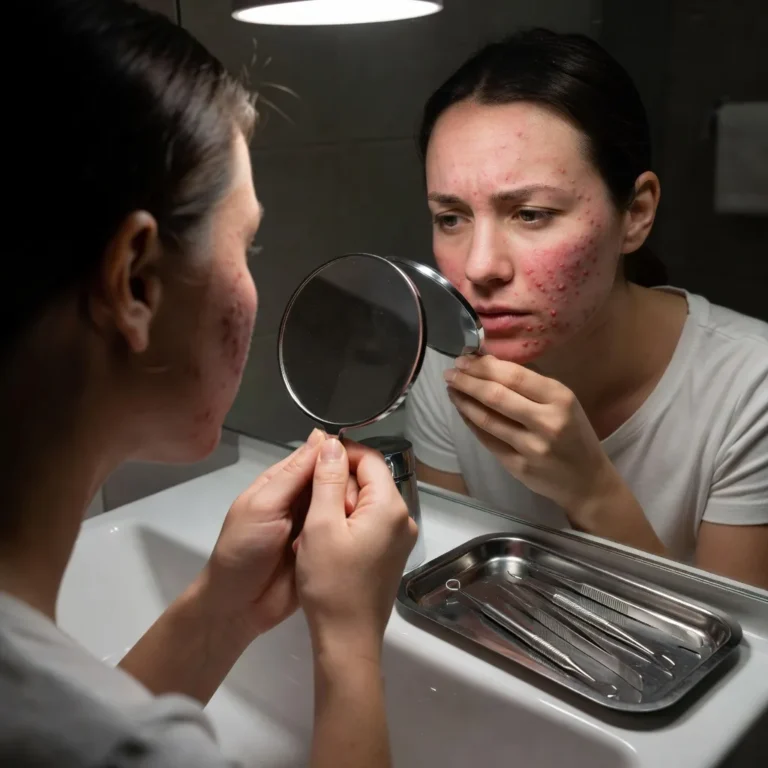
If you’re weighing a facial against a documented skin condition, persistent acne that hasn’t responded to standard treatment, or a mole or lesion that’s changing, cost comparison isn’t the relevant question — seeing a dermatologist is, regardless of what any facial costs.
Frequently Asked Questions
What is the average price of a facial?
Most people pay between $110 and $175, though the full market range runs roughly $55 to $350 depending on treatment type.
Why do facial prices vary so much?
Location, provider credential tier, product grade, session length, and venue type all meaningfully affect price within the same treatment category.
Are men’s facials more expensive than women’s facials?
No, pricing data shows men’s facials fall within the same general range as standard facials, roughly $35 to $300.
Is a more expensive facial always better?
Not necessarily — a higher price can reflect venue ambiance as much as provider skill, so it’s worth asking about specific training rather than assuming price signals quality alone.
Why is facial fat grafting so much more expensive than a regular facial?
It’s a surgical medical procedure performed by a physician, an entirely different category from a spa facial, which is why its price is dramatically higher.
Is there an official average facial price statistic?
No — no government or trade-association dataset tracks this rigorously; available figures come from commercial cost-aggregator sites and industry blogs.
Why do resort spas charge more for facials?
Venue type significantly affects pricing; a luxury resort spa can charge two to three times what an independent studio charges for a comparable treatment tier.
What should I ask before booking based on price?
Ask exactly what’s included — treatment length, products used, and any add-on steps — so you’re comparing equivalent services.
Does a HydraFacial cost more than a basic facial?
Yes, typically $175 to $350 compared to $55 to $110 for a basic facial, reflecting the specialized equipment and products involved.
Should I choose a facial based on price alone?
Not if you have a specific skin concern — matching the treatment type to your actual goal matters more than picking the cheapest or most expensive option available.
The Bottom Line
Facial pricing spans a genuinely wide range, and most of that spread comes down to treatment type, location, provider tier, and venue rather than any single “going rate.” Use the ranges here as a directional guide, ask what’s actually included before booking, and keep in mind that no publicly available dataset offers a precise, authoritative average — every figure, including the ones above, is market data, not a statistic.