Vampire Facial vs Microneedling: Safety Check First
The vampire facial vs microneedling comparison gets lost in influencer marketing more than almost any other cosmetic procedure. Kim Kardashian’s Instagram made “vampire facial” a household phrase, and marketing pages have blurred it with microneedling, PRP injections, and a completely different procedure called a vampire facelift ever since. Before booking anything with that name, it’s worth knowing exactly what you’re getting, and exactly what to check for your own safety first.
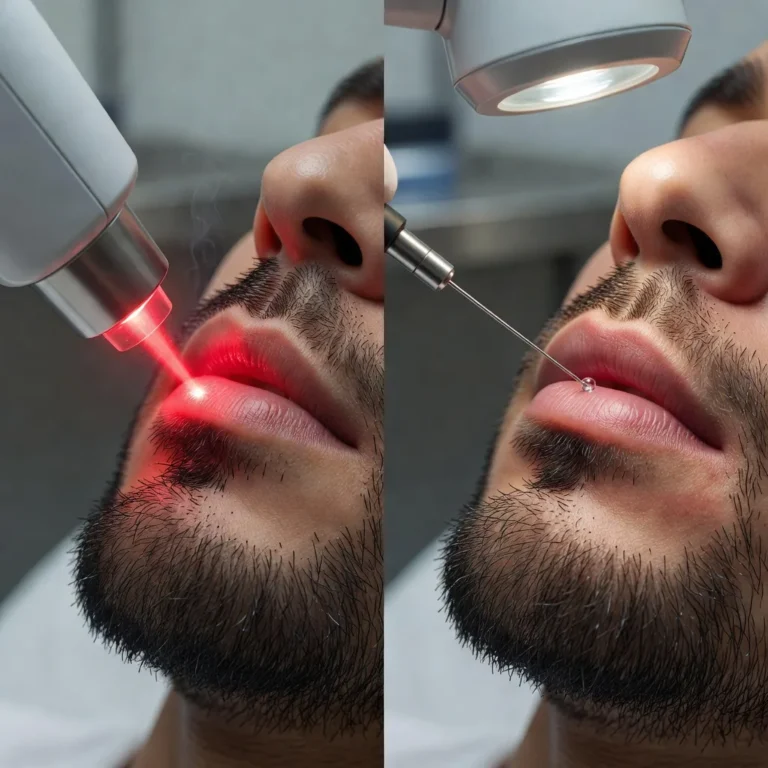
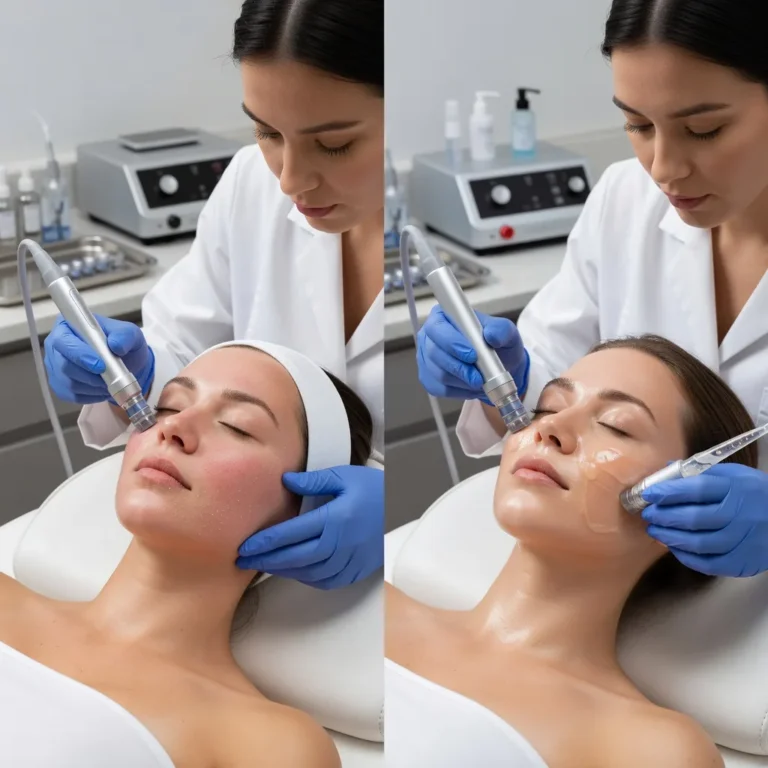
Microneedling creates controlled micro-injuries that trigger your skin’s own collagen production. A vampire facial adds one extra step: platelet-rich plasma from your own blood, applied topically right after, while the micro-channels from the needles are still open. That’s the whole mechanism, no more mysterious than that.
Here’s the part that actually matters before you book: ask whether the provider uses single-use, disposable needling equipment and confirm they’re properly licensed. This isn’t excessive caution. In 2024, the CDC traced HIV infections in three women to an unlicensed New Mexico spa that reused equipment during vampire facials. A confident yes to both questions takes ten seconds and rules out the actual documented risk.
This guide covers that safety check in detail, clears up the real difference between a vampire facial and a vampire facelift, compares microneedling alone against microneedling with PRP, and walks through what a session actually involves from blood draw to aftercare.
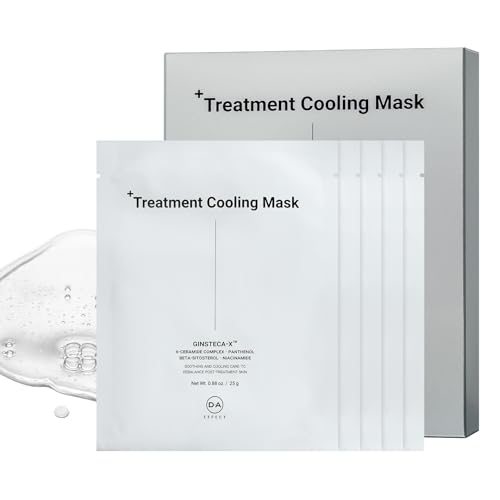
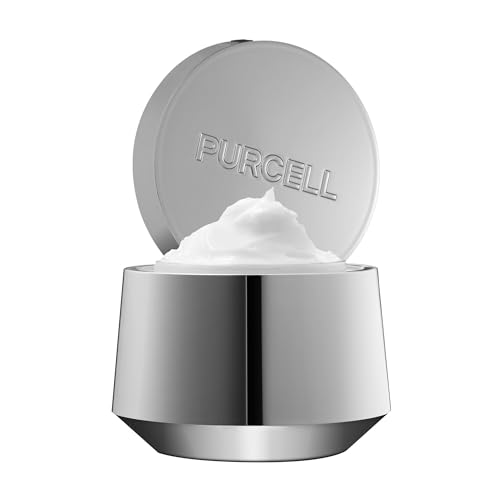
Recommended Products for Post-Treatment Skin Recovery
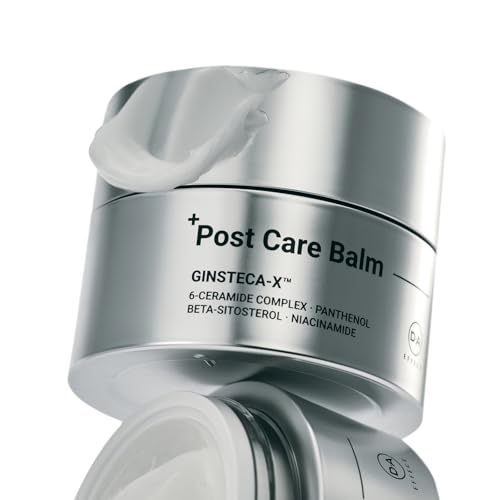
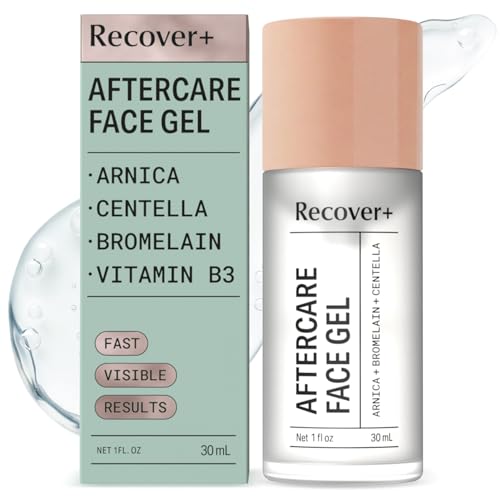
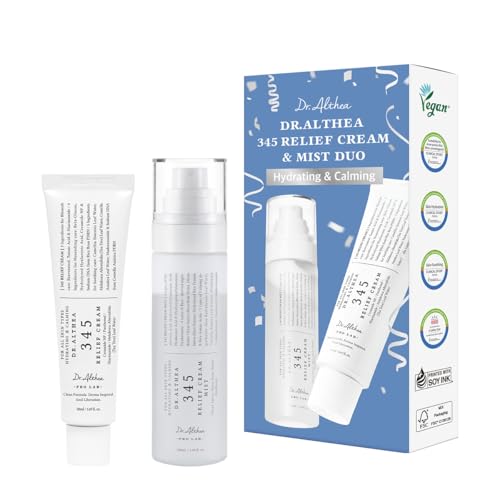
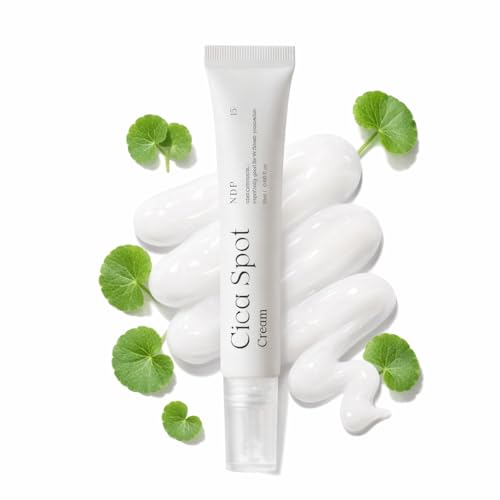
Key Takeaways
- Microneedling creates controlled micro-injuries that trigger your body’s own collagen production. A vampire facial adds a topical application of your own platelet-rich plasma (PRP) on top of that same microneedling.
- A “vampire facial” and a “vampire facelift” are two different procedures despite the near-identical name, one applies PRP topically after microneedling, the other injects PRP (sometimes with filler) directly into the skin.
- The single most important safety check before booking either: confirm the provider uses single-use, disposable microneedling tips and is a licensed professional in a properly regulated setting.
- This isn’t a theoretical concern. A 2024 CDC investigation traced HIV infections in three women to an unlicensed New Mexico spa that reused equipment during vampire facials.
- Evidence that PRP meaningfully improves on microneedling alone is still developing. Some studies show a modest added benefit for scarring and texture; others show comparable results with microneedling by itself.
- Neither treatment produces dramatic, immediate change. Results build gradually over weeks as new collagen forms.
- Excessive bruising, signs of infection, or symptoms consistent with a bloodborne illness after treatment need immediate medical attention, not a follow-up spa visit.
Table of Contents
- What’s Actually Happening to Your Skin
- The 60-Second Safety Check Before You Book
- Vampire Facial vs. Vampire Facelift: Same Nickname, Different Procedures
- Microneedling Alone vs. Microneedling With PRP
- Do This, Not That: Booking Safely
- What a Session Actually Involves
- What Neither Treatment Can Do
- When It’s More Than Skincare: Red Flags and Safety History
- Frequently Asked Questions
- The Bottom Line
What’s Actually Happening to Your Skin
The vampire facial vs microneedling question really comes down to one added step: platelet-rich plasma. Microneedling uses a device of fine needles to create hundreds of controlled micro-injuries across the skin’s surface. Your body responds to that controlled injury the way it responds to any wound, by ramping up collagen and elastin production to repair it, which over several weeks gradually improves texture, fine lines, and some types of scarring.
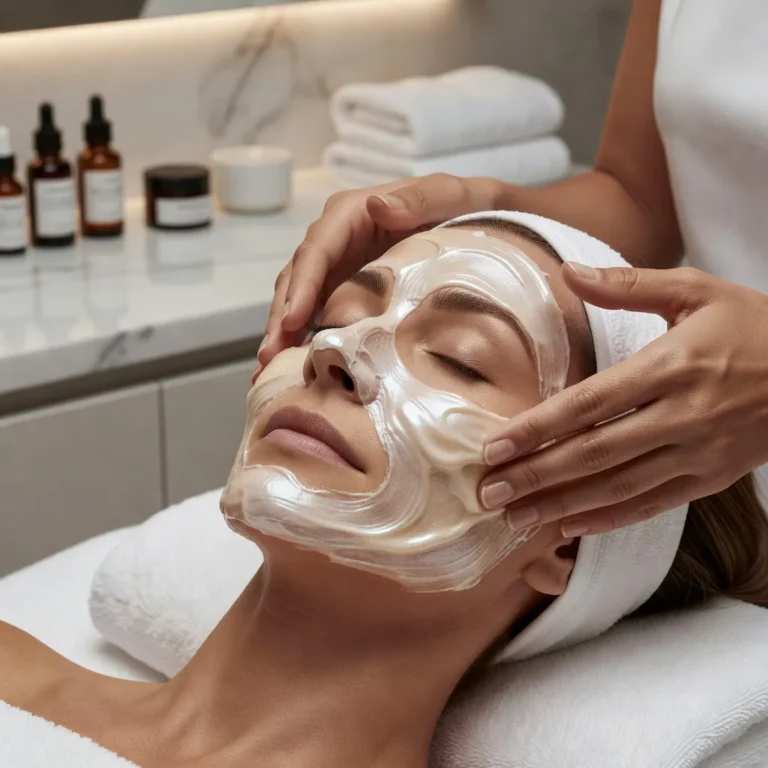
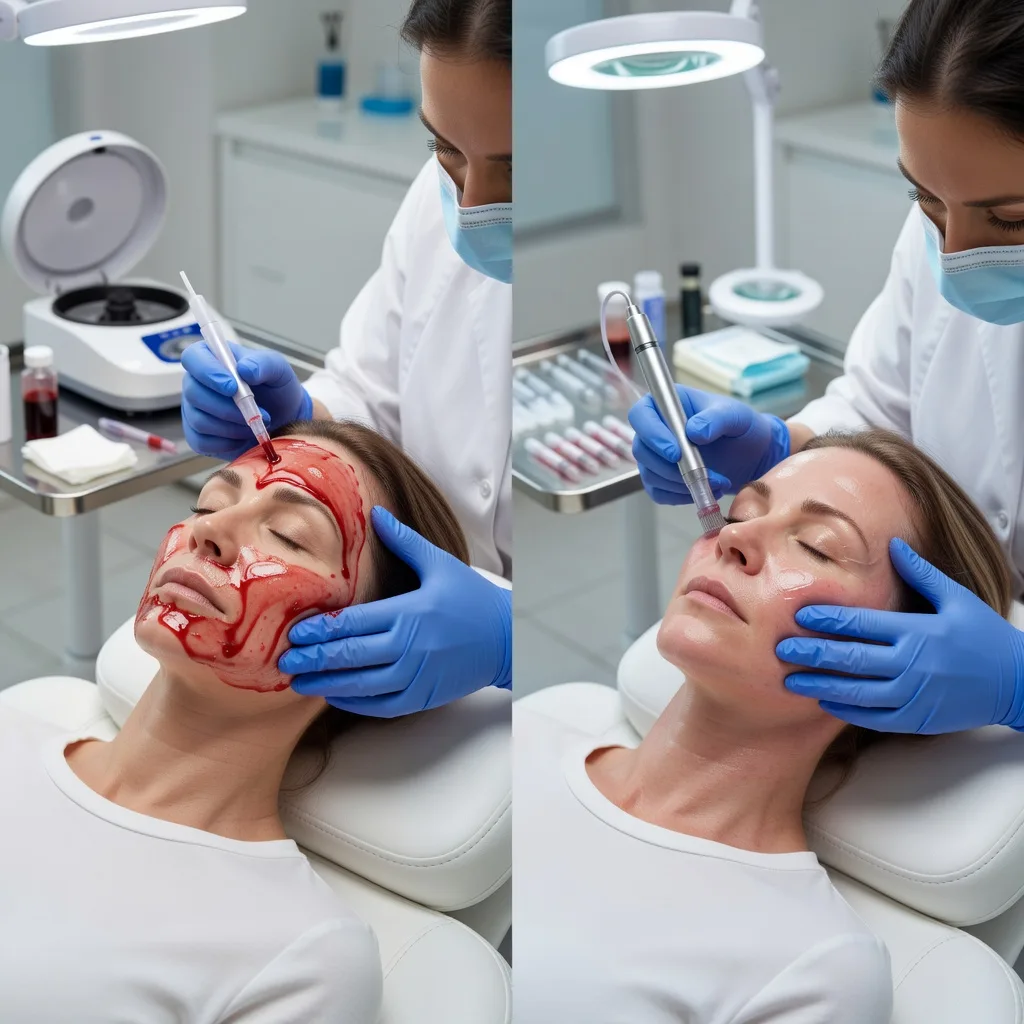
A vampire facial adds one extra step: platelet-rich plasma, spun down from a small sample of your own blood, is applied topically across the skin immediately after microneedling, when the micro-channels created by the needles are still open. The idea is that growth factors in the plasma get better access to deeper skin layers through those channels than they would through intact skin.
The 60-Second Safety Check Before You Book
Ask these two questions before any appointment involving needles and your own blood:
- “Do you use single-use, disposable microneedling tips or cartridges?” The answer should be an immediate, confident yes. Reused needling equipment is a genuine bloodborne pathogen risk.
- “Are you a licensed medical or esthetic professional operating under state regulation?” Ask to see the license if it isn’t posted. An unlicensed provider operating outside regulatory oversight is a real, documented risk, not a hypothetical one.
If either answer is vague, hesitant, or evasive, that’s your answer. Book elsewhere.
Vampire Facial vs. Vampire Facelift: Same Nickname, Different Procedures
| Vampire facial | Vampire facelift | |
|---|---|---|
| How PRP is applied | Spread topically across the skin after microneedling | Injected directly into the skin, often combined with dermal filler |
| Invasiveness | Lower, no injections beyond the microneedling itself | Higher, involves injection technique similar to filler |
| Typical goal | Overall texture, tone, and mild scarring improvement | Volume restoration and contouring alongside skin quality |
| Who should perform it | Licensed esthetician or medical provider trained in microneedling | Licensed medical provider experienced in injectable technique |
The near-identical branding is a marketing accident, not a medical one. Booking “a vampire facial” and receiving facelift-style injections, or the reverse, means you and your provider aren’t discussing the same procedure, which is exactly the kind of mismatch a quick clarifying question prevents.
Microneedling Alone vs. Microneedling With PRP
| Microneedling alone | Microneedling with PRP (vampire facial) | |
|---|---|---|
| Mechanism | Controlled micro-injury triggers collagen production | Same micro-injury, plus topical growth factors applied to open channels |
| Evidence base | Well established for texture, fine lines, and some scarring | Growing but mixed, some studies show modest added benefit, others show comparable results to microneedling alone |
| Cost | Lower, no blood draw or processing required | Higher, reflects the additional PRP preparation step |
| Downtime | Mild redness, typically resolves within a day or two | Similar, sometimes slightly more noticeable redness from the PRP application |
Whether the added PRP step is worth the added cost genuinely depends on the individual and the specific concern being treated. It’s a reasonable enhancement, not a night-and-day difference from microneedling by itself.
Note: PRP quality depends on your own blood at the time of the draw. Smoking, certain medications, and overall health can affect platelet concentration, which is part of why results vary noticeably between individuals even with identical technique.
Do This, Not That: Booking Safely
Do
- Confirm single-use disposable needling tips before every appointment
- Verify the provider’s license, not just their business’s general reputation
- Clarify whether you’re booking a vampire facial or a vampire facelift specifically
- Expect gradual results building over several weeks, not immediate change
- Space repeat sessions several weeks apart to allow proper healing between treatments
Don’t
- Book with a provider who’s vague about equipment sterilization or reuse
- Assume a lower price reflects the same safety standards
- Expect PRP to dramatically outperform microneedling alone based on marketing claims alone
- Get either treatment with active skin infections or open wounds in the area
- Skip asking which specific procedure, facial or facelift, you’re actually receiving
What a Session Actually Involves
Consultation and safety check
Confirm single-use equipment and provider licensing, and clarify facial versus facelift if there’s any ambiguity.
Blood draw
A small blood sample is taken and spun in a centrifuge to separate the platelet-rich plasma.
Tip: Avoid NSAIDs like ibuprofen for a few days before your appointment if your doctor says it’s safe to do so. NSAIDs can affect platelet function and may reduce PRP quality.
Numbing
Topical anesthetic is typically applied to the treatment area beforehand.
Microneedling
A device passes fine, single-use needles across the skin to create controlled micro-injuries.
PRP application
The prepared plasma is applied topically over the freshly microneedled skin.
Immediately after
Redness and mild swelling are common and typically improve within a day or two.
Following weeks
Collagen remodeling continues gradually, with texture and tone improvements building over several weeks.
What Neither Treatment Can Do
Neither microneedling nor a vampire facial produces the dramatic, instant change some marketing implies. Results depend on your body’s own collagen response, which takes weeks to build and varies between individuals. Deep or severe acne scarring, significant volume loss, or loose skin need a different or more intensive treatment entirely, such as a resurfacing procedure aimed specifically at those concerns.
The evidence that PRP adds a meaningful benefit over microneedling alone is still developing. Treat any claim that PRP dramatically outperforms microneedling by itself with some skepticism until you’ve seen the specific research behind it.
When It’s More Than Skincare: Red Flags and Safety History
Warning: This is a real, documented risk, not a hypothetical one. In 2024, the CDC traced HIV infections in three women to an unlicensed spa in New Mexico that reused equipment during vampire facials. Proper single-use needling equipment and licensed, regulated providers exist specifically to prevent this kind of transmission.
Excessive or worsening bruising, spreading redness, pus, fever, or any symptom suggestive of infection after treatment needs prompt medical attention. So does any concern about equipment reuse or provider licensing after the fact, reportable to your state’s health or cosmetology licensing board. If you’re unsure whether the person treating you is actually qualified to do so, our guide to checking a provider’s real credentials covers exactly how to verify that before you book.
Frequently Asked Questions
What’s the difference between a vampire facial and microneedling?
Microneedling alone creates controlled micro-injuries to stimulate collagen. A vampire facial adds a topical application of your own platelet-rich plasma after the same microneedling process.
Is a vampire facial the same as a vampire facelift?
No. A vampire facial applies PRP topically after microneedling. A vampire facelift injects PRP, often with filler, directly into the skin. They’re different procedures that happen to share a similar nickname.
Is it safe to get a vampire facial?
It’s safe when performed by a licensed provider using single-use, disposable needling equipment. A 2024 CDC investigation linked HIV transmission to an unlicensed spa that reused equipment, which is exactly why confirming single-use tips and licensing matters before booking.
Does PRP make microneedling more effective?
Evidence is mixed. Some studies show a modest added benefit for scarring and texture, others show results comparable to microneedling alone. It’s a reasonable enhancement, not a guaranteed dramatic improvement.
How many sessions of a vampire facial do you need?
Most protocols involve a series of 3 to 6 sessions spaced several weeks apart, with collagen-driven improvement building gradually across that series.
How do I know if my provider is using safe equipment?
Ask directly whether their microneedling tips or cartridges are single-use and disposable. A confident, immediate yes is the answer you want; hesitation is a reason to look elsewhere.
What does a vampire facial help with?
Overall skin texture, tone, and some types of mild scarring, driven by the collagen response to microneedling with an added topical PRP step.
Can a vampire facial remove deep acne scars?
Not on its own for severe scarring. Deep or significant acne scars typically need a more intensive treatment, and a dermatologist can advise on what’s realistic for your specific scarring.
How much downtime does a vampire facial require?
Typically mild redness and swelling that improves within a day or two, similar to microneedling alone.
What symptoms after treatment mean I should see a doctor?
Excessive or worsening bruising, spreading redness, pus, fever, or any symptom suggestive of infection needs prompt medical evaluation rather than waiting it out.
The Bottom Line
Before anything else, ask about single-use needling equipment and provider licensing. This isn’t excessive caution, it’s the exact safeguard that a 2024 CDC investigation showed was missing when an unlicensed New Mexico spa’s reused equipment led to HIV transmission in three women. Once that’s confirmed, decide whether you actually want a vampire facial (topical PRP after microneedling) or a vampire facelift (PRP injected, often with filler), since the near-identical names describe genuinely different procedures.
From there, keep expectations grounded: collagen-driven improvement builds gradually over several weeks, PRP’s added benefit over microneedling alone is still being studied and isn’t guaranteed to be dramatic, and neither treatment reaches deep scarring or significant volume loss. The safety check matters more than which version you choose.