

Ultrasonic Cavitation: What the Real Evidence Shows
Ultrasonic cavitation gets marketed as a non-invasive alternative to liposuction, sound waves collapsing fat cells without surgery, and the strongest published trial on it tells a more complicated story than most clinic websites let on.
A randomized, placebo-controlled trial found that 60 percent of treated participants were rated visually improved on blinded photo assessment, yet objective measurements, abdominal circumference, waist-hip ratio, showed no statistically significant difference from a true placebo group. Some devices do hold genuine FDA clearance for a narrow “temporary circumference reduction” claim, but many storefront machines carry no comparable clearance at all.
One manufacturer’s “Cavi-Lipo” device drew an actual FDA warning letter for being marketed as an uncleared device under a misleading classification, a documented case that shows this unregulated corner of the market is a real, not hypothetical, concern.
This guide covers what the strongest trial actually measured, how cavitation compares to cryolipolysis and other fat-reduction methods, real safety risks and contraindications, and how to check whether a specific device is genuinely FDA-cleared.
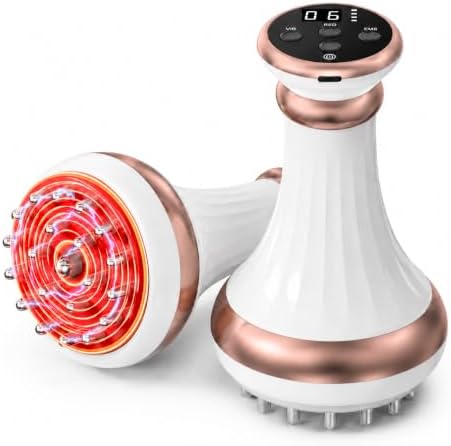
Recommended Products for Body Contouring Support



At a Glance
- Ultrasonic cavitation uses low-frequency ultrasound to create bubbles in tissue fluid that collapse and are claimed to rupture fat-cell membranes.
- The FDA does permit a “temporarily reduce body circumference” claim for its own cleared device category, but many storefront cavitation machines were never cleared at all.
- The strongest published RCT found no significant difference in objective measurements between real treatment and a true placebo, even though 60% of subjects were rated “improved” by blinded photo review.
- It is not a weight-loss treatment; any real effect is localized circumference reduction, not fat mass or BMI change.
- A manufacturer of one branded “Cavi-Lipo” device received an FDA warning letter for marketing an uncleared device under a misleading device classification.
Quick Navigation
- What Ultrasonic Cavitation Actually Does
- The FDA’s Actual Position
- A Real Warning Letter Worth Knowing About
- What the Strongest Trial Actually Found
- How It Compares to Other Fat-Reduction Methods
- Marketing Claims vs. What Holds Up
- Real Safety Considerations
- How Many Sessions and What They Cost
- Why the Evidence Is Genuinely Mixed
- Do This, Not That
- Vetting a Cavitation Provider
- When to See a Doctor
- Frequently Asked Questions
- The Bottom Line
What Ultrasonic Cavitation Actually Does
Ultrasonic cavitation applies low-frequency ultrasound, commonly around 40 kHz, to create cavitation bubbles in the fluid surrounding fat cells. Alternating high and low pressure waves cause these bubbles to expand and then collapse violently, and the resulting mechanical shear stress is claimed to rupture the membranes of nearby adipocytes. The released lipid content is then claimed to be processed by the lymphatic system and metabolized by the liver over the following days to weeks.
This is mechanistically distinct from cryolipolysis (fat freezing, used by devices like CoolSculpting), radiofrequency (heat-based effects on collagen and fat), and HIFU (high-intensity focused ultrasound, using thermal coagulation), all of which get grouped together under vague “fat reduction” marketing despite working through genuinely different physical processes. If you’re weighing cavitation against these alternatives, it’s worth reading through the full comparison of body-sculpting technologies before choosing one.
The FDA’s Actual Position
The relevant FDA device category for ultrasound body contouring is product code OHV, regulated under 21 CFR 878.4590, “Focused ultrasound for tissue heat or cell disruption.” Under this pathway, the FDA does permit devices to claim they may “temporarily reduce body circumference” in the treated area, working by causing fat cells to rupture. Two examples of devices that went through this real clearance process: UltraShape (non-thermal focused ultrasound) and LipoSonix (HIFU-based), both with genuine FDA clearance backed by submitted clinical data.
FYI: that FDA-permitted claim is specifically “temporary circumference reduction,” not fat loss, weight loss, or cellulite reduction, distinctions that matter a great deal but rarely survive translation into spa and clinic marketing copy.
A Real Warning Letter Worth Knowing About
Red flag: the company behind a branded “Cavi-Lipo” ultrasound cavitation system, SkinRex, received an FDA warning letter after marketing the device as “FDA Class 1” and mislabeling it as an “electric therapeutic massager.” The FDA found the device had never actually received premarket clearance or approval and began detaining shipments until the violations were corrected. This isn’t a hypothetical concern, it’s a documented case showing that many storefront “cavitation” machines sold to spas and consumers occupy a genuinely unregulated space, distinct from the properly cleared devices named above.
What the Strongest Trial Actually Found
A randomized, single-blind, placebo-controlled trial published in Aesthetic Surgery Journal Open Forum (2020) randomized 30 sedentary women into control, active-treatment (10 sessions over 8 weeks at 1.0 W/cm²), and true placebo groups, with the placebo group receiving an identical protocol at zero ultrasound intensity. Blinded photographic assessment rated 60% of the active-treatment group as visually improved. But objective measurements, abdominal circumference, waist-hip ratio, functional performance, and blood pressure, showed no statistically significant difference between the active, placebo, and control groups (P>0.05). The study authors concluded ultrasound cavitation “does not constitute a superior method” compared to placebo for the objectively measured outcomes.
| Outcome Measured | Active Treatment vs. Placebo |
|---|---|
| Blinded photo-assessed improvement | 60% rated improved |
| Abdominal circumference | No significant difference (P>0.05) |
| Waist-hip ratio | No significant difference (P>0.05) |
| Functional performance, blood pressure | No significant difference (P>0.05) |
Other published trials report positive circumference-reduction findings, but the broader literature is small-sample, inconsistent, frequently industry-funded, and often relies on photographic before/after comparison, a method this trial specifically showed can diverge sharply from objective measurement.
How It Compares to Other Fat-Reduction Methods
| Method | Mechanism | FDA Status |
|---|---|---|
| Ultrasonic cavitation | Mechanical rupture via bubble collapse | Some devices cleared (OHV); many storefront machines are not |
| Cryolipolysis | Cold-induced fat-cell apoptosis | FDA-cleared for specific devices/body areas |
| Radiofrequency | Heat-based effect on collagen/fat | Varies by device and claim |
| Liposuction | Surgical fat removal | Established surgical procedure, not a device clearance |
FYI: before booking, ask the provider for the exact device name and manufacturer, then look it up in the FDA’s public 510(k) database yourself. A legitimate, properly cleared device is easy to find there; a vague answer or an unfindable device name is the same red flag the SkinRex warning-letter case illustrates above.
Marketing Claims vs. What Holds Up
Narrowly supported: a properly FDA-cleared, medical-grade device can produce a modest, temporary circumference reduction in a treated area, similar in spirit to how other contouring treatments get honestly scoped by duration and degree rather than dramatic transformation. Unsupported or overstated: “permanently eliminates fat cells” as a whole-body outcome, “detoxifies the body,” “flushes fat out through urine within 24 to 48 hours,” “non-invasive alternative to liposuction” (effect sizes are far smaller than surgical fat removal), and “breaks down cellulite” (a separate, distinct, and separately unsubstantiated claim from circumference reduction).
Real Safety Considerations
FDA-listed cautions for cleared ultrasound body-contouring devices: not for use on open wounds, lesions, or compromised skin, and not for patients with active implanted electronic devices like pacemakers or defibrillators, or metal implants in the treatment area. Reported complications include pain, redness, swelling, blisters, burns, and nerve damage, the FDA specifically notes that therapeutic ultrasound can burn tissue without proper gel or coupling technique. Beyond the FDA’s own device-specific list, practitioner training sources commonly add caution around pregnancy or breastfeeding, active cancer or certain cancer histories, kidney or liver dysfunction, uncontrolled cardiovascular disease, and active infection at the treatment site.
The rationale behind the kidney/liver caution is worth understanding rather than just following blindly: the treatment’s own claimed mechanism involves releasing lipid content into the bloodstream for the liver to metabolize and the lymphatic system to clear, so a provider should reasonably ask about these conditions before treatment, and a person with known kidney or liver dysfunction should raise it themselves even if not asked directly.
How Many Sessions and What They Cost
Providers typically recommend a course of 6 to 12 sessions spaced one to two weeks apart, followed by maintenance sessions if the modest effect is worth sustaining. Pricing varies considerably by provider, area treated, and region, but a full course is a genuine financial commitment worth weighing against the trial evidence above: even the positive published trials describe a modest circumference change, not a dramatic transformation, and the strongest, most rigorously controlled trial found no advantage over a true placebo at all on objective measures.
Because the underlying literature is inconsistent, it’s reasonable to ask a provider directly what specific circumference change past clients have measured, in centimeters, rather than relying on photographs alone, given how clearly the 2020 trial demonstrated that photo-based improvement can diverge from objective measurement.
Why the Evidence Is Genuinely Mixed
Not every published trial agrees with the negative 2020 result. Some smaller studies, including one randomized trial specifically in adolescent females with abdominal obesity, reported positive circumference-reduction findings. Reconciling this honestly means acknowledging that the literature as a whole is small-sample, frequently industry-funded, and heavily reliant on photographic before/after comparison, a method the field’s most methodologically rigorous trial (the 2020 placebo-controlled study) specifically showed can produce a misleading impression of improvement. That doesn’t mean cavitation definitely doesn’t work, it means the evidence doesn’t yet support confident, consistent claims either way.
Do This, Not That
Do
- Ask a provider directly whether their specific device has FDA clearance
- Treat any real effect as modest, temporary circumference change, not weight loss
- Pair realistic expectations with diet and exercise for a visible result
Don’t
- Assume “FDA Class 1” or similar vague language means the device is actually cleared
- Expect cavitation to replace liposuction or produce comparable results
- Get treated with active implanted electronic devices or over compromised skin
Vetting a Cavitation Provider
Ask for the exact device name and manufacturer
Vague answers are a warning sign.Look up the device’s actual FDA clearance
The FDA’s own database is public; a legitimate device should be findable.Ask what outcome is realistic
A provider should describe modest circumference change, not dramatic fat loss.Confirm your own health history is screened
Implanted devices, pregnancy, and certain health conditions should be asked about before treatment.Set expectations around multiple sessions plus lifestyle changes
Any real effect is incremental, not a single-session transformation.
When to See a Doctor
See a doctor before considering ultrasonic cavitation if you have a pacemaker or other implanted electronic device, are pregnant, have a history of certain cancers, or have kidney or liver dysfunction, since these are the situations where the treatment’s real risk profile matters most.
Frequently Asked Questions
Does ultrasonic cavitation actually work?
A properly FDA-cleared device may produce a modest, temporary circumference reduction, but the strongest published RCT found no significant difference from a true placebo on objective measurements.
Is ultrasonic cavitation FDA-approved?
Some specific devices are FDA-cleared under a category permitting a “temporary circumference reduction” claim; many storefront cavitation machines have no comparable clearance.
Can ultrasonic cavitation cause fat loss or weight loss?
No; any real, documented effect is localized circumference reduction, not fat mass or body weight change.
Is cavitation a substitute for liposuction?
No; its effect size is far smaller than surgical fat removal.
Does cavitation detoxify the body?
No; “flushes fat out through urine” and similar detox claims aren’t supported.
Are there real safety risks?
Yes; documented complications include pain, redness, swelling, blisters, burns, and nerve damage, and it’s contraindicated with implanted electronic devices.
Has any cavitation device received an FDA warning letter?
Yes; a “Cavi-Lipo” device manufacturer received a warning letter for marketing an uncleared device under a misleading classification.
Does cavitation reduce cellulite?
That’s a separate claim from circumference reduction and isn’t well supported by the evidence reviewed.
How is cavitation different from cryolipolysis?
Cavitation uses ultrasound-induced bubble collapse; cryolipolysis uses cold to trigger fat-cell apoptosis, a different mechanism entirely.
How can I check if a device is actually FDA-cleared?
Ask the provider for the exact device name and manufacturer, then look it up in the FDA’s public clearance database.
The Bottom Line
Ultrasonic cavitation’s real evidence is much narrower than its marketing: a properly FDA-cleared device may produce a modest, temporary circumference reduction, but the strongest published trial found no significant advantage over a true placebo on objective measurements, and many storefront machines were never cleared at all. Vet the specific device and provider carefully, and treat any realistic outcome as incremental circumference change, not a fat-loss or liposuction alternative.




One Comment