Is Liposuction Good for Face? Real Answer
Is liposuction good for face is a question that depends far more on one specific factor than most marketing acknowledges: skin elasticity.
A 987-patient tumescent-technique series found just 0.5% temporary nerve dysfunction and zero permanent injuries, a genuinely favorable safety record — but liposuction removes fat, not excess skin, and can worsen sagging in patients with significant existing laxity. Kybella, a non-surgical injectable alternative, actually showed a higher nerve-related side-effect rate (4.3%) in its own pivotal trials than the surgical series.
CoolSculpting offers a real, if more modest, non-surgical option with measurable fat-layer reduction and high patient satisfaction in trial data.
This guide covers the real safety numbers, the skin-laxity limitation marketing tends to skip, and how the surgical and non-surgical options actually compare.
Recommended Post-Procedure Skin Support Products
What Facial Liposuction Actually Is
Facial liposuction is a real, FDA-regulated surgical procedure, most commonly performed on the submental area (under the chin) and along the jowls, using tumescent local anesthesia and a small cannula to suction out localized fat deposits. It’s a genuinely different procedure from body liposuction mainly in scale and precision — the volumes involved are much smaller and the margin for error around facial nerves is much tighter. Whether it’s actually “good for the face” depends heavily on a single factor that marketing often glosses over: how much skin elasticity a patient has left.
TL;DR
- Facial liposuction has a real, documented safety record — one large series of 987 patients found just 0.5% temporary nerve dysfunction and zero permanent nerve injuries.
- The single biggest limiting factor is skin laxity: liposuction removes fat but doesn’t tighten skin, and in patients with looser skin, removing fat can unmask or worsen sagging.
- Kybella, a non-surgical injectable alternative, had a higher rate of nerve-related side effects in its own pivotal trials (4.3%) than the surgical series above (0.5%) — a genuinely counterintuitive finding.
- CoolSculpting is another real, FDA-cleared non-surgical option, with modest but measurable fat reduction and high patient satisfaction in trial data.
- No head-to-head trial directly compares surgical liposuction against these non-surgical options in matched patients.
- Buccal fat removal, a related trend, has essentially no efficacy or safety trial literature behind it.
Table of Contents
- What Facial Liposuction Actually Is
- The Real Safety Data
- The Skin-Laxity Problem Marketing Skips
- Non-Surgical Alternatives, With Real Numbers
- Surgical vs. Non-Surgical: Side by Side
- What the Surgical Procedure Involves
- The Buccal Fat Trend: A Genuine Evidence Gap
- Who Tends to Be a Good Candidate
- Who Should Reconsider
- When to See a Board-Certified Surgeon
- A One-Minute Candidacy Check
- Where the Evidence Runs Out
- Frequently Asked Questions
The Real Safety Data
The best available real-world data comes from a series of 987 patients who underwent neck liposuction using the tumescent local-anesthesia technique. Marginal mandibular nerve dysfunction — the specific nerve injury that can cause an asymmetric smile or drooping lip corner — occurred in just 5 patients, or 0.5%, and every single case was temporary. The series recorded zero seromas, zero skin necrosis, and zero significant scarring or hyperpigmentation. The authors describe it as a safe procedure with a low complication rate, though it’s worth noting this is a single-technique series from one practice, not a multi-center trial.
For broader context on facial nerve risk across cosmetic procedures generally, a 2025 systematic review and meta-analysis of facelift surgery pooled data from 67 studies covering more than 15,000 patients. It found a pooled temporary motor nerve damage rate of 0.66% and a pooled permanent motor damage rate of just 0.047% — under one in two thousand. The marginal mandibular branch was flagged as the highest-risk motor nerve specifically, particularly near a landmark called the inferior masseteric border. These aren’t liposuction-specific numbers, but they establish a useful baseline: facial nerve injury from cosmetic facial procedures generally is uncommon, and when it happens, it’s usually temporary.
The Skin-Laxity Problem Marketing Skips
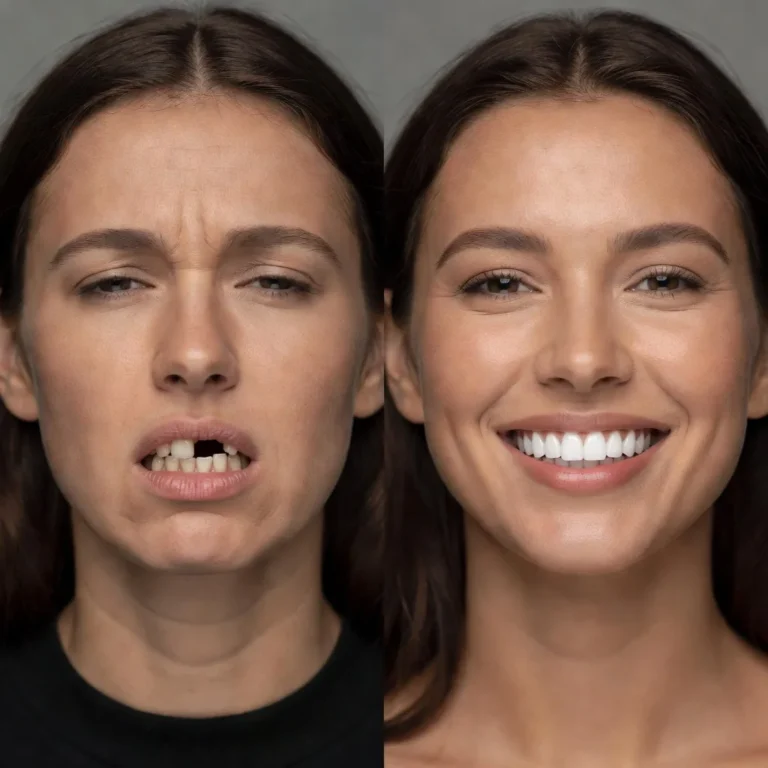
Here’s the limitation that matters most and gets underplayed most often: liposuction removes fat volume, but it does nothing to tighten the skin that was covering that fat. In a patient with meaningful existing skin laxity — commonly older patients, or anyone who’s had significant recent weight loss — removing the fat can unmask or actively worsen looseness and jowling. The subcutaneous fat that was “filling out” and supporting looser skin is gone, and the visual result can be a more hollowed, aged appearance rather than a more contoured one. This is precisely why facial liposuction is best suited to younger patients with good skin elastic recoil and isolated, well-defined submental or jowl fat — and why it’s frequently paired with, or entirely replaced by, a facelift (which actually excises and repositions skin) in patients where laxity is the dominant issue.
Non-Surgical Alternatives, With Real Numbers
Kybella (deoxycholic acid, also called ATX-101) is FDA-approved specifically for submental fat. Its pooled pivotal trials, known as REFINE-1 and REFINE-2, enrolled just over 1,000 patients total. The composite responder rate — meaning both the clinician and the patient separately rated at least a one-grade visible improvement — was 68.2% for the drug versus 20.5% for placebo, a statistically significant difference. MRI-confirmed fat-volume reduction of at least 10% occurred in 43.3% of treated patients versus 5.3% on placebo. Side effects were common but localized: bruising in 71.5%, pain in 69.5%, numbness in 66.2%. Notably, marginal mandibular nerve paresis occurred in 4.3% of Kybella patients in these trials — all temporary, but a meaningfully higher rate than the 0.5% seen in the surgical neck-liposuction series above. That’s a genuinely counterintuitive, underused point: the non-invasive injectable had a higher reported nerve-related side-effect rate in its own pivotal trials than the surgical option.
CoolSculpting (cryolipolysis) is FDA-cleared for submental fat reduction, and works through a genuinely different mechanism than the ultrasound-based devices covered in our ultrasonic cavitation evidence review. A representative trial of 60 patients using two treatment cycles found an average submental fat-layer reduction of about 2 millimeters, roughly 20%, measured by ultrasound. Patient satisfaction was high — 83% satisfied, 80% would recommend it — with side effects limited to mostly mild, temporary erythema and numbness, and no serious device-related adverse events reported in that trial.
Surgical vs. Non-Surgical: Side by Side
| Option | Real efficacy data | Nerve-related side effect rate |
|---|---|---|
| Surgical liposuction (tumescent, neck) | Direct fat removal, immediate contour change | 0.5% temporary, 0% permanent (987-patient series) |
| Kybella (deoxycholic acid injection) | 68.2% composite responder rate vs. 20.5% placebo | 4.3% temporary paresis vs. 0.4% placebo |
| CoolSculpting (cryolipolysis) | ~20% average fat-layer reduction by ultrasound | No serious device-related AEs reported in cited trial |
| Factor | Surgical liposuction | Non-surgical (Kybella/CoolSculpting) |
|---|---|---|
| Downtime | Days to about a week | Minimal, but swelling can last 1-2 weeks |
| Number of sessions | Typically one | Multiple sessions often needed for full effect |
| Addresses skin laxity | No — fat removal only | No — fat reduction only |
| Result permanence | Treated fat cells are physically removed | Treated fat cells are destroyed/dissolved, similarly durable |
What the Surgical Procedure Involves
Consultation and marking
The surgeon assesses fat distribution and, critically, skin elasticity, then marks the treatment area.Tumescent anesthesia
A local anesthetic solution is infused into the fat layer, numbing the area and reducing bleeding.Cannula suction
A small cannula is used to suction targeted fat through tiny incisions, working carefully around nerve landmarks.Compression and recovery
A compression garment is worn afterward to support healing and reduce swelling over the following days to weeks.
The Buccal Fat Trend: A Genuine Evidence Gap
Buccal fat removal — taking out the fat pads in the cheeks to create a more contoured, “hollowed” look — has become a popular related trend, but it’s worth being direct: there is essentially no efficacy or long-term safety trial literature on this specific procedure. It’s a real surgical procedure performed by qualified surgeons, but the evidence base looks nothing like the neck-liposuction or Kybella data above. Anyone considering it should understand they’re relying much more heavily on surgeon experience and individual case outcomes than on a body of published trial data, and that buccal fat naturally diminishes with age — meaning removing it in a younger patient can contribute to a hollowed, aged appearance decades later.
Who Tends to Be a Good Candidate
The clearest candidates are younger patients with good skin elasticity and a well-defined, isolated pocket of submental or jowl fat that hasn’t responded to diet and exercise. Someone in this category is far more likely to see a clean, lasting contour improvement than someone whose main issue is loose skin rather than excess fat volume. For body-fat concerns beyond the face specifically, our broader types of body sculpting comparison covers how facial and body procedures differ in candidacy and technique.
Do
- Get an honest assessment of your skin elasticity, not just your fat volume
- Ask directly about the surgeon’s marginal mandibular nerve safety record
- Consider non-surgical options first if your fat pocket is modest
Don’t
- Assume liposuction will fix sagging skin — it won’t, and can worsen the look
- Choose buccal fat removal expecting the same evidence base as neck liposuction
- Assume “non-surgical” automatically means lower nerve-related risk
Who Should Reconsider
Patients with significant existing skin laxity, older patients with reduced skin elastic recoil, and anyone whose primary concern is sagging rather than fat volume should discuss a facelift or combination approach with their surgeon rather than pursuing liposuction alone. Patients on blood thinners or with bleeding disorders need a careful pre-surgical risk discussion, as with any surgical procedure.
When to See a Board-Certified Surgeon
This is a surgical decision, and it deserves an in-person evaluation by a board-certified plastic surgeon or facial plastic surgeon who can assess your specific skin elasticity, fat distribution, and facial nerve anatomy — not a generic online recommendation. Seek prompt medical attention after any facial procedure if you notice new facial asymmetry, drooping, or numbness that doesn’t resolve within the expected recovery window your surgeon described.
A One-Minute Candidacy Check
Pinch the skin under your chin and jaw: does it snap back quickly (suggesting good elasticity) or does it stay stretched and slow to recoil (suggesting significant laxity)? Is there a distinct, isolated pocket of fat you can identify, or is the area more uniformly loose? A quick snap-back with a clearly defined fat pocket points toward liposuction as a reasonable option to discuss; slow recoil or diffuse looseness is a signal to ask your surgeon specifically about a facelift or combination approach instead.
Where the Evidence Runs Out
Be precise about the honest gaps here: no randomized trial directly compares surgical facial liposuction against Kybella or CoolSculpting in matched patients — every comparison in this article is cross-study, not head-to-head. Long-term contour stability data beyond a few years is sparse across all three options. And buccal fat removal specifically has essentially no efficacy or safety trial literature at all, despite its popularity. The honest summary: liposuction is a real, generally safe procedure for the right candidate, but “the right candidate” — someone with good skin elasticity and a defined fat pocket — is doing more work in that sentence than most marketing acknowledges.
Frequently Asked Questions
Is facial liposuction actually safe?
The largest available series found just 0.5% temporary nerve dysfunction and zero permanent nerve injuries across 987 patients, suggesting a real, generally favorable safety profile with the tumescent technique.
Will liposuction fix sagging skin under my chin?
No — liposuction removes fat, not excess skin, and can actually worsen the appearance of sagging in patients with significant existing laxity.
Is Kybella safer than surgical liposuction?
Not necessarily on nerve-related side effects specifically — Kybella’s pivotal trials showed a higher temporary nerve-paresis rate (4.3%) than the surgical series (0.5%), though both were temporary.
How much fat reduction can I expect from CoolSculpting?
A representative trial found roughly 20% average reduction in submental fat-layer thickness after two treatment cycles.
Is buccal fat removal well studied?
No — it’s a real procedure, but there’s essentially no efficacy or long-term safety trial literature behind it compared to neck liposuction.
What’s the biggest factor in whether liposuction will look good?
Skin elasticity — good elastic recoil predicts a clean contour result, while significant existing laxity predicts a worse, more hollowed appearance after fat removal.
How long is recovery from facial liposuction?
Typically days to about a week for initial recovery, with a compression garment worn during that period to support healing.
Can older patients get facial liposuction?
They can, but reduced skin elasticity common with age makes a facelift or combination approach frequently more appropriate than liposuction alone.
Is there a trial comparing surgery directly to Kybella or CoolSculpting?
No head-to-head randomized trial exists comparing them directly in matched patients — all current comparisons are across separate studies.
What nerve is most at risk during facial liposuction?
The marginal mandibular nerve, which controls lip movement, is the specific nerve most frequently flagged as at risk across facial procedures generally.