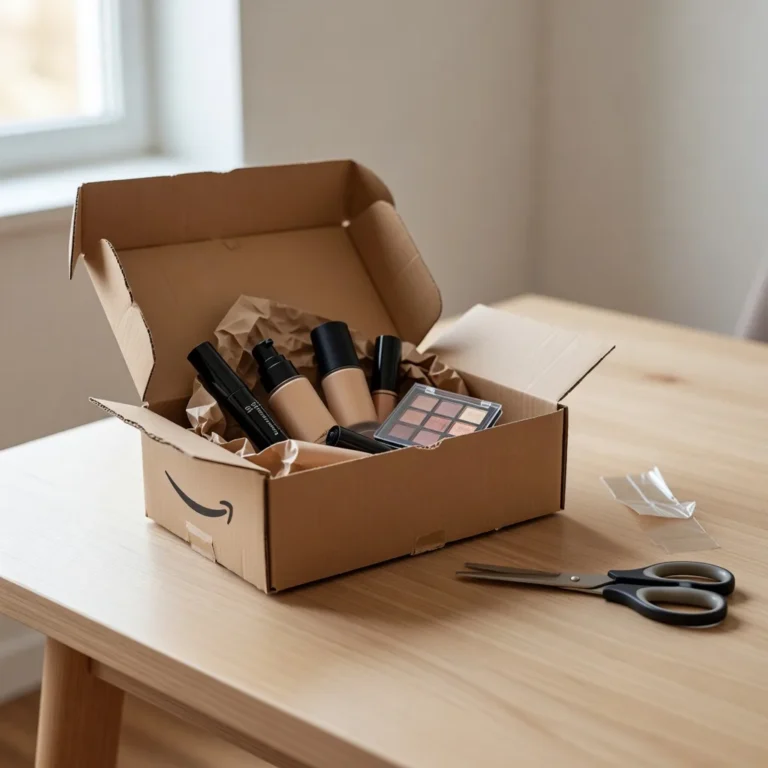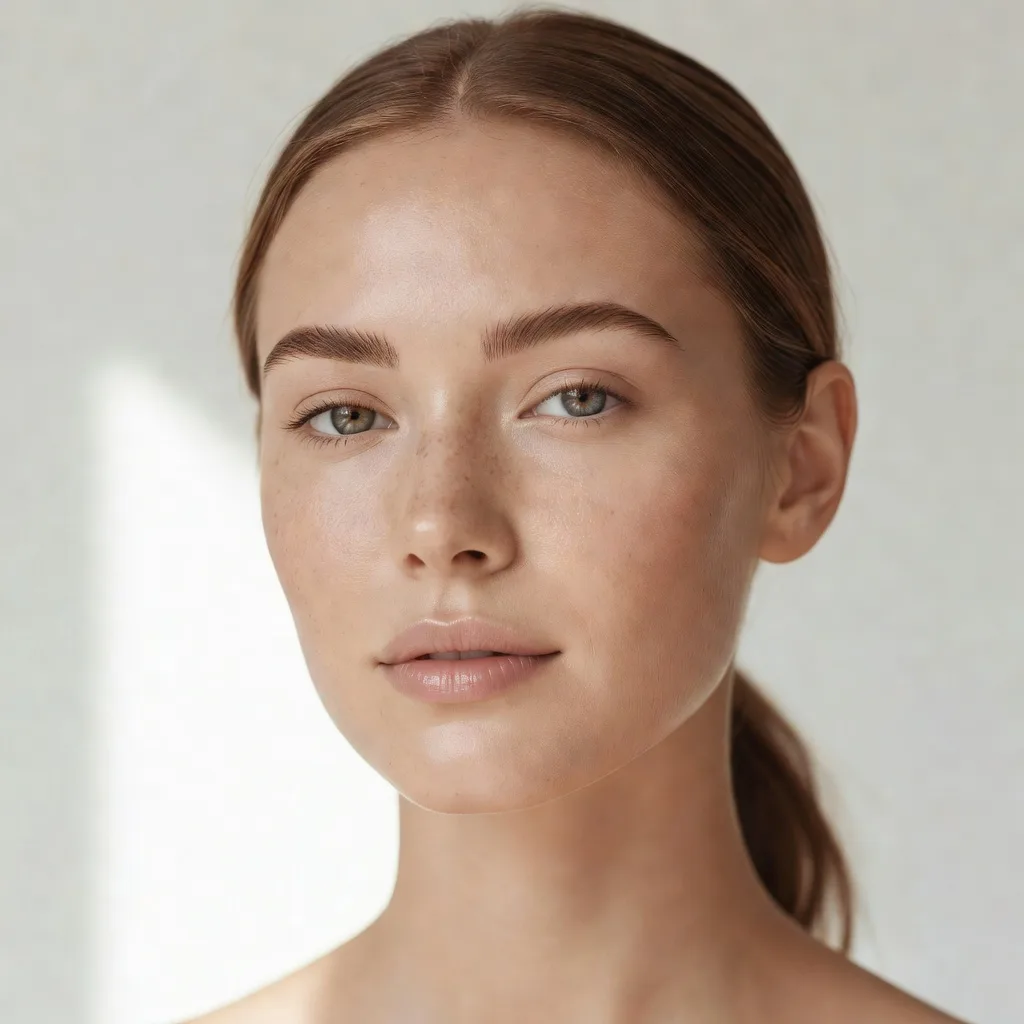
How to Wear the Least Amount of Makeup and Still Look Put Together
Some days you want the full routine. Most days, though, many people want to look fresh and awake with as little time, product, and effort as possible. The good news is that a handful of well-chosen steps can do most of the work that a long routine does. It is also easier on your skin and your schedule.
Part of our guide to makeup how-to. Start with: How to Properly Put On Face Makeup: The Right Order, Step by Step
The secret to wearing less makeup is putting it only where it makes a visible difference: evening out a few areas, adding a little color, and defining the features that frame your face. A light base on redness, concealer on dark circles or spots, groomed brows, mascara, and a touch of color on the cheeks and lips is enough for most people.
This approach also depends on good skin prep. Hydrated, well-cared-for skin needs less coverage, and sunscreen protects it every day. When your skin is comfortable, a light tint and a dab of concealer look like skin rather than makeup.
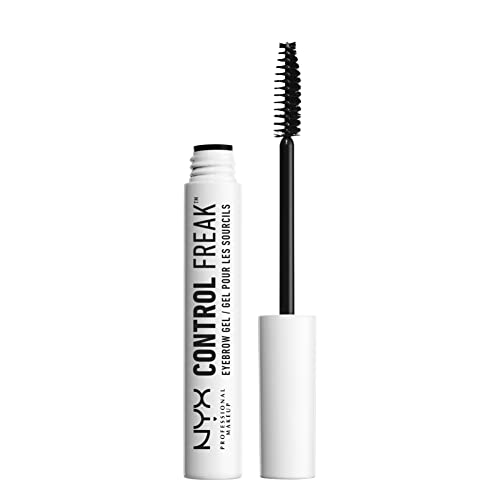
Multitasking products make minimal makeup even easier. A tinted moisturizer with SPF, a cream stick for cheeks and lips, and a clear brow gel can replace several separate items and keep your routine to about five minutes.
This guide includes a quick way to decide which steps you actually need, a five-minute routine, how to adjust it for your skin type and situation, how to choose multitasking products, and tips to make minimal makeup last through the day.
Shopping these picks?
Amazon Prime members get fast, free shipping on eligible items, plus Prime Video, Amazon Music and member deals. New members can start with a free trial.
Start a free Prime trialAged 18 to 24? Prime for Young Adults comes with a longer free trial and a lower price after it.
Affiliate link: we may earn a commission at no extra cost to you.
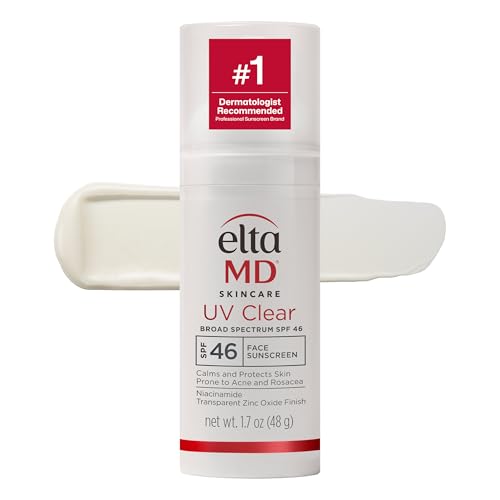
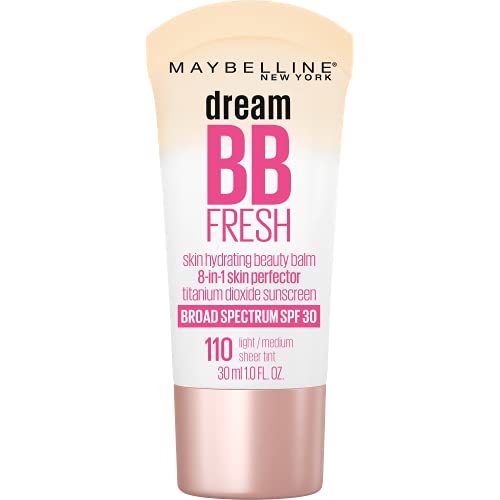
Recommended Products for a Minimal Makeup Routine




The Short Version
- Minimal makeup works by applying product only where it makes a visible difference.
- Good skin prep, especially moisturizer and sunscreen, lets you use less coverage.
- A tinted base or BB cream with SPF can replace separate foundation and sunscreen steps for light coverage.
- Concealer on targeted spots often does more than foundation all over.
- Brows and lashes frame the face and make a big difference with very little product.
- Cream products for cheeks and lips look natural and can be applied with fingers.
- You can build a complete minimal routine with three to five products.
Contents
- Why Less Makeup Often Looks Better
- Which Steps Do You Actually Need?
- Start With Skin Prep
- A Five-Minute Minimal Makeup Routine
- Adjusting the Routine for Your Skin
- Minimal Makeup for Everyday Situations
- Full Routine vs Minimal Routine
- Choosing Multitasking Products
- Making Minimal Makeup Last
- What Minimal Makeup Cannot Do
- When Skin Concerns Need a Dermatologist
- Common Questions
- Where This Leaves You
Why Less Makeup Often Looks Better
Heavy coverage can hide your skin’s natural texture and dimension, which can make it look flat or mask-like, especially in daylight. It is also more likely to cake, crease, or separate over the day.
A lighter approach lets some of your skin show through, so you look like yourself, just more rested. It is also faster, easier to touch up, and uses fewer products, which can be kinder to your skin and your budget.
If you have ever noticed your makeup looking heavy or patchy by afternoon, our guide to fixing cakey makeup explains why less is often more.
There is a practical upside too. A shorter routine is easier to stick with on busy mornings, leaves less to remove at night, and means fewer products that could irritate your skin or clog pores. When you do want a bolder look, it stands out more against a lighter everyday base.
Which Steps Do You Actually Need?
Everyone’s minimum is different. This quick check helps you find yours.
Look at your bare face in daylight
Stand near a window with a mirror. Note the one or two things you notice first, such as redness, dark circles, spots, or pale lips.
Rank what bothers you
List those features in order. Your minimal routine should address the first two or three, not everything.
Check your brows and lashes
If your brows are sparse or your lashes are light, these small steps often make you look more awake than any base product.
Decide on coverage
If your skin tone is mostly even, skip foundation and use concealer only where needed. If you have widespread redness, a light tint may be worth it.
Build your list
Choose three to five products that cover your top concerns. Try the routine for a week and drop anything you do not miss.
Take a photo in daylight with your full routine and another with your minimal routine. Many people are surprised how little difference the extra steps make.
Start With Skin Prep
Minimal makeup relies on skin that looks healthy on its own. You do not need a complicated routine, just the basics done well.
- Cleanse gently in the morning if needed, or just rinse with water if your skin is dry.
- Moisturize with a texture that suits your skin. Our guide to day cream vs day lotion can help you choose.
- Apply sunscreen of SPF 30 or higher, or use a tinted base with SPF if you apply enough of it.
- Wait a few minutes before makeup so products settle.
Dehydrated skin looks dull and makes makeup cling to dry patches. Well-moisturized skin reflects light and needs much less coverage.
A Five-Minute Minimal Makeup Routine
Here is a simple routine you can adjust to your needs. Skip any step you do not need.
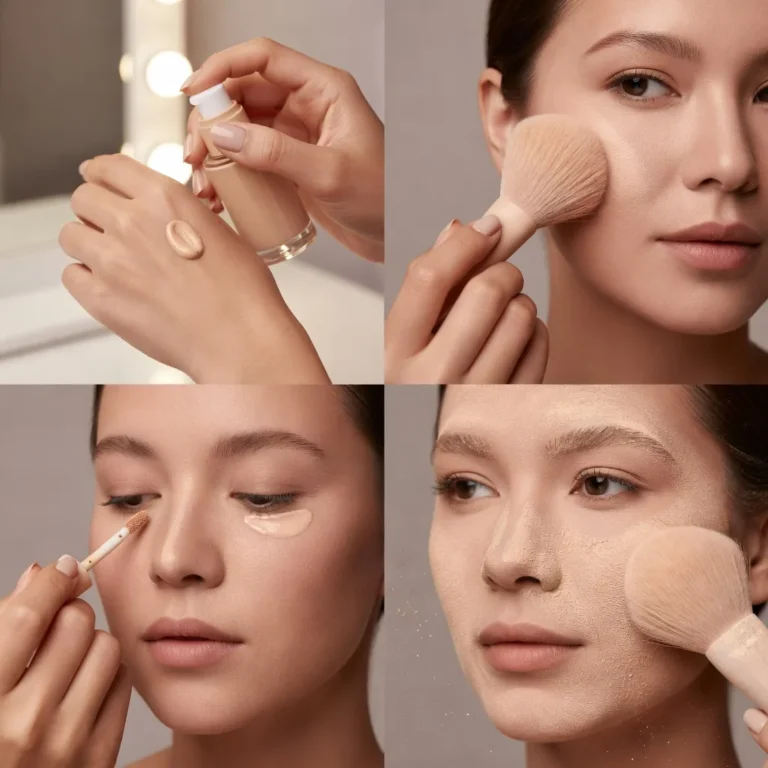
- 1. Tinted base (optional): apply a small amount of BB cream, skin tint, or tinted sunscreen only to the center of your face, where redness is most common, and blend outward with fingers.
- 2. Concealer: dot a little under the eyes, around the nose, and on any spots. Tap to blend with a fingertip or damp sponge.
- 3. Brows: brush them up with a clear or tinted brow gel. Fill in sparse areas lightly with a pencil if needed.
- 4. Mascara: one coat on the upper lashes, focusing on the roots.
- 5. Cheeks and lips: tap a cream blush or multi-use stick onto the apples of your cheeks and blend, then use the same color or a tinted balm on your lips.
Use your fingers for cream products. The warmth of your skin helps them melt in and look natural, and it saves time cleaning brushes.
Adjusting the Routine for Your Skin
The same five steps work for most people, but a few tweaks help them suit your skin.
- Oily skin: use an oil-free tinted base or skip it, set only the T-zone with a light dusting of powder, and choose a cream blush that dries down or a light powder blush.
- Dry skin: use a hydrating tinted moisturizer, cream concealer, and cream blush, and avoid powder except where you truly need it.
- Acne-prone skin: spot-conceal blemishes with a small brush, choose non-comedogenic products, and remove everything carefully at night.
- Mature skin: keep layers thin and creamy, focus concealer on the inner corners of the eyes and around the nose, and add color high on the cheeks.
- Sensitive skin: keep to fragrance-free products with short ingredient lists, and introduce new items one at a time.
Your skin can change with the seasons, so a routine that works in summer may need a richer base or less powder in winter.
Minimal Makeup for Everyday Situations
A few small adjustments help minimal makeup work in different settings.
For video calls, cameras and screens tend to wash out color, so a little more blush and a defined brow go a long way. Face a window or light source, and concealer around the nose and under the eyes will look brighter on screen.
For workouts, skip the base entirely. Sunscreen, a brow gel, and a tinted lip balm are enough, and less product means fewer clogged pores from sweat.
If you wear glasses, frames can cast shadows under the eyes, so a little concealer there helps. A slightly stronger brow balances frames, and powdering the nose lightly keeps glasses from slipping.
Full Routine vs Minimal Routine
| Step | Full routine | Minimal routine |
|---|---|---|
| Base | Primer, full foundation, powder | Tinted SPF or none |
| Coverage | All-over coverage | Concealer only where needed |
| Eyes | Shadow, liner, mascara | Mascara only |
| Brows | Pencil, powder, gel | Brow gel, light pencil if needed |
| Cheeks | Bronzer, blush, highlighter | Cream blush |
| Lips | Liner, lipstick, gloss | Tinted balm or same cream stick |
| Time | 15 to 30 minutes | About 5 minutes |
You do not have to choose one forever. Many people use a minimal routine for everyday life and add steps for special occasions.
Choosing Multitasking Products
The fewer products you use, the more each one needs to work hard.
Do
- Choose a tinted base with broad-spectrum SPF 30 or higher.
- Use a cream stick for both cheeks and lips.
- Pick a concealer that matches your skin tone closely.
- Choose a brow gel that tints and holds.
- Keep products fragrance-free if your skin is sensitive.
Don’t
- Buy products you need to layer to look good.
- Choose a heavy foundation for everyday wear.
- Use a concealer much lighter than your skin.
- Rely on a tinted base as your only sunscreen unless you apply plenty.
- Keep products that irritate your skin just because they are multi-use.
If you use a sponge, dampen it first for the most natural finish. Our guide on wetting makeup sponges explains why.
Making Minimal Makeup Last
Lighter makeup can fade faster, but a few habits help it last.
Let skincare and sunscreen settle before applying makeup. Use thin layers and press products into the skin rather than rubbing. If you get oily, blot during the day instead of adding powder. A small amount of powder only on the nose and chin can also help.
Keep a small kit with concealer, a tinted balm, and blotting papers for quick touch-ups. A light mist can refresh cream products later in the day.
Do not rely on tinted moisturizer alone for sun protection unless you apply a generous amount. Most people use too little makeup to reach the SPF on the label, so consider sunscreen underneath.
What Minimal Makeup Cannot Do
Minimal makeup brightens and evens out your look, but it will not fully cover significant scarring, strong pigmentation, or active acne. That is not a failure. It is simply a different goal.
| Belief | Reality |
|---|---|
| Minimal means no-makeup | It means only what you need |
| Less makeup means worse coverage | Targeted concealer often looks better than all-over coverage |
| You need many products for a natural look | Three to five can be enough |
| Tinted SPF replaces sunscreen | Only if you apply enough |
| Minimal makeup suits only perfect skin | Anyone can use targeted coverage |
If you want more coverage on some days, simply add steps. The minimal routine is a base you can build on.
When Skin Concerns Need a Dermatologist
If you find yourself needing heavy makeup to cover something, it may be worth getting it checked. See a dermatologist if you notice:
- Persistent redness, flushing, or visible vessels.
- Acne that is painful, leaves scars, or does not improve.
- Dark patches that are spreading or getting darker.
- Rough, scaly spots that do not heal.
- A mole or spot that is changing in size, shape, or color.
- Irritation or rashes from makeup products.
Medical disclaimer: This article is for general information and is not a substitute for professional medical advice. See a healthcare provider about skin concerns.
Common Questions
How can I wear less makeup but still look good?
Focus on skin prep, then use concealer where needed, groom your brows, add mascara, and a touch of color on cheeks and lips.
What are the essential makeup products for a minimal look?
Many people use a tinted base or concealer, brow gel, mascara, and a cream blush or tinted balm.
Do I need foundation for a natural look?
Not always. Concealer on targeted areas may be enough if your skin tone is mostly even.
Can tinted moisturizer replace sunscreen?
Only if you apply enough. Many people add sunscreen underneath for reliable protection.
What is the fastest makeup routine?
A five-minute routine of concealer, brow gel, mascara, and cream blush or tinted balm.
How do I make minimal makeup last?
Let skincare settle, use thin layers, blot oil, and carry a few items for touch-ups.
Are cream products better for minimal makeup?
They often look more natural and can be applied quickly with fingers.
How do I choose the right concealer shade?
Match it closely to your skin, or go one shade lighter only for under the eyes.
Is minimal makeup good for mature skin?
Yes. Lighter layers are less likely to settle into fine lines.
How can I make my face look awake without makeup?
Good sleep, hydration, moisturizer, groomed brows, and a little lip balm can all help.
Where This Leaves You
Wearing less makeup is about applying product only where it makes a visible difference. Start with good skin prep, then use targeted concealer, groomed brows, mascara, and a little cream color on cheeks and lips. A tinted base with SPF is optional, depending on your skin.
With three to five multitasking products, you can look fresh and put together in about five minutes. Build up when you want more coverage, and see a dermatologist if a skin concern is what keeps pushing you toward heavier makeup.

Written by
Registered pharmacist and founder of Facial Adviser. Rakib's pharmacy training covers how skincare actives work and interact; a later course in cosmetology turned that into a focus on facial treatments and skincare products. He plans, researches and edits every guide on the site and checks health claims against sources such as the American Academy of Dermatology, the FDA and the NIH. He is not a dermatologist; see the Editorial Policy and Medical Disclaimer.
About · Editorial policy · How we choose products · Medical disclaimer · Contact
Keep reading: Makeup basics and skin
- How to Properly Put On Face Makeup: The Right Order, Step by Step
- Makeup Tips for Women Over 60: A Fresher, Lighter Approach
- How Early Should You Do Your Makeup Before Going Out?
- Are You Supposed to Put Makeup on Your Neck?
- When Can You Wear Makeup After Microblading? A Healing Timeline
- Does Makeup Mess Up Your Skin? What Actually Causes Problems
- How to Find the Right Shade of Makeup: Undertone, Depth and Testing
- How to Choose the Right Eye Makeup Color for Your Eyes and Skin