How to Find the Right Shade of Makeup: Undertone, Depth and Testing
A foundation that is even slightly the wrong shade is hard to miss. It can leave a line at the jaw, make your face look grey, orange or pink next to your neck, or look fine in the shop and completely different at home. Most shade mistakes come from checking the wrong thing in the wrong light.
To find the right shade of makeup, match two things: depth, meaning how light or dark your skin is, and undertone, meaning the cool, warm, neutral or olive tint beneath the surface. Test two or three close shades in stripes along your jawline, not your hand or wrist, and check them in natural daylight. Let them dry for several minutes, because many foundations darken slightly as they set. The right shade seems to disappear into your skin and blends into your neck without a visible line. If you are between shades, choose the lighter one and warm it with bronzer, or mix two shades together.
In short: jawline, daylight, wait, and match both depth and undertone.
Foundations can also change colour over time on the skin. A 2025 study in Scientific Reports measured 32 liquid foundation shades from four global brands and found that shades changed colour after application, with lighter shades generally changing more than deeper ones. That is why waiting before you decide matters.
This guide explains how to find your undertone, where and how to swatch, how to shop online, and how to fix a shade that is not quite right.
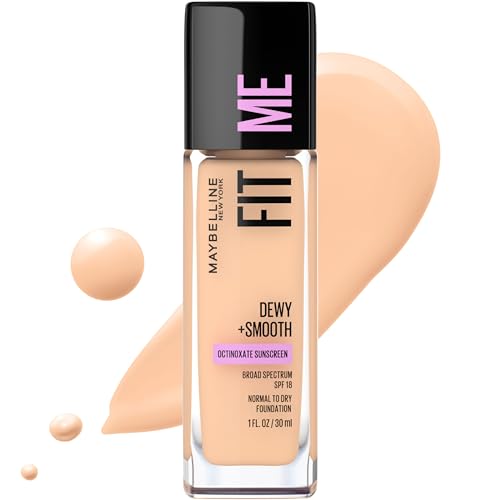
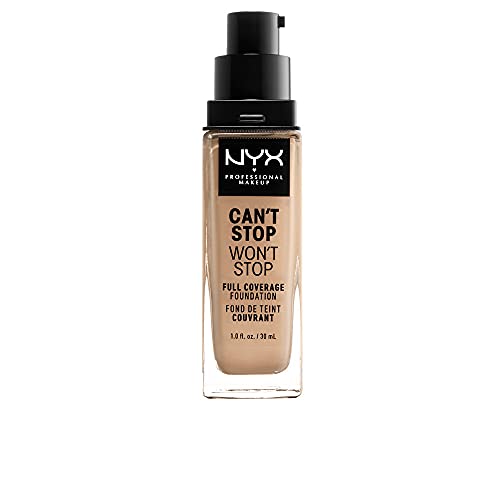
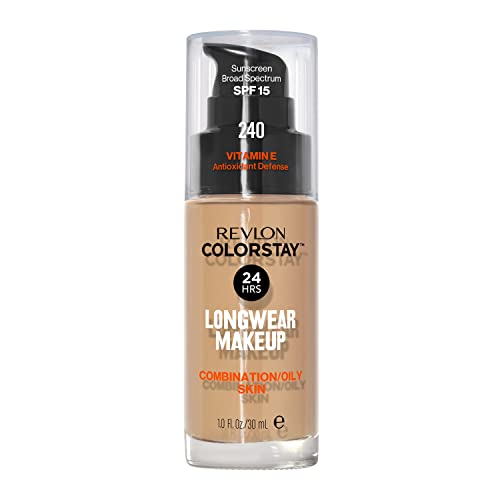
Recommended Foundations With Wide Shade Ranges



Quick Answer
- Match both depth and undertone, not just light or dark.
- Swatch on the jawline, never the hand or wrist.
- Check shades in natural daylight.
- Wait several minutes for foundation to dry down.
- The right shade blends into your neck without a line.
- Between shades, go lighter or mix two shades.
- Your shade can change with the seasons.
On This Page
- Understanding Depth and Undertone
- How to Find Your Undertone
- How to Find Your Foundation Shade
- Why the Jawline Beats the Hand or Wrist
- Why Foundation Changes Colour After You Apply It
- How to Buy Foundation Shades Online
- How to Fix a Shade That Is Not Quite Right
- Your Shade Can Change With the Seasons
- Matching Concealer, Powder and Other Products
- Dos and Don’ts
- Honest Limits
- When to See a Dermatologist
- Common Questions
- The Bottom Line
Understanding Depth and Undertone
Every foundation shade has two parts. Getting only one of them right is the most common reason a shade looks off. Many people focus only on how light or dark a shade is, when the undertone is actually what makes it look grey, orange or pink.
| Term | What it means | What happens if it is wrong |
|---|---|---|
| Depth | How light or dark the shade is | Too light looks ashy or grey; too dark looks muddy |
| Cool undertone | Pink, red or blue tint | Warm shades can look orange or yellow on you |
| Warm undertone | Yellow, golden or peachy tint | Cool shades can look pink or grey on you |
| Neutral undertone | A balance of warm and cool | Most neutral shades work; strong tones stand out |
| Olive undertone | Greenish or grey-yellow cast | Many shades look too pink or too orange |
Brands label undertone in different ways, such as C, W and N, or cool, warm and neutral, or letters and numbers. Our guide on how foundation shades are formulated explains how pigments are blended to create these differences.
How to Find Your Undertone
These quick tests help point you towards cool, warm, neutral or olive. No single test is perfect, so look for a pattern across several.
- Vein test: blue or purple veins on the inner wrist suggest cool; green suggests warm; a mix suggests neutral.
- Jewellery test: silver flatters cool undertones; gold flatters warm; both suit neutral.
- White paper test: holding white paper by your face in daylight, skin looks pinker for cool, more yellow or golden for warm, and greyish or greenish for olive.
- Sun test: burning easily can go with cool undertones; tanning easily often goes with warm or olive.
If your results are mixed, you are probably neutral. Olive undertones are common and often missed, because olive skin can look both warm and slightly grey. Our guide on makeup tips for uneven skin tone can help if your face has several tones at once.
How to Find Your Foundation Shade
This method works in a shop, with testers or with samples at home. Give yourself a little time; rushing a shade decision is how most mismatches happen.
Start with clean, bare skin
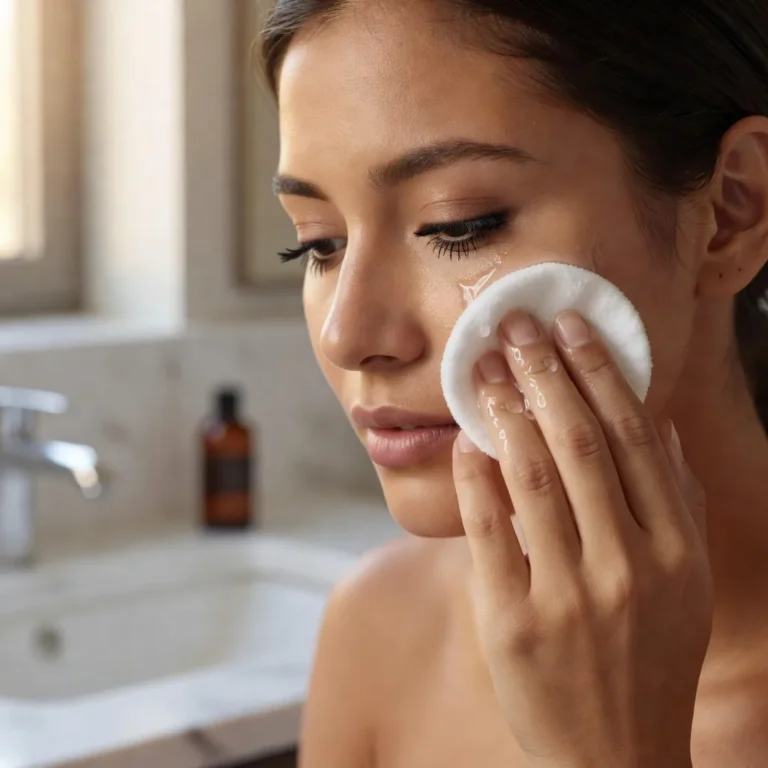
Remove makeup from the jawline and let skincare absorb.
Pick three close shades
Choose your best guess, one lighter and one darker.
Swatch on your jawline
Apply a small stripe of each from the cheek down onto the jaw.
Blend the edges lightly
Soften each stripe so it looks the way it would on your face.
Go into daylight
Check the stripes by a window or outside, not under shop lights.
Wait five to ten minutes
Let the foundation dry down and settle.
Choose the vanishing shade
Pick the stripe that disappears into both your face and neck.
Take a photo of your swatches in daylight without a filter. Cameras often exaggerate differences, which makes it easier to see which shade is too pink, too yellow or too dark.
Why the Jawline Beats the Hand or Wrist
The skin on your hands and wrists is usually a different colour from your face. Hands are often darker from sun exposure, and wrists can be lighter or more sallow.
Your jawline sits between your face and neck, so it shows whether a shade will blend in both directions. If your face and neck are different colours, which is common, choose a shade that sits between them or matches your neck slightly more closely, then use bronzer or concealer to even things out. Checking the stripe from the side as well as straight on helps you see whether it blends at the edge of your jaw.
Many people have a slightly redder or darker face than neck. Matching the face exactly can leave a visible line at the jaw. A shade that matches the neck and chest usually looks most natural in photos.
Why Foundation Changes Colour After You Apply It
Foundation can look different a few minutes after application. Two things cause this: the formula drying down as water evaporates, and oxidation, when ingredients react with air and skin oils.
- Dry-down: pigments become more concentrated as the formula sets, so shades can look deeper.
- Oxidation: some foundations turn slightly darker or more orange over a few hours, especially on oily skin.
- Skin chemistry: your skin’s oil and pH can affect how a shade develops.
In the Scientific Reports study, researchers found that colour change depended on how light the shade was, and that some brands held their colour better than others. You can read the study abstract on PubMed. Our guide on why foundations oxidize on skin explains how to reduce it.
How to Buy Foundation Shades Online
Buying foundation online is convenient but risky if you have never tried the shade in person. A little research before you order saves returns and wasted products.
- Use a brand’s shade finder quiz or virtual try-on as a starting point.
- Compare with a foundation you already know matches you; many sites list equivalent shades.
- Read reviews from people with similar skin tone and undertone.
- Buy sample sizes or mini versions where possible.
- Check the return policy before ordering full sizes.
Product photos online are affected by lighting and screens, so treat them as a rough guide only. Keep a note of your shade names and numbers in the brands you already use; it saves time with every new purchase.
How to Fix a Shade That Is Not Quite Right
If your foundation is close but not perfect, you may not need to replace it. A few simple adjustments can make a near match look right.
| Problem | Quick fix |
|---|---|
| Slightly too light | Warm with bronzer or mix with a darker shade |
| Slightly too dark | Mix with a lighter shade or a white or light adjusting drop |
| Too pink | Mix with a more yellow shade or use a yellow-toned powder |
| Too yellow or orange | Mix with a more neutral shade |
| Face and neck mismatch | Blend foundation down onto the neck or choose a shade between the two |
Mixing works best with foundations of a similar formula and finish. Mix a little on the back of your hand or a palette each time, rather than pouring shades together in the bottle. That way you can adjust the ratio day to day as your skin changes, and you avoid spoiling a full bottle if the mix does not work.
Your Shade Can Change With the Seasons
Most people’s skin gets a little darker or warmer in summer and lighter in winter, even with daily sunscreen. Redness from cold weather, and changes from skincare such as exfoliating acids or retinoids, can also shift how a shade looks on you.
- Keep two shades, a summer and a winter shade, and mix them in between.
- Recheck your shade when the seasons change.
- Remember that a tan fades unevenly; the face often lightens faster than the body.
Tanning to match a darker foundation is not a safe fix. Sun exposure and tanning beds increase the risk of skin cancer and premature ageing. Adjust your makeup, not your skin, and wear broad-spectrum sunscreen every day.
Matching Concealer, Powder and Other Products
Once you know your foundation shade, the rest of your base is easier to match.
- Under-eye concealer: one or two shades lighter than your foundation, with a peachy or neutral tone to brighten.
- Spot concealer: the same shade as your foundation so blemishes disappear rather than stand out.
- Setting powder: translucent for most people, or a tinted powder that matches your foundation.
- Tinted moisturiser and BB cream: these have fewer shades, so choose the one closest in undertone.
- Bronzer: one or two shades deeper than your skin, with an undertone that suits you.
If a concealer looks grey under the eyes, it is usually too light or too cool. A slightly warmer, peachier shade often looks brighter and more natural. Our guide on why concealer creases easily covers texture problems that can make even the right shade look wrong.
Dos and Don’ts
Try This
- Swatch on the jawline
- Check shades in natural daylight
- Wait for the foundation to dry down
- Match both depth and undertone
- Keep a note of your shade names
Avoid This
- Test on your hand or wrist
- Choose a shade under shop lighting only
- Decide within seconds of applying
- Pick darker to look tanned
- Ignore the colour of your neck
Honest Limits
Shade names and undertone labels are not standardised across brands, so your shade in one line may not match the same number in another. Online shade finders are helpful but not always accurate.
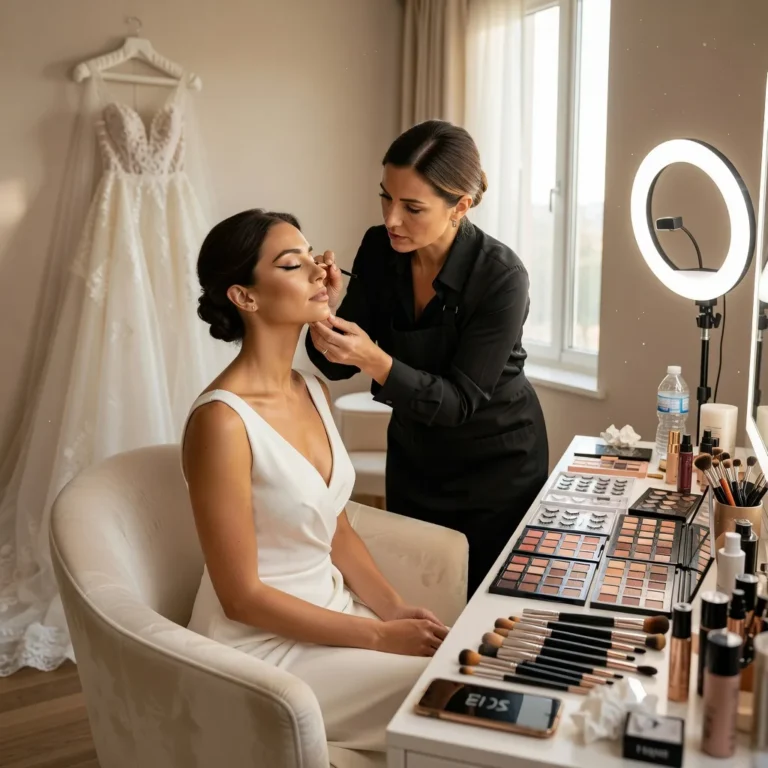
Home undertone tests are rough guides, and many people fall between categories. Lighting in bathrooms and bedrooms also varies widely, which can make a shade that matched in daylight look different at home. Testing real products on your skin in daylight is still the most reliable method, and a trained makeup counter adviser can help if you find it difficult.
When to See a Dermatologist
- You notice new patches of darker or lighter skin that change your shade.
- Redness on your face is persistent and hard to cover.
- You have a new or changing mole or spot.
- Makeup regularly causes irritation or breakouts.
This article is for general information and does not replace professional medical advice. See a board-certified dermatologist for changes in skin colour, persistent redness or reactions to makeup.
Common Questions
How do I find the right shade of foundation?
Match depth and undertone, swatch on the jawline and check in daylight.
Where should I test foundation?
On the jawline, blending slightly onto the neck.
How do I know my undertone?
Use the vein, jewellery and white paper tests together.
Should foundation match my face or neck?
Aim for a shade that blends into both, usually closer to the neck.
Why does my foundation look darker after a while?
It dries down or oxidizes on the skin.
What if I am between two shades?
Go lighter and warm with bronzer, or mix both.
Can I mix two foundation shades?
Yes, if they have a similar formula.
Does my shade change in summer?
Often yes; many people need a slightly darker or warmer shade.
What is an olive undertone?
A greenish or grey-yellow cast that sits between warm and cool.
Are online shade finders accurate?
They are a helpful start, but testing in person is more reliable.
The Bottom Line
Finding the right shade of makeup means matching both depth and undertone. Swatch two or three close shades on your jawline, check them in daylight and wait for them to dry down before you decide.
The right shade disappears into your face and neck. If you are between shades, mix or adjust rather than settling for a line at the jaw.