How to Choose the Right Makeup Highlighter for Your Skin
Highlighter can make skin look fresh, healthy, and lit from within, or it can look like a stripe of glitter sitting on top of the skin. The difference usually comes down to choosing the right shade, texture, and finish for your skin, and applying it in the right places. Getting it right is easier than it looks.
To choose the right highlighter, match the shade to your skin tone and undertone, pick a texture that suits your skin type, and choose a finish that fits the look you want. Then apply it only to the high points of the face where light naturally hits.
In general, fair skin tends to suit champagne, pearl, and soft pink tones. Medium skin often suits gold and peach. Deep skin tones often look best with rich gold, bronze, and copper. Warm undertones tend to suit golden shades, while cool undertones often suit pink or icy tones.
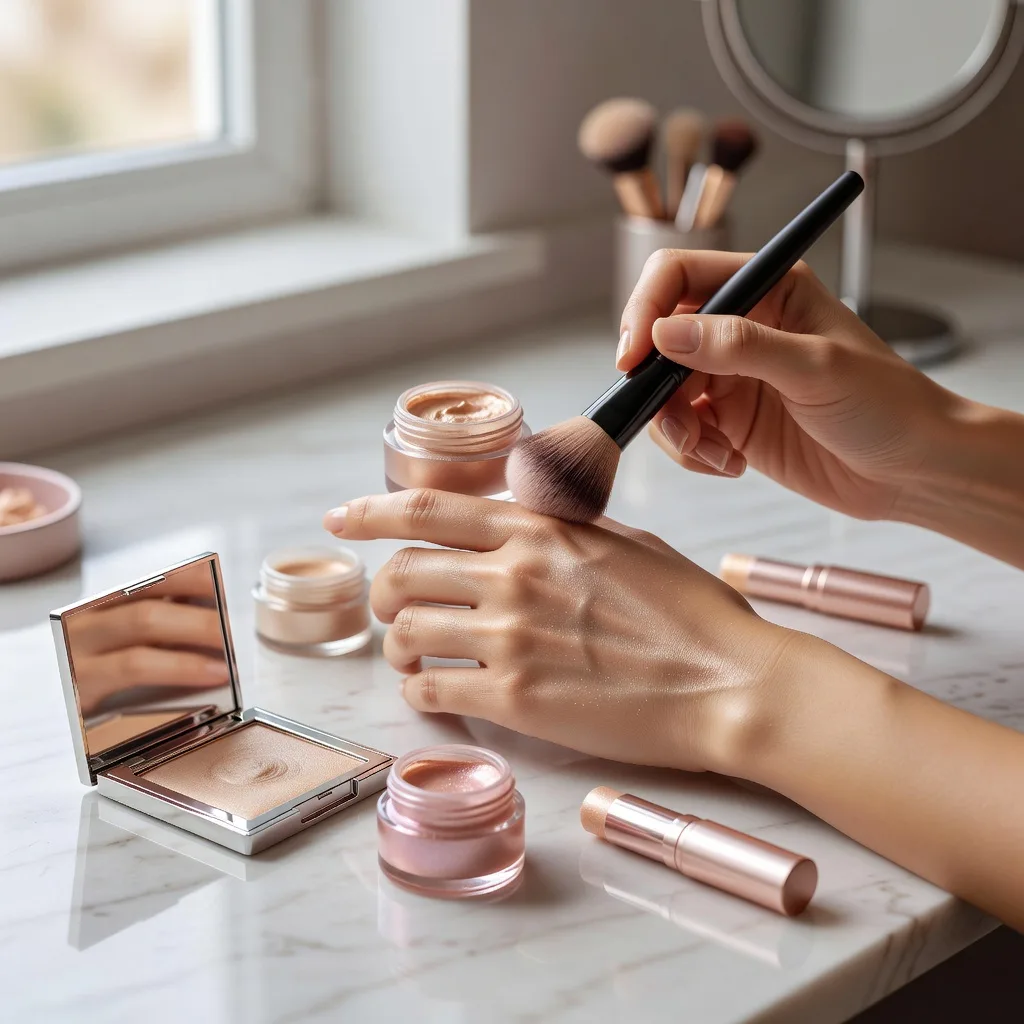
Texture matters as much as color. Cream and liquid highlighters melt into the skin for a natural glow and suit dry or mature skin. Powder highlighters are easier to control on oily skin. Fine, smooth shimmer looks more natural than chunky glitter.
This guide covers a step-by-step way to choose a highlighter, a shade and texture guide, where and how to apply it, and how to avoid common mistakes that emphasize texture. It also explains how highlighter looks in photos.
Recommended Highlighters and Tools


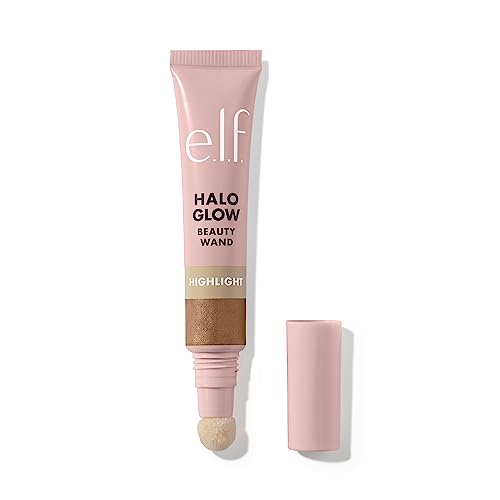


What This Covers
- What Highlighter Does
- How to Choose Your Highlighter
- Highlighter Shades by Skin Tone
- Textures and Finishes
- Where to Apply Highlighter
- How to Apply It Naturally
- Highlighter in Photos and Different Lighting
- Pairing Highlighter With Blush and Bronzer
- Highlighter for Different Skin Types
- What Highlighter Cannot Do
- When to See a Dermatologist
- Your Questions, Answered
- The Bottom Line
In Brief
- Match highlighter shade to your skin tone and undertone.
- Fair skin often suits champagne or pearl; medium skin gold or peach; deep skin bronze or copper.
- Cream and liquid highlighters suit dry and mature skin; powders suit oily skin.
- Finely milled shimmer looks more natural than glitter.
- Apply to the high points of the face: cheekbones, brow bone, bridge of the nose, and cupid’s bow.
- Avoid highlighter on large pores, active acne, or textured areas.
- Less is usually more for everyday wear.
What Highlighter Does
Highlighter contains light-reflecting particles that catch the light on the areas where you apply it. Placed on the high points of the face, it mimics the natural glow of healthy skin and adds dimension, making cheekbones look more defined and the face look more awake.
Unlike foundation, highlighter is not meant to cover anything. It works best as a finishing touch in small amounts. Used all over, it can make skin look oily or emphasize texture.
Highlighters range from subtle, satin glows to intense metallic shine. For everyday wear, most people prefer something soft that looks like skin rather than makeup.
Highlighter can also balance other products. A matte foundation can look flat on its own, and a touch of highlight on the cheekbones brings back dimension without making the whole face shiny.
You can also use highlighter on the body, such as the collarbones and shoulders, for events. Keep it subtle and let it dry before dressing to avoid transfer.
How to Choose Your Highlighter
Work through these steps before buying a new highlighter.
Identify your skin tone
Decide whether your skin is fair, light, medium, tan, or deep. This guides the depth of highlighter shade.
Check your undertone
Warm undertones lean golden or peachy; cool undertones lean pink or rosy; neutral sits in between. Choose a highlighter that matches.
Pick a texture for your skin type
Choose cream or liquid for dry or mature skin, and powder for oily skin. Combination skin can use either.
Decide on intensity
For a natural glow, choose a satin or soft shimmer. For a dramatic look, choose a more metallic finish.
Swatch in daylight
Test on the top of your cheekbone and check near a window. The right shade looks like light on your skin, not a stripe of color.
If you are unsure, a champagne or soft gold shade suits many skin tones and is a safe first highlighter.
Highlighter Shades by Skin Tone
| Skin tone | Shades that usually flatter | Shades that can look off |
|---|---|---|
| Fair | Champagne, pearl, soft pink | Deep gold, bronze |
| Light | Champagne, light gold, rose | Very icy white on warm skin |
| Medium | Gold, peach, rose gold | Very pale pearl |
| Tan | Gold, peach, soft bronze | Icy silver |
| Deep | Rich gold, copper, bronze | White or very pale shades that look ashy |
Undertone refines these choices. A cool-toned fair complexion may prefer pink pearl, while a warm-toned fair complexion may prefer champagne. A cool-toned deep complexion may like a rosy bronze, while a warm-toned deep complexion may prefer copper or gold.
It can also help to consider the season. In summer, when skin is often warmer or tanned, a golden highlighter may suit you better than the champagne you wear in winter.
Textures and Finishes
- Powder: easy to build and control, and sets over foundation. Best for oily and combination skin. Use a light hand on dry skin.
- Cream or balm: melts into skin for a dewy, natural look. Great for dry, normal, and mature skin. Apply before powder.
- Liquid: can be dotted on the cheekbones or mixed into foundation for all-over glow.
- Stick: convenient and mess-free, similar to cream in finish.
Finish describes how reflective the highlighter is. Satin finishes give a subtle sheen, shimmer gives more visible light reflection, and metallic or glitter finishes are the most dramatic. For daytime and textured skin, satin or fine shimmer usually looks best.
Cream goes under powder, powder goes over cream. Applying cream highlighter on top of powder can streak, while powder on top of cream can look patchy.
Liquid highlighters can double as a primer when mixed with moisturizer, giving a soft, even glow under foundation. Use only a drop, since they are usually concentrated.
Where to Apply Highlighter
Highlighter belongs where light naturally hits your face:
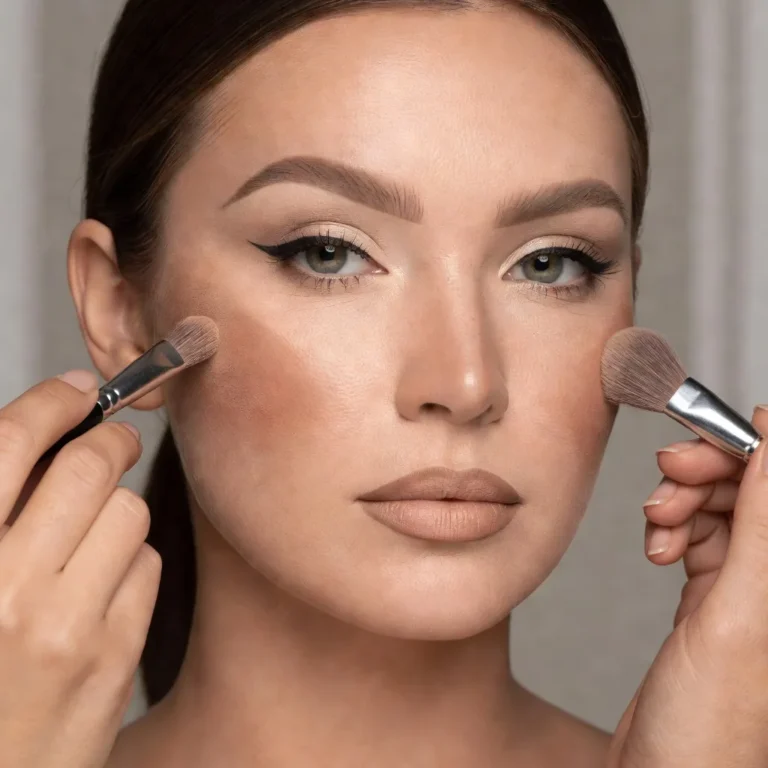
- Tops of the cheekbones, blended up toward the temples.
- Brow bone, just under the arch of the brow.
- Bridge of the nose, in a thin line.
- Cupid’s bow, the dip above the upper lip.
- Inner corners of the eyes to brighten.
- Center of the chin, lightly, if you want extra dimension.
For a natural look, choose two or three of these areas rather than all of them. Our guide on how to put on face makeup explains where highlighter fits in the order of steps.
If you wear glasses, skip highlighter on the bridge of the nose where the frames sit, since it will rub off and may transfer onto the lenses.
How to Apply It Naturally
Helps
- Start with a small amount and build.
- Tap cream highlighter on with a fingertip.
- Use a fan or small tapered brush for powder.
- Blend edges so there is no visible stripe.
- Check your face from different angles in daylight.
Backfires
- Apply highlighter over large pores or acne.
- Swipe a thick stripe down the nose.
- Use chunky glitter on textured skin.
- Apply highlighter all over the face.
- Forget to blend the edges.
If your face looks tired or flat with makeup, a touch of highlight can help. Our guide on why makeup can make you look tired covers other ways to add dimension.
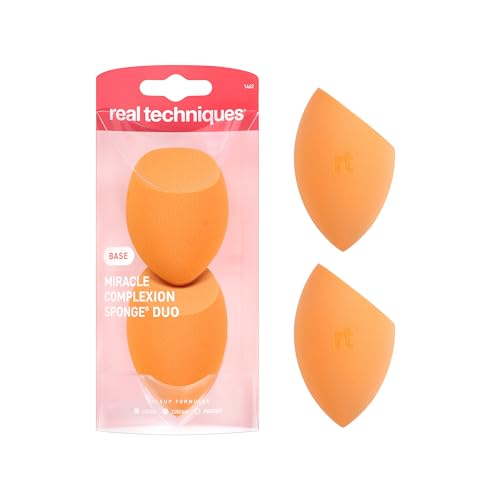
For the most natural result, apply highlighter with your fingertip, then press a clean sponge over it to diffuse the edges.
Highlighter in Photos and Different Lighting
Highlighter behaves differently depending on the light. In soft daylight, a subtle satin glow looks natural. Under flash photography, very reflective highlighters can appear as bright white patches, especially on the nose and forehead.
For events with photos, choose a finely milled highlighter and keep it to the tops of the cheekbones. Avoid the center of the forehead and tip of the nose, where flash tends to bounce most.
Evening lighting is usually warmer and dimmer, so a slightly stronger highlight can look beautiful at night. Daytime and office lighting are harsher, so less is often better.
Taking a quick photo with flash before an event is an easy way to check whether your highlight looks the way you want.
Pairing Highlighter With Blush and Bronzer
Highlighter works best as part of a balanced look. Blush adds color to the cheeks, bronzer adds warmth around the edges of the face, and highlighter adds light to the high points.
Apply blush first on the apples of the cheeks, then place highlighter just above it on the cheekbones. Blend where they meet so there is no hard line.
If you use bronzer, keep highlighter on the areas bronzer does not cover, such as the tops of the cheekbones and brow bone. The contrast between warmth and light creates natural-looking dimension.
Match textures when layering: cream blush with cream highlighter, powder blush with powder highlighter. This keeps the finish smooth.
If the look feels too shiny, dust a tiny amount of translucent powder over the highlight to soften it.
Highlighter for Different Skin Types
Oily skin already reflects light on the T-zone, so avoid highlighter on the forehead and nose, and use powder formulas on the cheekbones only. Blot oil before touching up.
Dry skin benefits from cream or liquid highlighters that add hydration and glow without emphasizing flakes. Prep with moisturizer.
Mature skin looks best with soft, satin highlighters in cream or liquid form, applied lightly to the upper cheekbones. Avoid chunky shimmer near fine lines. See our guide on makeup tips for women over 60 for more.
Acne-prone skin should keep highlighter away from active breakouts and textured areas, since shimmer draws attention to raised skin.
Sensitive skin may react to some shimmer particles or fragrance, so choose fragrance-free formulas and patch test first.
What Highlighter Cannot Do
| Belief | Reality |
|---|---|
| More highlighter means more glow | Too much looks oily or emphasizes texture |
| Highlighter hides texture | It usually highlights it |
| White highlighter works on everyone | It can look ashy on medium and deep skin |
| Highlighter replaces blush | They do different jobs; blush adds color |
| Glitter looks glowy | Fine shimmer looks more like natural glow |
Healthy, hydrated skin is the best base for any glow product.
Think of highlighter as the finishing touch that adds light, not a way to change skin texture or tone.
When to See a Dermatologist
Highlighter is a finishing product, but if skin concerns make you avoid it, it may be worth getting advice. See a dermatologist if you notice:
- Persistent texture or bumps you would like to improve.
- Enlarged pores with frequent blackheads.
- Acne that is painful or leaves marks.
- Redness or irritation from makeup products.
- A spot or mole that changes.
- Dry, flaky patches that do not respond to moisturizer.
Stop using a product that causes itching, burning, or swelling.
Medical disclaimer: This article is for general information and is not a substitute for professional medical advice. See a healthcare provider about persistent skin concerns.
Your Questions, Answered
How do I choose the right highlighter shade?
Match it to your skin tone and undertone: champagne or pearl for fair skin, gold or peach for medium, and bronze or copper for deep skin.
Should I use cream or powder highlighter?
Cream suits dry and mature skin; powder suits oily skin.
Where should I apply highlighter?
On the tops of the cheekbones, brow bone, bridge of the nose, cupid’s bow, and inner corners of the eyes.
Can highlighter make pores look bigger?
Yes. Avoid applying it over large pores or textured areas.
Is highlighter good for mature skin?
Yes, in soft satin cream or liquid formulas applied lightly.
Can I wear highlighter with oily skin?
Yes, but use powder on the cheekbones only and avoid the T-zone.
What is the difference between shimmer and glitter?
Shimmer uses fine particles for a soft glow; glitter uses larger particles for a sparkly effect.
Should highlighter go before or after powder?
Cream highlighter goes before powder; powder highlighter goes after.
Can I mix highlighter into foundation?
Yes. A drop of liquid highlighter in foundation gives an all-over glow.
Why does my highlighter look ashy?
It may be too light or too cool for your skin tone.
The Bottom Line
The right highlighter matches your skin tone and undertone, has a texture that suits your skin type, and a finish that fits the look you want. Champagne and pearl often suit fair skin, gold and peach suit medium skin, and rich gold, bronze, and copper suit deep skin.
Apply small amounts to the high points of the face, blend the edges well, and avoid areas with large pores or active breakouts. Start subtle and build, since a little highlighter goes a long way.