How Should I Prepare for a Facial? A Simple Before-Appointment Checklist
A facial is meant to leave your skin calm and refreshed, but a few everyday habits in the days before can make it sting, flake or break out instead. Using a retinoid the night before, waxing your brows that morning or arriving with a mild sunburn can all make treatments like peels, extractions and exfoliation harder on the skin.
To prepare for a facial, pause retinoids, exfoliating acids and scrubs for about three to five days beforehand, or as your esthetician advises, and avoid waxing, threading or laser treatments on the face for about a week. Protect your skin from sunburn, keep your routine gentle and hydrating, and tell the esthetician about any medications, allergies, recent treatments, pregnancy or skin conditions. On the day, arrive with clean skin or minimal makeup, skip heavy products and plan to avoid makeup, sweating and strong actives for a day afterwards.
Preparing well is mostly about arriving with skin that is calm and not already irritated. It helps the esthetician choose the right treatment and reduces the chance of redness or sensitivity afterwards.
The American Academy of Dermatology notes that exfoliating products and treatments can irritate skin, especially if you already use retinoids or acids. Pausing them before a facial that includes exfoliation gives your skin a chance to recover.
This guide covers what to stop and when, what to tell your esthetician, a step-by-step preparation timeline, what to do on the day, special situations such as acne and sensitive skin, and what to expect afterwards.
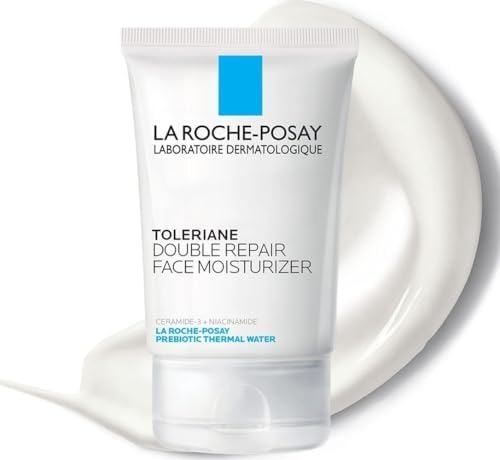
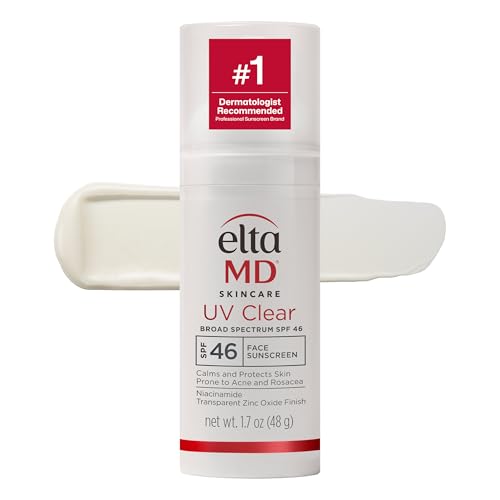
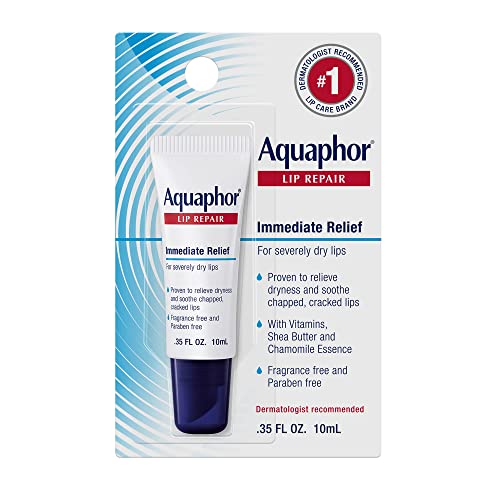
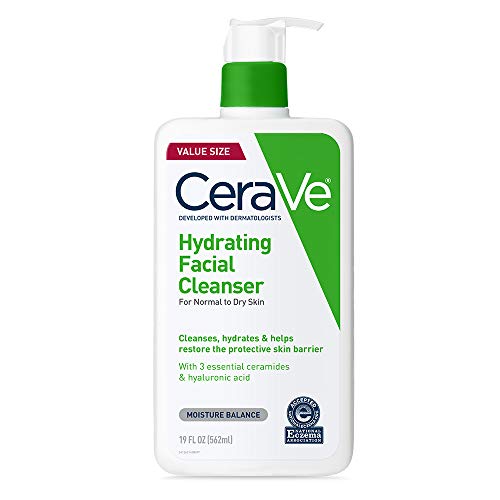
Recommended Products for Before and After Your Facial


In Brief
- Pause retinoids and exfoliating acids a few days before.
- Avoid facial waxing and threading for about a week.
- Do not book a facial on sunburned or broken skin.
- Tell your esthetician about medications and conditions.
- Keep your routine gentle and hydrating beforehand.
- Arrive with clean skin or minimal makeup.
- Plan a quiet, gentle skincare day afterwards.
Contents
Why Preparation Matters
Many facials include cleansing, exfoliation, steam, extractions and masks. If your skin is already irritated, thin from recent exfoliation or sensitised by active ingredients, these steps can cause more redness, stinging or peeling than usual. Good preparation reduces that risk and helps the esthetician do a more thorough treatment.
| Before your facial | Why it matters | Suggested timing |
|---|---|---|
| Retinoids (retinol, tretinoin) | Increase sensitivity to exfoliation and peels | Pause 3 to 5 days, or as advised |
| AHA, BHA and scrubs | Thin the surface and increase irritation risk | Pause 2 to 3 days |
| Waxing or threading | Leaves skin raw and more reactive | Avoid about a week before |
| Laser or chemical peels | Skin needs time to recover | Wait as advised, often 2 weeks or more |
| Sunburn | Burned skin should not be treated | Reschedule until healed |
| Isotretinoin (oral) | Skin is fragile; some treatments are unsafe | Tell the esthetician; many treatments must wait |
Timings vary depending on the treatment and your skin, so treat these as general guidance and follow your esthetician’s instructions if they differ. A good spa or clinic will usually send preparation advice when you book, and it is worth reading it carefully, because instructions for peels and resurfacing treatments are often stricter than for a simple hydrating facial.
What to Stop Before a Facial
The main products to pause are those that make skin more sensitive. These include prescription and over-the-counter retinoids, strong acids such as glycolic and salicylic acid, benzoyl peroxide in high strengths and physical scrubs or exfoliating tools.
- Retinol, retinal, tretinoin and adapalene.
- Glycolic, lactic, mandelic and salicylic acid products.
- Scrubs, cleansing brushes and exfoliating pads.
- At-home peels and high-strength vitamin C if they sting.
- Facial waxing, threading, depilatory creams and dermaplaning.
You do not need to stop everything. Gentle cleansers, moisturisers and sunscreen should continue as usual. The American Academy of Dermatology explains how to exfoliate safely, noting that people using retinoids or acids may find extra exfoliation irritating.
Do not stop prescription medication without talking to the doctor who prescribed it. If you use a prescription retinoid or oral acne medicine, tell your esthetician and ask your doctor how to handle the days around the appointment.
What to Tell Your Esthetician
A good esthetician will ask about your skin and health before treatment, but it helps to have the details ready. This information guides which products and techniques are safe for you.
- Medications, especially retinoids, isotretinoin, antibiotics and blood thinners.
- Allergies to ingredients, fragrances, nuts or latex.
- Skin conditions such as rosacea, eczema, psoriasis or active cold sores.
- Recent treatments such as peels, lasers, injectables or waxing.
- Pregnancy or breastfeeding.
- Any reactions you have had to previous facials.
If you have a history of cold sores, mention it even if you do not have one at the moment, since some treatments can trigger outbreaks. Your doctor may suggest preventive medicine before stronger treatments such as peels. If you are pregnant, some ingredients and devices may not be recommended, so the esthetician can adjust the treatment.
How to Prepare for a Facial
One week before
Avoid facial waxing, threading and new skincare products.
Five days before
Pause retinoids and strong actives, unless your doctor advises otherwise.
Three days before
Stop scrubs, acids and at-home peels; keep your routine gentle.
The day before
Moisturise well, drink water and avoid heavy sun exposure.
The morning of
Cleanse gently and skip heavy makeup, oils or thick creams.
At the appointment
Share your medications, allergies and skin concerns.
Afterwards
Keep skin clean, moisturised and protected with sunscreen.
Book your facial at least a few days before a big event rather than the day before. It gives your skin time to settle if you have any redness, purging or minor irritation afterwards.
If this is your first facial, you might choose a gentle, hydrating treatment rather than an intensive peel or extraction-heavy service. It lets you see how your skin responds before trying something stronger. Write down any questions you have in advance, such as how long redness might last or when you can wear makeup, so you remember to ask them during the consultation.
On the Day of Your Facial
On the day itself, small choices can make the treatment more comfortable and effective.
- Arrive with clean skin or light makeup that is easy to remove.
- Avoid heavy foundation, waterproof mascara and long-wear lipstick.
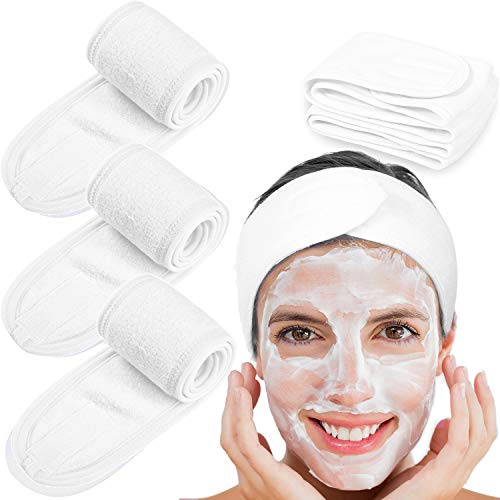
- Tie your hair back or bring a headband.
- Remove contact lenses if the treatment involves steam or work near the eyes.
- Arrive a few minutes early to fill in any forms without rushing.
Eat something light beforehand so you are comfortable lying down for an hour, and switch your phone to silent so you can relax. Avoid intense exercise right before your appointment if you tend to flush, since warm, red skin can make it harder for the esthetician to assess your skin. Our guide on facials versus massages explains what happens during a typical facial if you are unsure what to expect.
You do not need to arrive with perfectly bare skin. Most facials begin with a double cleanse, and estheticians are used to removing makeup, though very heavy or waterproof products take longer.
Preparing for Different Types of Facials
How much preparation you need depends on the type of facial. A gentle hydrating facial needs very little, while treatments that exfoliate or work deeper into the skin need more careful preparation.
| Facial type | What it involves | Extra preparation |
|---|---|---|
| Hydrating or classic facial | Cleansing, massage, masks | Minimal; avoid new products and sunburn |
| Deep cleansing with extractions | Steam and manual extractions | Do not pick spots; pause acids 2 to 3 days |
| Chemical peel facial | Acids to exfoliate the surface | Pause retinoids and acids; avoid waxing for a week |
| Microdermabrasion or dermaplaning | Mechanical exfoliation | Pause retinoids and scrubs; no sunburn or active breakouts |
| LED or microcurrent facial | Light or low-level current | Mention pregnancy, implants or photosensitising medicines |
| HydraFacial-style treatment | Suction, exfoliation and serums | Pause strong actives; avoid waxing beforehand |
If you are not sure which type of facial you have booked, ask the spa or clinic when you make the appointment. Most are happy to explain what the treatment involves and send preparation instructions in advance.
It is also worth asking what products will be used, especially if you have known allergies or sensitive skin. Some spas use fragranced products or essential oils, which can irritate reactive skin. Our guide on European facials versus basic facials explains the difference between two of the most common services.
Special Situations
Some skin types and conditions need extra care before a facial.
If you have acne, avoid picking or squeezing spots in the days before, as broken skin cannot always be treated. Tell the esthetician which spots are sore or inflamed. If you have sensitive skin or rosacea, choose a calming facial and ask about the products used, especially fragrance and essential oils. If you use isotretinoin or have used it recently, many facial treatments, including waxing and exfoliation, may need to be postponed until your doctor says it is safe.
If you are prone to irritation after treatments, our guide on why your face may itch after a facial explains common causes and when a reaction needs attention.
What to Expect Afterwards
Mild redness for a few hours is common, especially after extractions or exfoliation. Some people notice a few small breakouts in the following days as clogged pores come to the surface. Keeping your routine simple helps your skin settle. Most mild redness fades within a few hours to a day, and small breakouts usually clear within a week without any special treatment.
- Skip makeup for the rest of the day if you can.
- Avoid saunas, hot showers and intense exercise for about 24 hours.
- Wait a few days before restarting retinoids and acids.
- Use a gentle cleanser, moisturiser and sunscreen.
- Avoid touching or picking at your skin.
Sun protection is especially important after exfoliation, because freshly treated skin can be more sensitive. The American Academy of Dermatology explains how to apply sunscreen correctly. For makeup timing, see our guide on whether you should wear makeup after a facial.
Dos and Don’ts
Do
- Pause retinoids and acids a few days before
- Tell the esthetician about medications and allergies
- Arrive with clean or lightly made-up skin
- Protect your skin from sunburn
- Keep your routine gentle afterwards
Don’t
- Wax or thread the day before
- Book a facial on sunburned skin
- Pick at spots beforehand
- Try new products the week before
- Book an intensive facial the day before an event
Honest Limits
Even with good preparation, some people experience redness, sensitivity or breakouts after a facial. This is often temporary, but it varies with skin type and treatment.
A single facial will not transform your skin. Consistent daily care, including sunscreen and a suitable routine, has a much bigger long-term effect than occasional treatments. Timelines for pausing products are general, and your esthetician or dermatologist may give different advice for your situation.
When to See a Doctor
- You develop swelling, blistering or severe burning after a facial.
- A rash or hives appear during or after treatment.
- You notice signs of infection such as pus, spreading redness or fever.
- A cold sore outbreak follows the treatment.
This article is for general information and does not replace professional medical advice. Talk to your doctor or dermatologist before facial treatments if you use prescription skin medicines, are pregnant or have a skin condition.
Common Questions
How many days before a facial should I stop retinol?
Usually about three to five days, or as your esthetician advises.
Should I wash my face before a facial?
Cleansing gently is fine, but most facials start with their own cleanse.
Can I wear makeup to a facial?
Light makeup is fine; avoid heavy or waterproof products.
Can I wax before a facial?
Avoid facial waxing for about a week before.
Should I exfoliate before a facial?
No, stop scrubs and acids a few days before.
Can I get a facial with a sunburn?
No, wait until your skin has fully healed.
What should I tell my esthetician?
Medications, allergies, skin conditions, recent treatments and pregnancy.
Can I get a facial with acne?
Yes, but avoid picking beforehand and mention sore spots.
Can I get a facial on isotretinoin?
Many treatments need to wait; ask your doctor and esthetician.
What should I avoid after a facial?
Makeup, heat, heavy exercise and strong actives for a day or more.
Where This Leaves You
Preparing for a facial is mostly about arriving with calm, healthy skin. Pause retinoids and exfoliants for a few days, avoid waxing and sunburn, keep your routine gentle and tell your esthetician about medications, allergies and skin conditions.
Arrive with clean or lightly made-up skin, book well ahead of big events and keep your routine simple afterwards. Those small steps help you get the most comfortable and effective treatment.