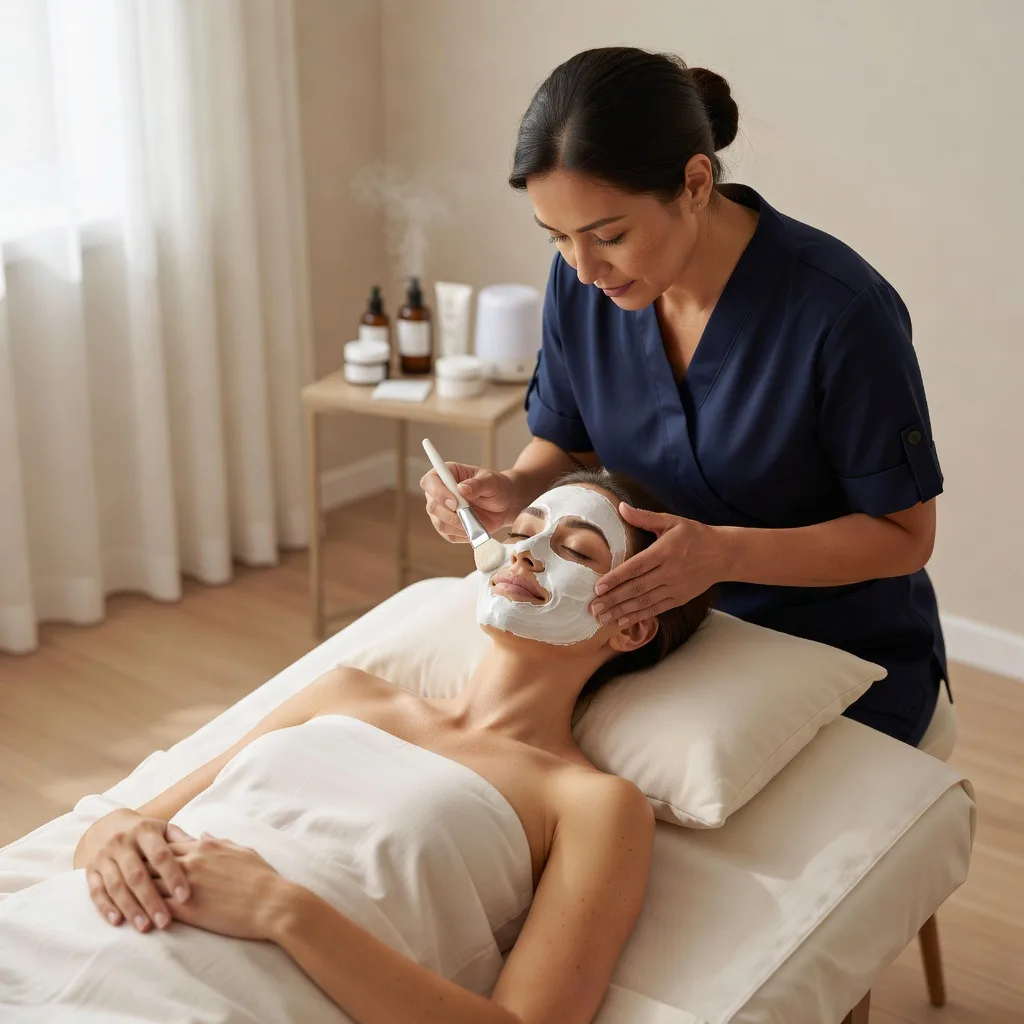
How Many Days Before an Event Should You Get a Facial?
How many days before an event should you get a facial if you want your skin to actually look its best, rather than accidentally timing it wrong?
Most estheticians and dermatologists converge on 5 to 7 days before a big event for your final facial, or 10 days out if you have sensitive or reactive skin, which gives any mild redness or swelling time to fully settle. The final appointment in that window should stick to hydration-focused treatments and skip extractions, peels, or anything new, since those are the steps most likely to leave visible marks right when you don’t want them.
Purging is a separate issue worth understanding on its own — it’s a temporary reaction to actives that speed up skin turnover, not something a basic hydrating facial should typically trigger, and it resolves on a different timeline than an actual negative reaction.
This guide lays out a full pre-event planning timeline, from months out down to the final week, and explains how to tell normal purging from a reaction you should actually worry about.
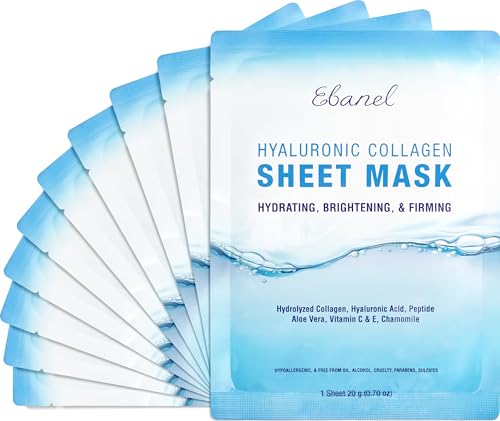
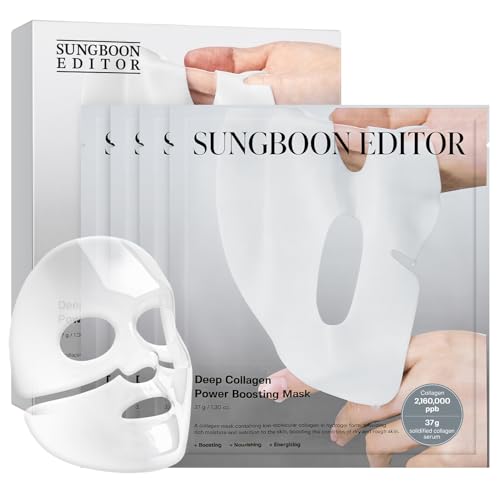
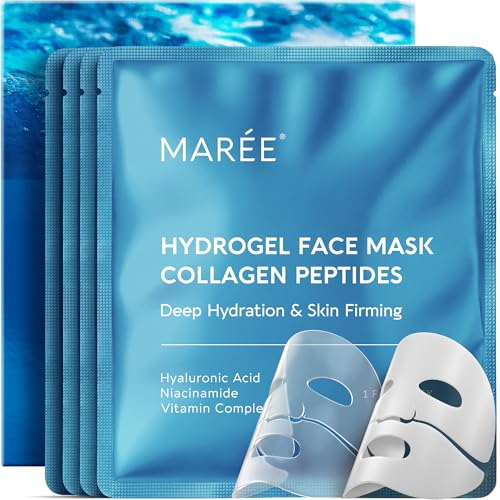
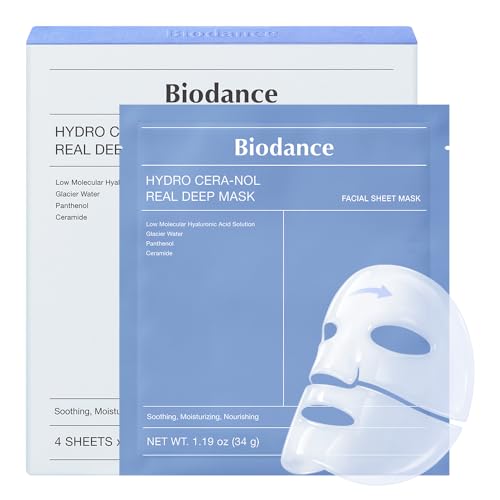
Recommended Hydrating Products for the Week Before an Event



Fast Facts
- The consistent professional guidance: schedule your last facial 5–7 days before a big event, or 10 days out if your skin is sensitive.
- Skip extractions and chemical peels in that final window — hydration-focused treatments only.
- More invasive treatments need longer buffers: lasers 4–12 weeks out, injectables 4–6+ weeks, body contouring 3–6 months.
- “Purging” (from actives like retinoids or acids) typically resolves in 4–6 weeks, roughly matching one skin-renewal cycle.
- True irritation or a new breakout looks different from purging — it shows up in new spots and takes 8–10 days to form and fade.
- Never try a facial, esthetician, or product for the first time in the final days before an event — individual reactions vary too much to predict.
- There’s no instrument-based study measuring facial-specific redness duration — this guidance comes from clinical convention and skin-cycle biology, not a dedicated trial.
Jump to a Section
- The Short Answer
- Why Timing Actually Matters
- The Full Pre-Event Timeline
- Purging vs. an Actual Reaction
- Purging vs. Reaction, Side by Side
- Why You Should Always Trial First
- Close-Up Photography Needs a Longer Buffer
- Planning Backward From Your Date
- Talking to Your Esthetician About Timing
- Do This, Not That
- What to Do Instead in the Final Week
- Accounting for Weather and Season
- Frequently Asked Questions
- When to Call a Dermatologist, Not Your Esthetician
- The Bottom Line
The Short Answer
Get your final facial 5 to 7 days before a big event — a wedding, a photoshoot, a major presentation — and extend that to 10 days if your skin tends to be reactive or sensitive. That window gives any mild redness, swelling, or post-extraction marks enough time to fully settle while your skin still looks refreshed and hydrated on the actual day.
Why Timing Actually Matters
Facials, even gentle ones, involve real mechanical stress on the skin barrier: exfoliation removes surface cells, extraction disturbs individual follicles, and steam plus massage both increase blood flow. None of that is harmful in the ordinary course of things, but it does produce visible, temporary effects — redness, slight puffiness, occasional small marks — that need time to resolve before they’d show up in photos or under close-up scrutiny.
The Full Pre-Event Timeline
Dermatologist guidance scales the buffer window to how invasive the treatment is — the more it disrupts the skin barrier, the longer it needs.
| Treatment | Recommended buffer before event |
|---|---|
| Standard facial / dermaplaning | 5–7 days (10 if sensitive) |
| Chemical peel | 2–4 weeks, depending on depth |
| Laser treatments | 4–12 weeks |
| Injectables (Botox/filler) | 4–6+ weeks |
| Body contouring | 3–6 months |
Purging vs. an Actual Reaction
These two get confused constantly, and the distinction matters a lot for event planning. Purging is a temporary acceleration of breakouts already forming beneath the skin, triggered specifically by actives that speed up cell turnover — retinoids, exfoliating acids, chemical peels. A basic facial without those actives generally doesn’t cause true purging. Purging typically resolves within 4 to 6 weeks, roughly matching one full skin-renewal cycle, and shows up specifically in areas already prone to breakouts.
A true irritation reaction or new breakout is different: it tends to appear in new areas rather than your usual trouble spots, and follows a shorter, more standard pimple timeline of about 8 to 10 days to fully form and fade.
Purging vs. Reaction, Side by Side
| Purging | Reaction/breakout | |
|---|---|---|
| Cause | Actives that speed cell turnover | Irritation, allergy, or unrelated breakout |
| Location | Existing trouble spots | New, previously clear areas |
| Typical duration | 4–6 weeks | 8–10 days |
Why You Should Always Trial First
Every professional source on this topic converges on the same point: never try a facial, a new esthetician, or a new product for the first time in the days immediately before an event. Individual skin reactivity varies enormously — most people tolerate a given treatment without issue, but there’s no way to know your personal response without testing it, and testing needs real weeks of buffer, not days.
Close-Up Photography Needs a Longer Buffer
A high-resolution camera or a professional photographer’s macro lens picks up texture and redness far more than the human eye does at a normal conversational distance. If your event involves close-up photography — a wedding, a professional headshot session, a photoshoot — it’s worth erring toward the longer end of the buffer window, closer to 10 days than 5, even if your skin is generally well-behaved. The same logic applies to high-definition video: bright, direct lighting and close framing both make minor redness or texture more visible than it would be in person.
This is also a reasonable moment to skip anything experimental entirely. A familiar, well-tolerated facial 7 to 10 days out is a safer photographic choice than a new treatment promising a more dramatic result on a compressed timeline.
Planning Backward From Your Date
A useful way to think about pre-event skincare is working backward from the date itself. Six or more months out is the time to start a regular maintenance routine if you’re addressing acne, pigmentation, or texture. One month out is roughly the last window for anything moderately intensive. The final week is for hydration and consistency only — no new products, no extractions, no peels.
Talking to Your Esthetician About Timing
Telling your esthetician about your event date upfront, not just that you have one, changes how they’ll approach the appointment. A specific date lets them calibrate exactly how gentle to be with extraction, whether to skip certain actives entirely, and which mask or finishing step makes sense given how much buffer time you actually have left. Vague mentions like “I have something coming up” give them far less to work with than a concrete date and a sense of how visible or high-stakes the event is.
Do This, Not That
Do
- Schedule your last facial 5–7 days out (10 if sensitive)
- Trial any new product or treatment weeks in advance
- Stick to hydration-focused care in the final week
Don’t
- Book extractions or peels in the final week
- Try a brand-new esthetician right before the event
- Introduce new skincare products in the final days
What to Do Instead in the Final Week
Stick to your established routine
Use only products your skin already tolerates well.
Prioritize hydration
A calm, well-hydrated skin barrier photographs and feels better than freshly treated skin.
Sleep and hydrate internally
Basic habits matter more in this window than any single treatment.
Keep sun protection consistent
Avoid new sun exposure that could add unexpected redness or a tan line.
Have a light backup plan
A simple, familiar mask or moisturizing step is safer than experimenting.
Accounting for Weather and Season
Heat and humidity can make post-facial redness linger slightly longer, since both keep blood vessels more dilated than they’d be in cooler, drier conditions. If your event falls during a hot, humid stretch, it’s reasonable to lean toward the longer end of the buffer window for that reason alone, independent of your skin’s usual reactivity. Cold, dry air brings a different consideration — it can leave freshly treated skin feeling tighter or more sensitive than usual, which is a good reason to prioritize a hydration-focused finishing step regardless of the season.
Seasonal demand is a separate but related practical issue. Wedding season, the December holiday stretch, and prom season all put pressure on esthetician calendars, and a spa that could normally fit you in within a day or two of your preferred appointment may only have slots two or three weeks out during those windows. Booking your pre-event facial as soon as you know the date, rather than waiting until the ideal window opens up, protects you from having to choose between an appointment that’s too early or skipping the facial altogether because nothing was available.
Frequently Asked Questions
Can I get a facial the day before my event?
It’s generally not recommended, since even mild redness or swelling may not fully settle in under 24 hours. Stick to the 5–7 day window instead.
What if I have sensitive skin?
Extend the buffer to 10 days and consider a hydration-only session rather than anything with extraction or exfoliation.
Is purging worse than a normal reaction?
Not necessarily worse, just different — purging is expected and temporary if you’re using turnover-accelerating actives, while a new reaction may signal the product or treatment isn’t right for your skin.
Can I get a facial and still wear makeup that day?
Yes, generally, though waiting a few hours after any extraction is a common precaution to let the skin settle.
Should I try a new product before a big event to “prep” my skin?
No — that’s exactly the scenario dermatologists warn against. Trial anything new weeks ahead of time instead.
How far ahead should I book a chemical peel?
Generally 2 to 4 weeks, depending on the peel’s depth and strength, to allow full healing before the event.
Does a facial help with under-eye puffiness on the day?
Cooling or massage elements may offer temporary reduction, but there’s no trial evidence for a lasting effect from a single session.
What if my skin reacts badly closer to the event than planned?
Contact your dermatologist or esthetician promptly rather than trying a new product to fix it — adding another new variable this close to the date raises risk rather than lowering it.
Is it safe to get Botox close to an event?
Most guidance recommends at least 4 to 6 weeks ahead, since final results take time to develop and rare complications need a longer window to resolve.
What’s the single most important rule here?
Never do anything for the first time right before an event — timing matters less than familiarity when it comes to predictable results.
When to Call a Dermatologist, Not Your Esthetician
If a treatment causes a reaction that doesn’t fade within the expected window, or if you notice swelling, blistering, or unusual pain, contact a board-certified dermatologist rather than waiting it out or trying another product to fix it, especially with an event approaching.
The Bottom Line
The safest, most evidence-aligned approach is straightforward: schedule your last facial 5 to 7 days before your event (10 if sensitive), skip anything intensive in that final window, and never try something new close to the date. None of this is complicated — it just requires planning slightly further ahead than most people initially assume.