
Fire and Ice Facial vs Microdermabrasion: Differences, Results and Which to Choose
A Fire and Ice facial and microdermabrasion both promise smoother, brighter skin with little downtime, and both are popular before events. But they resurface the skin in completely different ways, so they suit different people.
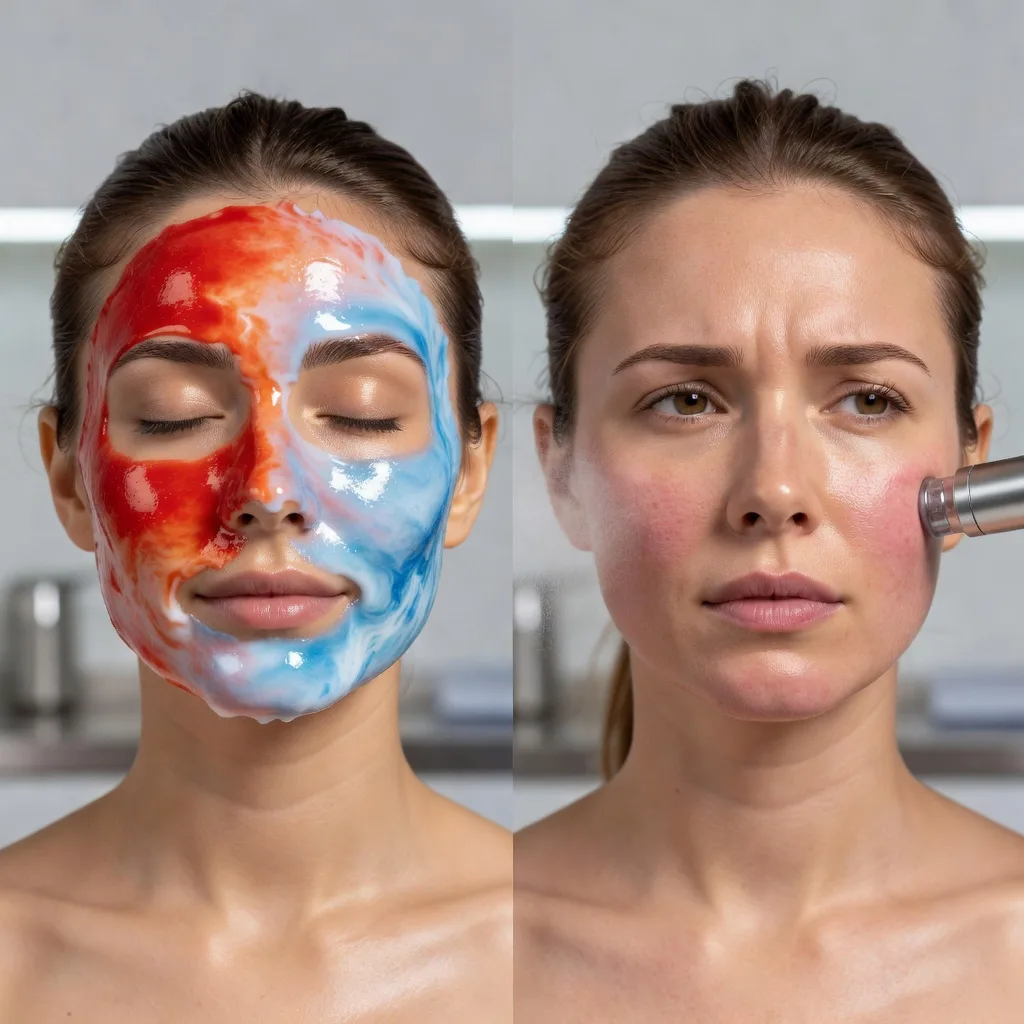
The main difference between a Fire and Ice facial and microdermabrasion is how they exfoliate. A Fire and Ice facial is a signature treatment from the skincare brand iS Clinical that uses chemical exfoliation: a warming resurfacing masque with exfoliating acids and retinol (the fire) is followed by cooling, soothing and hydrating steps (the ice). Microdermabrasion uses mechanical exfoliation: a diamond tip or fine crystals with suction physically buff away the outer layer of dead skin. The Fire and Ice facial is usually better for dullness, uneven tone and fine lines, while microdermabrasion suits rough texture and people who prefer to avoid acids.
In short: Fire and Ice is a chemical resurfacing facial with a cooling finish; microdermabrasion is physical resurfacing with suction.
The American Academy of Dermatology describes microdermabrasion as a treatment for dull skin, uneven texture and tone, age spots and acne marks, and explains that chemical peels can treat fine lines, age spots, acne, discoloration and sun-damaged skin.
This guide compares the two side by side, explains what happens in each session and helps you decide which suits your skin, budget and goals, including what to do at home between appointments to keep results looking fresh.
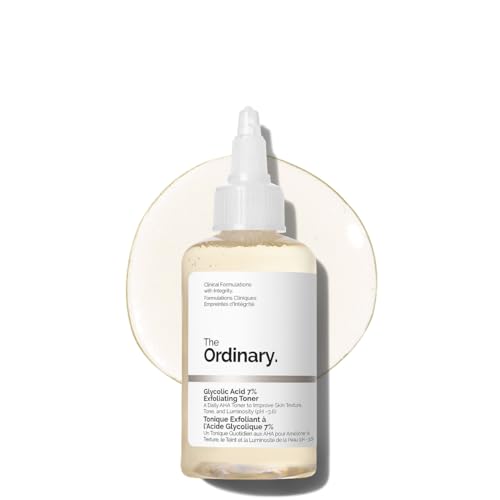
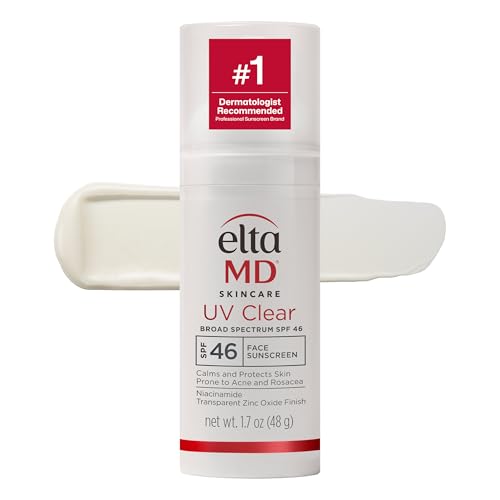
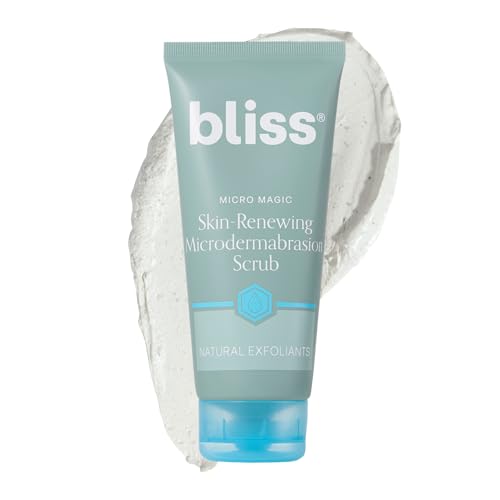
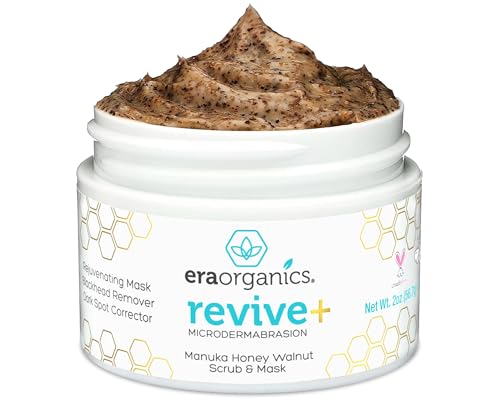
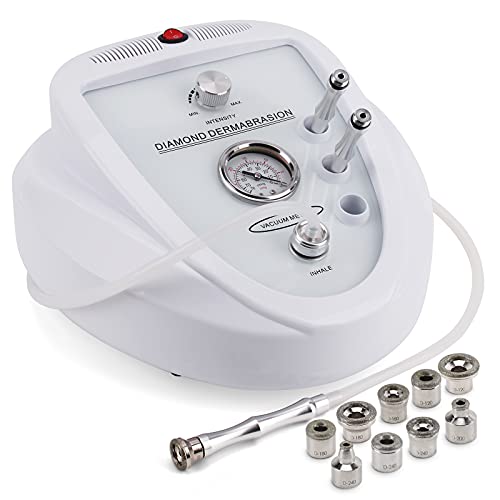
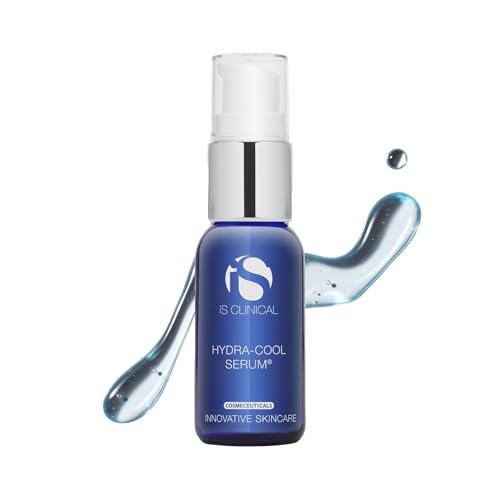
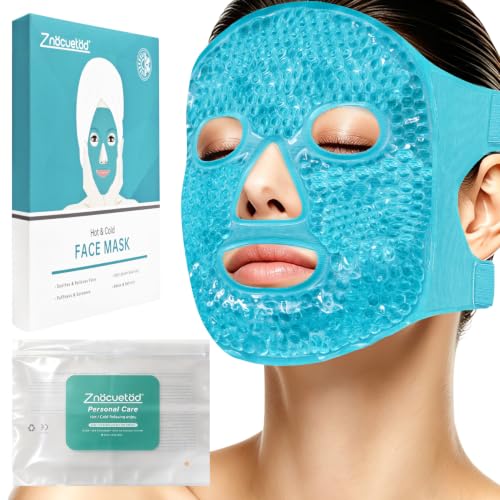
Recommended At-Home Resurfacing and Cooling Products
The Short Version
- A Fire and Ice facial uses a warming acid and retinol masque, then cooling steps.
- Microdermabrasion buffs away dead skin with a diamond tip or crystals and suction.
- Fire and Ice suits dullness, uneven tone and fine lines.
- Microdermabrasion suits rough texture and people avoiding acids.
- Both usually have little downtime, though mild redness is common.
- Neither treats deep scars or deep wrinkles.
- Daily sunscreen is essential after either treatment.
Jump to a Section
- Fire and Ice Facial vs Microdermabrasion at a Glance
- What Happens in a Fire and Ice Facial
- What Happens During Microdermabrasion
- Results Compared
- Which Treatment Suits Your Skin?
- How to Choose Between a Fire and Ice Facial and Microdermabrasion
- Side Effects and Safety
- Aftercare for Both Treatments
- Cost and How Often to Book
- Dos and Don’ts
- Honest Limits
- When to See a Dermatologist
- Your Questions, Answered
- Where This Leaves You
Fire and Ice Facial vs Microdermabrasion at a Glance
This table compares typical spa and clinic versions of each treatment. Details vary, so always ask what your session includes before booking.
| Feature | Fire and Ice facial | Microdermabrasion |
|---|---|---|
| Exfoliation type | Chemical: acids and retinol | Mechanical: diamond tip or crystals |
| Main steps | Cleanse, warming masque, cooling serum, moisturiser | Cleanse, device passes with suction, moisturiser |
| How it feels | Warm tingling, then cool and soothing | Light scratching and suction |
| Session length | About 45 to 60 minutes | About 30 to 45 minutes |
| Best for | Dullness, uneven tone, fine lines | Rough texture, dullness, mild marks |
| Sensitive skin | Can sting; not ideal during flares | Can irritate; gentle settings needed |
| Downtime | Mild redness, possible light flaking | Mild redness for a few hours |
| Results | Glow within days, builds with repeats | Builds over a series |
The name Fire and Ice refers to the sensation of the treatment: the resurfacing masque feels warm on the skin, and the cooling products that follow calm and hydrate it. Some spas offer similar hot and cold facials under other names, so check which products are used if you want the original treatment. Ask too whether the therapist adjusts the masque time for your skin, because a shorter application is often used for first-time clients or more reactive skin types.
What Happens in a Fire and Ice Facial
A Fire and Ice facial is essentially a light chemical resurfacing treatment wrapped in a relaxing facial. A typical session looks like this:
- Cleansing to remove makeup, oil and surface debris.
- The fire step: a warming resurfacing masque containing exfoliating acids and retinol is applied and left on for a short time.
- The masque is removed and skin is often pink and warm.
- The ice step: a cooling, calming serum, often the brand’s Hydra-Cool Serum, soothes and hydrates the skin.
- Moisturiser and sunscreen finish the treatment.
Because it relies on acids rather than abrasion, results come from loosening the bonds between dead skin cells so they shed more evenly. Many people notice brighter, smoother skin within a few days, sometimes after mild flaking. Our guide comparing a facial and a chemical peel explains how chemical exfoliation differs from a classic facial. The AAD overview of chemical peels covers what this type of resurfacing can treat.
What Happens During Microdermabrasion
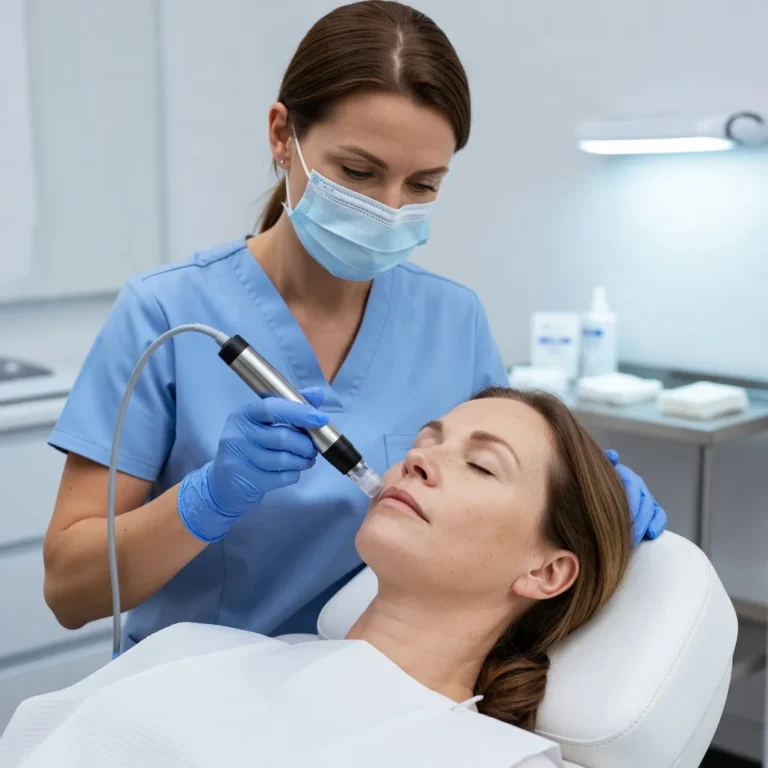
Microdermabrasion is a mechanical exfoliation treatment. After cleansing, the practitioner moves a diamond-tipped wand or crystal device across the skin while suction lifts away dead cells and debris.
- It works only on the outermost layer of skin, so it is a superficial treatment.
- The practitioner controls suction strength and the number of passes.
- Skin feels smoother straight away, with mild redness for a few hours.
- A series of sessions a few weeks apart gives the best results.
- No acids are needed, which some people with acid-sensitive skin prefer.
See the AAD microdermabrasion overview and our guide on what microdermabrasion is good for for more detail.
Results Compared
The two treatments give overlapping but different results. This table shows where each one usually performs best.
| Concern | Fire and Ice facial | Microdermabrasion |
|---|---|---|
| Dullness | Very good | Good |
| Rough texture | Good | Very good |
| Uneven tone and mild dark spots | Good, over repeat sessions | Moderate, over a series |
| Fine lines | Mild, temporary improvement | Mild, temporary improvement |
| Clogged pores | Good, acids help clear pores | Mild |
| Pre-event glow | Good if booked a few days before | Good if booked a few days before |
| Deep scars and wrinkles | No | No |
A Fire and Ice facial often gives a noticeable glow once any light flaking settles, usually within a few days. Microdermabrasion gives an immediate smoothness, with texture improving further over a course of treatments. Results from both fade gradually as the skin renews itself over the following weeks, which is why most people book repeat sessions rather than relying on a single treatment. Our comparison of microdermabrasion and a HydraFacial covers another popular option if you want something gentler.
Which Treatment Suits Your Skin?
Use your main concern and how your skin reacts to acids as a guide.
- Dull skin with uneven tone: a Fire and Ice facial.
- Rough, bumpy texture on normal or oily skin: microdermabrasion.
- Clogged pores and mild congestion: a Fire and Ice facial, as acids help clear pores.
- Skin that stings with acids or retinol: microdermabrasion on gentle settings.
- Sensitive or rosacea-prone skin: usually neither; ask a dermatologist first.
- Pregnancy: avoid retinol treatments and ask your doctor before any resurfacing.
If you already use strong acids or retinoids at home, tell your therapist. Adding a resurfacing treatment on top of an active home routine is a common cause of irritation after either treatment. If you are unsure, start with the gentler option for your skin and review how it looked and felt over the following week before booking again.
How to Choose Between a Fire and Ice Facial and Microdermabrasion
These steps help you pick the right treatment and prepare for it safely.
Name your main concern
Dullness and uneven tone point to Fire and Ice; rough texture points to microdermabrasion.
Check how your skin handles acids
If acids or retinol sting, microdermabrasion may suit you better.
Look for active breakouts or flares
Avoid both over inflamed acne, eczema or rosacea flares.
Pause strong actives
Stop retinoids and acids a few days before if advised.
Ask what is included
Check products, timing and any add-ons.
Book ahead of events
Leave at least a few days before an important date.
Plan aftercare
Keep your routine gentle and wear sunscreen daily.
Keeping a simple note of how your skin looked and felt in the week after each treatment makes it much easier to decide which one is worth repeating and how often.
If you have never had a chemical resurfacing treatment, ask for a patch test or a milder first session. It shows how your skin reacts before you commit to a series.
Side Effects and Safety
Both treatments are generally safe when done by trained professionals, but side effects can happen. Most are mild and short-lived.
- Fire and Ice facial: warmth and tingling during the masque, redness afterwards and light flaking for a few days.
- Microdermabrasion: redness, dryness, sun sensitivity and, rarely, bruising or dark patches with strong suction.
- Both: irritation if combined with strong actives too soon afterwards.
Avoid both treatments over cold sores, sunburn, broken skin, eczema or rosacea flares and inflamed acne. If you use isotretinoin or prescription retinoids, or are pregnant, check with your doctor or dermatologist before any resurfacing treatment.
People with deeper skin tones should choose experienced practitioners, as irritation from either treatment can occasionally leave dark marks that take weeks to fade. Asking about the practitioner’s training and how they adjust treatments for your skin tone is a reasonable question before you book.
Aftercare for Both Treatments
Freshly resurfaced skin is more sensitive than usual, so keep your routine short for a few days.
- Use a mild, fragrance-free cleanser and lukewarm water.
- Apply a soothing moisturiser morning and night.
- Wear broad-spectrum SPF 30 or higher every day.
- Skip retinoids, acids and scrubs for several days, then reintroduce them slowly.
- Do not pick at flaking skin; let it shed naturally.
- Avoid saunas and heavy sweating for 24 hours.
At home, do not combine a glycolic toner, a scrub and a microdermabrasion device in the same week. Over-exfoliating weakens the skin barrier and leads to redness and breakouts.
Our guide comparing microdermabrasion and a classic facial explains how to fit resurfacing into a regular routine.
Cost and How Often to Book
Prices vary by location and clinic. Thinking about the total cost over a few months gives a fairer picture than one session.
- Fire and Ice facials are often booked every four to six weeks, or before events.
- Microdermabrasion is usually booked as a course of several sessions, then less often for maintenance.
- Branded treatments tend to cost more than generic resurfacing facials.
- Packages only save money if you already know the treatment suits your skin.
Budget for aftercare as well. A gentle cleanser, a soothing moisturiser and a daily sunscreen protect your results and cost far less over time than booking extra sessions to fix irritation or dark marks.
Dos and Don’ts
Do
- Choose by your main concern
- Tell your therapist about medications and actives
- Wear sunscreen daily afterwards
- Start gently if you are new to resurfacing
- Let flaking skin shed naturally
Don’t
- Book either the day before a big event
- Combine several resurfacing treatments at once
- Use retinoids straight afterwards
- Have either over active breakouts or flares
- Expect deep scars to disappear
Honest Limits
There is little independent research on the Fire and Ice facial as a branded treatment, so most claims come from the manufacturer and spas. Evidence for microdermabrasion shows modest, surface-level improvements that depend on the practitioner and the number of sessions.
Both give temporary improvements that fade as skin renews, so regular maintenance and a steady home routine matter more than any single session. For acne scars, melasma or deeper wrinkles, a dermatologist can offer treatments with stronger evidence. Think of both as maintenance treatments for healthy-looking skin rather than long-term cures for skin conditions.
When to See a Dermatologist
- You have persistent acne, rosacea or eczema.
- You want to treat scars, melasma or deep wrinkles.
- You react to treatments with lasting redness, burning or dark patches.
- You use prescription skincare or are pregnant and want to add treatments safely.
This article is for general information and does not replace professional medical advice. See a board-certified dermatologist before cosmetic treatments if you have a skin condition or take medications that affect the skin.
Your Questions, Answered
What is the difference between a Fire and Ice facial and microdermabrasion?
Fire and Ice uses chemical exfoliation with a cooling finish; microdermabrasion uses mechanical exfoliation with suction.
Which is better for dull skin?
A Fire and Ice facial usually gives a stronger glow.
Which is better for rough texture?
Microdermabrasion.
Does a Fire and Ice facial hurt?
It feels warm and tingly, not painful for most people.
Is there downtime?
Usually little, though mild redness or flaking is common.
Can I have a Fire and Ice facial while pregnant?
It contains retinol, so ask your doctor first.
How often can I have a Fire and Ice facial?
Many people book every four to six weeks.
How many microdermabrasion sessions do I need?
Usually a series of several sessions.
Can I combine both treatments?
Not in the same session for most skin.
Which is better before an event?
Either, if booked a few days beforehand.
Where This Leaves You
A Fire and Ice facial resurfaces skin chemically with a warming acid and retinol masque followed by cooling steps, while microdermabrasion buffs away dead skin mechanically with suction.
Choose by your main concern and how your skin handles acids, start gently and protect your results with simple aftercare and daily sunscreen.




One Comment