Facial Toner vs Astringent: Which One Your Skin Actually Needs
Walk down any skincare aisle and you will find bottles labeled toner, astringent, clarifying lotion, balancing water, and tonic, all looking much alike. They are watery, they go on after cleansing, and they promise cleaner, fresher skin. It is easy to assume they are interchangeable.
They are not. An astringent is a type of toner designed to remove oil and make skin feel tight, and traditionally it relies on alcohol or witch hazel to do it. A toner is a much broader category. Modern toners can hydrate, calm, rebalance, or gently exfoliate, and many contain no drying alcohol at all.
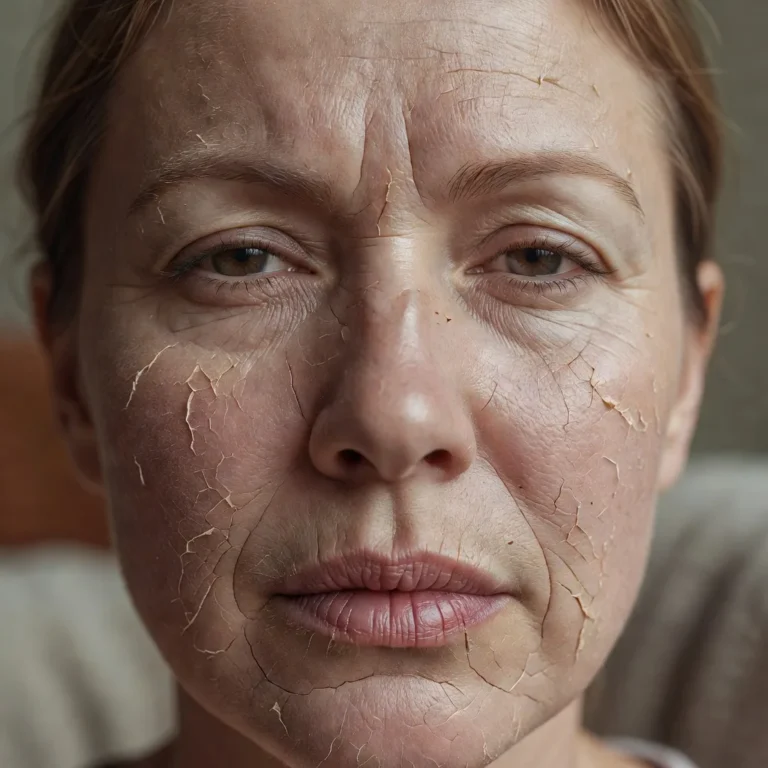
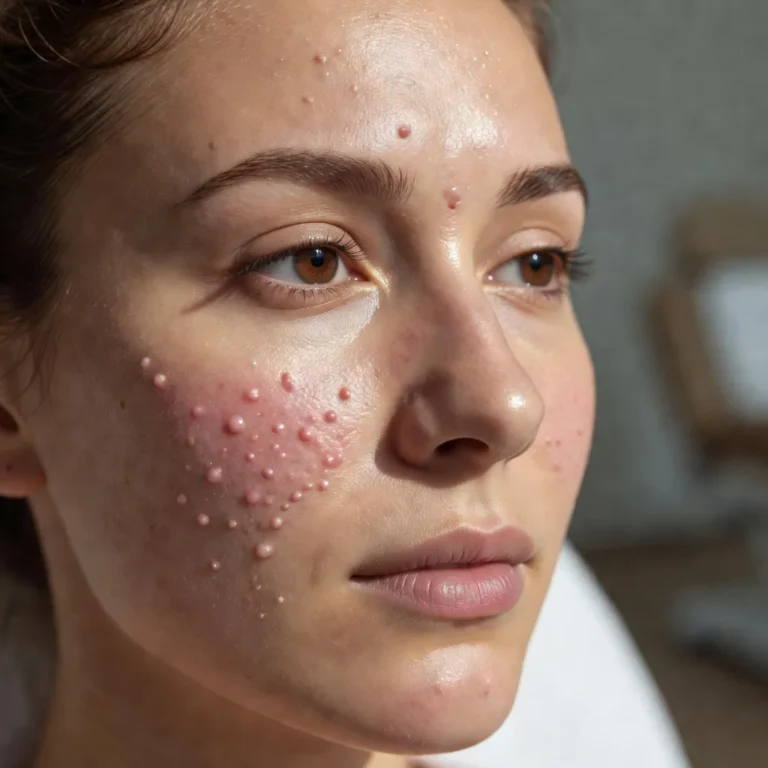
The difference shows up on your face within minutes. The tight, squeaky feeling after an astringent can feel like proof that it is working, especially on oily skin. But that tightness is often a sign that the outer skin barrier has been stripped, which can leave oily skin irritated and dry skin cracked and red.
Choosing between them is less about the name on the bottle and more about what is in it. A quick look at the first few ingredients, combined with how your skin feels ten minutes after use, tells you whether a product suits you or is quietly working against you.
This guide explains what astringents and toners do, who each is for, the label and sting test, the myths about oil rebound and closing pores, and what to use instead if astringents are too harsh.
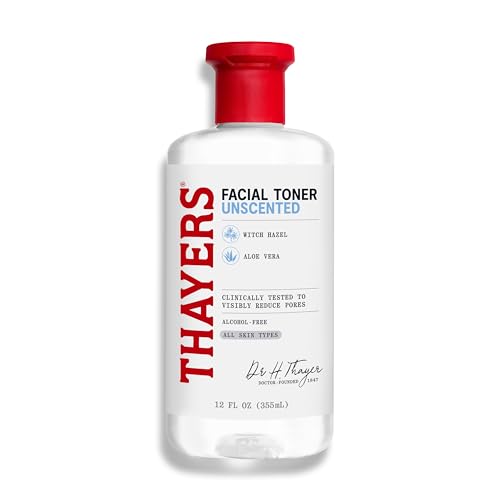
Recommended Toners for Every Skin Type




The Short Version
- An astringent is a toner designed to remove oil and tighten the skin feel, often using alcohol or witch hazel.
- Toner is a broad category that includes hydrating, soothing, balancing, and exfoliating formulas.
- High amounts of drying alcohol near the top of the ingredient list can weaken the skin barrier, especially in dry or sensitive skin.
- Tightness, stinging, or flaking ten minutes after use means a product is too harsh for you.
- Oily skin can use a gentle astringent occasionally, but exfoliating or niacinamide toners are often better long-term options.
- Neither toners nor astringents close pores or are essential for healthy skin.
In This Guide
What an Astringent Actually Does
The word astringent describes something that makes tissue contract. In skincare, astringents create a temporary tightening sensation and remove surface oil. The classic formula combines water with a drying alcohol, such as alcohol denat or SD alcohol, sometimes witch hazel, and occasionally salicylic acid.
Alcohol dissolves oil and evaporates quickly, which is why skin feels clean, matte, and taut afterwards. Witch hazel contains tannins, plant compounds that also create a tightening feel, although distilled witch hazel contains far fewer tannins than people often assume.
The effect is short-lived. Oil production is controlled by hormones and genetics, not by what you wipe on your face, so within hours sebum returns to its usual level. What lingers, if the product is harsh, is irritation.
Astringents became popular at a time when many cleansers were bar soaps and cold creams. Soap could leave a film, and cold creams left oil behind, so an alcohol-based rinse afterwards felt like the step that finally made skin clean. Today, most cleansers rinse off without residue, which is why dermatologists increasingly see astringents as optional at best for most people.
You will still find astringents marketed for acne, often with salicylic acid added. In those products, the salicylic acid is doing the useful work of clearing pores. The alcohol mainly speeds drying and creates the fresh, tight sensation people associate with clean skin.
What a Toner Does Today
Toners were originally meant to remove soap residue and restore skin acidity after harsh, alkaline cleansers. Most modern cleansers are much gentler, so toners have evolved into a flexible step that can do several different jobs.
- Hydrating toners use humectants such as glycerin and hyaluronic acid to add water to the skin.
- Soothing toners use ingredients such as centella, panthenol, or oat extract to calm redness.
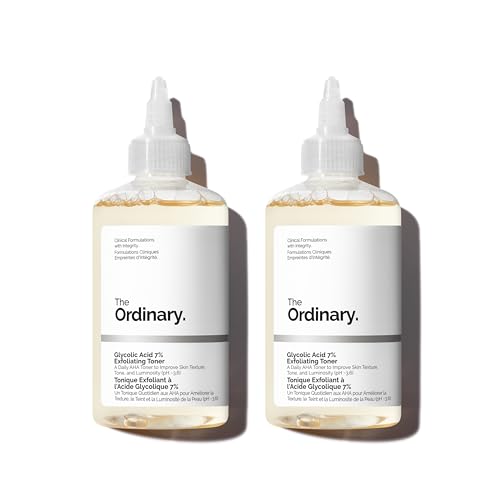
- Exfoliating toners use AHAs such as glycolic or lactic acid, or BHA such as salicylic acid, to loosen dead cells and clear pores.
- Balancing toners for oily skin may include niacinamide or zinc to help manage shine without stripping.
For a deeper look at the category, our guide to what a facial toner does covers each type in more detail.
Toner pH still matters for some formulas. Exfoliating toners rely on an acidic pH to work, which is why they can tingle. Hydrating and soothing toners are usually closer to the skin’s natural slightly acidic pH, which helps explain why they feel comfortable even on sensitive skin.
Toner vs Astringent Side by Side
| Feature | Astringent | Modern toner |
|---|---|---|
| Main goal | Remove oil, tighten feel | Hydrate, calm, balance, or exfoliate |
| Typical key ingredients | Alcohol, witch hazel, sometimes salicylic acid | Humectants, soothing extracts, acids, niacinamide |
| How skin feels after | Tight, matte, squeaky | Soft, comfortable, or lightly tingly with acids |
| Best for | Very oily skin, occasional use | Most skin types, depending on formula |
| Main risk | Dryness, stinging, barrier damage | Over-exfoliation with acid toners |
| Needed daily? | Rarely | Optional |
The biggest takeaway is that astringents are one narrow kind of toner. You can get oil control from a gentler formula without the stripping effect.
The Label and Sting Test
This simple check tells you whether a product is gentle enough for your skin, whatever it is called.
Read the first five ingredients
If alcohol denat, SD alcohol, isopropyl alcohol, or ethanol appears in the first three to five, the product behaves like a traditional astringent.
Ignore the fatty alcohols
Cetyl, stearyl, and cetearyl alcohol are waxy moisturizing ingredients, not drying alcohols. They are not a concern.
Apply as directed
Use the product on clean skin once, with nothing else afterwards for ten minutes.
Check your skin at ten minutes
Comfortable and matte means it suits you. Tight, stinging, or blotchy red means it is too harsh.
Check again the next morning
New flaking or dry patches mean you should use it less often or switch to a gentler formula.
Oily skin tip: if you love the matte feel of an astringent, use it only on the T-zone and only a few times a week. Use a hydrating or niacinamide toner on the rest of your face.
Who Should Use Which
| Skin type | Better choice | Why |
|---|---|---|
| Very oily, resilient | Gentle astringent occasionally, or BHA toner | Controls shine without daily stripping |
| Oily, acne-prone | BHA or niacinamide toner | Targets clogged pores and oil more effectively |
| Combination | Hydrating toner overall, BHA on the T-zone | Balances both zones |
| Dry | Hydrating toner, no alcohol | Adds water rather than removing oil |
| Sensitive or rosacea-prone | Soothing, fragrance-free toner or none | Minimizes irritation |
| Mature | Hydrating or gentle AHA toner | Supports hydration and texture |
If you are unsure, skipping toner entirely is a perfectly reasonable choice. Cleansing, moisturizing, and sunscreen do far more for your skin than any toner.
Climate matters too. In hot, humid weather, oily skin may enjoy a lighter, slightly mattifying toner, while the same person in a cold, dry winter may need to switch to a hydrating formula. It is normal to change toners with the seasons, or to use different ones on different parts of the face.
Myths About Astringents and Oily Skin
Astringents close or shrink pores
Pores have no muscles and cannot open or close. The tight feeling after an astringent is the skin surface reacting, and it fades quickly. Our guide on whether cold water closes pores explains why this myth persists.
Stripping oil makes skin produce more to compensate
You will often read that drying oily skin triggers a rebound of extra oil. The evidence for this is weak, since sebum production is driven mainly by hormones. What stripping clearly does is irritate and dehydrate the surface, which can make oily skin look both shiny and flaky and feel uncomfortable.
If it stings, it is working
Stinging means the product is irritating your skin. Mild tingling for a few seconds from an acid toner can be normal, but persistent burning or redness is not a sign of effectiveness.
How to Use a Toner or Astringent Properly
Try This
- Apply after cleansing, before serums and moisturizer.
- Use hands to pat in hydrating toners.
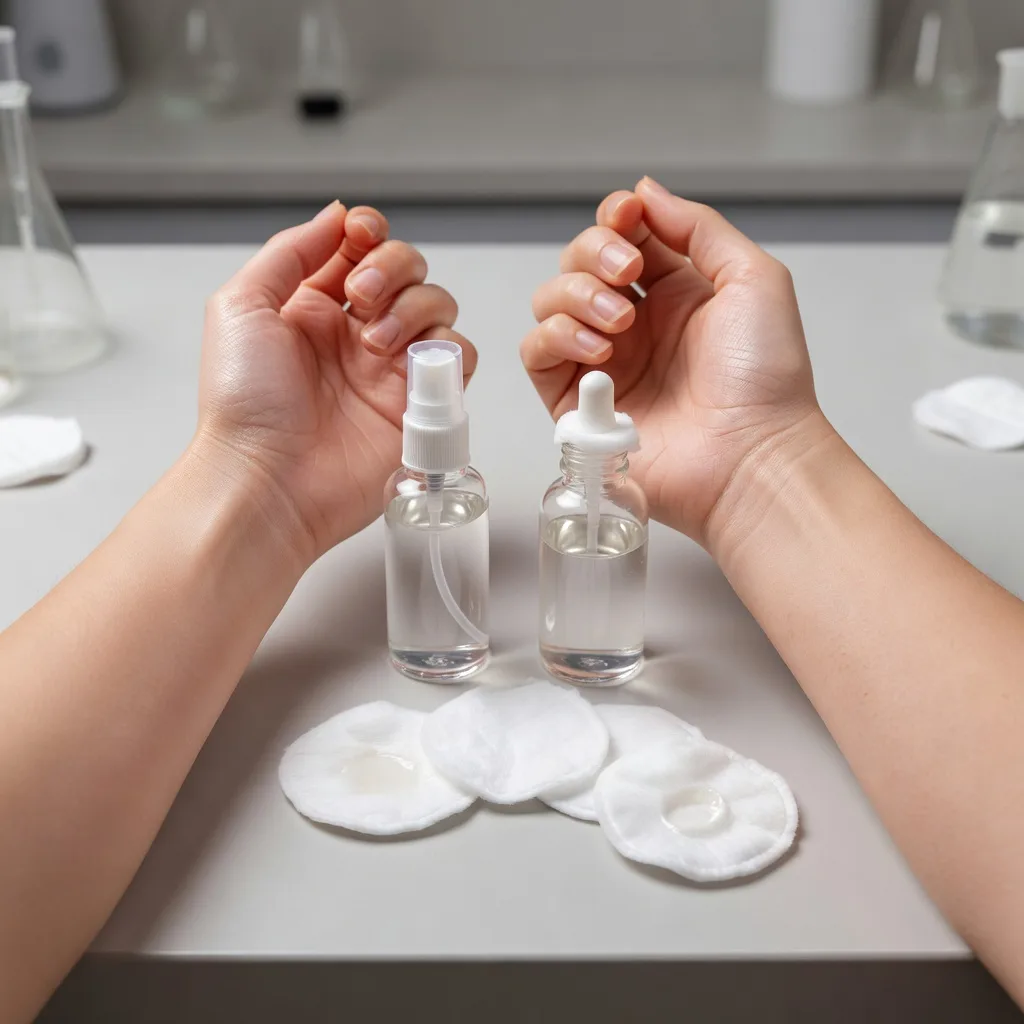
- Use a cotton pad only for exfoliating or astringent formulas.
- Limit astringents to oily areas and a few times a week.
- Follow with moisturizer, even on oily skin.
- Stop if you notice tightness, stinging, or flaking.
Avoid This
- Use an astringent twice daily on dry or sensitive skin.
- Stack an acid toner with other exfoliants the same night.
- Rub hard with a cotton pad.
- Use alcohol-heavy products on broken or sunburned skin.
- Replace moisturizer with toner.
- Use astringents right after shaving or waxing.
How much you use also matters. For pad-based formulas, a few drops on a cotton pad swept once across the face is enough. Going over the same area repeatedly adds friction and more exposure to alcohol or acid. With hydrating toners, some people like to layer two or three thin applications, which is gentle and can add noticeable hydration.
Avoid combining harsh toners with retinoids or strong exfoliants while your skin is adjusting. Alcohol-based astringents on top of retinoids or acids are a common cause of redness and peeling.
What Neither Can Do
Neither toners nor astringents are essential. A good gentle cleanser removes dirt and oil well enough on its own, and most of the benefits of a toner can also come from a serum or moisturizer.
Astringents cannot treat acne on their own. Oil removal is temporary, and acne involves clogged pores, bacteria, and inflammation that need ingredients such as salicylic acid, benzoyl peroxide, or retinoids. Toners also cannot change your skin type or permanently reduce oil production.
Witch hazel is not automatically gentle. Some witch hazel toners contain added alcohol or fragrance, and a small number of people react to witch hazel itself. Check the label and patch test if your skin is sensitive.
When to See a Dermatologist
Talk to a dermatologist if:
- A toner or astringent causes burning, swelling, or a rash that does not settle after stopping.
- Your skin stays red, tight, or flaky for more than two weeks after simplifying your routine.
- You have oily skin with persistent acne that does not respond to over-the-counter care.
- You have facial redness, flushing, or visible vessels that may be rosacea, which often worsens with alcohol-based products.
Medical disclaimer: This article is for general information and is not a substitute for professional medical advice. Speak with a doctor or dermatologist about persistent skin reactions or conditions such as acne and rosacea.
Common Questions
What is the difference between a toner and an astringent?
An astringent is a type of toner designed to remove oil and tighten the skin feel, often with alcohol. Toners more broadly can hydrate, soothe, balance, or exfoliate.
Is an astringent good for oily skin?
A gentle astringent can help very oily, resilient skin occasionally, but BHA or niacinamide toners are often better long-term choices.
Can dry skin use an astringent?
Usually not. Alcohol-based astringents can worsen dryness and irritation. Dry skin does better with hydrating, alcohol-free toners.
Do astringents shrink pores?
No. Pores cannot open or close. Astringents only create a temporary tight feeling.
Is witch hazel an astringent?
Yes. Witch hazel is a traditional astringent, though distilled versions are milder, and some products add alcohol.
Are all alcohols in skincare bad?
No. Drying alcohols such as alcohol denat can be harsh in high amounts, while fatty alcohols such as cetyl and cetearyl alcohol are moisturizing.
Do I need a toner?
No. Toner is optional. Cleansing, moisturizing, and sunscreen matter far more.
Should toner be applied with a cotton pad?
Hydrating toners can be patted in with hands. Cotton pads suit exfoliating or astringent formulas.
Does stripping oil make skin oilier?
The evidence for oil rebound is weak, but stripping does irritate and dehydrate the skin, which can make oily skin look worse.
Can I use an astringent with retinol?
It is best to avoid combining alcohol-based astringents with retinoids, especially while your skin is adjusting.
Where This Leaves You
An astringent is a narrow type of toner built to strip oil and leave skin feeling tight, usually with alcohol. Toners as a whole are far more varied, and most people get more benefit from a hydrating, soothing, niacinamide, or BHA toner than from a traditional astringent.
Judge by ingredients and by how your skin feels ten minutes after use, not by the name on the bottle. If you have very oily skin and enjoy an astringent, keep it to the T-zone a few times a week, and remember that toner is optional while cleansing, moisturizing, and sunscreen are not.