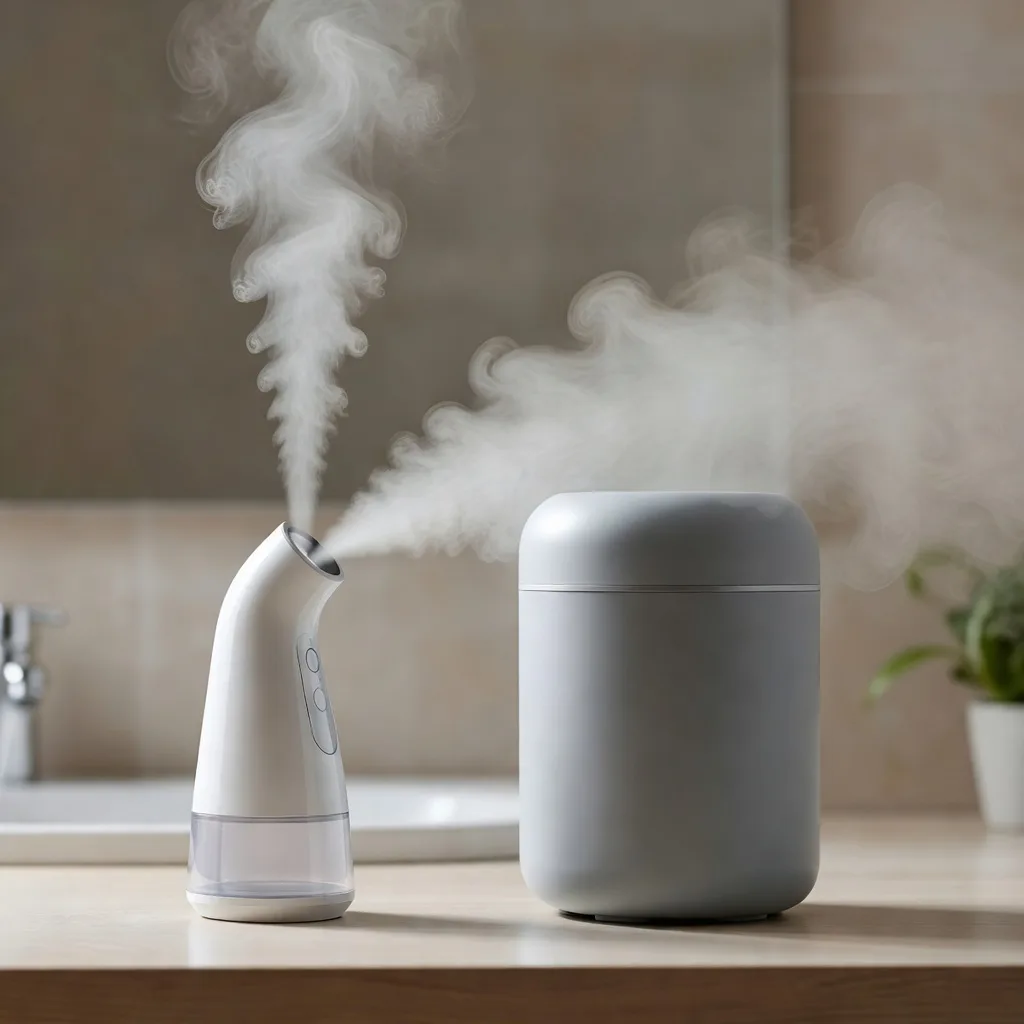
Facial Steamer vs Humidifier: Which Is Better for Dry Skin?
Facial steamers and humidifiers both put warm or cool moisture into the air, so it is easy to think they do the same job for your skin. They do not. One is a short spa-style treatment you use for a few minutes; the other quietly changes the air in your room for hours at a time.
A facial steamer blows a concentrated stream of warm steam at your face for five to ten minutes, softening the skin surface and the oil in pores before cleansing, masks or extractions. A humidifier raises the humidity of a whole room for hours, which can reduce water loss from the skin, especially in dry winter air or air-conditioned rooms. For ongoing dry, tight skin, a humidifier combined with a good moisturiser usually helps more. A steamer is better as an occasional pre-treatment step. Neither replaces moisturiser, and steam can irritate rosacea or eczema.
Put simply, a steamer is a short treatment, while a humidifier changes your environment. Understanding that difference makes it much easier to choose the right tool for your skin and your home.
The American Academy of Dermatology lists using a humidifier among its top tips for relieving dry skin, alongside short, lukewarm showers and moisturising straight after washing. Its face washing advice also favours lukewarm rather than hot water, which is worth remembering when using steam.
This guide compares the two, explains which suits your skin, how to use each safely and how to avoid common mistakes.
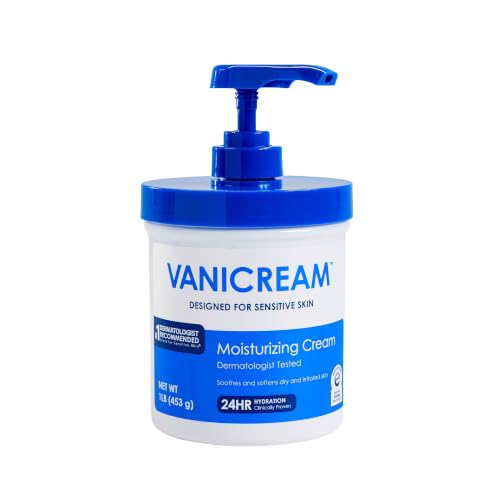
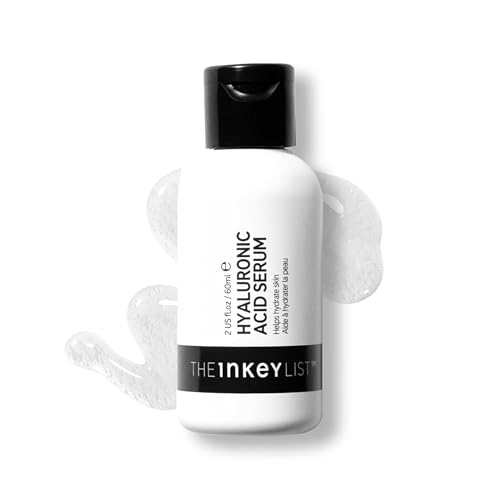
Recommended Facial Steamers, Humidifiers and Hygrometers



Key Takeaways
- A steamer is a short, warm treatment for the face.
- A humidifier raises room humidity for hours.
- For ongoing dryness, a humidifier plus moisturiser helps most.
- Steamers suit occasional use before masks or extractions.
- Aim for indoor humidity of roughly 30 to 50 percent.
- Clean both devices regularly to prevent bacteria and mould.
- Steam can irritate rosacea and eczema; humidifiers are gentler.
Jump to a Section
- Facial Steamer vs Humidifier at a Glance
- What a Facial Steamer Does
- What a Humidifier Does for Skin
- Which One Should You Choose?
- How to Use a Humidifier for Your Skin
- Safety Tips for Both Devices
- Using Both in a Routine
- Climate, Seasons and Air Conditioning
- What to Look for When Buying
- Dos and Don’ts
- Honest Limits
- When to See a Dermatologist
- FAQ
- Summing Up
Facial Steamer vs Humidifier at a Glance
Here is how the two devices compare for skin.
| Feature | Facial steamer | Humidifier |
|---|---|---|
| Purpose | Short skin treatment | Adds moisture to room air |
| Temperature | Warm steam | Usually cool mist, sometimes warm |
| How long | 5 to 10 minutes | Hours, often overnight |
| Area | Face only | Whole room |
| Main skin effect | Softens skin and pore contents briefly | Reduces water loss from skin in dry air |
| Best for | Pre-mask or pre-extraction step | Dry, tight skin in winter or air conditioning |
| Risk | Heat irritation, burns if misused | Bacteria or mould if not cleaned; excess humidity |
The two can work together. Many people use a humidifier in the bedroom every night in dry months and a facial steamer only occasionally as part of a home facial. Cost and upkeep differ too: steamers are small and quick to clean, while humidifiers run for hours and need more regular cleaning to keep the water tank fresh.
What a Facial Steamer Does
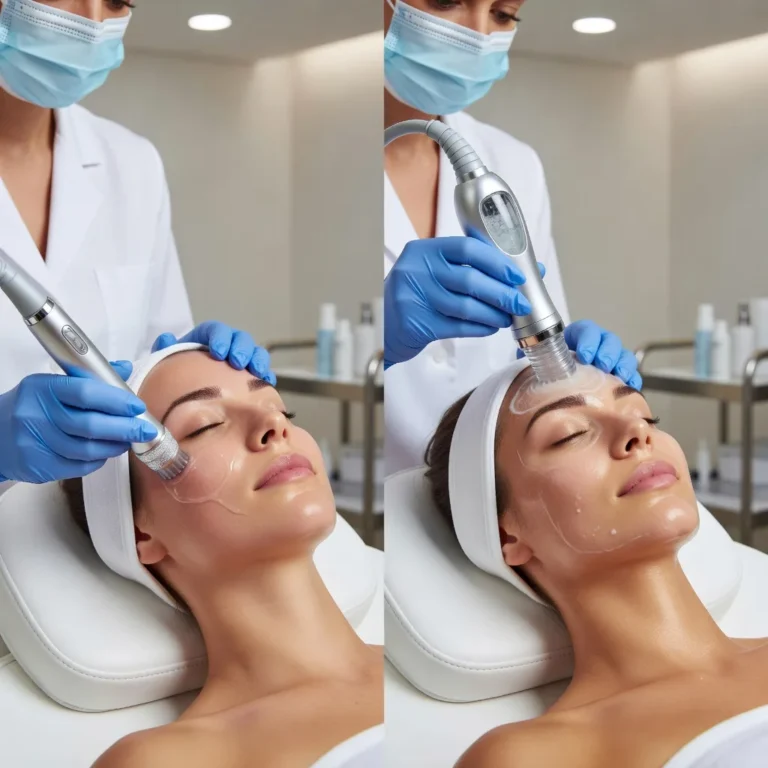
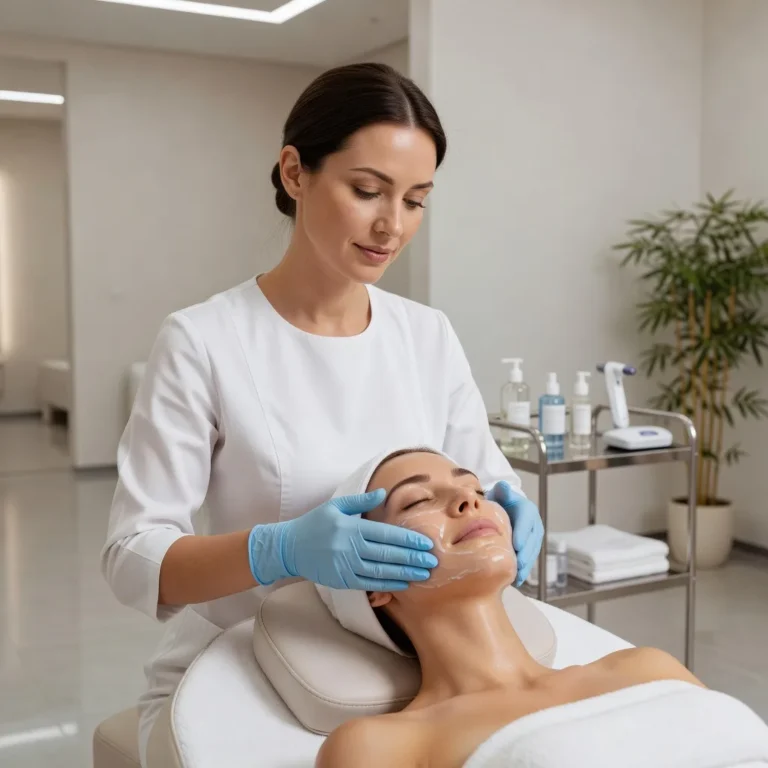
A facial steamer heats water and directs a fine warm mist towards your face. The warmth softens the outer layer of skin and the oil in pores, which can make cleansing, clay masks and gentle extractions more effective.
The effect is short-lived. Once the steam evaporates, skin can actually lose moisture unless you apply a hydrating serum and moisturiser straight away. That is why steaming is best treated as a preparation step rather than a hydration treatment. Most people find once a week or less is plenty; using a steamer daily is more likely to leave skin dry and sensitive than to improve it.
Steam does not open pores, because pores have no muscles. It softens their contents, which can make them look clearer for a short time.
Our guide on whether steaming your face is good for your skin covers the benefits, myths and safety in detail.
What a Humidifier Does for Skin
A humidifier adds water vapour to the air in a room. When indoor air is very dry, as often happens with central heating or air conditioning, water evaporates from the skin more quickly, leaving it tight, flaky and more easily irritated. The effect is often most noticeable on the cheeks, around the nose and on the lips, and it can also make eczema-prone skin itchier.
Raising the humidity can slow that water loss. The effect is gentle and works over hours, which is why many people find their skin feels more comfortable after sleeping in a room with a humidifier. It will not add oil or repair a damaged barrier on its own, but it creates conditions in which your moisturiser can work better.
The American Academy of Dermatology includes adding moisture to the air in its top tips for relieving dry skin. Our guide on facial dryness caused by indoor heating explains the wider winter picture.
Which One Should You Choose?
Match the device to your main concern.
| Your situation | Better choice | Why |
|---|---|---|
| Skin feels tight and flaky all winter | Humidifier | Addresses the dry environment every night |
| Blackheads and congested pores | Steamer, occasionally | Softens pore contents before a mask or extraction |
| Rosacea or broken capillaries | Humidifier | Heat from steam can trigger flushing |
| Eczema-prone skin | Humidifier | Steady humidity is gentler than hot steam |
| Want a spa-style ritual | Steamer | Short, relaxing pre-treatment step |
| Dry nose, lips and eyes too | Humidifier | Helps the whole body, not just the face |
If you can only buy one device and your main problem is dryness, a humidifier is usually the more useful choice. If your main concern is congested pores, a steamer used occasionally before a clay mask is the better fit, but it will not fix skin that feels tight every morning because of dry air.
How to Use a Humidifier for Your Skin
Follow these steps to get the benefit without the downsides.
Measure your humidity
Use a hygrometer to see how dry the room really is.
Aim for a comfortable range
Roughly 30 to 50 percent is a common target for indoor air.
Place it well
Put the humidifier a few feet from your bed, on a flat surface, not directly facing your face.
Use clean water
Follow the instructions; some models recommend distilled water to reduce mineral dust.
Clean it regularly
Empty, rinse and dry the tank often, and disinfect as the manufacturer advises.
Keep moisturising
Apply moisturiser to damp skin after washing, morning and night.
Watch for condensation
If windows drip or walls feel damp, the humidity is too high.
Run the humidifier in the room where you spend the most time, often the bedroom at night. Sleeping in moist air for seven or eight hours makes a bigger difference than short bursts during the day.
Safety Tips for Both Devices
Both devices are safe when used properly, but each has its own risks.
- Steamer: keep a safe distance and limit sessions to avoid burns and irritation.
- Steamer: avoid use on rosacea, eczema flares or freshly treated skin.
- Humidifier: dirty tanks can grow bacteria and mould that are released into the air.
- Humidifier: too much humidity can encourage mould and dust mites.
- Both: keep devices away from children and follow the manufacturer’s instructions.
Clean humidifiers regularly and never leave water sitting in the tank for days. A neglected humidifier can spread microbes into the air, which is a particular concern for people with asthma or allergies.
If you have asthma, allergies or a lung condition, check with your doctor about the right humidity level for your home. Placing a humidifier on a waterproof mat and away from walls, curtains and electronics also prevents damp patches and damage, and helps the mist spread evenly around the room.
Using Both in a Routine
You do not have to choose one forever. A simple approach many people like:
- Every night in dry months: run a humidifier in the bedroom.
- Morning and evening: cleanse gently and moisturise damp skin.
- Once every week or two: use a facial steamer for five minutes before a clay or hydrating mask.
- After steaming: apply a hydrating serum and moisturiser straight away.
This combination tackles the dry environment every day while keeping steam as an occasional treat rather than a daily habit. Adjust it through the year: many people only need the humidifier during the coldest months and can put it away once the heating is switched off.
Climate, Seasons and Air Conditioning
How much a humidifier helps depends on where you live. In cold winters with central heating, indoor humidity can fall very low, and a humidifier often makes a noticeable difference. In humid climates, you may not need one at all, and adding more moisture can make rooms feel stuffy.
Air conditioning can also dry the air, particularly in offices and bedrooms where it runs all night. A small humidifier on your desk or bedside table can help if your skin feels tight by the end of the day.
Our guide on how indoor air quality affects skin health explains other ways your home environment affects your skin. Simple habits help too: shorter, lukewarm showers, a humidifier near where you sleep and a richer moisturiser at night often make more difference than any single product.
What to Look for When Buying
Features matter more than brand names. These are the points worth checking.
| Feature | Facial steamer | Humidifier |
|---|---|---|
| Size | Compact tabletop design | Tank size to match room and run time |
| Controls | Timer and automatic shut-off | Adjustable output and humidity setting |
| Cleaning | Easy-to-rinse reservoir | Wide tank opening that is easy to scrub |
| Noise | Usually quiet | Look for a quiet model for bedrooms |
| Safety | Stable base, no hot-water spills | Auto shut-off when empty |
| Extras | Hot and cool settings on some models | Built-in hygrometer on some models |
Whichever you buy, read the cleaning instructions before you choose. A device that is awkward to clean is more likely to be neglected, and neglected water tanks are where most problems start.
If you already own a humidifier without a built-in humidity reading, a small digital hygrometer is an inexpensive way to check that the room is not becoming too damp.
Dos and Don’ts
Helps
- Use a hygrometer to check humidity
- Clean humidifiers often
- Keep steam sessions short
- Moisturise after either
- Use steam only occasionally
Backfires
- Let humidity rise above about 50 percent
- Leave water standing in tanks
- Steam rosacea or eczema-prone skin
- Rely on either instead of moisturiser
- Point a humidifier straight at your face
Honest Limits
There is limited direct research on humidifiers and facial skin, and even less on home facial steamers. Most advice is based on how skin loses water in dry air and on dermatologists’ practical experience.
Neither device treats underlying skin conditions such as eczema, rosacea or acne. They can make skin more comfortable, but a good moisturiser, gentle cleansing and, where needed, medical treatment remain the foundation of care. If your skin is still dry and uncomfortable after a few weeks of using a humidifier and moisturising well, it is worth asking a dermatologist whether something else, such as eczema or a reaction to a product, is involved.
When to See a Dermatologist
- Dry skin cracks, bleeds or itches intensely.
- You develop redness, swelling or a rash that does not improve with moisturiser.
- Heat or steam triggers flushing that may be rosacea.
- You suspect eczema or another skin condition.
This article is for general information and does not replace professional medical advice. See a board-certified dermatologist for persistent dry or irritated skin.
FAQ
What is the difference between a facial steamer and a humidifier?
A steamer is a short warm treatment for the face; a humidifier raises room humidity for hours.
Which is better for dry skin?
A humidifier combined with moisturiser usually helps more.
Can I use a humidifier instead of a facial steamer?
For dryness, yes; for softening pores before a mask, a steamer works better.
Can I use a facial steamer as a humidifier?
No, it is designed for short, close use, not room humidity.
What humidity is best for skin?
Roughly 30 to 50 percent is a common indoor target.
Is a humidifier good for acne?
It does not treat acne but can ease dryness from acne treatments.
Can steam make rosacea worse?
Yes, heat is a common trigger.
How often should I clean my humidifier?
Rinse and dry it often and disinfect as the manufacturer recommends.
Should I use cool or warm mist?
Cool mist is common for bedrooms; follow the device instructions.
Do I still need moisturiser with a humidifier?
Yes, moisturiser remains essential.
Summing Up
A facial steamer is a short, warm treatment that softens skin before masks or extractions, while a humidifier raises room humidity for hours and helps reduce water loss from dry skin.
For ongoing dryness, choose a humidifier and keep moisturising; use a steamer only occasionally, keep devices clean and skip steam if you have rosacea or eczema.