Facial Cleanser vs Face Wash: What Is the Difference and Which Do You Need?
Walk down any skincare aisle and you will see products labelled face wash, facial cleanser, cleansing gel, foaming wash, cleansing milk and more. It is easy to assume they are all the same thing with different names, or that one is automatically better than the other. The truth sits somewhere in between.
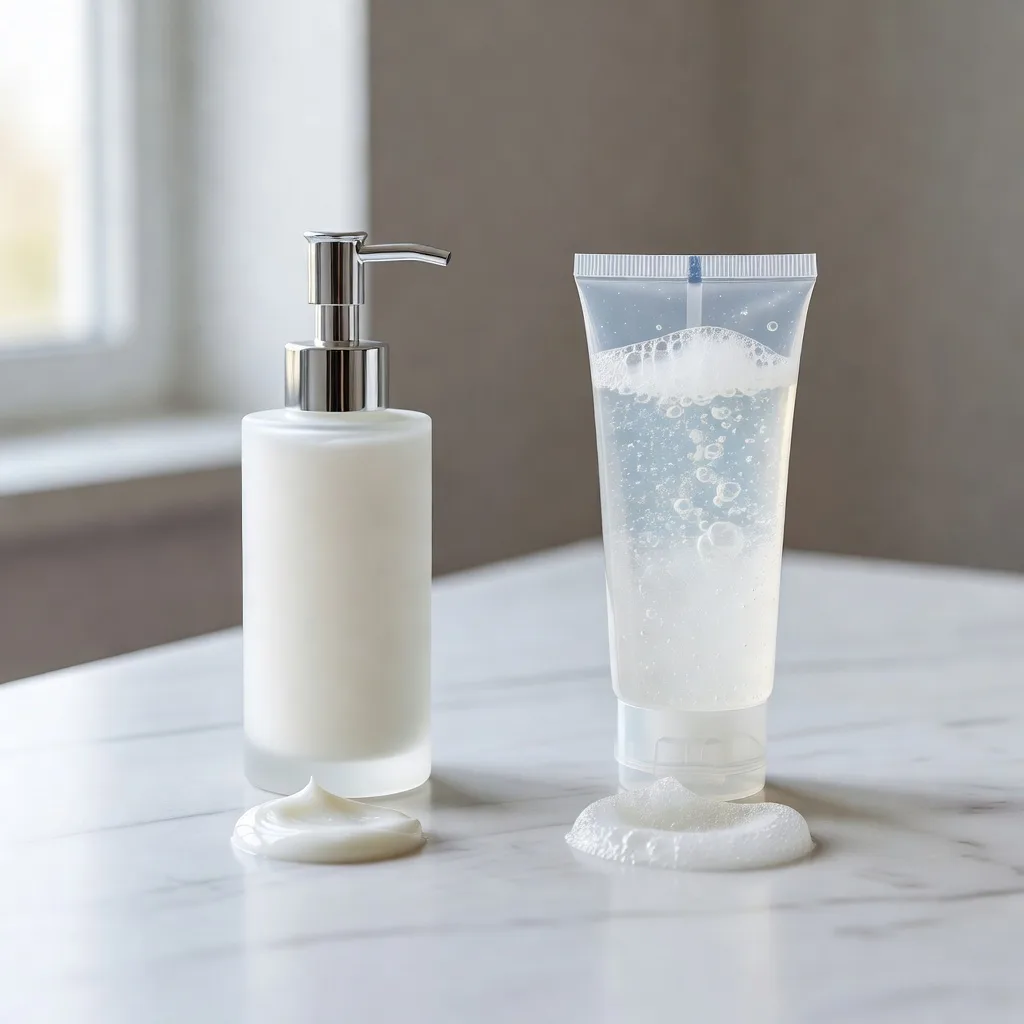
There is no legal or scientific distinction between a facial cleanser and a face wash, but in everyday use, face wash usually means a water-rinsed product that foams or lathers, such as a gel or foaming wash, while facial cleanser is a broader term covering foaming washes as well as non-foaming creams, milks, oils, balms and micellar waters. Foaming washes tend to remove more oil and suit oily or acne-prone skin, while creamy and non-foaming cleansers are gentler and suit dry, sensitive or mature skin. The best choice depends on your skin type, not the name on the bottle.
What matters most is how a product feels after you rinse it off, and how your skin looks and feels over the following weeks. A good cleanser leaves skin clean and comfortable, not tight, squeaky or itchy. If your skin feels stripped, the formula is too harsh for you, whatever it is called.
The American Academy of Dermatology recommends washing the face twice a day and after sweating with a mild, non-abrasive cleanser, applied with fingertips and rinsed with lukewarm water.
This guide explains the differences between face washes and other cleansers, the main types, which suits each skin type, how to use them and the signs that a cleanser is not right for you.
Recommended Cleansers and Face Washes



On This Page
- Face Wash vs Cleanser at a Glance
- Main Types of Cleansers
- Which Suits Your Skin Type?
- Signs Your Cleanser Is Too Harsh
- How to Choose Between a Cleanser and a Face Wash
- Ingredients to Look For and Avoid
- Common Cleansing Mistakes
- Face Wash vs Scrub and Other Products
- Morning vs Evening Cleansing
- Dos and Don’ts
- Honest Limits
- When to See a Dermatologist
- Common Questions
- Final Word
Quick Answer
- Cleanser and face wash are not legally different terms.
- Face wash usually means a foaming, water-rinsed product.
- Cleanser includes creams, milks, oils, balms and micellar water.
- Foaming washes suit oily and acne-prone skin.
- Creamy cleansers suit dry, sensitive and mature skin.
- Skin should feel comfortable, not tight, after washing.
- Choose by skin type, not by product name.
Face Wash vs Cleanser at a Glance
While the terms overlap, this is how they are generally used.
| Feature | Face wash | Facial cleanser (broader term) |
|---|---|---|
| Typical texture | Gel or foam | Gel, foam, cream, milk, oil, balm, micellar water |
| Lather | Usually foams | May or may not foam |
| Oil removal | Stronger | Ranges from gentle to strong |
| Best for | Oily, combination, acne-prone skin | Depends on type; creams suit dry and sensitive skin |
| Rinse | Always rinsed with water | Most rinsed; micellar water can be wiped |
| Risk of dryness | Higher with strong surfactants | Lower with non-foaming types |
Because the terms are marketing language rather than technical categories, always check the texture, ingredients and your skin’s reaction rather than relying on the label. Two products both called face wash can feel completely different, one rich and creamy and the other a clear, strongly foaming gel, and they will suit very different skin types. Our guide on hydrating versus foaming cleansers goes deeper into this choice.
Main Types of Cleansers
Cleansers come in several forms, each with a slightly different job.
| Type | How it works | Best for |
|---|---|---|
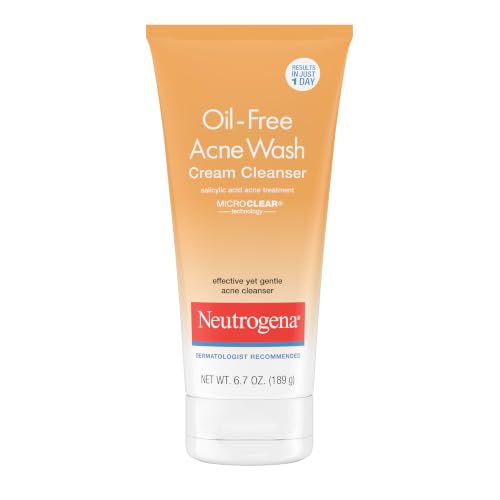
| Foaming or gel wash | Surfactants lift oil and dirt, forming lather | Oily and acne-prone skin |
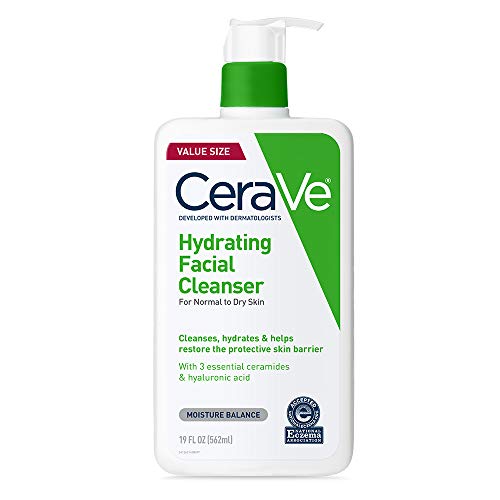
| Cream or lotion cleanser | Mild surfactants in a moisturising base | Dry, sensitive and mature skin |
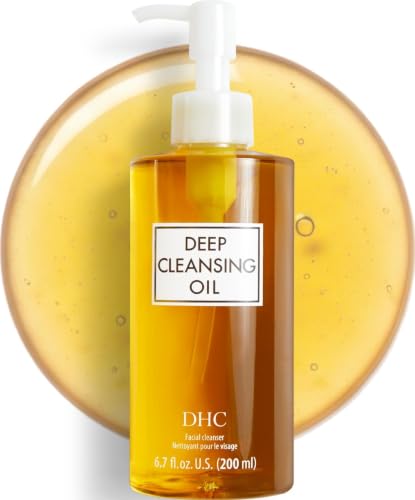
| Cleansing oil | Oils dissolve makeup and sebum; emulsifies with water | Makeup removal, first cleanse |
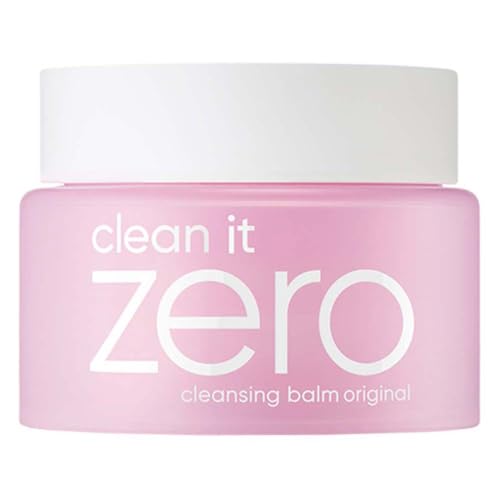
| Cleansing balm | Solid oil that melts on skin | Heavy makeup and sunscreen |
| Micellar water | Tiny oil-attracting micelles lift dirt | Gentle cleansing, makeup removal |
| Cleansing bar | Solid, usually soap-free syndet bar | Sensitive skin and travel |
Many people use two types together, especially in the evening. An oil, balm or micellar water removes makeup and sunscreen first, followed by a gentle wash or cream cleanser. Micellar water is also handy for travel or late nights, though rinsing it off afterwards is kinder to sensitive skin. Our guide on when double cleansing is necessary explains who benefits from this.
Which Suits Your Skin Type?
Choosing by skin type is the most reliable way to find the right cleanser.
- Oily skin: a gel or foaming wash, possibly with salicylic acid.
- Acne-prone skin: a gentle foaming wash, with benzoyl peroxide or salicylic acid if needed.
- Dry skin: a cream, lotion or non-foaming cleanser.
- Sensitive skin: a fragrance-free, soap-free cleanser or cleansing bar.
- Combination skin: a gentle gel cleanser that is not too drying.
- Mature skin: a hydrating cream or milk cleanser.
Your skin can change with seasons, age, hormones and medications, so a product that worked well for years may start to feel wrong. A foaming wash that suits you in summer may feel too drying in winter. Keeping a gentler cleanser on hand for colder months or after treatments is a simple way to adapt.
If you use prescription acne treatments or retinoids, choose a gentle, non-medicated cleanser unless your doctor recommends otherwise. Combining several active products can cause irritation.
Signs Your Cleanser Is Too Harsh
A cleanser that is too strong for your skin can cause problems over time, even if it makes skin feel very clean at first.
- Skin feels tight or squeaky immediately after washing.
- Moisturiser stings when you apply it.
- Flaky or rough patches appear, even with regular moisturising.
- Oily skin becomes shinier later in the day.
- Redness or itching after cleansing.
If you notice these signs, switch to a gentler formula or cleanse only at night with water in the morning. Give your skin a week or two to recover, using a simple fragrance-free moisturiser, before judging whether the new routine suits you. Oily skin in particular can take a little time to settle once it is no longer being over-stripped. Our guide on how to tell if a cleanser is too harsh explains the warning signs in more detail.
How to Choose Between a Cleanser and a Face Wash
Identify your skin type
Notice how your skin feels a few hours after cleansing without products.
Consider your makeup
If you wear makeup or water-resistant sunscreen, add an oil, balm or micellar water.
Match the texture
Choose foaming for oily skin and cream or milk for dry or sensitive skin.
Check the ingredients
Look for fragrance-free formulas if your skin reacts easily.
Patch test
Try a new cleanser on your jawline for a few days first.
Watch how skin feels
Skin should feel clean and comfortable, not tight.
Adjust with seasons
Switch to a gentler formula in cold, dry weather if needed.
Massage your cleanser for about 30 seconds with fingertips before rinsing. It gives the formula time to work, so you do not need a harsher product or scrubbing.
The American Academy of Dermatology recommends using fingertips rather than washcloths or sponges and rinsing with lukewarm water. Pat your face dry with a clean towel afterwards, and apply moisturiser while the skin is still slightly damp to help lock in hydration. Read its skin care tips for more on gentle washing.
Ingredients to Look For and Avoid
The ingredient list tells you more than the name on the bottle.
- Gentle surfactants such as cocamidopropyl betaine or glucosides are common in mild cleansers.
- Glycerin, ceramides and hyaluronic acid help cleansers feel less drying.
- Salicylic acid or benzoyl peroxide can help acne-prone skin.
- Strong sulfates such as sodium lauryl sulfate can be drying for some people.
- Fragrance and essential oils can irritate sensitive skin.
- Rough exfoliating particles are better saved for occasional use, if at all.
Soap-based bars and washes have a higher pH than skin and can feel more stripping for many people, especially those with dry or sensitive skin. Syndet bars, which use synthetic detergents, are usually gentler. Our guide on how cosmetic pH affects skin explains why.
Common Cleansing Mistakes
- Washing more than twice a day unless you have been sweating.
- Using hot water, which strips natural oils.
- Scrubbing with washcloths, brushes or rough scrubs.
- Using a body wash or hand soap on the face.
- Relying on wipes instead of rinsing.
- Choosing a foaming wash for dry, sensitive skin because it feels cleaner.
The feeling of squeaky-clean skin is often a sign of over-cleansing rather than good cleansing. Clean skin should feel soft and comfortable, with no pulling sensation when you smile or move your face. Skin needs some of its natural oils to stay comfortable and protected.
Stop using any cleanser that causes burning, swelling or a rash. These can be signs of an allergy or irritation that needs a gentler product or medical advice.
Face Wash vs Scrub and Other Products
Face washes are sometimes confused with scrubs, toners and exfoliating cleansers. A face wash cleans; a scrub physically exfoliates; a toner is applied after cleansing; and exfoliating cleansers contain acids to loosen dead skin.
Using a scrub or exfoliating wash every day can be too much for many skin types. If you like an exfoliating cleanser, alternate it with a gentle one, or use it only a few evenings a week, and skip it on nights when you use a retinoid or other active treatment. Our guide on facial wash versus facial scrub explains how often each should be used, and our guide on cleansing versus a facial explains where daily cleansing fits alongside occasional treatments.
Morning vs Evening Cleansing
You do not have to use the same cleanser morning and night. Many people get better results by adjusting how they cleanse at different times of day.
- Morning: a quick, gentle cleanse or even a water rinse is enough for dry or sensitive skin.
- Morning for oily skin: a light gel or foaming wash removes overnight oil.
- Evening: a thorough cleanse removes makeup, sunscreen, pollution and sweat.
- Evening with makeup: an oil, balm or micellar water first, then your usual cleanser.
- After exercise: a gentle wash to remove sweat before it clogs pores.
If your skin feels dry, using a milder cleanser in the morning and saving your stronger or medicated wash for the evening can reduce irritation while still keeping skin clean. People using retinoids at night often do best with a very gentle evening cleanser, since retinoids already make skin more sensitive.
Whatever routine you choose, finish with moisturiser, and in the morning, broad-spectrum sunscreen. A cleanser only stays on your skin for a short time, but the products that follow it do much of the protective work.
Dos and Don’ts
Do
- Choose by skin type
- Use lukewarm water
- Massage for about 30 seconds
- Double cleanse when wearing makeup
- Moisturise after washing
Don’t
- Rely on product names alone
- Use hot water or rough cloths
- Wash more than needed
- Use body soap on your face
- Ignore tightness or stinging
Honest Limits
No cleanser can fix acne, pigmentation or aging on its own, because it only stays on the skin for a short time. Medicated washes help some people with acne, but leave-on treatments usually have a stronger effect. Treatments and moisturisers do more of the heavy lifting.
Individual skin varies. A cleanser that works well for one person may irritate another with the same skin type, so some trial and error is normal. Change one product at a time so you can tell what is helping and what is not.
When to See a Dermatologist
- You have persistent dryness, redness or stinging despite gentle cleansing.
- Acne does not improve with over-the-counter cleansers.
- You develop a rash or swelling after using a cleanser.
- You have eczema, rosacea or another skin condition.
This article is for general information and does not replace professional medical advice. See a dermatologist for persistent skin problems or reactions to products.
Common Questions
Is a facial cleanser the same as a face wash?
They overlap; face wash usually means a foaming product, cleanser is broader.
Which is better, cleanser or face wash?
Neither; the best choice depends on your skin type.
Should I use a foaming face wash?
Foaming washes suit oily and acne-prone skin.
What cleanser is best for dry skin?
A cream, lotion or non-foaming cleanser.
Can I use face wash every day?
Yes, if it is gentle and suits your skin.
Is micellar water a cleanser?
Yes, it is a gentle cleanser that can be wiped or rinsed.
Do I need both a cleanser and a face wash?
Only if you double cleanse, for example after makeup.
Why does my face feel tight after washing?
The cleanser may be too harsh for your skin.
Can I use soap on my face?
Gentle syndet bars are fine; harsh soaps can be drying.
How long should I wash my face?
About 30 seconds of gentle massage is enough.
Final Word
Face wash and facial cleanser are overlapping terms. Face wash usually means a foaming, water-rinsed product, while cleanser includes creams, milks, oils, balms and micellar waters. Neither is automatically better.
Choose by skin type: foaming washes for oily or acne-prone skin, creamy cleansers for dry, sensitive or mature skin. Your skin should feel clean and comfortable, never tight, after washing.