Collagen Facial Treatment: What the Evidence Shows
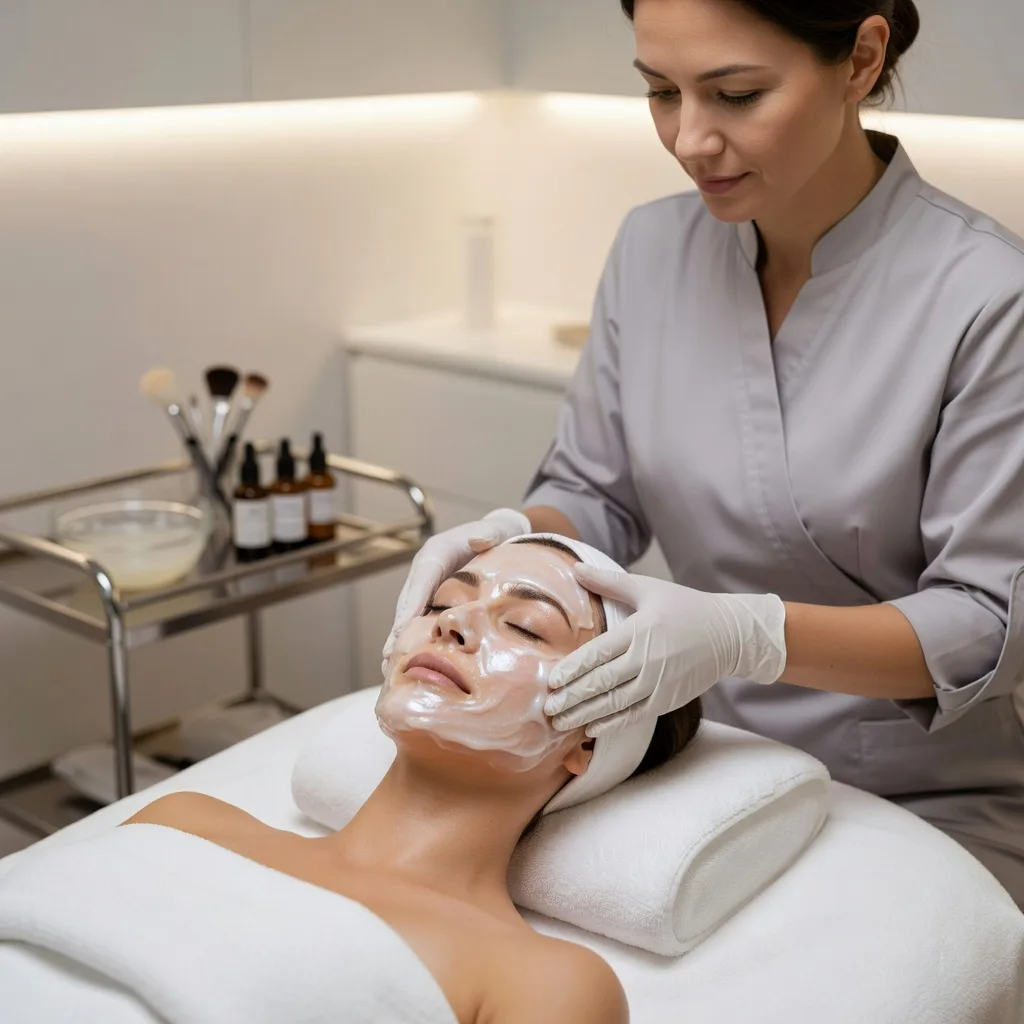
A collagen facial treatment is marketed as a way to replenish your skin’s own collagen, but the biology behind that claim doesn’t hold up to a closer look.
Native collagen’s molecular weight, roughly 300,000 daltons, makes it physically unable to cross the skin barrier, so a topical collagen mask or cream works as a genuine humectant and surface film-former, not a way to add structural collagen to your dermis. Oral collagen peptide supplements, by contrast, have real statistically significant clinical trial evidence for improved hydration and elasticity.
Marine collagen is heavily marketed as superior, but the best available pooled evidence found no significant elasticity difference by collagen source.
This guide covers what topical and oral collagen products can genuinely do, and which treatments actually stimulate your own collagen production.
Recommended Oral Collagen Peptide Supplements

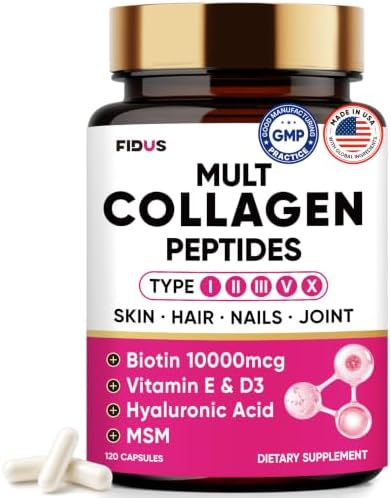

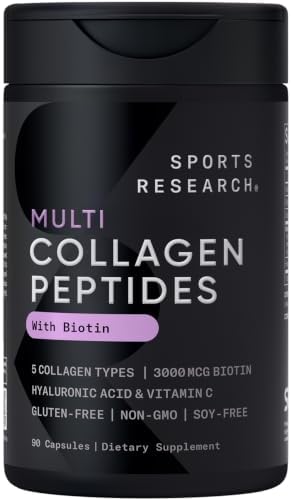

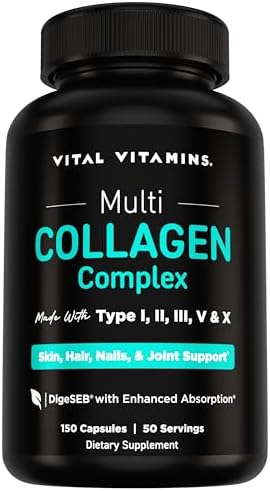
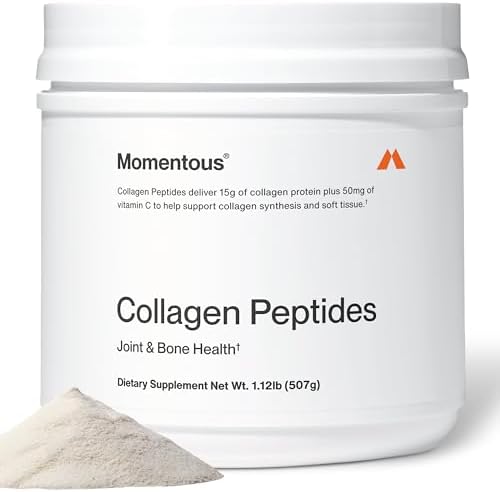
Why Topical Collagen Can’t Reach Your Dermis
This is settled skin biology, not a marketing-versus-science debate with two reasonable sides. A review of collagen in cosmetic products, published in the journal Cosmetics, gives the actual numbers: native collagen has a molecular weight of roughly 300,000 daltons and a diameter of about 14 to 15 angstroms — far too large to cross the epidermal barrier. The review states it directly: collagen “is unable to cross the epidermal barrier.” Only hydrolyzed collagen — broken down into much smaller peptide fragments — is actually used in most topical products, and even those smaller fragments haven’t been shown to penetrate down to the dermis, which is where your own structural collagen actually lives and where any real “boost” would need to happen.
A “collagen facial” applying collagen to the surface of your skin cannot add to, replace, or stimulate the collagen already in your dermis — the molecule physically cannot get there. That doesn’t mean these products are worthless; it means understanding what they’re actually doing requires looking past the ingredient name on the label.
The Bottom Line Up Front
- Native collagen’s molecular size (~300,000 daltons) makes it physically unable to cross the skin barrier.
- Topical collagen products genuinely work as humectants and film-formers — hydrating and temporarily plumping skin, not adding structural collagen.
- Oral collagen peptide supplements have real, statistically significant RCT evidence for improved skin hydration and elasticity.
- Marine collagen is heavily marketed as superior, but a large 2023 meta-analysis found no significant elasticity difference by collagen source.
- Real collagen-stimulating treatments — retinoids, microneedling, RF, lasers — work through a completely different mechanism: controlled stimulation of your own fibroblasts.
- No validated at-home test exists for whether your skin specifically “needs” collagen stimulation.
Navigate This Guide
- Why Topical Collagen Can’t Reach Your Dermis
- What a Collagen Mask or Cream Can Actually Do
- The Real Evidence for Oral Collagen Supplements
- Treatments That Actually Stimulate Your Own Collagen
- Is Marine Collagen Really Superior?
- Getting the Most From a Topical Collagen Product
- Who Actually Benefits From Each Approach
- Who Should Be Cautious
- When to Talk to a Dermatologist Instead
- Checking What You’re Actually Buying
- Where the Evidence Runs Out
- Frequently Asked Questions
What a Collagen Mask or Cream Can Actually Do
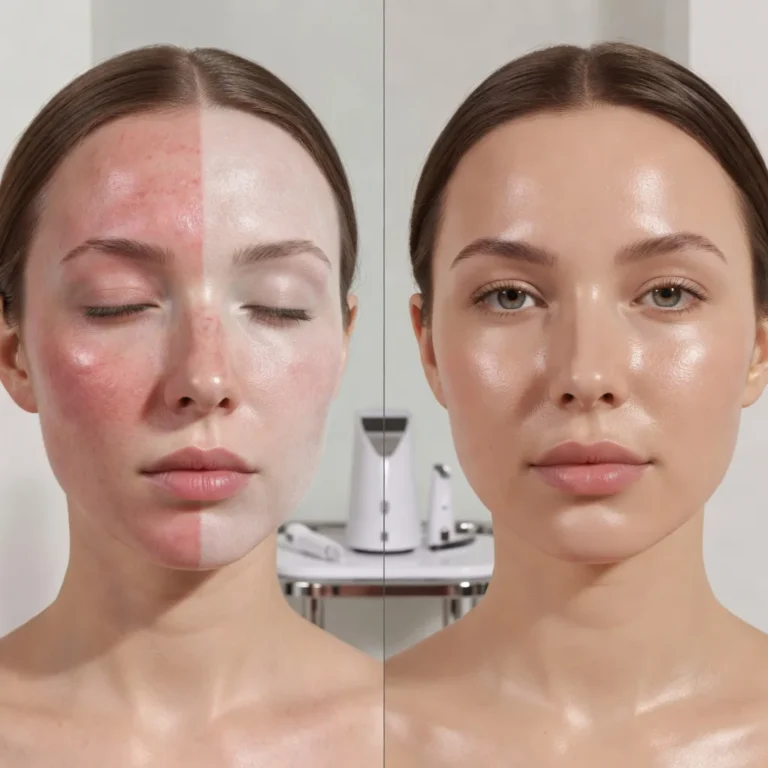
None of this means a collagen facial does nothing — it means the real mechanism is different from what the name implies. The same Cosmetics journal review describes topical collagen functioning as a humectant and film-former: it draws in and holds moisture, reduces transepidermal water loss, and forms a thin surface film that gives temporary plumping and smoothing. Reported outcomes in the studies reviewed included reduced apparent wrinkle depth, improved hydration, reduced water loss, and improved skin density and elasticity readings — all outcomes consistent with a genuine hydration and surface-film effect, not structural regeneration of your dermis.
The Real Evidence for Oral Collagen Supplements
This is a case where the more surprising, more honest finding cuts against the usual skepticism: oral collagen peptide supplements have real, statistically significant clinical trial evidence behind them, which is more than can be said for topical collagen’s structural claims. A 2023 systematic review and meta-analysis published in Nutrients pooled 26 randomized controlled trials covering 1,721 participants, with supplementation periods of 2 to 12 weeks, and found statistically significant improvement in both skin hydration and skin elasticity compared to placebo. Typical doses ranged from 372 milligrams to 12 grams daily, most commonly in the 2.5-to-10-gram range, using collagen sourced from fish, bovine, chicken, or porcine origins.
The review’s authors are appropriately cautious, flagging several biases across the included trials and calling for larger, higher-quality studies — a caveat worth taking seriously. But the pooled statistical effect on hydration and elasticity is real, which makes oral collagen a genuinely different evidence situation from the topical product category entirely.
| Approach | Can it add to dermal collagen? | What the evidence actually shows |
|---|---|---|
| Topical collagen (mask/cream) | No — molecule too large to cross skin barrier | Real hydration/humectant and film-forming effect only |
| Oral collagen peptides | Not directly, but linked to measurable skin outcomes | Statistically significant improvement in hydration and elasticity (2023 meta-analysis, 26 RCTs) |
| Stimulating treatments (retinoids, microneedling, RF, lasers) | Yes — triggers your own fibroblasts to produce new collagen | Strongest direct evidence for actual new collagen formation |
Treatments That Actually Stimulate Your Own Collagen
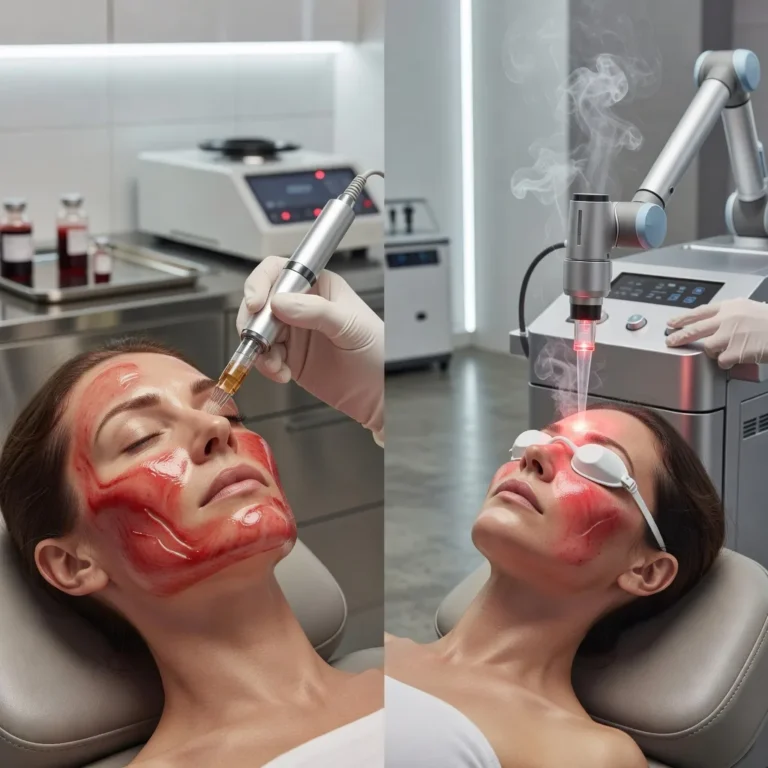
Real collagen-stimulating treatments work through an entirely different mechanism than delivering collagen from a jar: controlled injury or stimulation that triggers your body’s own fibroblasts to produce new collagen. The classic evidence base is topical retinoids — a landmark study by Griffiths and colleagues published in the New England Journal of Medicine in 1993 demonstrated that topical tretinoin measurably increases new collagen formation in photodamaged human skin, a genuinely dermally-active mechanism unlike any topical collagen product. Microneedling and radiofrequency microneedling work by creating controlled micro-injury that triggers the wound-healing cascade’s collagen synthesis phase; lasers work via a similar thermal-injury-triggered remodeling process. If you’re weighing an actual collagen-stimulating treatment, our guide on microneedling with PRP covers one specific version of this mechanism in more depth.
Is Marine Collagen Really Superior?
Marine or fish-derived collagen is heavily marketed as a superior, more bioavailable source, and it did have the largest evidence base among the sources tested in the 2023 Nutrients meta-analysis — 14 of the 26 included trials used fish collagen specifically. But the review’s own subgroup analysis found no statistically significant difference in elasticity outcomes by collagen source, with a p-value of 0.21. That’s a meaningful finding worth stating plainly: having the most studies doesn’t mean marine collagen outperformed bovine, chicken, or porcine sources in the actual pooled results — it mainly means it’s the most-studied option, not necessarily the most effective one.
| Label wording | What it likely means |
|---|---|
| “Collagen” / “collagen protein” (no other qualifier) | Likely native, large-molecule collagen — can’t meaningfully penetrate skin |
| “Hydrolyzed collagen” / “collagen peptides” | Smaller fragments, capable of a genuine surface humectant effect |
| “Marine collagen” / “fish collagen” | A specific source, not a proven-superior one for elasticity outcomes |
Getting the Most From a Topical Collagen Product
Treat it as a humectant, not a treatment
Apply it the way you would any hydrating serum or moisturizer, as part of a routine rather than a standalone fix.Look for hydrolyzed or peptide-form collagen on the label
This is the form actually used in most formulations and is more likely to have some measurable surface effect than whole native collagen.Pair with a genuine barrier-support routine
A humectant works best alongside proper cleansing and an occlusive moisturizer to actually lock in the hydration it provides.Consider oral collagen peptides separately if structural support is your real goal
The evidence base there is a genuinely different, more direct clinical case than any topical product.
Who Actually Benefits From Each Approach
People wanting better short-term hydration, plumping, and surface smoothness are the clearest match for a topical collagen product — it’s a legitimate humectant, just not a collagen-boosting one. People wanting the closest thing to real oral evidence for improved skin hydration and elasticity over weeks are better matched to collagen peptide supplements specifically. People wanting an actual increase in their own dermal collagen production are better served by a stimulating treatment like retinoids, microneedling, or laser resurfacing, which work through a proven, different mechanism entirely.
Do
- Use topical collagen products for their genuine hydration and surface-smoothing benefit
- Consider oral collagen peptides if you want real trial-backed evidence for hydration and elasticity
- Look to retinoids, microneedling, or lasers for actual new collagen production
Don’t
- Expect a collagen mask or cream to add structural collagen to your dermis
- Assume marine collagen is proven superior to other sources for elasticity
- Skip evidence-based stimulating treatments because a topical product claims to do the same job
Who Should Be Cautious
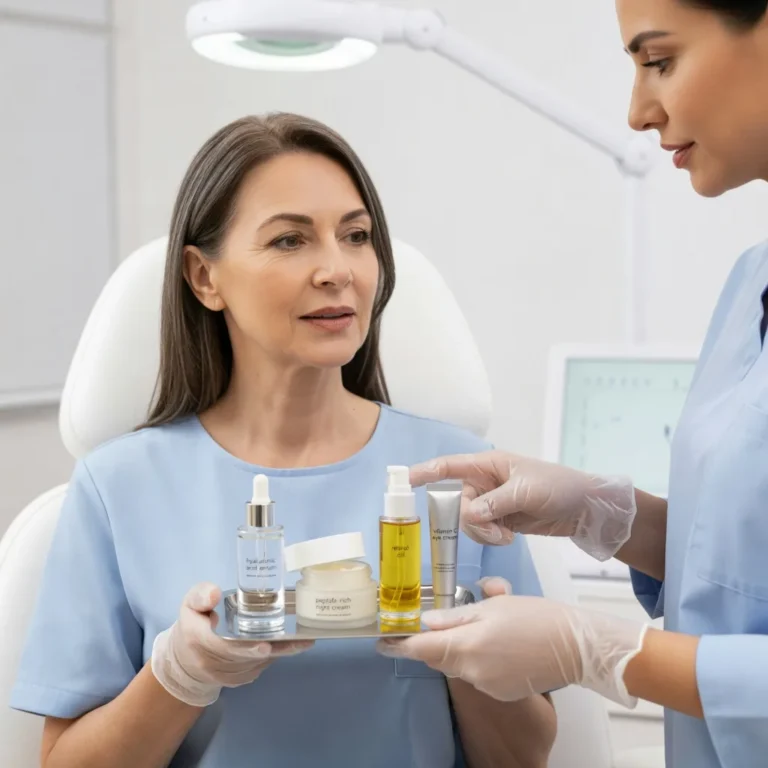
Anyone with a known allergy or sensitivity to a specific collagen source (fish, bovine, or otherwise) should check ingredient origin carefully before using either topical or oral collagen products. People expecting a topical collagen facial to meaningfully reduce deep wrinkles or significant skin laxity should recalibrate expectations toward stimulating treatments instead, since a humectant effect alone won’t address structural change.
When to Talk to a Dermatologist Instead
If your actual goal is measurable improvement in skin laxity, deep wrinkles, or structural firmness, a dermatologist can discuss real collagen-stimulating options — retinoids, microneedling, radiofrequency, or laser treatments — matched to your skin type and goals, rather than relying on a topical or supplement product alone. This is also the right path if you’re managing a diagnosed skin condition alongside general anti-aging goals, since some stimulating treatments have real contraindications worth discussing directly.
Checking What You’re Actually Buying
Pull up the ingredient list on any “collagen” product you’re considering. If it lists whole “collagen” or “collagen protein” high up with no mention of “hydrolyzed” or “peptide,” it’s likely using the larger native form that can’t meaningfully penetrate skin at all — you’re buying a marketing name more than a functional ingredient. If it specifically lists “hydrolyzed collagen” or “collagen peptides,” it’s using the smaller form that can at least function as a genuine humectant on the surface. For oral supplements, check the dose against the 2.5-to-10-gram range used in most of the trials showing real effect — a product dosed far below that range is less likely to match the evidence it’s citing.
Where the Evidence Runs Out
Be precise about what’s actually established: topical collagen cannot cross the skin barrier to add to your own dermal collagen — that’s settled biology, not a debate. What it can do, genuinely, is hydrate and temporarily plump skin as a humectant and film-former. Oral collagen peptides have real, statistically significant pooled trial evidence for hydration and elasticity, though the review authors themselves note bias concerns across included studies and call for higher-quality research. Marine collagen’s marketed superiority isn’t supported by the same evidence base that’s used to promote it. And there’s no validated at-home test for whether your skin specifically needs more collagen stimulation — that’s a judgment call best made with a dermatologist based on your actual skin, not something you can self-diagnose.
Frequently Asked Questions
Does a collagen facial actually add collagen to my skin?
No — the collagen molecule is far too large to cross the skin barrier and reach your dermis, where your own collagen lives.
So does a collagen facial do anything at all?
Yes — it functions as a genuine humectant and film-former, hydrating and temporarily plumping the skin’s surface.
Do oral collagen supplements actually work?
A 2023 meta-analysis of 26 trials found statistically significant improvement in skin hydration and elasticity versus placebo.
Is marine collagen better than other sources?
Not according to the evidence — the same meta-analysis found no significant elasticity difference by collagen source.
What treatments actually increase my own collagen production?
Retinoids, microneedling, radiofrequency, and laser treatments all work by stimulating your own fibroblasts through controlled injury or activation.
What’s the difference between collagen and hydrolyzed collagen?
Hydrolyzed collagen is broken into smaller peptide fragments used in most topical products; native collagen is too large to function topically at all.
How much oral collagen should I take for real effect?
Most trials showing benefit used doses in the 2.5-to-10-gram daily range.
Can a collagen cream fix deep wrinkles or sagging skin?
Not meaningfully — a humectant surface effect doesn’t address structural laxity the way a stimulating treatment can.
Is there a test to know if I need a collagen-stimulating treatment?
No validated at-home test exists; this is better assessed by a dermatologist based on your actual skin.
Are oral collagen supplements safe?
Generally well-tolerated in the trials reviewed, though anyone with a specific source allergy (fish, bovine, etc.) should check ingredient origin.