Can Cosmetics Cause Melasma?
Can cosmetics cause melasma, or is that dark patch actually being driven by something the skincare aisle has nothing to do with?
The American Academy of Dermatology’s own list of melasma triggers is hormones, sun exposure, certain medications, stress, and thyroid disease — cosmetics and skincare products don’t appear on it. They can still play a real, indirect role: fragrance-triggered irritation can leave post-inflammatory hyperpigmentation that looks like melasma, and some ingredients are genuinely photosensitizing.
Confusing post-inflammatory hyperpigmentation with true melasma matters, since the two overlap in appearance but don’t always respond the same way to treatment.
This guide separates melasma’s real, documented drivers from the indirect ways cosmetics can still make an existing case look worse.
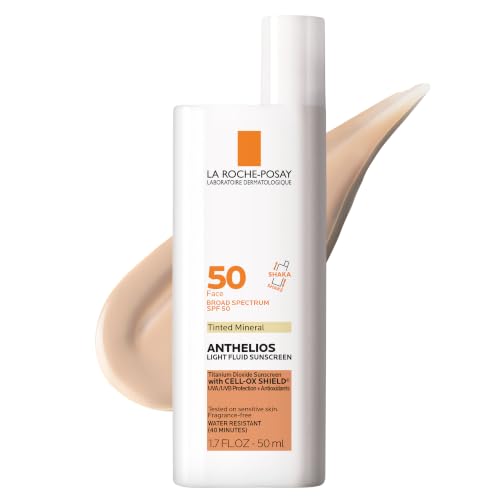
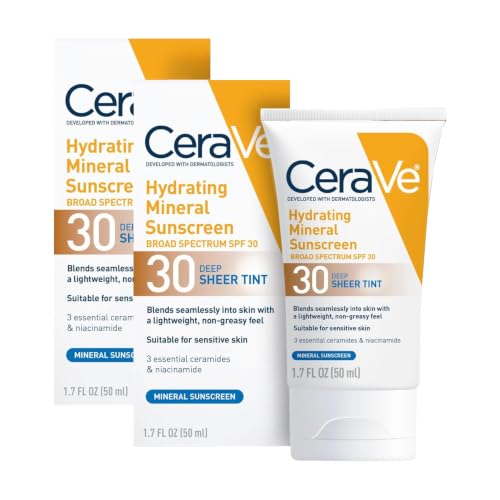
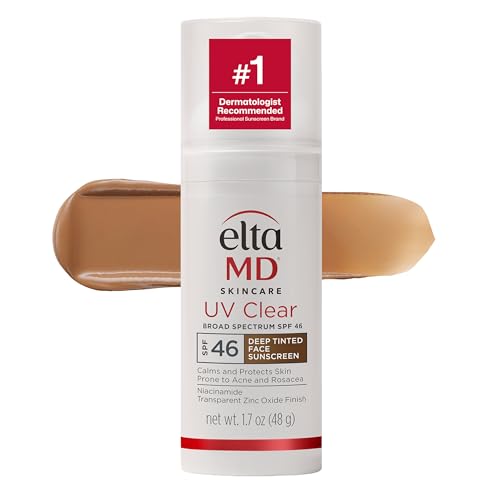
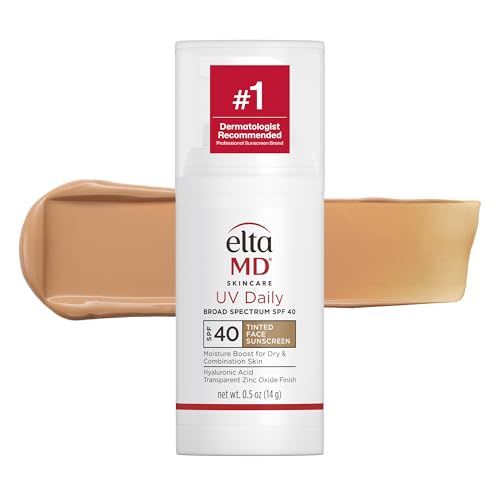
Recommended Sunscreens for Melasma-Prone Skin


Headline Facts
- The American Academy of Dermatology’s own list of melasma triggers is hormones, sun exposure, certain medications, stress, and thyroid disease — cosmetics and skincare products don’t appear on that primary list.
- Cosmetics can still play a real, indirect role: fragrance and other irritants can trigger contact dermatitis that leaves post-inflammatory hyperpigmentation, which looks like melasma and can worsen an existing case.
- Certain ingredients are genuinely photosensitizing, meaning they can amplify the UV response that drives melasma even though the product itself isn’t the root cause.
- Confusing post-inflammatory hyperpigmentation with true melasma matters, because the two overlap in appearance but respond somewhat differently to treatment.
Contents
- Can Cosmetics Cause Melasma, or Just Make It Worse?
- What the AAD Actually Lists as Melasma Triggers
- Hormones Are the Biggest Driver, By Far
- Where Cosmetics Genuinely Come In
- Post-Inflammatory Hyperpigmentation Looks Like Melasma
- Melasma vs. Post-Inflammatory Hyperpigmentation
- Photosensitizing Ingredients Worth Knowing About
- Ingredients That Can Amplify UV Sensitivity
- Genetics and Skin Tone Also Matter
- What Actually Treats Melasma, Evidence-Wise
- Do This, Not That
- Reducing Your Risk, Step by Step
- What This Article Can’t Tell You
- Frequently Asked Questions
Can Cosmetics Cause Melasma, or Just Make It Worse?
The honest, slightly unsatisfying answer is that cosmetics are not considered a primary cause of melasma, but they can genuinely make an existing tendency toward it worse, and they can produce a look-alike condition that’s easy to mistake for melasma itself. Separating “cause” from “aggravate” and “mimic” matters, because the treatment approach differs depending on which one is actually happening.
What the AAD Actually Lists as Melasma Triggers
The American Academy of Dermatology’s own patient-facing information on melasma causes lists sunlight, pregnancy and hormonal changes, certain medications including anti-seizure drugs, birth control pills, some antibiotics and blood pressure medications, elevated stress and cortisol, tanning beds and UV light exposure, and thyroid disease. Cosmetics, skincare products, and fragrances are notably absent from that list. The AAD is also candid that “why a trigger causes melasma in some people but not others isn’t entirely clear,” with genetic predisposition playing a significant role, particularly for women of color between roughly 20 and 40.
Hormones Are the Biggest Driver, By Far
Sunlight and hormonal shifts, especially from pregnancy, birth control, and hormone therapy, are the dominant drivers behind most melasma cases. When UV light hits skin, it triggers increased melanin production, and elevated estrogen and progesterone appear to make pigment-producing cells more responsive to that UV trigger. This combination explains why melasma is sometimes called “the mask of pregnancy” and why it disproportionately affects women, and it’s a substantially stronger and better-documented driver than anything related to cosmetic product use.
Where Cosmetics Genuinely Come In
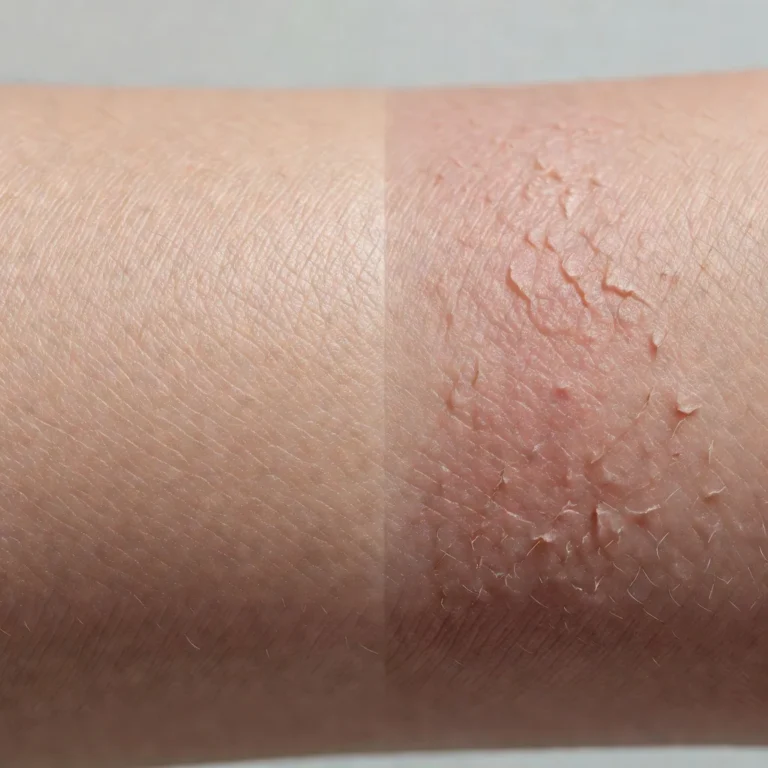
None of this means cosmetics are irrelevant. A product that irritates skin — through fragrance, certain preservatives, or an ingredient a particular person reacts to — can trigger contact dermatitis, and inflamed skin healing from that irritation frequently leaves behind extra pigment as part of the healing process. In someone already prone to melasma, that additional pigment-triggering event can make an existing patch look darker or more widespread, even though the product didn’t cause the underlying melasma itself.
Post-Inflammatory Hyperpigmentation Looks Like Melasma
Post-inflammatory hyperpigmentation, or PIH, is a distinct process where skin darkens after any kind of inflammation or injury — acne, a cut, an irritant reaction to a cosmetic, or even aggressive extraction during a facial. PIH can appear in the same areas commonly affected by melasma, like the cheeks and upper lip, and to the eye the two can look nearly identical, though PIH is generally more common overall since it can follow any inflammatory skin event, from a single pimple to a harsh chemical peel, while melasma requires the specific hormonal and UV combination described above. This matters practically because someone might reasonably blame a new cosmetic for “causing melasma” when what actually happened was an irritant reaction producing PIH, a related but mechanistically different form of hyperpigmentation.
Melasma vs. Post-Inflammatory Hyperpigmentation
| Feature | Melasma | Post-inflammatory hyperpigmentation |
|---|---|---|
| Main trigger | Hormones plus UV exposure | Any prior inflammation or skin injury |
| Typical pattern | Symmetrical patches, often cheeks, forehead, upper lip | Follows the exact shape of the prior injury or irritation |
| Can cosmetics trigger it? | Not directly; can worsen via irritation | Yes, directly, if the cosmetic caused the initial inflammation |
| Typical course | Often chronic, prone to recurrence with UV exposure | Frequently fades over months once the trigger resolves |
Photosensitizing Ingredients Worth Knowing About
Separate from irritation, certain cosmetic and skincare ingredients are genuinely photosensitizing, meaning they can increase skin’s reactivity to UV light. Since UV exposure is one of melasma’s primary drivers, a photosensitizing ingredient used without adequate sunscreen can plausibly amplify the exact mechanism that worsens melasma, even though the ingredient itself didn’t originate the condition. This is a real, mechanistically distinct pathway from the irritation-and-PIH pathway described above, and it’s part of why retinoid and exfoliating-acid users are consistently told to be diligent about daily sunscreen.
Ingredients That Can Amplify UV Sensitivity
| Ingredient category | Why it matters here | What to pair it with |
|---|---|---|
| Retinoids | Increase skin’s photosensitivity during use | Consistent daily broad-spectrum sunscreen |
| AHAs and BHA (exfoliating acids) | Thin the outer skin layer, increasing UV sensitivity | Sunscreen and gradual introduction |
| Fragranced products, in sensitive individuals | Can trigger irritation leading to PIH | Fragrance-free alternatives if reactive |
Genetics and Skin Tone Also Matter
Melasma disproportionately affects people with more melanin-rich skin and shows a clear genetic and familial pattern — it’s meaningfully more common in women of color, particularly during the reproductive years, than in the general population. This genetic and hormonal predisposition is a far larger factor in who develops melasma than any single cosmetic product choice, which is worth keeping in perspective when trying to identify a “cause” after the fact. Family history is also a meaningful signal: someone with a parent or sibling who has melasma is statistically more likely to develop it themselves, independent of which skincare products they happen to use, which reinforces just how much of this condition is determined before a single cosmetic ever touches the skin.
What Actually Treats Melasma, Evidence-Wise
Since cosmetics generally aren’t the root cause, it follows that the most effective treatments target the actual drivers instead. Topical hydroquinone remains a commonly used first-line lightening agent, often combined with a retinoid and a mild steroid in compounded prescriptions. Tranexamic acid, taken orally or applied topically, has a growing evidence base specifically for melasma. Chemical peels and certain laser treatments can help, but they carry a genuine, counterintuitive risk in more deeply pigmented skin: overly aggressive treatment can itself trigger post-inflammatory hyperpigmentation, effectively recreating the exact problem it was meant to fix. This is precisely why a dermatologist’s judgment about treatment intensity, not just treatment type, matters so much for melasma specifically.
Do This, Not That
Do
- Do use daily broad-spectrum sunscreen consistently, especially alongside retinoids or exfoliating acids.
- Do consider patch-testing new products if you’re prone to irritation, since irritation can worsen pigment separately from the product’s other effects.
- Do distinguish PIH from true melasma when trying to identify what actually triggered a new dark patch.
Don’t
- Don’t assume a cosmetic “caused” melasma just because a dark patch appeared after starting it — irritation-driven PIH is a distinct, common alternative explanation.
- Don’t start a new photosensitizing ingredient without also tightening up sunscreen habits.
- Don’t ignore ongoing irritation from a fragranced or otherwise reactive product, since repeated irritation can add pigment on top of existing melasma.
Reducing Your Risk, Step by Step
Identify the actual trigger honestly
Consider hormones, sun exposure, and medications first, since these are the AAD’s documented primary drivers.
Rule out irritation-driven PIH
Check whether a dark patch follows the exact shape of a prior irritation or injury, which points to PIH rather than melasma.
Tighten sunscreen habits
Apply broad-spectrum sunscreen daily, especially when using retinoids or exfoliating acids.
Patch-test reactive-prone skin
Test new products, especially fragranced ones, on a small area before full-face use.
See a dermatologist for an unclear or worsening pattern
A professional can distinguish melasma from PIH and recommend an evidence-based treatment path.
What This Article Can’t Tell You
This article can’t tell you whether a specific dark patch on your own skin is melasma, post-inflammatory hyperpigmentation, or something else entirely — that requires an in-person evaluation, sometimes with a Wood’s lamp or dermatoscope, since the two can look nearly identical without one. It also can’t tell you which specific ingredient, if any, is responsible for irritation you’re experiencing, since that typically requires patch testing or a process of elimination guided by a professional. What it can tell you honestly is that cosmetics sit low on the list of documented primary melasma triggers, while still playing a real, indirect role through irritation and photosensitization worth taking seriously.
Frequently Asked Questions
Can cosmetics directly cause melasma?
Not according to the AAD’s primary trigger list, which centers on hormones, sun exposure, certain medications, stress, and thyroid disease rather than cosmetic products.
Can a skincare product make melasma worse even if it didn’t cause it?
Yes. Irritation from a reactive product can trigger post-inflammatory hyperpigmentation, and photosensitizing ingredients can amplify the UV response that drives melasma.
What’s the difference between melasma and post-inflammatory hyperpigmentation?
Melasma is driven mainly by hormones and UV exposure and often appears symmetrically; PIH follows the exact shape of a prior injury or irritation and can fade over months.
Is melasma more common in certain skin tones?
Yes, it disproportionately affects people with more melanin-rich skin and shows a clear genetic and familial pattern.
Do retinoids cause melasma?
Not directly, but they increase photosensitivity, which can worsen existing melasma if sunscreen use isn’t kept consistent alongside them.
Why do dermatologists ask about hormonal birth control when diagnosing melasma?
Because hormonal changes from birth control and pregnancy are among the strongest documented triggers, often more significant than any cosmetic product used.
Can fragrance in skincare products worsen dark patches?
In sensitive individuals, yes — fragrance-triggered irritation can lead to post-inflammatory hyperpigmentation layered on top of existing melasma.
Does sunscreen actually help with melasma?
Yes, consistently, since UV exposure is one of melasma’s primary drivers and daily broad-spectrum sunscreen directly addresses that trigger.
Can stress make melasma worse?
The AAD lists elevated stress and cortisol among documented melasma triggers, alongside hormones, sun exposure, and certain medications.
Should I stop using a product if I suspect it’s worsening dark patches?
Discontinuing a suspected irritant is reasonable while you evaluate, but a dermatologist can help distinguish true melasma from PIH and recommend an appropriate next step.