Banana Facial: The Claim That Doesn’t Hold Up
A banana facial gets marketed with some remarkably bold claims, including comparisons to Botox. The real story here is both more modest and, in one specific way, more genuinely worth knowing about than most banana-facial content ever mentions.
Banana pulp’s real effect is humectant and occlusive hydration, not the muscle-affecting mechanism that would be required for any comparison to Botox to make sense. Concentrated banana peel extract shows early, real anti-inflammatory promise in preclinical research, though that’s very different from rubbing raw peel on your face.
The risk that deserves far more attention than it gets is latex-fruit syndrome, a documented cross-allergy where banana is the single most frequently reported culprit fruit.
This guide debunks the Botox comparison directly, and covers the specific allergy self-check that actually matters here.
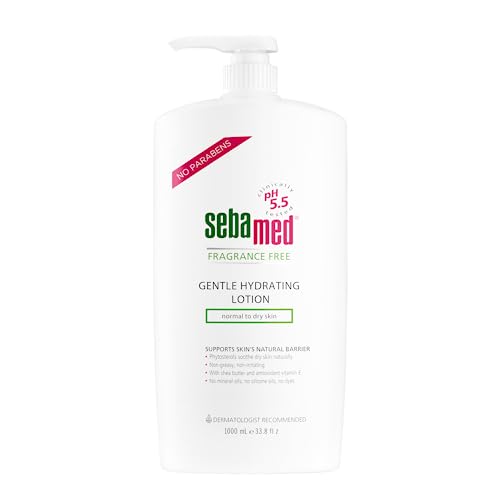
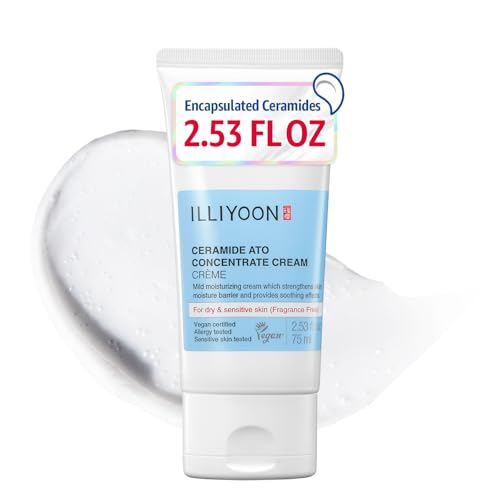
Recommended Products for Gentle Hydration




Key Takeaways
- A banana facial’s moisturizing effect is mostly humectant and occlusive, mashed pulp holding water against skin, not a targeted nutrient-delivery mechanism.
- “Banana facials work like natural Botox” is mechanistically incoherent, Botox blocks neuromuscular signaling, and a topical fruit mask has no way to affect muscle activity at all.
- Banana peel extract, not raw peel, has early but real anti-inflammatory research behind it, though most studies are small, uncontrolled, or preclinical.
- Banana is the single most frequently reported culprit fruit in latex-fruit syndrome, a real and well-documented cross-allergy.
- Of documented latex-fruit-syndrome reactions, 73 percent were systemic, not just localized oral irritation, this is not a trivial risk category.
- Anyone with a known latex allergy should treat banana-based topical products with real caution, not casual dismissal.
- A standard patch test is a reasonable precaution for most people, but it doesn’t fully substitute for allergist input if you have a documented latex allergy.
Table of Contents
- What a Banana Facial Actually Is
- What Banana Pulp Really Does for Skin
- The “Natural Botox” Claim, Debunked
- Banana Peel Extract: Early, Real, and Preliminary
- The Latex-Fruit Syndrome Self-Check
- Comparing Banana Facial Claims to Evidence
- Do This, Not That
- How to Do a Banana Facial Safely
- Who Should Be Extra Careful
- When to See a Doctor
- Frequently Asked Questions
- The Bottom Line
What a Banana Facial Actually Is
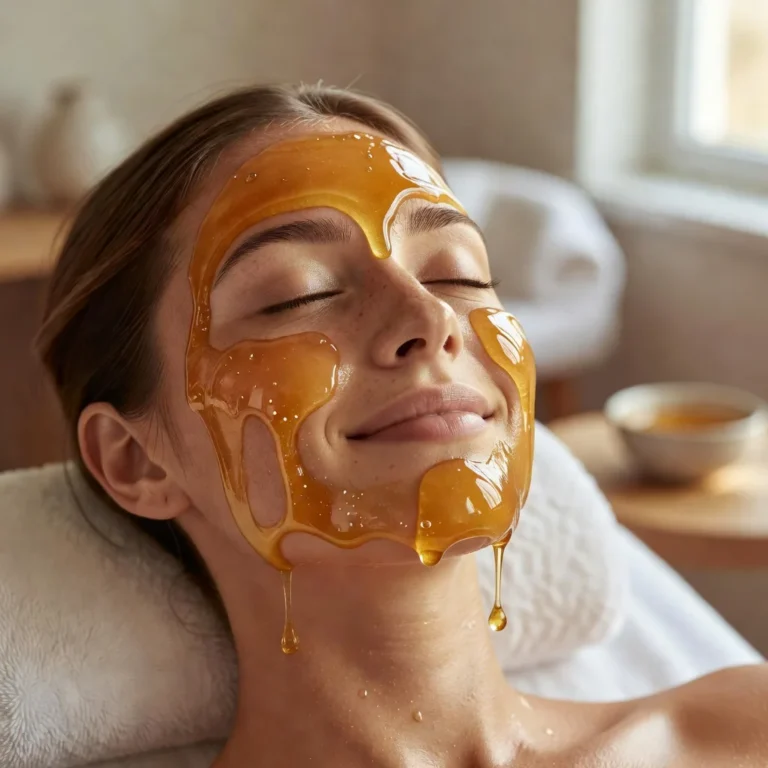
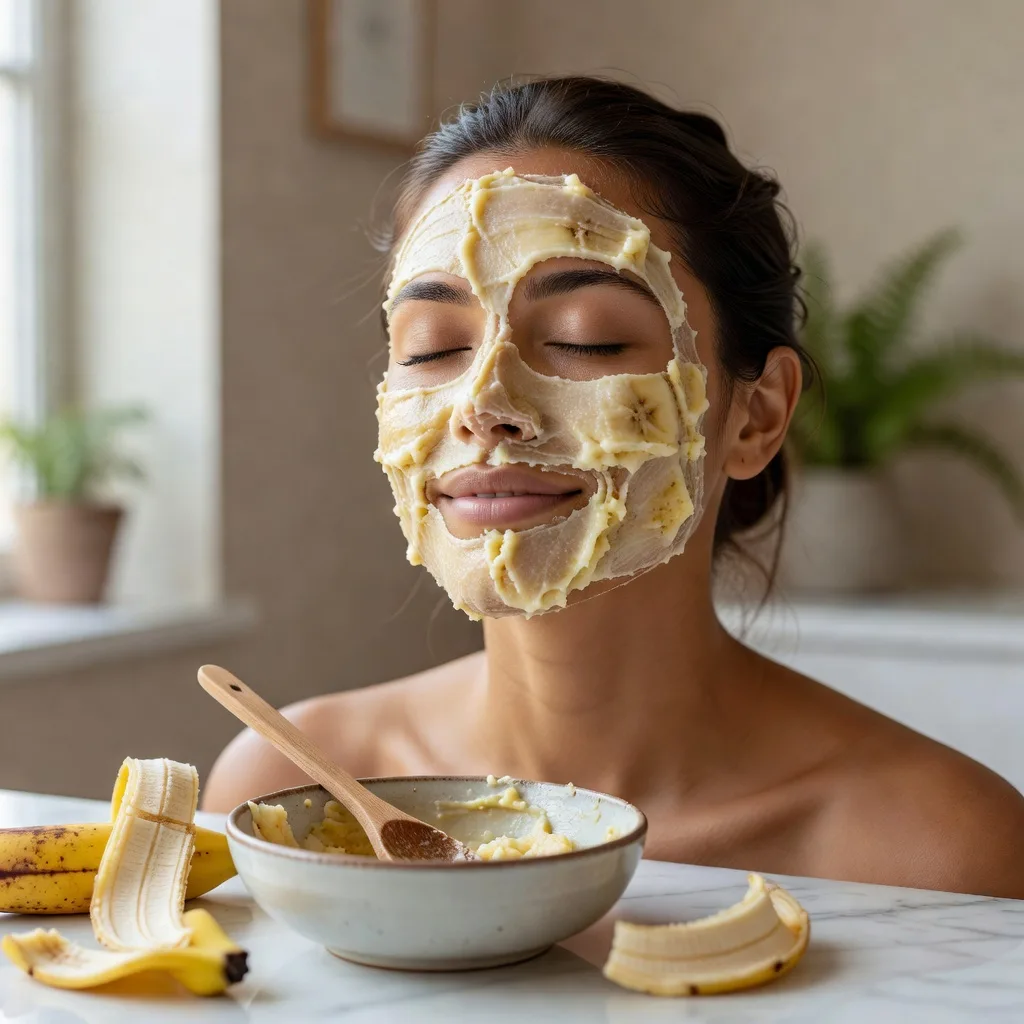
The classic DIY banana facial is mashed ripe banana pulp applied alone or blended with honey or yogurt, left on skin for 10 to 15 minutes. A less common variant rubs the inside of the banana peel directly against the skin instead. Some marketing around this treatment goes as far as calling it a “natural Botox,” a claim specific enough, and wrong enough, that it deserves its own section further down.
What Banana Pulp Really Does for Skin
Banana pulp is mostly water, natural sugars, and modest amounts of potassium, vitamin A, vitamin B6, and vitamin C. Its real, measurable moisturizing effect comes from acting as a humectant and occlusive layer, the thick mashed texture holds water against the skin the way any fruit puree mask would, rather than from a targeted nutrient-delivery mechanism reaching living skin cells. This is a genuinely pleasant, if modest, short-term hydration effect, just not the vitamin-absorption story often implied in marketing.
It’s worth comparing this honestly against other single-ingredient fruit masks covered elsewhere on this site, like our strawberry facial guide: the pattern repeats across nearly every raw-fruit facial, a real, if modest, hydration or humectant benefit, paired with vitamin or mineral claims that don’t survive scrutiny of how topical absorption actually works.
The “Natural Botox” Claim, Debunked
Warning: “Banana facials work like natural Botox” is one of the more mechanistically incoherent claims in natural skincare marketing, and it’s worth being direct about why.
Botox works by blocking neuromuscular signaling, temporarily paralyzing specific facial muscles so they can’t contract and form certain wrinkles. A topical fruit mask sitting on the surface of your skin has no mechanism whatsoever to affect muscle activity underneath. This isn’t a matter of degree or dosage, it’s a category error: one is a neurotoxin that blocks nerve signals to muscle, the other is mashed fruit. The “natural Botox” framing is a marketing metaphor, not a real comparison, and readers deserve to know the difference before believing a banana mask will do anything close to what an actual neuromodulator injection does.
Banana Peel Extract: Early, Real, and Preliminary
Separate from raw banana pulp, there’s real, if early-stage, research on concentrated banana peel extract specifically. An in vivo and in-silico study on Musa balbisiana peel extract found anti-inflammatory activity relevant to acne-related pathways. A 2026 study tested a 5 percent banana peel extract nanoparticle serum on photoaging markers, specifically MMP-1, over 12 weeks, but it was explicitly a single-arm, uncontrolled proof-of-concept study with no comparison group, meaning any improvement can’t be confidently attributed to the banana extract itself rather than moisturization, time, or a placebo effect. A separate, lower-quality study on banana-peel masks for teen acne exists but isn’t a rigorous peer-reviewed clinical trial.
Note: These extraction and concentration studies use processed extracts very different from rubbing raw banana peel on your face. Don’t conflate laboratory-concentrated peel extract research with the DIY version.
The Latex-Fruit Syndrome Self-Check
This is the genuine, well-documented risk in this category, and it’s underused in most banana-facial content: latex-fruit syndrome. A comprehensive 2024 review found cross-reactivity to fruits among latex-allergic patients ranges from 4 to 88 percent depending on diagnostic method, with more consistent estimates of 27 to 36 percent when combining clinical history with specific IgE testing. Banana was the single most frequently reported culprit fruit across nine studies spanning seven countries, alongside avocado, kiwi, and papaya.
The molecular basis is well characterized: chitinase enzymes in banana cross-react with hevein-like proteins in natural rubber latex, first identified in a landmark 1997 paper and confirmed by later work identifying the specific banana allergen proteins. Of documented reactions in latex-fruit-syndrome patients, 73 percent were systemic, meaning hives, swelling, or in some cases anaphylaxis, versus only 27 percent limited to localized oral irritation. The real self-check here: if you have a known latex allergy, common among healthcare workers, people with spina bifida, or anyone with frequent glove exposure, that’s the specific group who should treat banana-based topical products with genuine caution, ideally after checking with an allergist.
Comparing Banana Facial Claims to Evidence
| Claim | What the evidence actually shows |
|---|---|
| “Works like natural Botox” | Not supported, no mechanism to affect muscle activity |
| “Moisturizes skin” | Supported, humectant/occlusive effect from puree texture |
| “Vitamins/potassium absorb into skin” | Not well supported, limited penetration through intact skin |
| “Banana peel extract has anti-inflammatory activity” | Real but early-stage, mostly preclinical/uncontrolled studies |
| Raw pulp mask | Concentrated peel extract | |
|---|---|---|
| Preparation | Mashed at home, unstandardized dose | Lab-processed, controlled concentration |
| Evidence type | None specific to raw pulp masks | Small human/animal studies, preliminary |
| Realistic expectation | Short-term hydration only | Possible anti-inflammatory activity, unconfirmed at scale |
Do This, Not That
Do
- Patch test 24 to 48 hours before full-face use
- Treat a banana mask as a short-term hydration step, not a treatment
- Check with an allergist first if you have a known latex allergy
- Use ripe, fresh banana rather than overripe or fermenting pulp
- Moisturize normally afterward to maintain the hydration effect
Don’t
- Believe marketing that compares this to Botox in any real sense
- Assume vitamins or potassium in banana pulp are absorbing into your skin
- Use banana-based products if you have a diagnosed latex allergy without checking first
- Expect concentrated peel-extract research findings from a raw mashed-pulp mask
- Skip a patch test just because the ingredient is “natural”
How to Do a Banana Facial Safely
Patch test first
Apply mashed banana to your inner forearm and wait 24 to 48 hours, watching for redness, itching, or swelling.
Mash a ripe banana thoroughly
A smooth, lump-free paste spreads more evenly and is less likely to irritate skin during removal.
Apply to clean, dry skin
Avoid the eye area and any broken or actively irritated skin.
Tip: Mixing in a spoonful of plain yogurt adds lactic acid’s genuine mild exfoliating effect alongside the banana’s hydration.
Leave on for 10 to 15 minutes
Rinse with lukewarm water before it dries completely and becomes harder to remove.
Moisturize immediately after
Lock in the surface hydration with your normal moisturizer while skin is still slightly damp.
Who Should Be Extra Careful
Anyone with a diagnosed latex allergy is the group who should approach banana-based facials with genuine caution, given how consistently banana shows up as a top culprit fruit in latex-fruit syndrome research. This includes healthcare workers, people with spina bifida, and anyone with a history of frequent glove exposure, all groups with documented higher rates of latex sensitization. If you fall into this group and want to try a banana-based product anyway, a conversation with an allergist beforehand is the genuinely useful precaution, not just a generic patch test.
It’s also worth knowing that latex sensitization tends to build with repeated exposure over time, meaning someone who has never reacted to gloves or balloons in the past isn’t necessarily in the clear forever. People who’ve noticed any mild itching or hives after contact with latex products, even without a formal diagnosis, fall into a gray zone worth discussing with an allergist before making banana masks a routine habit rather than an occasional one.
When to See a Doctor
Warning: Hives, swelling of the lips or face, difficulty breathing, or any systemic reaction after a banana-based product is a medical emergency, not a skincare question, seek care immediately.
For milder but persistent redness or itching after a patch test, a dermatologist or allergist can help determine whether it’s simple irritation or a true allergic reaction, and whether latex-fruit syndrome testing is worth pursuing. If your actual goal is acne-related anti-inflammatory support rather than a fruit mask with thin evidence behind it, a dermatologist can also walk you through better-studied options covered in our acne facial guide.
Frequently Asked Questions
Does a banana facial really work like Botox?
No, Botox blocks neuromuscular signaling to paralyze muscles, and a topical fruit mask has no mechanism to affect muscle activity at all; this is a marketing metaphor, not a real comparison.
What does a banana facial actually do for skin?
It provides short-term hydration through a humectant and occlusive effect from the mashed pulp, not targeted nutrient delivery.
Can banana facials cause allergic reactions?
Yes, banana is the most frequently reported culprit fruit in latex-fruit syndrome, a real cross-allergy affecting people with latex sensitization.
Who is most at risk from banana-related allergic reactions?
People with a diagnosed latex allergy, including healthcare workers and those with frequent glove exposure, due to documented chitinase cross-reactivity.
Is banana peel extract different from raw banana peel?
Yes, extract studies use lab-concentrated, controlled preparations, which is very different from rubbing raw peel on skin.
Do vitamins in banana actually absorb into skin?
Not meaningfully; topical vitamin and mineral penetration through intact skin from a mashed-fruit mask is limited.
How long should a banana facial mask stay on?
Typically 10 to 15 minutes before rinsing with lukewarm water.
Are most latex-fruit syndrome reactions mild?
No, 73 percent of documented reactions were systemic, such as hives or swelling, not just localized oral irritation.
Is a patch test enough if I have a latex allergy?
A patch test is a reasonable general precaution, but anyone with a diagnosed latex allergy should consider checking with an allergist first rather than relying on a patch test alone.
Is banana facial peel extract FDA-regulated?
It’s a cosmetic ingredient, not FDA-approved or regulated as a drug, and “natural Botox” style claims would be considered unsubstantiated performance claims.
The Bottom Line
A banana facial delivers real, if modest, short-term hydration, and concentrated banana peel extract shows early promise in preclinical anti-inflammatory research. What it doesn’t do is anything resembling Botox, that comparison doesn’t survive contact with how either treatment actually works.
The one risk worth taking seriously here is latex-fruit syndrome. If you have a diagnosed latex allergy, treat banana-based topicals with real caution rather than assuming “it’s just fruit” makes it automatically safe.