
Acupuncture Facial: What the Evidence Shows
An acupuncture facial adapts traditional needling technique to target fine lines and skin tone, and the evidence behind it is real, if still developing.
A 2025 randomized trial found blinded reviewers rated notable frown-line improvement in nearly two-thirds of treated patients, though the comparison group was a waitlist rather than sham needling, a real limitation the study’s own authors acknowledge. The proposed collagen-stimulation mechanism mirrors microneedling’s, but hasn’t been confirmed at the biopsy level the way microneedling’s has.
Pneumothorax is a real, documented acupuncture risk, but it’s tied to needling near the chest and upper back, not facial-only treatment specifically.
This guide covers what the best available trial actually found, the real safety picture, and how to verify a practitioner’s licensing before booking.
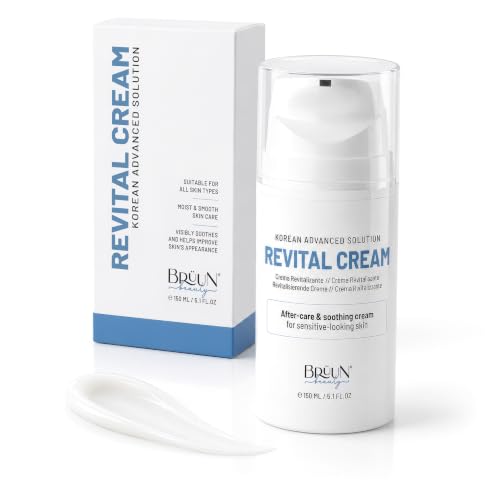
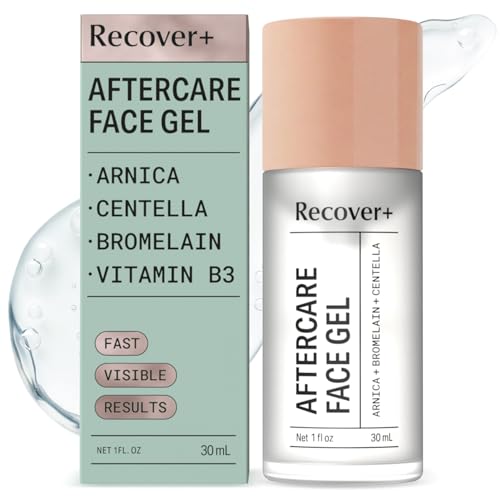
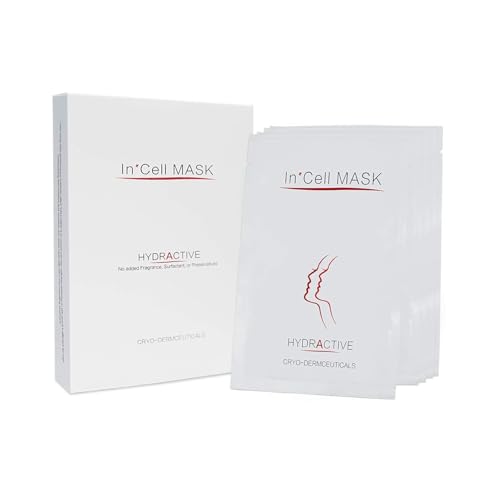
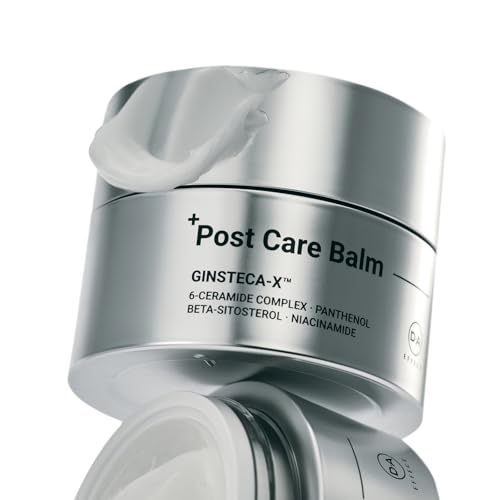
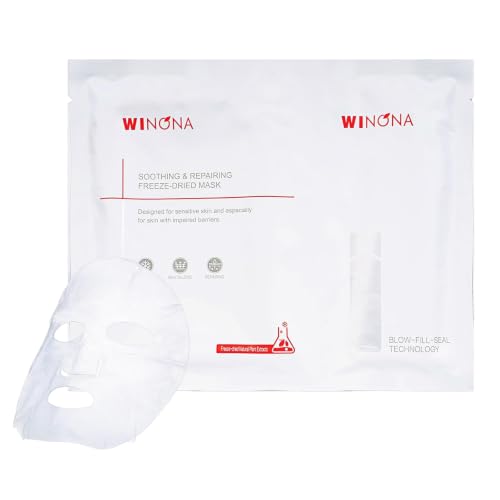
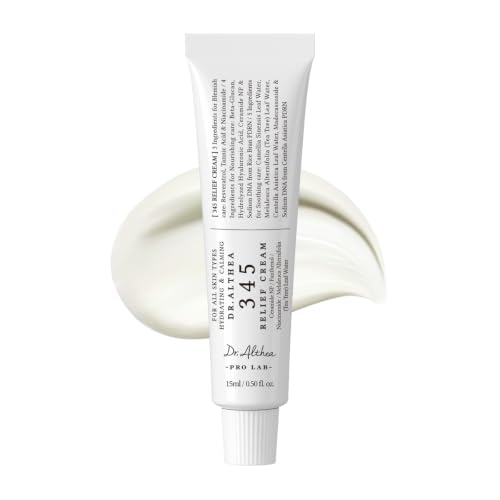
Recommended Post-Treatment Facial Care Products
What Facial Acupuncture Actually Involves
Facial or “cosmetic” acupuncture adapts traditional acupuncture technique to target fine lines and skin tone, typically by inserting very thin, sterile, single-use needles at specific points on the face (sometimes combined with points elsewhere on the body, following traditional acupuncture theory) and leaving them in place for 15-30 minutes across a course of multiple sessions. The proposed mechanism draws directly on the same rationale used to justify microneedling: controlled needle micro-trauma is thought to trigger a local wound-healing cascade — platelet activation, growth-factor release, fibroblast activity — that can plausibly stimulate collagen production over time.
At a Glance
- A 2025 randomized trial found real, statistically notable improvement in frown lines after a course of facial acupuncture, though it used a waitlist control rather than sham needling.
- The proposed collagen-stimulation mechanism is biologically plausible but hasn’t been confirmed by biopsy-level evidence the way it has for microneedling.
- Pneumothorax is a documented, serious acupuncture risk in general, but it’s tied to needling near the chest and upper back, not facial-only treatment.
- Bruising and minor bleeding are the most common real side effects, occurring in under 5% of treated patients in the best available trial.
- No large, sham-controlled, multi-center trial exists yet, and benefit durability beyond a few months hasn’t been established.
- Licensed acupuncturists in most U.S. states must complete Clean Needle Technique certification, directly addressing sterile single-use needle practice.
Contents
- What Facial Acupuncture Actually Involves
- What the Best Available Trial Actually Found
- Why This Isn’t Quite Settled Science Yet
- The Microneedling Comparison, and Where It Breaks Down
- The Pneumothorax Risk, Explained Precisely
- What a Typical Course Looks Like
- Licensing and Sterile Technique
- Who Tends to Consider This Treatment
- Cost and Time Commitment vs. Other Options
- Who Should Be Cautious
- When to See a Doctor Instead
- A One-Minute Practitioner Check
- Where the Evidence Runs Out
- Frequently Asked Questions
What the Best Available Trial Actually Found
The strongest citable evidence comes from a 2025 randomized controlled trial published in the Journal of Cosmetic Dermatology, conducted in Mashhad, Iran. Seventy-two women were randomized to either a course of 12 acupuncture sessions delivered twice weekly over six weeks, or a waitlist control group. Outcomes were assessed using blinded photographic review against standardized scales for glabellar (frown) line severity, alongside patient-reported satisfaction. At the one-week follow-up point after treatment ended, blinded reviewers rated “notable improvement” in 63.9% of participants’ frown lines at rest and 72.2% during active frowning — a real, meaningful proportion. Roughly two-thirds of patients still reported satisfaction at the 12-week follow-up mark. Side effects were minor: fewer than 5% experienced minor bleeding, and under 1% had transient bruising.
Why This Isn’t Quite Settled Science Yet
The trial’s authors themselves describe the results as “safe and moderately effective,” and are careful to flag real limitations: the comparison group was a waitlist (people who simply didn’t receive treatment yet), not a sham-acupuncture group receiving fake needling in the same setting. That distinction matters, because a waitlist comparison can’t rule out the possibility that some of the improvement reflects patient expectation, the attention of regular visits, or natural fluctuation in how frown lines are perceived over time — not necessarily the specific effect of needle placement itself. A published commentary on the study raises exactly this methodological point. A broader systematic review of prospective facial-acupuncture studies from 2019 reaches a similar overall conclusion: modest positive trends across the existing literature, but consistently low-quality evidence — small sample sizes, inconsistent blinding, and no standardized sham-control design across studies.
The Microneedling Comparison, and Where It Breaks Down
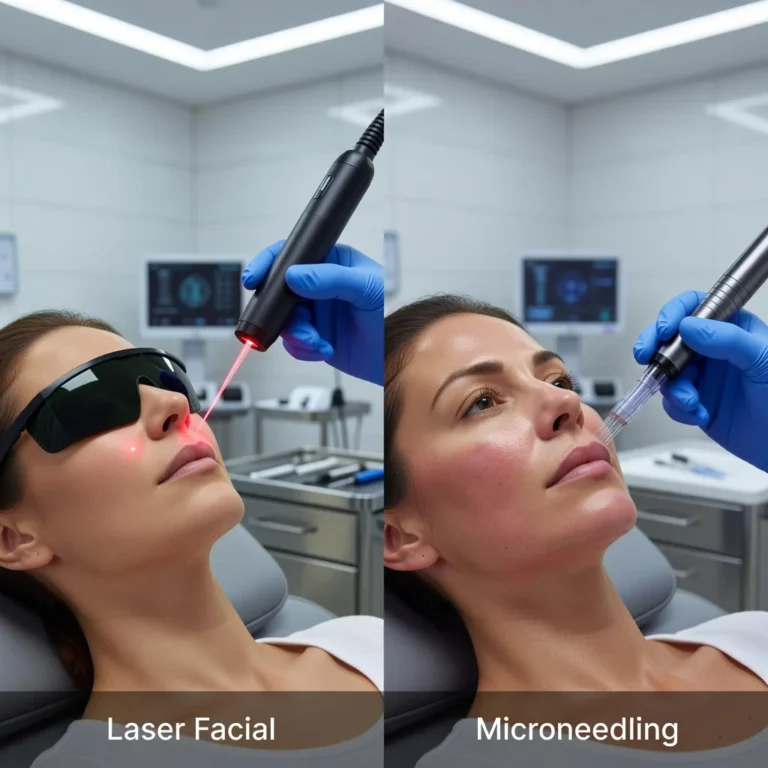
The biological rationale for facial acupuncture leans heavily on the same logic used for microneedling: deliberate, controlled micro-injury triggers platelet activation and growth-factor release (including PDGF and TGF-beta), which in turn stimulates fibroblasts to produce new collagen. This is well-established, biopsy-confirmed science for microneedling specifically — studies exist showing measurable, histologically verified collagen density increases after a course of microneedling treatments. Facial acupuncture has not been studied to that same level of mechanistic proof; no comparable biopsy-based collagen-density study for facial acupuncture specifically was found in the literature. The mechanism is plausible by analogy, not yet confirmed at the tissue level the way microneedling’s has been.
| Feature | Facial acupuncture | Microneedling |
|---|---|---|
| Proposed mechanism | Needle micro-trauma at acupuncture points, triggering wound-healing cascade | Controlled micro-injury in a systematic grid pattern, same wound-healing cascade |
| Biopsy-confirmed collagen evidence | Not established specifically for facial application | Established — histological studies confirm collagen density increases |
| Best available trial design | Waitlist-controlled RCT (2025) | Multiple sham/split-face controlled studies exist |
| Session frequency (typical course) | 12 sessions over 6 weeks in the cited trial | Typically 3-6 sessions spaced 4-6 weeks apart |
The Pneumothorax Risk, Explained Precisely
Acupuncture-related pneumothorax (a collapsed lung from an inserted needle puncturing the lung’s outer membrane) is real and documented, including at least one autopsy-confirmed fatal case in the medical literature and several non-fatal case reports. It’s important to be precise about where this risk actually applies: the documented cases involve needling near the thorax, upper back, or shoulder region — areas in genuine anatomical proximity to the lungs. Facial-only acupuncture (forehead, cheeks, chin, around the eyes) carries essentially no pneumothorax risk on its own, since there’s no proximity to the pleura at all. The real-world relevance is for “cosmetic acupuncture” protocols that combine facial points with additional body points near the upper back or shoulders, following broader traditional acupuncture theory — that’s specifically where this risk category becomes clinically relevant, not the facial needling itself.
What a Typical Course Looks Like
Initial consultation
The practitioner assesses your skin concerns and, in traditional-medicine-informed practice, may ask about broader health history.Needle placement
Very fine, sterile, single-use needles are inserted at facial points (and sometimes select body points), typically left in place 15-30 minutes.Course of sessions
Twice-weekly sessions over several weeks is a commonly studied protocol, though individual practitioners vary.Maintenance
Some practitioners recommend periodic maintenance sessions after the initial course, though there’s limited trial data on optimal maintenance frequency.
Licensing and Sterile Technique
Acupuncturists are licensed at the state level in the large majority of U.S. states and in Washington, D.C. National board certification is administered by the NCCAOM (National Certification Commission for Acupuncture and Oriental Medicine), and Clean Needle Technique certification — which specifically addresses sterile, single-use needle handling — is a standard licensing prerequisite in most states. Confirming a practitioner’s state license and CNT certification is a concrete, verifiable step before booking, similar to confirming any other licensed provider’s credentials.
| Credential | What it confirms |
|---|---|
| State acupuncture license | Legal authorization to practice acupuncture in that state |
| NCCAOM board certification | National-level professional certification, often a licensing prerequisite |
| Clean Needle Technique (CNT) certification | Specific training in sterile, single-use needle handling |
Who Tends to Consider This Treatment
People looking for a lower-intervention alternative or complement to neurotoxin injections or more invasive procedures, and who are comfortable with needles and a multi-session commitment, are the typical candidates. Given the still-developing evidence base, it’s realistic to frame this as a treatment with plausible, moderate, likely-transient benefit — not a settled substitute for treatments with a larger, more mechanistically confirmed evidence base, such as the PRP-combination approach covered in our microneedling with PRP guide.
Do
- Verify your practitioner’s state license and Clean Needle Technique certification
- Ask specifically whether the protocol includes any points near your upper back or shoulders
- Set expectations around moderate, likely-transient benefit based on the best current trial
Don’t
- Assume durability beyond a few months is established — it isn’t yet
- Skip verifying licensing because a practitioner “seems experienced”
- Expect the same biopsy-confirmed collagen evidence that exists for microneedling
Cost and Time Commitment vs. Other Options
A full course of facial acupuncture — the 12-sessions-over-6-weeks protocol used in the cited trial, for example — represents a meaningfully larger time commitment than a single round of neurotoxin injections or a single microneedling session, and per-session pricing varies widely by practitioner and region. Because the trial data shows benefit fading somewhat by the 12-week mark, it’s realistic to expect this to be an ongoing, repeated-course commitment rather than a one-and-done procedure, similar in that respect to how neurotoxin treatment also requires repeat sessions every few months to maintain effect. Factoring the total time and repeat-session cost into a decision, not just the price of a single visit, gives a more accurate picture of what committing to this treatment actually involves.
Who Should Be Cautious
People on blood thinners or with bleeding disorders should discuss facial acupuncture with their physician first, given the bruising/bleeding profile, even though it’s generally minor. Anyone with an active skin infection or open wound in the treatment area should wait until it resolves. People who are pregnant should ask their acupuncturist and physician about any point-selection adjustments specific to pregnancy, following standard acupuncture practice.
When to See a Doctor Instead
This is a cosmetic, adjunctive treatment, not a substitute for medical evaluation. See a physician promptly, rather than an acupuncturist, if you experience chest pain, sudden shortness of breath, or unusual difficulty breathing after any acupuncture session involving upper-body points — these are the specific symptoms associated with the rare but serious pneumothorax risk discussed above.
A One-Minute Practitioner Check
Before booking, confirm: is this practitioner licensed in your state? Do they hold Clean Needle Technique certification? Will the protocol include any points outside your face, and if so, where? A practitioner who can answer all three clearly and confidently is following the standard, evidence-informed safety framework this article describes; hesitation on any of these is worth following up on directly.
Where the Evidence Runs Out
Be precise about what’s actually established: the best available trial used a waitlist, not a sham-needle, control group, so some of the measured improvement could reflect expectation or attention rather than the specific needling itself. No large, multi-center, sham-controlled trial exists yet. No study has confirmed collagen synthesis at the biopsy level for facial acupuncture specifically, unlike microneedling. And no trial has tracked benefit durability meaningfully beyond about 12 weeks. The honest summary is “plausible mechanism, modest supporting trial data, real evidence gaps” — not an unproven fad, but not a mechanistically settled treatment either.
Frequently Asked Questions
Does facial acupuncture actually reduce wrinkles?
The best available randomized trial found notable improvement in frown lines for a majority of participants, though the comparison group was a waitlist rather than sham needling.
Is facial acupuncture as well-studied as microneedling?
No — microneedling has biopsy-confirmed collagen evidence, while facial acupuncture’s collagen-stimulation mechanism remains plausible but not confirmed at that level.
Can facial acupuncture collapse a lung?
Facial-only needling carries essentially no pneumothorax risk; the documented cases involve needling near the chest, upper back, or shoulders specifically.
How many sessions does a typical course involve?
The cited 2025 trial used 12 sessions over six weeks, though individual practitioners’ protocols vary.
What are the most common side effects?
Minor bleeding and bruising are most common, occurring in under 5% and under 1% of patients respectively in the best available trial.
How long do results last?
Roughly two-thirds of patients in the cited trial still reported satisfaction at 12 weeks, but longer-term durability hasn’t been studied.
Is a license required to perform facial acupuncture?
Yes, in the large majority of U.S. states, along with Clean Needle Technique certification as a standard prerequisite.
Is this a substitute for Botox?
It’s better framed as an alternative or complement with a different, less mechanistically confirmed evidence base, not an established equivalent substitute.
Can I get facial acupuncture while pregnant?
Discuss it with both your acupuncturist and physician first, since point selection is often adjusted during pregnancy in standard practice.
Should I be worried about infection from the needles?
Modern licensed practice uses single-use sterile disposable needles, making infection largely a non-issue with a properly licensed, certified practitioner.